
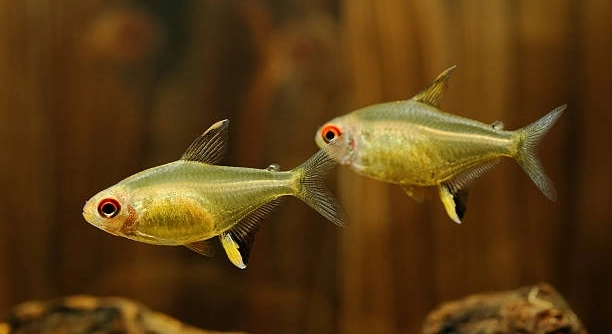
Keeping Lemon Tetra healthy starts with creating the right environment in their tank. Proper care ensures they thrive, remain active, and display vibrant colors. Attention to water quality and tank setup is essential for long-term well-being.
Stable water temperature, proper filtration, regular water changes, balanced diet, adequate swimming space, compatible tank mates, and maintained pH levels are key factors. Ensuring these conditions promotes robust health, reduces stress, and supports the natural behavior and longevity of Lemon Tetra.
Maintaining these conditions will help your Lemon Tetra flourish and enjoy a peaceful, thriving home in your aquarium.
Stable Water Temperature
Lemon Tetras are sensitive to sudden changes in water temperature. Keeping the tank between 72°F and 78°F ensures they remain active and healthy. Sudden fluctuations can cause stress, reduce immunity, and affect feeding habits. Using a reliable heater and thermometer helps maintain consistency. I always check the temperature daily, especially after water changes. Avoid placing the tank near windows or vents, as drafts or direct sunlight can create spikes. Consistency in temperature supports natural behavior, encourages schooling, and keeps their colors bright. Even small variations over time can impact health, so steady monitoring is essential. When introducing new fish, acclimating them slowly prevents shock and keeps the environment stable. Temperature is one of the simplest factors to control but has one of the largest impacts on longevity and stress reduction. Regular observation ensures the fish remain comfortable and active, creating a thriving tank without complications or sudden illnesses.
Temperature control helps prevent stress and illness in Lemon Tetras, keeping them active and colorful.
Even slight temperature changes can affect feeding and immune response. A stable heater and daily checks keep the environment safe. Lemon Tetras show calmer behavior, better coloration, and improved health when the water temperature is steady. Avoiding sudden fluctuations reduces stress and prevents diseases. I notice that when the temperature remains consistent, the fish school naturally and display normal activity patterns. Introducing new fish gradually allows them to adjust without causing a shock to existing tank inhabitants. Proper temperature management is simple but crucial for maintaining a healthy, thriving Lemon Tetra tank over time.
Proper Filtration
Good filtration keeps water clean and free from harmful chemicals.
A reliable filter removes waste, maintains oxygen levels, and supports a balanced ecosystem. Choosing the right filter for tank size ensures effective circulation and prevents stagnant areas. Regular cleaning avoids buildup, and observing flow rates helps maintain comfort.
Filtration is critical for maintaining water quality in a Lemon Tetra tank. Mechanical filtration captures debris, biological filtration encourages beneficial bacteria, and chemical filtration reduces toxins. Without proper filtration, ammonia and nitrite levels rise quickly, causing stress or illness. I always match filter strength to tank size and stocking levels to ensure gentle but effective circulation. Weekly checks prevent clogging, and replacing media as recommended maintains efficiency. A well-filtered tank reduces the need for frequent water changes and keeps water parameters stable, which is essential for schooling fish like Lemon Tetras. Filtration also helps maintain clear water, enhancing the natural color and activity of the fish. By carefully managing the filter, I create a clean and safe environment where the fish can thrive and display natural behaviors.
Regular Water Changes
Regular water changes prevent the buildup of toxins and maintain water quality. I change about 25% of the water weekly, which keeps Lemon Tetras healthy and reduces stress. Consistency is key to a stable environment.
Changing water regularly removes nitrate and phosphate buildup, which can affect fish health over time. I make sure to treat tap water with a dechlorinator before adding it back to the tank. This practice also helps maintain stable pH and mineral levels, which Lemon Tetras are sensitive to. Skipping water changes often results in cloudy water, increased algae growth, and weaker fish. I usually vacuum the substrate during changes to remove leftover food and debris. Maintaining clean water supports active swimming, healthy coloration, and normal feeding habits. Over time, regular water changes also prevent long-term tank problems that can be harder to correct.
Consistency during water changes is important to avoid sudden shifts in temperature or water chemistry. I always match the new water temperature to the tank to prevent stress. Using the same method each week allows Lemon Tetras to adjust smoothly, creating a reliable and safe environment. Regular monitoring ensures ammonia and nitrite levels remain low. Observing the fish during and after water changes helps detect early signs of stress or illness. Even small deviations in water quality can impact their health, so I focus on maintaining a predictable routine. This simple practice contributes significantly to their overall well-being and longevity.
Balanced Diet
A balanced diet keeps Lemon Tetras energetic and colorful. I feed them a mix of flakes, frozen foods, and occasional live treats.
Providing a varied diet ensures they receive all essential nutrients, vitamins, and minerals. I rotate foods to prevent deficiencies and maintain interest. Overfeeding is avoided to reduce waste and maintain water quality. Feeding small portions two to three times daily keeps their digestive systems healthy. Occasionally offering live foods like daphnia or brine shrimp stimulates natural hunting behavior and supports vibrant coloration. I notice that a well-fed tank is more active, with fish schooling naturally and displaying consistent health. Supplements like spirulina or specialized tetra flakes can enhance color, energy, and immunity, especially during breeding or stress periods.
Proper feeding also prevents competition and aggression. I monitor each fish to ensure they eat evenly, avoiding dominance by larger individuals. By maintaining a regular feeding schedule and offering nutritious options, Lemon Tetras remain robust and lively. I always remove uneaten food promptly to avoid water contamination. Balancing protein, fiber, and vitamins in their diet supports growth and strengthens their immune system. Watching them respond energetically to feeding is a sign of their health and comfort in the tank. Over time, a consistent and balanced diet contributes directly to their longevity, coloration, and natural behavior.
Adequate Swimming Space
Lemon Tetras need enough space to swim freely. I keep them in a tank that allows schooling behavior and prevents overcrowding. Crowded conditions stress the fish and reduce their activity.
Providing open areas with minimal decorations lets them explore naturally. I ensure plants and ornaments are placed to create both swimming lanes and hiding spots, balancing activity and security.
Compatible Tank Mates
Choosing peaceful tank mates prevents stress and aggression. Lemon Tetras do best with other small, non-aggressive fish that share similar water preferences.
Aggressive or larger species can intimidate or harm them, affecting health and coloration. I always research compatibility before adding new fish, observing interactions carefully to maintain harmony in the tank.
Maintained pH Levels
Keeping pH between 6.5 and 7.5 supports overall health. I test the water weekly and adjust gradually to avoid shocks. Stable pH ensures proper metabolic function, supports natural behavior, and prevents stress-related illnesses.
FAQ
How often should I check my Lemon Tetra tank?
I check the tank daily for temperature, water clarity, and fish behavior. Weekly testing of pH, ammonia, nitrite, and nitrate ensures water remains within safe levels. Frequent observation helps spot early signs of stress, illness, or equipment problems, keeping the tank stable and safe.
What is the best temperature range for Lemon Tetras?
The ideal temperature is between 72°F and 78°F. I use a reliable heater and thermometer to maintain this range. Consistent temperature prevents stress, supports proper metabolism, and encourages natural schooling behavior. Sudden changes can reduce immunity and affect feeding.
How often should water changes be done?
I perform a 25% water change every week. This removes waste, prevents nitrate buildup, and maintains stable pH levels. Treating tap water with a dechlorinator before adding it back protects the fish from harmful chemicals. Consistency is more important than large, infrequent changes.
What kind of diet keeps Lemon Tetras healthy?
A varied diet of flakes, frozen foods, and occasional live treats provides essential nutrients. I feed small portions two to three times daily. Rotating foods prevents deficiencies, supports vibrant coloration, and maintains energy levels. Removing uneaten food helps keep water clean.
Can Lemon Tetras live with other fish?
Yes, but only with peaceful, small, and non-aggressive species. I avoid larger or territorial fish that can stress or injure them. Observing interactions after introducing new tank mates ensures harmony and reduces the risk of conflict or bullying.
How many Lemon Tetras should be kept together?
I keep them in groups of at least six. They are schooling fish and feel secure in larger groups. Smaller numbers may result in stress, hiding, or abnormal behavior. A proper school size encourages natural movement and social interaction.
What are signs of stress in Lemon Tetras?
Stress is shown by clamped fins, faded colors, reduced activity, or hiding. I check water parameters, diet, and tank mates if these signs appear. Addressing the root cause quickly prevents illness and supports long-term health.
How important is tank decoration?
Plants, rocks, and hiding spots create a safe environment while leaving open swimming areas. I balance decoration to allow exploration and natural behavior. Dense plants provide security, but open spaces encourage active schooling and reduce aggression.
How do I prevent water quality problems?
Regular filtration, weekly water changes, and monitoring feeding habits maintain clean water. I avoid overfeeding, remove uneaten food, and clean filter media as recommended. Stable parameters prevent ammonia or nitrite spikes, keeping Lemon Tetras healthy.
Can I use tap water directly in the tank?
No, tap water must be treated with a dechlorinator. I also check for pH and temperature consistency before adding water. This prevents chlorine and chloramine from harming the fish and ensures a stable environment.
How long do Lemon Tetras typically live?
With proper care, they can live five to eight years. Maintaining stable water parameters, a balanced diet, and a peaceful environment supports longevity. Regular observation allows me to address health issues early, improving their lifespan.
What should I do if a fish gets sick?
Isolate the affected fish immediately in a quarantine tank. I monitor symptoms, check water quality, and apply appropriate treatments as needed. Early intervention prevents the spread of disease and increases the chances of recovery.
Are live plants necessary for Lemon Tetras?
Live plants are not mandatory but highly beneficial. They improve water quality, provide hiding spots, and reduce stress. I use them alongside open swimming areas, which encourages natural behavior and helps maintain stable water conditions.
How can I maintain stable pH levels?
I test pH weekly and adjust gradually if needed using buffers or natural methods like driftwood. Sudden changes can shock Lemon Tetras. Maintaining stability supports metabolism, coloration, and overall health.
Is it safe to keep Lemon Tetras in a small tank?
Small tanks can be stressful if overcrowded or poorly maintained. I recommend at least 20 gallons for a small school. Adequate space prevents stress, supports schooling, and allows for proper filtration and swimming activity.
What is the best way to acclimate new fish?
I float the bag in the tank for 15–20 minutes, then gradually mix tank water with the bag water. This prevents temperature or pH shock. Slowly releasing the fish ensures they adjust safely to the new environment and reduces stress.
Can Lemon Tetras tolerate slightly hard water?
Yes, they can tolerate moderately hard water, but soft to moderately soft water is ideal. I monitor mineral levels and ensure stability. Extreme hardness can affect health and coloration, so gradual adjustments are preferable.
How often should I clean the filter?
I rinse filter media in tank water every two to four weeks to remove debris while preserving beneficial bacteria. Complete replacement is only done as recommended. Regular maintenance keeps water clean without disrupting the biological balance.
Do Lemon Tetras need a specific light cycle?
Yes, a consistent light cycle of about 10–12 hours supports their natural rhythm. I use a timer to maintain regular periods of light and darkness, which reduces stress and encourages normal activity.
Can Lemon Tetras reproduce in a community tank?
Yes, but breeding is easier in a separate tank with controlled conditions. I provide dense plants for spawning and maintain stable water parameters. Eggs are delicate, so removing adults or isolating them increases survival rates.
What is the best way to handle sudden algae growth?
I monitor feeding, lighting, and nutrient levels. Manual removal, partial water changes, and algae-eating species help control growth. Preventing overfeeding and maintaining filtration keeps algae from overwhelming the tank.
How do I monitor fish behavior effectively?
Observing schooling patterns, feeding response, and activity levels daily helps detect problems early. I notice changes in coloration, fin condition, or interaction with tank mates. Consistent observation ensures timely intervention for health issues.
Can Lemon Tetras adapt to different water chemistry?
They adapt gradually to slight variations in pH or hardness, but sudden shifts are harmful. I adjust water chemistry slowly and monitor the fish closely. Consistency is critical to maintain health, behavior, and coloration.
How important is tank size for their schooling behavior?
Tank size directly affects schooling. I keep them in groups in spacious tanks to allow natural movement. Crowded tanks increase stress, reduce activity, and can affect overall health and coloration.
What are the most common health issues?
Common problems include fin rot, stress-related illnesses, and parasitic infections. I focus on water quality, diet, and tank compatibility to prevent these issues. Early detection and treatment are essential to maintain long-term health.
Can I use artificial decorations instead of live plants?
Yes, artificial decorations provide hiding spots but do not improve water quality. I combine them with open swimming areas to balance security and activity. Choosing smooth materials prevents injury while supporting natural behavior.
How do I prevent bullying in the tank?
I maintain proper group sizes and avoid aggressive species. Placing hiding spots and spreading decorations evenly reduces territorial behavior. Monitoring interactions ensures all fish are safe and stress-free.
Is it necessary to have a lid on the tank?
Yes, a secure lid prevents jumping and reduces water evaporation. I keep the tank covered while ensuring proper airflow and access for maintenance. Safety and stability are key for Lemon Tetras.
Can I use tap water conditioners regularly?
Yes, conditioners remove chlorine and chloramine. I use them with each water change to protect the fish and maintain consistent water chemistry. Proper use ensures a safe and healthy environment for Lemon Tetras.
What signs indicate good health?
Bright coloration, active schooling, normal feeding, and clear eyes are indicators. I observe behavior daily, noting consistent swimming patterns and interactions. Healthy fish reflect stable water conditions and proper care.
How do I introduce new fish safely?
I quarantine them first, then slowly acclimate to tank water. Observing for stress or disease during introduction protects existing fish and maintains tank stability. Gradual integration reduces conflict and supports a harmonious environment.
Can Lemon Tetras live in a planted tank only?
Yes, but a mix of open swimming areas and planted sections is ideal. I balance plants and open space to encourage natural behavior while providing security. Dense planting alone can restrict activity.
How long does it take for Lemon Tetras to adapt to a new tank?
Usually one to two weeks with stable conditions. I monitor feeding, activity, and coloration to ensure they adjust smoothly. Gradual acclimation reduces stress and supports long-term health.
Are water parameters more important than diet?
Both are essential. I maintain clean water while providing a balanced diet. Poor water quality can negate a good diet, and inadequate nutrition affects immunity and growth. Both must be managed consistently for healthy Lemon Tetras.
How do I reduce stress during maintenance?
I perform water changes and cleaning calmly, avoid sudden movements, and limit disturbances. Using gentle equipment and maintaining consistent routines minimizes stress. Observing fish after maintenance ensures they recover quickly.
Can Lemon Tetras tolerate cooler water temporarily?
Short periods may be tolerated, but prolonged exposure below 70°F can cause stress or illness. I monitor temperature closely and avoid sudden drops. Maintaining their preferred range supports activity, feeding, and immunity.
Is it necessary to feed live food?
Not mandatory, but occasional live food stimulates natural hunting behavior and enhances coloration. I offer it sparingly alongside flakes or frozen foods to maintain balanced nutrition and avoid overfeeding.
How do I encourage natural schooling behavior?
Keeping a proper group size and sufficient open space encourages schooling. I observe patterns, ensuring the tank layout allows movement and interaction. Stress-free conditions and compatible tank mates support natural group behavior.
Can Lemon Tetras handle occasional changes in light intensity?
Minor changes are tolerated, but I avoid sudden shifts. Consistent lighting supports circadian rhythms, activity levels, and reduces stress. Using a timer ensures predictable light cycles.
What is the impact of overcrowding?
Overcrowding leads to stress, aggression, and poor water quality. I monitor fish numbers relative to tank size, ensuring adequate swimming space. Proper stocking prevents health issues and supports natural behavior.
How do I prevent fin damage?
I avoid sharp decorations, aggressive tank mates, and overcrowding. Observing interactions ensures fins remain intact. Healthy fins indicate good water quality, diet, and overall care.
Can Lemon Tetras tolerate aquarium salt?
They tolerate low concentrations for short-term treatments. I use it cautiously to treat minor stress or disease. Prolonged exposure can cause harm, so monitoring is essential.
How often should I feed during breeding?
I increase feeding slightly with nutritious foods to support energy and spawning. Small, frequent meals encourage health without overloading the tank or affecting water quality.
What is the best way to reduce ammonia spikes?
I maintain proper filtration, avoid overfeeding, and perform regular water changes. Monitoring water parameters daily allows early correction, preventing stress or illness. Proper cycling of a new tank is essential before adding Lemon Tetras.
Are there signs of aging in Lemon Tetras?
Fading coloration, slower movement, and reduced feeding indicate aging. I adjust care slightly, maintaining stable water and gentle handling. Observing these signs helps provide appropriate care for older fish.
How do I maintain tank cleanliness with minimal stress?
I use gentle siphoning, clean filters gradually, and remove debris without disturbing fish. Maintaining stable routines and slow movements keeps Lemon Tetras comfortable while the tank remains clean and healthy.
Can I use fertilizers in a planted tank?
Yes, but sparingly. I ensure fertilizers do not alter water chemistry drastically. Proper dosing supports plant growth without harming Lemon Tetras, maintaining a balanced environment.
What should I do if a fish hides constantly?
Hiding may indicate stress, illness, or poor water quality. I check parameters, observe tank mates, and ensure enough space. Prompt adjustment helps restore comfort and activity.
How important is water hardness for Lemon Tetras?
Moderate hardness is acceptable, but extreme levels can affect health and coloration. I monitor and maintain stable mineral levels, avoiding sudden shifts that may stress the fish.
How do I prevent disease outbreaks?
Consistent water changes, proper filtration, balanced diet, quarantine of new fish, and observation reduce disease risk. I respond quickly to early signs, isolating affected fish to protect the rest of the tank.
Can Lemon Tetras tolerate small temperature fluctuations?
Minor fluctuations may be tolerated briefly, but I avoid sudden changes. Stability in temperature supports metabolism, feeding, and natural behavior. Gradual adjustments prevent stress and potential illness.
How often should I trim plants in a planted tank?
I trim weekly or as needed to prevent overcrowding. Proper pruning maintains open swimming areas, reduces debris, and encourages healthy plant growth while keeping Lemon Tetras active and stress-free.
Is it necessary to test water daily?
Daily visual checks are sufficient, but I test pH, ammonia, nitrite, and nitrate weekly. Regular testing ensures stable conditions and helps detect issues before they affect health.
What should I do if water becomes cloudy?
I check filtration, feeding, and recent changes. Partial water changes, cleaning filter media, and removing uneaten food restore clarity. Maintaining stability prevents recurring cloudiness.
How do I manage a mixed-species tank with Lemon Tetras?
I select peaceful, similarly sized fish and observe interactions. Providing hiding spots and open swimming areas ensures all species remain stress-free. Gradual introductions and monitoring maintain harmony and health.
Can Lemon Tetras adapt to slight pH changes?
Yes, gradual shifts are tolerable. I avoid sudden adjustments, using buffers or natural methods slowly. Stability is key for maintaining health, behavior, and coloration.
Are there specific signs of water quality issues?
Cloudy water, algae spikes, clamped fins, faded colors, or unusual behavior indicate problems. I test parameters and address the issue immediately to prevent stress or illness.
How do I prevent overfeeding?
I feed small portions and remove uneaten food promptly. Monitoring consumption and adjusting amounts ensures water quality and prevents digestive or health problems.
Can Lemon Tetras tolerate cold drafts?
No, cold drafts can stress them. I avoid placing tanks near windows, vents, or air conditioners. Maintaining consistent temperature is essential for health and activity.
What is the ideal school size?
I keep at least six to eight Lemon Tetras together. Smaller groups may feel insecure, while larger groups require adequate space. Proper schooling reduces stress and encourages natural behavior.
How can I encourage breeding behavior?
Providing dense plants, stable water, balanced nutrition, and a calm environment encourages spawning. I increase feeding slightly and maintain consistent conditions to support successful breeding.
Can I use artificial lighting instead of natural sunlight?
Yes, controlled artificial lighting provides a consistent day-night cycle. I use timers to maintain predictable light periods, supporting activity, color, and circadian rhythm.
What should I do if a fish is lethargic?
I check water parameters, temperature, and tank mates. Adjusting conditions, improving diet, and isolating if needed helps recovery. Observing behavior closely ensures proper care.
How often should I remove debris from the substrate?
Weekly or during water changes. I use a gentle siphon to prevent waste buildup while maintaining beneficial bacteria. Clean substrate supports water quality and fish health.
Are Lemon Tetras compatible with snails or shrimp?
Yes, peaceful invertebrates coexist well. I avoid aggressive species and ensure adequate hiding spaces. Observing interactions prevents accidental harm.
How do I prevent fin rot?
Maintaining clean water, avoiding overcrowding, and monitoring tank mates reduces risk. I treat early signs promptly and ensure proper diet and stable conditions.
Can Lemon Tetras tolerate slightly alkaline water?
Yes, up to pH 7.5. I avoid sudden shifts and monitor consistently. Stability is more important than exact values for health and behavior.
What is the best way to observe fish behavior daily?
I watch swimming patterns, feeding response, interactions, and coloration. Early detection of abnormal signs allows quick adjustments in water, diet, or tank conditions.
Can Lemon Tetras adapt to planted or artificial tanks?
Yes, as long as swimming space and hiding spots are balanced. I ensure open areas, proper water quality, and compatible decorations to support natural behavior.
How do I maintain water clarity long-term?
Consistent filtration, regular water changes, controlled feeding, and proper plant or decoration placement help maintain clear water. I monitor parameters and remove debris as needed.
What is the role of hiding spots in stress reduction?
Hiding spots reduce stress, especially for shy individuals. I balance plants, rocks, or decorations with open swimming areas. Secure fish are more active, feed well, and display vibrant colors.
Can Lemon Tetras tolerate occasional temperature drops?
Brief drops may be tolerated but prolonged exposure causes stress. I maintain steady temperatures and avoid drafts, vents, or direct sunlight to protect health.
How important is observation during feeding?
Monitoring ensures all fish eat evenly, prevents overfeeding, and identifies health or stress issues early. I adjust portions and remove uneaten food promptly.
What is the impact of overcrowding on coloration?
Stress from overcrowding can fade colors and reduce activity. I maintain proper tank size and school size to preserve natural vibrancy and overall health.
How often should I inspect equipment?
Weekly checks of heater, filter, and lights prevent failures. Early detection of malfunction avoids water quality issues and stress for Lemon Tetras.
Are there signs of aging I should monitor?
Slower movement, reduced feeding, and fading colors indicate aging. I adjust care, maintain stable water, and reduce stress to support older fish.
Can Lemon Tetras tolerate occasional changes in water hardness?
Gradual changes are tolerable. Sudden shifts can stress fish. I monitor mineral levels and adjust slowly, ensuring a stable environment for health and behavior.
How do I maintain stable water parameters during vacations?
I rely on proper filtration, consistent feeding routines, and timers for lights. Preparing with extra monitoring ensures stability and reduces stress while away.
Is it necessary to quarantine new fish?
Yes, quarantine prevents disease introduction and allows monitoring for stress or illness. I use a separate tank before adding fish to the main aquarium.
What should I do if water smells?
Check for overfeeding, poor filtration, or decaying matter. Partial water changes, cleaning, and proper feeding restore freshness and prevent harmful conditions.
Can Lemon Tetras tolerate tap water additives?
Yes, conditioners and pH stabilizers are safe when used as directed. I avoid overuse to prevent chemical stress and maintain natural water balance.
How do I manage aggression in a mixed tank?
Proper stocking, peaceful species, and hiding spots reduce aggression. Observing interactions allows intervention before stress or injury occurs.
Are there seasonal changes I should consider?
Temperature and light cycles may
Final Thoughts
Maintaining a healthy Lemon Tetra tank requires attention to several key factors. Stable water temperature, proper filtration, and regular water changes form the foundation of a thriving environment. I have found that keeping the temperature consistent between 72°F and 78°F prevents stress and supports normal behavior. Filtration removes waste and maintains oxygen levels, while regular water changes help control nitrate buildup and maintain clear water. Combining these elements ensures that the fish remain active, healthy, and display vibrant colors. Neglecting any of these basic requirements can quickly affect their overall well-being, making regular observation and care essential.
Diet is equally important in supporting long-term health. I feed Lemon Tetras a varied diet that includes flakes, frozen foods, and occasional live treats. Small portions two to three times daily prevent overfeeding while maintaining water quality. Rotating foods helps provide essential nutrients, supporting energy levels, coloration, and immunity. Live foods such as daphnia or brine shrimp stimulate natural hunting behavior and provide enrichment. I have noticed that fish with a balanced diet are more active, school naturally, and recover quickly from stress. Ensuring proper nutrition works alongside water quality to create an environment where Lemon Tetras can thrive without complications or frequent health issues.
Tank setup and compatibility play a significant role in reducing stress and promoting natural behavior. Lemon Tetras do best in schools of at least six, with adequate swimming space and peaceful tank mates. I arrange decorations and plants to create open swimming areas while providing hiding spots. This balance helps fish feel secure while allowing natural movement and interaction. Stable pH levels and moderate water hardness contribute to metabolic health and reduce vulnerability to disease. Observing behavior daily allows early detection of stress, illness, or environmental issues. By focusing on water quality, diet, and tank setup, I can create a safe and comfortable home for Lemon Tetras, supporting their long-term health, coloration, and natural behavior.

Hello,
If you enjoy the content that we create, please consider saying a "Thank You!" by leaving a tip.
Every little bit helps us continue crafting quality advice that supports the health, happiness, and well-being of pets around the world, for pets of all shapes, sizes, and species.
We really appreciate the kindness and support that you show us!