
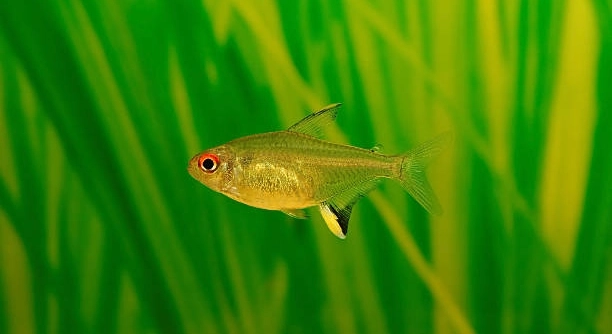
Do you ever watch your Lemon Tetras swim and notice one taking the lead in the group? Their behavior can be subtle, yet certain fish consistently guide the school with confidence and authority. Observing them closely reveals their traits.
A dominant Lemon Tetra leader exhibits clear behaviors that establish control over the group. These include assertive swimming patterns, priority access to food, confident positioning in the tank, and influencing the movement and cohesion of other fish.
Recognizing these characteristics can help you better understand your aquarium dynamics and promote a harmonious environment for all your fish.
Assertive Swimming Patterns
A dominant Lemon Tetra often takes the lead when swimming through the tank. It moves with purpose, confidently guiding the other fish and maintaining a clear path. These fish rarely hesitate, swimming directly toward food or preferred areas, and their movements influence the group’s direction. Other fish tend to follow, keeping the school organized around the leader. Observing these patterns helps identify which tetra naturally holds authority. Even subtle adjustments, like changing speed or position, show leadership. Over time, the assertive swimmer consistently asserts its presence, maintaining control without aggression. These behaviors are instinctive, shaped by social hierarchy and survival instincts. Leaders are usually calm yet firm, ensuring the school remains cohesive. Dominance is not about size alone; smaller tetras can also display strong leadership traits if they consistently guide and influence others. Recognizing these swimming behaviors is key for understanding interactions and maintaining harmony within your aquarium.
Leaders’ assertive swimming keeps the school structured, reducing conflicts and helping the group respond efficiently to tank changes.
Observing these patterns daily provides insight into the social balance of your tetras. A dominant fish often sets the pace, decides when to explore new areas, and ensures the group stays together. This predictability can make feeding times smoother, as the school naturally follows the leader, reducing stress and competition. Consistent observation allows you to notice changes in behavior, which might indicate health issues or environmental stressors. By supporting the leader’s natural tendencies, you maintain a stable tank dynamic and encourage positive interactions. Even minor adjustments, like rearranging decorations or monitoring water conditions, can affect the leader’s confidence. Understanding assertive swimming patterns not only highlights the leader but also helps you anticipate how the group will react during feeding, play, or new tank additions. This knowledge enhances your ability to provide a healthy and organized habitat for all your Lemon Tetras.
Priority Access to Food
A dominant Lemon Tetra usually eats first and ensures it gets the best portions. Other fish wait or eat more cautiously.
This behavior allows the leader to maintain energy and reinforce its status, signaling authority to the school consistently.
Ensuring proper feeding routines helps balance the tank and minimizes stress. Offering multiple feeding points can prevent competition and allow all fish to eat comfortably. Observing how the leader approaches food helps in adjusting quantities and timing. Dominant tetras may sometimes chase others away from favored spots, but this is natural hierarchy behavior rather than aggression. Recognizing these feeding patterns ensures healthier interactions and reduces tension. Supporting the leader’s priority can also encourage weaker fish to adapt to their roles, promoting harmony. Feeding times become predictable, making it easier to monitor the health and growth of each fish. By understanding the role of the leader during feeding, you can maintain a peaceful, well-functioning tank.
Confident Positioning
Dominant Lemon Tetras often choose central or higher positions in the tank. This placement allows them to observe the group and assert control, while other fish adapt around them naturally. Their position signals authority without the need for constant aggression.
Positioning within the tank is a key leadership trait. Leaders often occupy mid-water or higher areas, giving them a clear view of the environment and the group. This placement allows quick reactions to changes, such as new decorations or feeding. By holding these positions consistently, dominant tetras reinforce their role in the hierarchy. Other fish instinctively maintain a respectful distance, allowing the leader to guide movement and maintain school cohesion. Even subtle shifts, like moving closer to food or new hiding spots, demonstrate leadership through space management. The confidence in positioning helps prevent disputes and keeps the group organized. Maintaining this spatial awareness ensures the school reacts efficiently to daily changes, from feeding to exploration.
Confident positioning also affects social dynamics. The leader’s choice of spots encourages weaker fish to follow or stay alert, promoting order. Observing these tendencies allows you to see the natural structure of the school and understand which tetra exerts influence most effectively.
Influencing Group Movement
Dominant Lemon Tetras subtly guide the school’s direction, often initiating turns or leading exploration. Their movements shape the behavior of the group.
By consistently leading, these tetras create predictable patterns that the school follows. Other fish respond quickly to the leader’s pace and trajectory, allowing for organized swimming and reduced conflict. When the leader changes direction, the group adapts almost immediately, demonstrating the influence of a confident tetra. This influence extends to feeding, resting, and hiding behaviors, where the leader’s choices become reference points for others. Even minor adjustments, like moving to shaded areas or exploring new decorations, impact the entire school. Understanding how the leader directs movement helps in designing tank layouts and monitoring social balance. Recognizing these patterns also provides insight into which fish maintain authority and how hierarchy shifts may occur if the leader changes behavior or health status. Observing movement influence ensures a harmonious and well-regulated environment for all Lemon Tetras.
Maintaining Eye Contact
Dominant Lemon Tetras often observe other fish closely, keeping visual contact to monitor behavior. This attention helps them maintain their leadership and respond quickly to changes in the group.
Maintaining eye contact reinforces authority. Other fish notice the leader’s focus and adjust their actions accordingly, creating a stable social structure in the tank.
Rapid Response to Threats
Leaders react quickly to sudden movements, changes, or perceived threats. Their swift reactions help guide the group away from danger efficiently, maintaining safety and cohesion within the school.
Interaction with Tankmates
Dominant Lemon Tetras often engage in gentle nudges or brief chases to assert control. These interactions are consistent but rarely aggressive, helping define social hierarchy without harming the group.
Consistent Behavior Patterns
A strong leader shows predictable routines in swimming, feeding, and positioning. This consistency reassures the school and supports a balanced social structure, reducing conflicts and maintaining harmony in the tank.
How can I identify a dominant Lemon Tetra in my tank?
A dominant Lemon Tetra is usually the most confident and active fish in the group. It swims assertively, often leading the school, and positions itself in the middle or higher areas of the tank. These fish typically eat first during feeding times and maintain visual contact with other tetras to monitor their behavior. They may occasionally nudge or chase other fish to reinforce their authority, but this is generally not aggressive. Observing patterns over several days helps identify the leader, as dominance is consistent rather than random.
Why does my dominant Lemon Tetra eat first?
Priority access to food is a natural behavior for dominant tetras. By eating first, the leader maintains energy and asserts its status within the school. Other fish usually wait or eat more cautiously until the leader has taken its share. This behavior reduces conflicts because the hierarchy is clear, allowing the school to feed without constant competition. Offering multiple feeding points helps ensure all fish eat comfortably while respecting the leader’s position. Recognizing this pattern allows you to monitor health and growth of each tetra while supporting natural social structure.
Can a smaller Lemon Tetra become dominant?
Yes, size alone does not determine dominance. A smaller tetra can lead the group if it consistently exhibits confident swimming, assertive positioning, and control during feeding. Leadership is based on behavior and consistency rather than physical size. Observing interactions over time will show which fish the group naturally follows. A smaller, active tetra that maintains control of group movement and influences feeding or resting patterns can establish dominance just as effectively as a larger fish. Supporting its natural tendencies ensures a balanced and harmonious aquarium.
What does confident positioning mean for my tetras?
Confident positioning refers to where a dominant tetra chooses to swim or rest in the tank. Leaders often occupy central or higher areas, giving them a clear view of their surroundings and the group. This placement allows quick reactions to new objects, changes in water flow, or feeding. Other tetras respect this positioning, keeping a respectful distance, which reinforces the leader’s role. Even small movements or shifts in position communicate authority, helping maintain order and cohesion in the school. Monitoring positioning can reveal changes in social hierarchy or stress levels.
How does a leader influence group movement?
A dominant Lemon Tetra subtly guides the school’s direction. When the leader changes speed, turns, or explores new areas, other fish follow. This influence extends to feeding, resting, and hiding behaviors. The group quickly adapts to the leader’s choices, which reduces confusion and keeps the school organized. Understanding these movement patterns helps with tank management, including placement of decorations and feeding areas. Consistent observation also allows early detection of stress or illness if the leader’s guidance changes unexpectedly. Supporting natural group dynamics promotes a healthier, more balanced aquarium environment.
Are interactions between tetras always aggressive?
Interactions from a dominant tetra are usually gentle and brief. Nudges, minor chases, or blocking movements are ways to assert authority without causing harm. Aggressive behavior is rare in healthy, well-maintained tanks with proper space and resources. Observing these interactions over time shows the hierarchy and allows weaker fish to adapt to their roles. Ensuring enough hiding spots, feeding areas, and swimming space minimizes tension, allowing the leader to maintain authority naturally.
How important is consistency in a tetra leader?
Consistency in behavior is crucial for a dominant Lemon Tetra. Predictable routines in swimming, feeding, and positioning reassure the group and maintain a stable hierarchy. Inconsistent behavior can create stress or confusion, leading to disputes or disorganization. Monitoring daily activities helps identify the leader and supports a harmonious tank environment.
Can tank changes affect dominance?
Yes, changes in decorations, water flow, or group composition can temporarily shift dominance. Leaders may adjust positioning or assertiveness to maintain control. Observing responses to these changes helps ensure a smooth transition and prevents conflicts. Maintaining familiar routines and structure supports stability for all tetras.
How can I support a dominant Lemon Tetra without causing stress to others?
Provide multiple feeding points, enough hiding spots, and adequate swimming space. This allows the leader to maintain authority while ensuring other fish feel safe. Avoid sudden changes and observe interactions to balance the social dynamics. Supporting natural behavior reduces stress and encourages a healthy, cohesive school.
What signs indicate a leader is unwell or stressed?
A leader showing reduced activity, erratic swimming, or avoidance of group interaction may be unwell. Decreased appetite or abnormal positioning can also indicate stress. Early observation allows intervention with water quality checks, proper nutrition, and monitoring for disease, ensuring the leader and school remain healthy.
Observing Lemon Tetras in a well-maintained tank can be both calming and insightful. Over time, patterns of leadership emerge that are easy to notice once you understand the common traits of dominant fish. These leaders are not aggressive bullies but rather fish that exhibit confidence through behavior, positioning, and interaction with the group. They swim with purpose, take priority during feeding, and often guide the school’s direction. Understanding these behaviors helps you see how social structures naturally form among your tetras. Recognizing the dominant fish allows you to manage your tank in a way that supports harmony and reduces conflict. By observing without interference, you can appreciate the subtle ways a leader maintains order and how the group responds, which adds depth to the experience of keeping Lemon Tetras.
Supporting a dominant tetra does not require interference but rather careful attention to the tank environment. Providing enough space, hiding spots, and multiple feeding locations helps the leader maintain its role while ensuring that all fish have access to resources without stress. Tank layout and decoration can influence behavior, as leaders often choose central or higher positions to observe and guide the school. Consistent water quality, proper nutrition, and monitoring for signs of illness are essential in keeping both leaders and followers healthy. These steps create a stable environment where natural behaviors can emerge and be maintained. Watching the leader influence group movement or maintain visual contact with others highlights how hierarchy shapes daily life in the aquarium. Supporting these patterns leads to a more predictable and peaceful community of fish.
Finally, understanding the traits of a dominant Lemon Tetra can enhance the overall experience of keeping a school of these fish. Noticing assertive swimming, confident positioning, priority feeding, and interaction patterns provides insight into social balance and leadership dynamics. This knowledge allows for better management of feeding, tank layout, and health monitoring. It also helps reduce stress and conflict among the fish, promoting long-term well-being. Paying attention to these behaviors strengthens your ability to maintain a healthy and harmonious tank while appreciating the natural instincts and intelligence of your tetras. The subtle leadership displayed by the dominant fish can be fascinating, and observing it closely offers a greater understanding of how small groups of fish organize themselves. By supporting natural behaviors and maintaining a stable environment, you create a thriving aquarium where each Lemon Tetra can display its personality, contribute to the social order, and coexist peacefully with the others.

Hello,
If you enjoy the content that we create, please consider saying a "Thank You!" by leaving a tip.
Every little bit helps us continue crafting quality advice that supports the health, happiness, and well-being of pets around the world, for pets of all shapes, sizes, and species.
We really appreciate the kindness and support that you show us!