
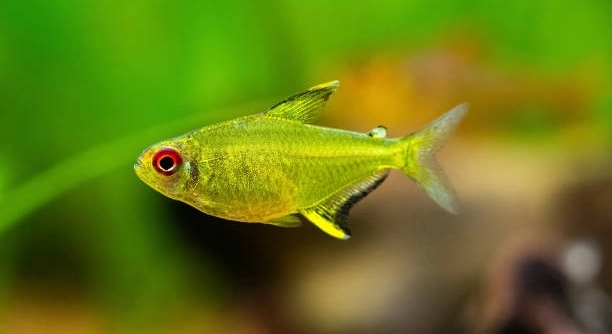
Lemon tetras are small, vibrant fish that often brighten any aquarium. Sometimes, however, they may appear uninterested or less active than usual. Observing these subtle changes can help maintain their health and overall wellbeing.
A lemon tetra may seem uninterested due to factors such as water quality, diet, tank environment, stress, illness, overcrowding, or lack of stimulation. Addressing each factor carefully ensures the fish regain normal behavior and remain healthy.
Recognizing these signs early allows for timely adjustments and keeps your aquarium balanced and enjoyable for your tetras.
Water Quality Issues
Poor water quality can greatly affect your lemon tetras’ behavior. High levels of ammonia, nitrites, or nitrates can make them lethargic or uninterested in swimming. Even minor fluctuations in pH or temperature can cause stress. Maintaining clean, stable water is essential for their activity levels. Regular testing, partial water changes, and removing uneaten food prevent toxins from building up. Filter maintenance is equally important, as a clogged or ineffective filter can reduce oxygen levels and increase waste accumulation. Over time, consistent water care helps tetras feel secure and energetic, allowing them to swim freely and interact naturally. Observing their behavior in response to water changes can indicate whether their environment supports their health.
Routine testing and small water adjustments can quickly improve your fish’s behavior and overall health.
Consistently clean and balanced water creates an environment where lemon tetras can thrive. Stable conditions reduce stress, encourage natural swimming patterns, and prevent illness. Even small changes in water parameters, like a slight rise in temperature or shift in pH, can impact their energy. Monitoring water closely ensures the tank remains a healthy space for your fish to explore and interact without signs of distress.
Inadequate Diet
A poor diet can make lemon tetras appear uninterested and sluggish. Feeding a mix of high-quality flakes, frozen, and live foods keeps them healthy and active.
Varied nutrition provides essential vitamins and proteins for energy and vibrant coloration.
Lemon tetras need a balanced diet to maintain vitality and prevent health issues. Overfeeding can lead to obesity and poor water quality, while underfeeding deprives them of necessary nutrients. Including live foods such as brine shrimp or daphnia stimulates their natural hunting instincts, encouraging movement and engagement. Frozen options like bloodworms offer variety and help mimic a natural diet. Observing your tetras during feeding can indicate if they are receiving enough food and if the diet supports their activity levels. Small adjustments in feeding routines or portion sizes can make a noticeable difference in their behavior and overall health, helping them regain curiosity and energy in the tank.
Stress From Tank Mates
Aggressive or overly active fish can make lemon tetras hide or stay still. Even minor bullying or competition for food can reduce their activity and cause them to appear uninterested.
Stress affects their energy and willingness to explore. Tetras are schooling fish and feel safest in groups of six or more. Keeping them with peaceful tank mates prevents constant fear and allows natural swimming behaviors. Observation is key—watch for chasing, nipping, or hiding. Rearranging the tank or separating aggressive fish can reduce tension. Over time, calmer surroundings restore energy and social interaction.
Reducing stress also supports immune health. Continuous exposure to aggressive tank mates may lead to illness or stunted growth. Creating a calm, balanced environment ensures tetras remain active, curious, and healthy in their habitat.
Illness or Parasites
Lemon tetras that suddenly become uninterested may be showing early signs of illness or parasites. Symptoms include clamped fins, faded color, or slow movement.
Monitoring behavior daily helps catch problems before they worsen. Quarantining new fish, maintaining clean water, and observing for physical changes reduces the risk of infection. Treatments vary depending on the condition, but early action prevents serious complications and supports recovery.
Common issues include ich, bacterial infections, or internal parasites. Ich appears as small white spots and causes scratching, while bacterial infections can lead to fin rot or lethargy. Internal parasites may cause weight loss or poor appetite. Observing closely and providing proper medication or dietary support ensures tetras regain vitality. Healthy fish swim confidently, interact with their group, and maintain bright coloration, signaling overall wellbeing and comfort in their environment.
Overcrowding
Too many fish in a tank limits swimming space and causes stress. Lemon tetras may stay in corners or avoid moving, appearing uninterested.
Overcrowding also worsens water quality and increases competition for food. Maintaining appropriate stocking levels keeps fish healthy and active.
Lack of Stimulation
A bare or simple tank can make lemon tetras inactive. Plants, decorations, and hiding spots encourage exploration and natural behaviors.
Adding elements that mimic their natural habitat, like floating plants or small caves, provides mental stimulation. Movement and interaction increase, keeping them engaged and lively.
Temperature Fluctuations
Sudden changes in water temperature can slow metabolism and activity in lemon tetras. Stable temperatures support normal behavior and energy.
Maintaining the correct temperature range, using a reliable heater, and monitoring daily ensures a comfortable environment for consistent swimming and overall wellbeing.
FAQ
Why does my lemon tetra seem uninterested all the time?
Lemon tetras can appear uninterested for several reasons, including stress, poor water quality, inadequate diet, illness, or lack of stimulation. Observing their environment and behavior can help pinpoint the cause. Addressing each factor ensures your fish regain normal activity and curiosity.
How can I tell if stress is affecting my lemon tetra?
Stress signs include hiding, clamped fins, fading color, or erratic swimming. Stress often occurs from aggressive tank mates, overcrowding, or sudden changes in water parameters. Providing a calm environment and stable water conditions helps your fish feel secure and encourages natural behavior.
What is the best diet to keep my lemon tetra active?
A varied diet with high-quality flakes, frozen foods, and occasional live food keeps tetras healthy. Live or frozen foods like brine shrimp, daphnia, and bloodworms stimulate natural hunting instincts, while flakes provide balanced nutrition for energy, growth, and vibrant coloration.
How often should I test my aquarium water?
Testing water at least once a week is ideal. Monitor ammonia, nitrite, nitrate, and pH levels to ensure they remain stable. Frequent testing helps prevent issues before they affect your fish, keeping them active and healthy in a safe environment.
Can overcrowding make my tetras uninterested?
Yes. Overcrowding increases stress, reduces swimming space, and heightens competition for food. Maintaining proper stocking levels allows tetras to move freely, interact socially, and remain active, supporting overall wellbeing and normal behavior patterns.
Do lemon tetras need plants and decorations in their tank?
Yes. Plants, hiding spots, and decorations provide stimulation and mimic their natural habitat. This encourages exploration, natural swimming, and interaction within the group. Bare tanks often lead to inactivity and boredom. Including elements like floating plants or small caves benefits both mental and physical health.
Could illness or parasites be the reason my tetras are inactive?
Illnesses such as ich, bacterial infections, or internal parasites can cause lethargy. Watch for clamped fins, faded color, or weight loss. Early detection and proper treatment, including medication or dietary support, help your tetras regain energy and maintain vitality.
How does temperature affect my lemon tetras’ behavior?
Temperature fluctuations can slow metabolism and reduce activity. Lemon tetras thrive in stable water between 72°F and 78°F. Using a reliable heater and monitoring temperature daily ensures they remain comfortable and energetic, supporting natural swimming patterns.
What should I do if my tetras are still uninterested after changes?
If behavior does not improve, consider quarantining new or sick fish and reviewing water quality, diet, and tank setup. Sometimes multiple factors combine, and gradual adjustments may be needed. Observing closely and making small, consistent changes helps restore normal activity levels.
Is it normal for lemon tetras to hide sometimes?
Yes. Lemon tetras naturally seek shelter when resting or feeling insecure. However, prolonged hiding combined with inactivity may indicate stress, illness, or poor tank conditions. Providing hiding spots, a stable environment, and monitoring their behavior ensures they remain healthy and engaged.
Can lighting affect their activity?
Lighting impacts their daily rhythm. Too bright or inconsistent lighting can stress tetras, while a natural day-night cycle encourages normal swimming and interaction. Use moderate lighting and maintain a regular schedule to support energy and natural behavior.
How can I encourage more activity in my tetras?
Offering varied food, rearranging tank decorations, maintaining clean water, and keeping compatible tank mates encourages movement. Observing their reactions to changes helps you understand what stimulates them and promotes a lively, healthy aquarium environment.
This FAQ covers the common questions about lemon tetras appearing uninterested, offering practical advice to improve their activity, health, and overall comfort in the aquarium.
Lemon tetras are small, delicate fish that bring color and life to any aquarium. When they appear uninterested or inactive, it is often a sign that something in their environment needs attention. Observing their behavior closely can reveal subtle changes that indicate stress, illness, or poor water conditions. Understanding these signs allows you to act promptly, which helps prevent further complications and supports their overall wellbeing. Even minor adjustments, such as improving water quality or adding hiding spots, can make a noticeable difference in how energetic and engaged they appear. Being proactive about their care ensures they thrive and display the natural curiosity and movement typical of healthy tetras.
Maintaining stable water conditions is one of the most important steps to keeping lemon tetras active and healthy. Regular testing for ammonia, nitrites, nitrates, and pH levels ensures that the tank environment remains safe. Overcrowding or aggressive tank mates can cause stress, leading to inactivity, so it is essential to plan the number and types of fish in the tank carefully. Providing a balanced diet that includes high-quality flakes, frozen, or live foods supports their nutrition and encourages natural behaviors like hunting and exploring. Even small improvements, such as rearranging plants or decorations, can stimulate curiosity and interaction among your tetras, making the aquarium a more dynamic and engaging environment. Consistency in care, feeding, and observation creates a predictable and secure space where lemon tetras can feel safe and active.
Monitoring your fish for early signs of illness or parasites is equally important. Changes in color, clamped fins, slow movement, or loss of appetite can indicate underlying problems that need attention. Quarantining new fish, maintaining clean water, and treating illnesses promptly helps prevent the spread of infection and supports recovery. Temperature stability and proper lighting also play a key role in their activity levels. Providing moderate light and a consistent day-night cycle encourages normal swimming patterns and reduces stress. By paying attention to these details and maintaining a well-balanced tank, you create a healthy environment where lemon tetras can thrive. Over time, these efforts ensure that your fish are not only visually vibrant but also active, curious, and engaged, reflecting the care and attention you put into maintaining their home.

Hello,
If you enjoy the content that we create, please consider saying a "Thank You!" by leaving a tip.
Every little bit helps us continue crafting quality advice that supports the health, happiness, and well-being of pets around the world, for pets of all shapes, sizes, and species.
We really appreciate the kindness and support that you show us!