
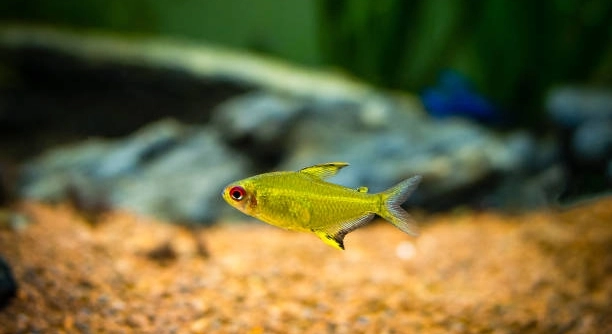
Do your lemon tetras often gather in one corner of the tank, ignoring other areas? Observing this behavior can be puzzling, especially when everything else in the aquarium appears normal and healthy. It can feel unusual yet familiar.
Lemon tetras often pick the same spot due to a combination of environmental preference, social behavior, and territorial instincts. They are attracted to areas with ideal light, water flow, hiding spaces, and familiar surroundings, which promote security and comfort.
Understanding why these fish favor certain areas can help you improve their habitat. Small changes to lighting, plants, or tank layout may influence their behavior effectively.
Understanding Spot Preference
Lemon tetras often choose a favorite spot because it offers a combination of comfort and security. In many cases, this spot provides the right balance of light and shade, giving the fish a sense of safety. Plants, rocks, or decorations create hiding spaces that allow them to feel protected from perceived threats. Water flow is another factor; some areas have gentler currents that are easier for tetras to navigate. Social dynamics also influence their choice, as they may follow each other to establish a shared area. Repeatedly visiting the same spot can also indicate territory or habitual behavior. Observing them over time reveals patterns linked to comfort, feeding areas, or interactions with other fish. Tank layout and consistent environmental conditions contribute to this preference. Recognizing these patterns helps maintain a healthy and balanced tank, reducing stress for your fish. Adjusting the environment slightly can encourage exploration.
Consistency in tank setup reassures lemon tetras, helping them feel secure and stable in their environment.
Maintaining their comfort requires careful observation. Temperature and water quality directly affect behavior. Lemon tetras prefer slightly shaded areas, moderate currents, and spaces with cover. Decorations should not overcrowd the tank but provide enough hiding spots. Observing social interactions is crucial, as dominant or shy individuals may choose different spots. Food placement influences where they spend time, with areas near feeding points often becoming favored locations. Over time, consistent conditions reinforce their preference for the same spot. Sudden changes, like adding bright lights or rearranging decorations, can disrupt this pattern. Understanding their environment allows you to create a habitat that meets their natural needs. Minor adjustments in tank layout or lighting can encourage activity in other areas, promoting overall health. Recognizing these behaviors ensures the tetras remain comfortable while allowing you to manage the tank effectively and keep the fish thriving.
Encouraging Exploration
Changing minor environmental factors can help lemon tetras explore new areas of the tank.
Gradual adjustments, such as rearranging plants or slightly altering water flow, motivate them to venture beyond their favorite spot.
Introducing variation in feeding locations and adding subtle decorations can stimulate curiosity and movement. Lemon tetras respond to gentle changes better than abrupt shifts, which can cause stress. By observing their reactions, you can identify which spots feel safe and which encourage exploration. Consistent water parameters, like temperature and pH, are essential while making these changes. Over time, they may develop new favorite areas without abandoning their original preferences. Adjusting light intensity and current flow strategically can also guide them to new parts of the tank. Encouraging exploration not only diversifies their activity but also improves their physical and mental health. Monitoring their behavior during these adjustments ensures they remain comfortable while gradually expanding their territory. This approach balances safety with gentle stimulation, allowing your tetras to thrive in a dynamic and engaging environment.
Tank Layout and Environment
Tank decorations and plant placement play a large role in where lemon tetras spend their time. They prefer areas with some cover, gentle water flow, and consistent lighting. Open spaces without hiding spots are usually avoided, as they feel exposed and insecure.
Adjusting the layout can influence their behavior. Lemon tetras are drawn to sections that feel secure and stable. Dense plants, driftwood, and smooth rocks offer protection and resting spots. Uneven lighting creates shaded areas that tetras favor. Open areas without shelter tend to be ignored. Water flow matters as well; too strong a current can push them toward calmer corners. Positioning feeding areas near safe spots encourages natural activity patterns. Observing their movement helps identify which areas are most comfortable. Maintaining consistent water temperature, pH, and filtration ensures the environment remains inviting. Gradual changes prevent stress and encourage them to explore new areas.
Their favorite spot often reflects the overall balance of the tank. Tetras seek locations that combine security, easy access to food, and suitable water flow. Even small shifts in decoration or lighting can affect which areas they choose. By observing these preferences, it becomes easier to create a harmonious environment. Proper plant density and hiding spaces allow them to rest, explore, and interact safely. Subtle adjustments, like moving a small decoration or slightly changing light intensity, can redirect their attention without causing stress. Over time, their chosen spots reflect the tank’s layout, social dynamics, and environmental comfort. Maintaining this balance supports healthy behavior and reduces territorial disputes.
Social Behavior and Group Dynamics
Lemon tetras are naturally social, and their interactions influence where they gather. Groups often stick together in areas that feel safest.
The location they prefer is often linked to hierarchy and safety within the school. Dominant individuals may occupy prime spots, while others follow or settle nearby. Schooling behavior encourages cohesion, with fish moving as a group and mimicking each other’s choices. When one tetra selects a secure corner, others often join, reinforcing the spot as a communal area. Social interactions determine which areas are used for resting, feeding, or avoiding stress. Dispersed or new additions may explore other areas until they integrate fully. The group’s collective movement can indicate tank health and comfort. Watching these patterns helps manage both social balance and tank layout.
Group size and composition affect spot preference. In a small school, dominant tetras more strongly dictate the area. In larger groups, multiple safe zones may form to accommodate shy or less dominant individuals. Their interactions influence swimming patterns, feeding behavior, and resting areas. Observing which fish lead and which follow provides insight into the social structure. Providing enough hiding spots ensures all members feel secure, reducing tension. Lighting, water flow, and decoration density also interact with social behavior, influencing which spots become popular. Gradual changes help maintain harmony while encouraging exploration. By understanding these dynamics, it is possible to create an environment that supports both individual comfort and group cohesion.
Feeding Habits and Spot Selection
Lemon tetras often pick spots near feeding areas because it offers easy access to food. They feel secure resting close to where meals appear. This behavior helps them conserve energy while staying alert for potential threats.
Regular feeding routines reinforce their preference for certain areas. Repeatedly placing food in the same location creates an association between that spot and nourishment. Tetras quickly learn which parts of the tank provide reliable access to meals. Over time, these areas become favored resting and gathering spots. Feeding patterns also influence group movement, as more timid individuals follow bolder fish to food sources. Even minor changes in feeding locations can shift their preferred spots gradually, encouraging exploration while maintaining comfort. Maintaining a consistent feeding schedule helps minimize stress and supports healthy behavior.
Environmental Stress Factors
Sudden changes in temperature, lighting, or water quality can push lemon tetras to retreat to familiar spots.
These stress factors make them seek shelter in areas they already trust. Stability in the environment reduces anxiety and supports their overall well-being.
Encouraging Healthy Movement
Creating a variety of hiding spots and moderate water flow can motivate lemon tetras to explore more areas.
Balancing comfort and stimulation ensures they remain active while still having secure zones for resting.
FAQ
Why do lemon tetras keep picking the same spot in the tank?
Lemon tetras favor spots that provide comfort, security, and familiarity. They are attracted to areas with gentle water flow, shading, and adequate hiding spaces. Social behavior also plays a role, as fish often mimic each other’s choices. Repeatedly choosing the same spot is a natural combination of environmental preference and habit.
Is it normal for lemon tetras to stay in one corner most of the time?
Yes, it is common behavior. Staying in one area helps them feel safe, especially in sections with cover or near familiar decorations. They will move occasionally for feeding or exploration but generally return to their preferred zone. Consistency in their environment reinforces this behavior.
Can their favorite spot indicate stress?
Sometimes. If a tetra suddenly isolates itself or stays in one area without moving, it may be stressed due to changes in temperature, water quality, or aggressive tankmates. Observing water parameters, social interactions, and tank layout can help determine if stress is the cause.
Will rearranging the tank make them explore new areas?
Yes, but changes should be gradual. Adding new decorations, adjusting lighting, or altering plant placement can encourage exploration. Abrupt shifts can cause stress, so subtle adjustments are most effective. Fish often return to their favorite spot until they feel comfortable with the new layout.
Does group size affect their behavior?
Absolutely. In larger schools, multiple safe zones may develop to accommodate shy or subordinate fish. Smaller groups tend to concentrate in the same area, influenced by dominant individuals. Social dynamics strongly determine which spots are preferred, as tetras follow each other for safety and cohesion.
How does feeding location influence their chosen spot?
Feeding patterns are a major factor. Tetras often gather near reliable food sources. Regularly placing food in the same area creates a strong association, making it a favored resting and gathering spot. Adjusting feeding positions gradually can encourage activity in other areas without causing stress.
Do decorations and plants affect spot preference?
Yes, the type and placement of plants and decorations guide behavior. Dense plants, rocks, and driftwood offer shelter and reduce perceived threats. Open spaces without cover are usually avoided. Strategic arrangement of decorations can promote exploration while maintaining a secure environment.
Can water flow change their preferred area?
Water flow is critical. Lemon tetras favor areas with gentle currents. Strong currents may push them toward calmer corners, which then become their preferred resting or swimming zones. Adjusting flow carefully can influence movement patterns without creating stress.
How important is lighting in their spot selection?
Lighting plays a major role. Tetras prefer moderate light and areas with shading. Brightly lit sections may feel exposed and unsafe, while shaded zones provide security. Creating a balance of light and shade allows them to choose comfortable areas and encourages natural behavior.
Is it necessary to monitor social interactions constantly?
Observing interactions is helpful. Dominant fish may claim prime spots, while shy fish occupy secondary areas. Monitoring behavior ensures that no individual is stressed or excluded. Proper hiding spots and space for all members maintain harmony and reduce aggressive encounters.
How can I encourage healthy movement without causing stress?
Introduce subtle environmental changes, such as moving small decorations, altering light intensity, or slightly adjusting water flow. Varying feeding locations also motivates activity. Gradual adjustments allow tetras to explore new areas while maintaining their sense of security.
Can favorite spots affect their overall health?
Yes. Remaining in one area is safe, but lack of movement may lead to reduced activity and physical fitness. Encouraging exploration supports both mental and physical health while respecting their natural preference for secure zones.
What signs show they are comfortable in their chosen spot?
Relaxed swimming, regular schooling, and active feeding are signs of comfort. Tetras often rest calmly among plants or near decorations, and they return to these spots consistently. Stress indicators include hiding excessively, erratic swimming, or avoiding feeding areas.
Does tank size influence spot selection?
Tank size matters. In smaller tanks, spots may become crowded, influencing social hierarchy and movement. Larger tanks provide multiple areas for resting and exploration, reducing tension and allowing individual fish to select preferred zones. Proper design ensures comfort for all fish.
Are favorite spots permanent?
Not necessarily. Over time, tetras may shift their preferences due to growth, changes in group dynamics, or modifications in the tank environment. Gradual shifts are normal and reflect adaptation rather than stress. Providing stability while allowing minor variations supports healthy behavior and natural patterns.
How often should I adjust the tank to encourage exploration?
Adjustments should be infrequent and subtle. Too many changes can cause stress. Minor shifts in decorations, plants, or feeding positions every few weeks are usually sufficient to promote exploration without disrupting their comfort. Observing reactions ensures that changes are beneficial.
Can water quality issues make them stick to one spot?
Poor water conditions often cause fish to seek refuge. High ammonia, nitrite levels, or sudden pH changes may make tetras retreat to familiar areas. Regular water testing and maintenance prevent stress-related behavior and encourage natural movement throughout the tank.
Do temperature fluctuations affect their preferred spot?
Yes, tetras are sensitive to temperature changes. They may gather in areas with the most stable and comfortable conditions. Maintaining consistent temperature reduces stress and supports normal behavior, including movement and schooling patterns.
Can adding tankmates influence their favorite spot?
Introducing new fish can shift their preferred location. They may move to safer zones to avoid conflict or establish new territories. Observing social behavior after adding tankmates ensures that all fish feel secure and reduces stress-induced spot fixation.
Is it normal for lemon tetras to return to the same spot after exploring?
Yes, returning to a familiar area is natural. Even after exploring, they often come back to safe zones that offer comfort, shelter, and stable environmental conditions. This behavior reflects a balance between curiosity and security in their daily routine.
Can stress-free exploration improve their health?
Encouraging exploration while maintaining secure areas promotes mental stimulation and physical activity. Gradual environmental adjustments and varied feeding locations support overall well-being, allowing tetras to develop natural behaviors without compromising safety.
Lemon tetras are small, active fish with distinct habits that make them interesting to observe. One of the most noticeable behaviors is their tendency to return to the same spot in the tank repeatedly. This behavior is influenced by several factors, including environmental comfort, social dynamics, and feeding patterns. A secure area with gentle water flow, adequate hiding spots, and moderate lighting tends to become their favorite resting and gathering place. Plants, rocks, and decorations play an important role in providing this sense of safety. Over time, these familiar areas become associated with stability and comfort, helping the fish feel more confident in their surroundings. Understanding why they choose a particular spot can help maintain a balanced environment that supports their natural behavior and overall well-being.
Social interactions within the school are another key factor influencing their chosen spot. Lemon tetras are schooling fish, meaning they rely on group cohesion for security. Dominant fish may take prime locations, while shy or subordinate members occupy secondary areas nearby. This social hierarchy often determines which areas of the tank are used most frequently. When one fish finds a spot that offers security and easy access to food, others tend to follow, reinforcing the area as a common gathering point. Observing these social behaviors provides insight into the group’s dynamics and helps in making adjustments to the tank layout if necessary. Ensuring that there are enough hiding spots and sufficient space for all members helps maintain harmony and reduces stress, allowing the fish to move freely without feeling threatened.
Maintaining a comfortable and stable environment encourages both security and activity. Gradual adjustments, such as rearranging decorations, changing lighting levels, or varying the placement of food, can motivate lemon tetras to explore other areas without causing stress. It is important to keep water quality, temperature, and pH stable, as sudden changes can lead the fish to retreat to their preferred spots for safety. Encouraging exploration supports physical health and mental stimulation, while still respecting their need for secure resting zones. By observing their behavior and making thoughtful adjustments, it is possible to create a tank environment that balances safety, activity, and social harmony. This understanding ensures that lemon tetras remain healthy, confident, and engaged in their habitat, displaying natural behaviors that are both predictable and fascinating to watch.

Hello,
If you enjoy the content that we create, please consider saying a "Thank You!" by leaving a tip.
Every little bit helps us continue crafting quality advice that supports the health, happiness, and well-being of pets around the world, for pets of all shapes, sizes, and species.
We really appreciate the kindness and support that you show us!