
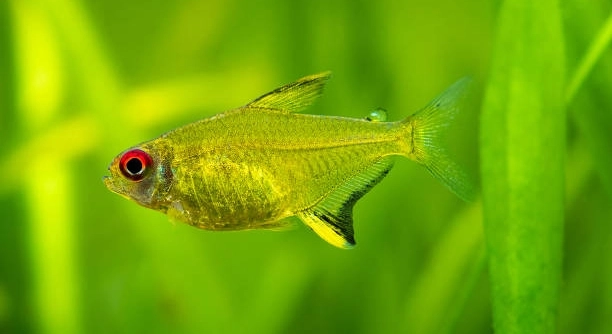
Lemon tetras are small, vibrant fish that often catch the attention of aquarium enthusiasts. Watching them swim together in a tank can be calming, and their behavior sometimes hints at a sense of awareness within their environment.
Lemon tetras can recognize and adjust to regular tank routines. They respond to feeding schedules, lighting changes, and familiar handling patterns, showing consistent behaviors that suggest an understanding of predictable daily events within their aquatic habitat.
Observing their reactions over time provides insights into their habits and helps improve tank care and management for healthier, more comfortable fish.
How Lemon Tetras React to Tank Schedules
Lemon tetras often follow a rhythm in their tank. They notice when lights turn on or off and can anticipate feeding times. Many aquarists observe that these fish swim closer to the front of the tank when they expect food. This reaction suggests they recognize patterns in their environment. Their behavior changes slightly depending on the day and the consistency of care. When water changes occur at regular times, lemon tetras seem less stressed and adapt more easily. They may hide less and swim more actively when conditions are predictable. Even minor shifts, like moving decorations or rearranging plants, can initially confuse them. However, they adjust over time, showing they can learn and adapt to repeated routines. Their social interactions also follow a schedule, as they often swim together at certain times of day. Understanding these patterns can make tank management smoother and improve the fish’s overall well-being.
Regular routines help lemon tetras stay calm and healthy, reducing stress from unexpected changes.
Consistency in feeding, lighting, and maintenance allows these fish to thrive. Predictable schedules encourage active swimming, social interaction, and better overall health, making their tank a more stable environment.
Feeding Patterns and Recognition
Lemon tetras quickly associate mealtime with specific signals.
Over weeks of consistent care, lemon tetras begin to recognize cues like the rustling of food packets, the sight of fingers near the tank, or movements around the aquarium. They often gather near feeding areas at the same time each day. Fish that experience irregular feeding schedules may show signs of stress, such as decreased activity or hiding. A predictable routine reinforces their sense of security and encourages natural behaviors like schooling and foraging. Observing these patterns can reveal the intelligence and adaptability of lemon tetras, as they adjust to small variations in timing and respond to repeated signals. By maintaining regular feeding intervals and minimizing sudden changes in their environment, aquarists can help lemon tetras feel secure, reduce aggression, and maintain a healthier tank ecosystem. Monitoring their behavior over time also provides clues about their health, appetite, and social dynamics, ensuring that their daily needs are met efficiently.
Signs Lemon Tetras Notice Routine
Lemon tetras often show clear signs of recognizing their tank routine. They swim actively at feeding times, gather near familiar areas, and respond to lighting changes consistently, reflecting awareness of predictable patterns in their environment.
Over time, lemon tetras begin to anticipate daily events. They often swim closer to the surface when they sense food is coming or follow familiar paths around decorations. Changes in lighting or maintenance schedules can temporarily alter their behavior, but they quickly return to normal once consistency is restored. Their reactions demonstrate memory and adaptation to repeated daily cues.
These fish also adjust their social behavior based on routine. During consistent feeding or cleaning schedules, they school more confidently and interact more naturally. They may become more active or less stressed when conditions remain predictable. Understanding these behavioral signs helps maintain a calm, healthy tank environment while supporting their natural instincts and social habits.
Impact of Routine on Health
Consistent routines in the tank contribute directly to lemon tetra health and stress levels.
Predictable feeding, lighting, and cleaning schedules reduce stress and encourage active swimming and natural behavior. Lemon tetras become more confident and maintain better social interactions. Irregular patterns can lead to hiding, lethargy, or decreased appetite, signaling that their environment needs adjustment.
Stress from inconsistent routines may weaken immunity and make fish more susceptible to illness. Lemon tetras thrive when they can predict events, allowing them to allocate energy toward swimming, exploring, and interacting rather than coping with sudden changes. Regular observations of their behavior and reactions can guide tank care adjustments. Monitoring feeding response, activity levels, and schooling behavior provides insight into overall well-being. By maintaining structure, aquarists support both physical health and behavioral stability, ensuring lemon tetras remain active, alert, and healthy in their aquarium.
Routine and Stress Levels
Lemon tetras show lower stress when their tank follows a consistent schedule. Regular feeding, lighting, and maintenance allow them to feel secure and confident in their environment, minimizing hiding and erratic swimming behaviors.
Unexpected changes, such as sudden water temperature shifts or irregular feeding times, can increase stress. Consistency helps the fish adapt quickly and maintain normal activity, keeping their immune system strong and behavior predictable.
Observation and Adjustment
Watching lemon tetras closely reveals how they respond to daily patterns. Subtle changes in swimming, schooling, or feeding behavior indicate how well they recognize routine. Adjustments to timing or environment should be gradual to avoid stress.
Environmental Cues
Lighting, decorations, and water movement serve as cues for lemon tetras. They learn to associate these environmental signals with feeding times and daily activity, helping them anticipate changes and behave predictably within the tank.
FAQ
Do lemon tetras notice when I feed them at the same time every day?
Yes, lemon tetras quickly learn feeding schedules. They swim toward the feeding area around the same time each day, often anticipating food. Regular timing helps reduce stress and encourages active behavior, making them more responsive and social in the tank.
Can lemon tetras get stressed if the tank routine changes suddenly?
Sudden changes, such as moving decorations, changing water temperature, or irregular feeding, can cause stress. They may hide more, swim erratically, or show decreased activity. Maintaining a predictable routine allows them to feel secure and reduces potential health issues caused by stress.
How long does it take for lemon tetras to adjust to a new schedule?
Adjustment depends on the fish and the extent of the change. Minor changes like slightly different feeding times may take a few days, while bigger alterations like lighting shifts or water changes can take a week or more for full adaptation.
Do lemon tetras react to my presence around the tank?
Yes, lemon tetras often recognize movement around the tank. They may swim closer when familiar people approach, especially if associated with feeding. This behavior indicates memory and the ability to link environmental cues with expected events.
Is it necessary to feed them at exactly the same time every day?
While exact timing is not strictly necessary, consistency is beneficial. Feeding at roughly the same times creates a predictable environment, encouraging natural behavior and reducing stress. Fish will adapt more easily to routine schedules than irregular feeding.
Do environmental cues, like lighting, affect their routine?
Absolutely. Lemon tetras associate lighting changes with activity periods. Turning lights on and off consistently helps them anticipate feeding or resting times, promoting normal swimming patterns and reducing stress from unexpected changes.
Can lemon tetras remember tank routines over long periods?
Yes, they demonstrate memory for repeated daily events. They remember feeding times, social interactions, and environmental changes. This ability helps them respond predictably, stay active, and maintain health over weeks or months.
How can I tell if they are stressed from routine changes?
Signs of stress include hiding, lethargy, decreased appetite, or erratic swimming. Observing their behavior closely after changes allows you to adjust the environment gradually and restore a predictable routine to reduce stress.
Do lemon tetras react differently on weekends or days when schedules shift?
Even small variations can affect their behavior temporarily. They may hesitate near the feeding area or swim cautiously. Returning to a consistent routine quickly helps them regain normal activity and social behavior.
Are there benefits to keeping their routine predictable beyond feeding?
Yes, consistency in lighting, tank maintenance, and social structure all contribute to lower stress levels, stronger immune responses, and more active swimming. Predictable routines encourage natural behaviors like schooling, exploring, and foraging, promoting overall well-being.
Can I train lemon tetras to respond to signals like tapping the tank or waving?
They can associate signals with events like feeding, showing memory and learning ability. Consistent repetition helps them recognize cues, and they may swim toward the source in anticipation, reflecting their adaptability and recognition of routine events.
Does tank size or decoration affect how they recognize routines?
Yes, the layout of decorations, hiding spots, and open swimming areas influences how they learn and follow routines. Familiar environments help them anticipate feeding and navigate comfortably, while frequent changes may slow adaptation or increase stress.
How do group dynamics influence recognition of tank routines?
Lemon tetras are schooling fish, and social behavior affects their routine awareness. Fish often follow the actions of others during feeding or activity periods. A well-adjusted group reinforces patterns, helping all individuals maintain predictable behavior and reduce stress.
Are younger tetras slower to recognize routines than older fish?
Younger fish may take slightly longer to learn schedules and environmental cues. Older fish show more consistent recognition of patterns due to experience and repeated exposure, but with regular care, all ages can adapt to predictable routines.
Can irregular water changes affect their understanding of routines?
Yes, unpredictable water changes can disrupt their sense of stability, causing stress or hiding behavior. Performing maintenance at consistent intervals helps lemon tetras maintain normal activity, respond to feeding cues, and keep their health stable.
Do lemon tetras show excitement or anticipation when routine events approach?
Yes, they often gather near feeding areas, swim actively, or adjust their position in the tank when predictable events are near. This behavior demonstrates memory and a natural response to repeated daily schedules, reinforcing the importance of consistency.
How precise do I need to be with lighting schedules for them?
Consistency is more important than exact timing. Regular day-night cycles support predictable behavior, natural rest periods, and reduced stress. Sudden lighting changes can temporarily confuse them, but stable routines allow them to adapt and maintain normal activity.
Will they forget a routine if it is interrupted for a week?
A short interruption may cause temporary adjustment, but lemon tetras generally remember established patterns. Returning to consistent routines helps them quickly resume normal behavior, feeding anticipation, and social interactions, demonstrating their adaptability and memory retention.
Do seasonal changes affect their recognition of tank routines?
Seasonal changes in room temperature, daylight, or household activity may slightly affect behavior. Maintaining consistent tank conditions minimizes disruption, allowing lemon tetras to follow familiar routines without significant stress or behavioral changes.
How important is routine for their long-term health?
Routine supports physical and mental well-being. Predictable feeding, lighting, and maintenance reduce stress, encourage natural swimming and social behavior, and promote overall vitality. Consistent care ensures lemon tetras remain active, healthy, and resilient, highlighting the value of structured daily patterns in their tank environment.
Final Thoughts
Lemon tetras are small, active fish that respond strongly to routine. Observing them over time makes it clear that they notice repeated patterns in their tank. They swim differently when feeding is approaching, gather in certain areas, and react to changes in lighting. These behaviors show that even simple fish can recognize consistency in their environment. Following a predictable schedule for feeding, lighting, and maintenance helps them feel secure. When conditions are reliable, lemon tetras are more relaxed, swim confidently, and interact naturally with other fish in the tank. Stress is reduced, and their overall behavior appears more stable, which is beneficial for both their health and the enjoyment of keeping them.
Maintaining a routine also supports their physical well-being. Lemon tetras thrive when they can anticipate daily events, as it allows them to conserve energy and focus on natural behaviors like swimming, foraging, and schooling. Inconsistent schedules, sudden changes in lighting, or irregular feeding can cause them to hide or become less active. Over time, stress from these disruptions may impact their immunity and make them more prone to illness. By keeping a consistent routine, caretakers help lemon tetras remain healthy and active. Even minor actions, like feeding at roughly the same times or performing water changes regularly, create a sense of predictability. This stability allows the fish to develop habits and routines within their small environment, which makes their behavior easier to understand and care for.
Consistency also strengthens the bond between fish and their environment. Lemon tetras begin to associate signals, such as movement near the tank or the sound of food containers, with events like feeding. This shows that they learn from experience and can adapt to predictable cues. Over time, aquarists notice patterns in schooling, resting, and feeding behavior that correspond to the daily routine they maintain. Observing these changes makes it easier to monitor their health, recognize potential stress, and provide a stable habitat. Overall, understanding how lemon tetras respond to routine emphasizes the importance of consistency in aquarium care. Regular schedules and attention to environmental cues create a supportive space for the fish, encouraging natural behavior, minimizing stress, and promoting long-term health. With careful observation and consistent care, lemon tetras can live comfortably, showing lively behavior and maintaining their characteristic social interactions.

Hello,
If you enjoy the content that we create, please consider saying a "Thank You!" by leaving a tip.
Every little bit helps us continue crafting quality advice that supports the health, happiness, and well-being of pets around the world, for pets of all shapes, sizes, and species.
We really appreciate the kindness and support that you show us!