
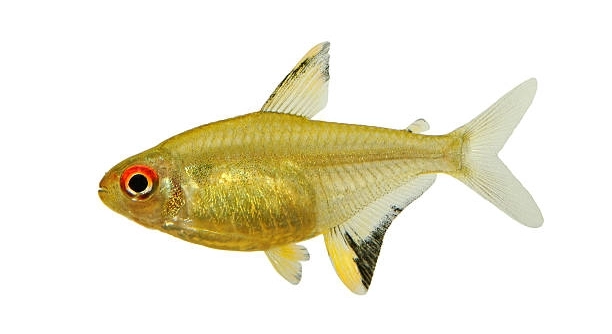
Are your lemon tetras swimming sluggishly or clustering in one area of the tank more than usual? Ensuring proper water flow is essential for their health and activity levels, creating a balanced environment for all inhabitants.
Improving tank flow involves adjusting filter placement, optimizing circulation patterns, and managing tank decorations to reduce dead zones. Regular maintenance, monitoring water parameters, and selecting appropriate equipment help maintain consistent movement that supports tetra well-being and oxygenation.
Maintaining ideal flow keeps your fish active and healthy, while creating a more visually appealing and balanced aquarium environment overall.
Assess Filter Placement
The location of your filter plays a major role in tank flow. Placing it near a corner or against the back wall often limits circulation, creating areas of stagnant water. Moving the filter slightly toward the center or angling it diagonally can help distribute water more evenly across the tank. Experiment with different positions while observing how your tetras respond. If they still cluster in certain areas, it may indicate that adjustments are needed. Proper placement not only improves flow but also ensures that debris and uneaten food are carried toward the filter intake. This reduces the buildup of waste in corners and along the substrate, keeping water cleaner for longer periods. In addition, an optimized filter position supports oxygen exchange at the surface, which is crucial for lemon tetras. Monitoring the flow pattern over a few days allows you to find the most effective placement without stressing your fish, making maintenance easier and the environment more comfortable.
Adjusting placement can significantly improve water movement and tank health for your tetras.
By paying attention to filter location, you create smoother currents that benefit every corner of the tank. Observation and small tweaks can make a noticeable difference in the activity levels and general behavior of lemon tetras, keeping them healthier and more engaged with their environment.
Optimize Circulation Patterns
Even with a well-placed filter, circulation may remain uneven. Small adjustments to powerheads or flow direction can help guide water across the tank more effectively, eliminating low-flow zones.
To optimize circulation, assess areas where debris settles or fish avoid swimming. Using a combination of filter outflow and gentle current from additional pumps can create a more uniform movement, mimicking natural conditions. Avoid overly strong currents that tire the tetras, and instead focus on subtle directional flow that encourages free swimming. Consider the shape of the tank and decorations, such as rocks or plants, which may redirect water in unexpected ways. Arranging ornaments to guide the water rather than block it allows for smoother circulation and prevents pockets of stagnant water. Regular observation helps fine-tune these adjustments. Over time, proper circulation not only enhances oxygen distribution but also supports better filtration and reduces algae growth. The goal is a balanced environment where lemon tetras feel comfortable and active throughout the tank.
Manage Tank Decorations
Decorations can block water flow if placed too densely or directly in front of the filter. Strategically arranging rocks, plants, and ornaments allows water to move freely while providing hiding spots.
Dense decoration clusters create dead zones where debris settles, and tetras may avoid swimming. Spacing items to guide water around them improves circulation and helps maintain consistent water parameters. Taller plants near the back and open areas in front of the filter encourage movement, letting tetras explore without obstruction. Avoid piling decorations in corners, which reduces effective flow and increases cleaning needs. Rotating or slightly shifting items over time can also prevent buildup in specific areas, keeping the tank visually appealing and functional. Using lightweight, stable decorations ensures they don’t shift and block flow when performing routine maintenance or when tetras swim energetically through the tank. Proper decoration placement balances aesthetics and health.
Keeping decorations spaced properly ensures both water flow and fish comfort. Thoughtful arrangement minimizes stagnant areas and promotes healthy swimming habits.
Regular Maintenance
Routine cleaning directly affects tank flow. Clogged filters, debris buildup, and untrimmed plants reduce circulation and water quality.
Checking and cleaning filter media, skimming surface debris, and vacuuming the substrate helps maintain strong and consistent movement. Regular water changes prevent sediment from accumulating, which can slow flow near the bottom. Trimming fast-growing plants prevents blockages and ensures that light and flow reach the entire tank. Monitoring pump performance is also essential; even slight reductions in output can impact water movement over time. A weekly maintenance schedule helps catch potential issues before they affect fish health. Consistency in upkeep keeps tetras active and prevents behavioral stress caused by stagnant areas or poor oxygenation.
A clean, well-maintained tank ensures lemon tetras thrive. Consistent upkeep improves both water flow and overall tank stability, supporting long-term health and reducing frequent problems with circulation or fish activity.
Adjust Flow Rate
Setting the right flow rate is crucial for lemon tetras. Too strong a current stresses them, while too weak allows debris to settle.
Most filters allow adjustments. Start with a moderate flow and observe your tetras. Adjust gradually until swimming is comfortable, without clustering or struggling against the current.
Use Flow Guides
Flow guides like spray bars or directional tubes help distribute water evenly across the tank. They prevent dead zones and reduce strong localized currents that tire fish. Proper placement directs water around decorations and plants, creating smooth, consistent movement.
Monitor Water Parameters
Stable water parameters support healthy flow. Temperature, pH, and ammonia levels affect fish activity and water movement, indirectly impacting circulation.
Keeping these parameters within recommended ranges for lemon tetras ensures they swim freely and maintain energy, allowing the tank’s circulation system to function efficiently.
FAQ
How do I know if my lemon tetra tank flow is too strong?
If your tetras are constantly pushed against the glass, hiding, or struggling to swim, the flow is likely too strong. Observing their behavior is key, as they should move freely without appearing stressed or fatigued. Adjusting the filter gradually can help them acclimate.
Can too weak a flow harm lemon tetras?
Yes. Weak flow can cause debris and waste to accumulate, lowering water quality. Stagnant areas reduce oxygen distribution, which can make tetras lethargic or more prone to disease. Ensuring even circulation supports their health and keeps the tank clean.
What is the best filter type for lemon tetra tanks?
A gentle hang-on-back filter or a low-output canister filter works well. These provide sufficient movement without overwhelming small tetras. Adjustable flow features are ideal because they allow fine-tuning to match the tank size and decoration layout.
Should I move decorations to improve water flow?
Yes. Dense clusters or items directly in front of the filter can block movement. Spacing decorations, using taller plants at the back, and leaving open areas near the filter creates smoother currents, improves circulation, and reduces dead zones where waste can accumulate.
How often should I clean my filter to maintain flow?
Filters should be checked weekly. Cleaning or rinsing the media removes trapped debris, preventing blockages that slow water movement. Over-cleaning can remove beneficial bacteria, so gently rinse with tank water rather than tap water to preserve biofiltration.
Are flow guides necessary for a small tank?
Not always, but they help distribute water evenly, especially if the tank has many decorations or plants. Simple solutions like spray bars or directional tubes prevent strong currents in some areas and stagnant spots in others. They support more uniform movement for tetras.
Can plant growth affect tank flow?
Yes. Fast-growing or dense plants can block water paths and reduce circulation. Regular trimming keeps movement consistent and allows water to reach all areas. Strategically placing plants to guide water rather than obstruct it ensures tetras have space to swim freely.
Does water flow impact oxygen levels in the tank?
Absolutely. Proper movement enhances surface agitation, which increases gas exchange. Stronger flow in open areas ensures oxygen is distributed evenly. Without sufficient flow, oxygen may be depleted in corners or behind decorations, affecting fish health and energy.
What should I do if my tank has persistent dead zones?
Identify areas where water barely moves and rearrange filter outflow or decorations. Adding a small powerhead or flow guide can help redirect movement. Even slight adjustments can eliminate stagnant spots, improving overall circulation and preventing buildup of debris or algae.
How can I balance aesthetics with proper flow?
Plan decoration layout to support circulation while keeping the tank visually appealing. Group taller plants at the back, leave open swimming areas, and use flow guides discreetly. This allows both natural-looking environments and consistent water movement for lemon tetras.
How does tank size influence flow setup?
Larger tanks need more attention to circulation because water may stagnate in corners or behind decorations. Multiple outlets or adjustable filters help distribute flow evenly. Smaller tanks are easier to manage but still require attention to filter placement and unobstructed movement paths.
Is it okay to have different flow rates in different parts of the tank?
Yes, gentle variations can mimic natural conditions. Some tetras may prefer slower areas for resting, while others swim actively in stronger currents. Avoid extremes, and ensure all areas have some consistent movement to prevent stagnant zones and maintain water quality.
Can poor flow cause disease in lemon tetras?
Indirectly, yes. Stagnant water reduces oxygen, traps waste, and creates areas where harmful bacteria or parasites can thrive. Maintaining steady flow and cleaning regularly reduces these risks, supporting overall fish health and minimizing stress-related illnesses.
Do I need a professional setup to get proper flow?
Not necessarily. With careful filter placement, decoration arrangement, and occasional use of flow guides, even a simple tank can maintain ideal circulation. Observing fish behavior and adjusting equipment gradually ensures a comfortable environment without complex systems.
How do I test if my adjustments are working?
Observe fish swimming patterns, debris movement, and plant sway over several days. Tetras should explore the tank evenly, and no areas should accumulate waste. Small tweaks to filter direction or decoration placement can improve circulation incrementally until flow is balanced.
Can I combine multiple solutions to improve flow?
Yes. Using a combination of filter adjustment, proper decoration spacing, flow guides, and routine maintenance provides the best results. Each factor complements the others, creating consistent movement, better oxygenation, and a cleaner environment for lemon tetras to thrive.
How important is patience when adjusting tank flow?
Very important. Sudden changes can stress fish or create unstable conditions. Gradual adjustments, regular observation, and incremental improvements allow tetras to adapt comfortably while achieving optimal water movement over time.
Can I maintain proper flow without disturbing the fish?
Yes. Small adjustments to filter direction, repositioning decorations carefully, and monitoring plant placement usually do not disturb tetras. Avoid major changes in one step; gradual modifications ensure they remain calm and continue swimming naturally.
What common mistakes should I avoid?
Avoid overpowered filters, overcrowding decorations, neglecting routine cleaning, and ignoring fish behavior. Each of these reduces flow efficiency and can compromise water quality. Consistent attention to these details keeps circulation smooth and the environment healthy for lemon tetras.
How long does it take to see improvements in tank flow?
Once adjustments are made, changes in circulation and fish behavior are often noticeable within a few days. Full stabilization, including debris movement and consistent swimming patterns, may take a week or more, depending on tank size and complexity.
Can small powerheads help in planted tanks?
Yes. Small powerheads direct water behind plants or decorations without creating strong currents. This prevents dead zones while maintaining gentle flow, ensuring oxygen distribution and encouraging natural swimming patterns for lemon tetras.
Is water flow adjustment a one-time task?
No. Seasonal growth of plants, filter maintenance, and decoration changes require periodic reassessment. Regular observation and minor adjustments keep the tank in balance, preventing stagnant areas and ensuring ongoing comfort for lemon tetras.
Do different tetra species have different flow needs?
Yes. Lemon tetras prefer gentle to moderate currents. Other species may require faster flow or calmer water. When keeping multiple species together, balance flow to accommodate all fish while ensuring proper circulation and oxygenation throughout the tank.
How can I combine aesthetics and circulation in heavily planted tanks?
Arrange tall plants along the back and sides, leaving open swimming areas in front of the filter. Use flow guides subtly and space decorations to prevent obstruction. This supports movement while keeping the tank visually appealing and natural.
Can temperature fluctuations affect flow perception?
Indirectly, yes. Fish activity levels change with temperature. Cooler water may make tetras less active, giving the impression of weak flow. Maintaining stable temperature ensures tetras swim normally, helping you assess true circulation efficiency.
What tools can help monitor flow?
Floating lightweight objects or observing surface ripples can indicate water movement. Clear visual observation of debris movement, plant sway, and fish swimming patterns provides practical insight into flow effectiveness without specialized instruments.
How does debris accumulation indicate flow issues?
If waste and uneaten food settle in corners or under decorations, it shows water isn’t circulating properly. Adjusting filter direction, spacing decorations, or adding flow guides helps move debris toward filtration, maintaining a cleaner environment for tetras.
Can regular water changes improve flow?
Yes. Water changes remove accumulated particles and reset circulation patterns. They complement filter maintenance, reduce stagnant areas, and keep oxygen levels stable, allowing tetras to swim freely and the tank to function efficiently.
Are flow adjustments different for breeding tanks?
Yes. Fry are delicate and require gentler currents. Adjust filter output and flow guides to provide calm areas while maintaining some movement for oxygenation and debris removal. Observation is key to ensuring both adult tetras and fry are comfortable.
Does tank shape affect how I set up flow?
Definitely. Long, narrow tanks may need directional flow to reach corners, while square tanks often allow more even distribution. Adjustments in filter placement, flow guides, and decoration layout should match the tank shape for optimal circulation.
Can I combine different filter types to improve flow?
Yes. Using a primary filter with a supplemental gentle powerhead or sponge filter can enhance movement in larger tanks or planted setups. This provides uniform circulation without creating strong, stressful currents for tetras.
How often should I reassess flow?
At least monthly, or after adding decorations, plants, or fish. Regular observation ensures no dead zones develop and that the environment remains optimal for swimming, oxygenation, and waste removal.
Is there a risk of over-adjusting flow?
Yes. Too many changes or excessively strong currents can stress tetras and disturb substrate or plants. Small, gradual adjustments allow the tank to stabilize while providing ideal swimming conditions.
Can I use natural elements to guide water?
Yes. Rocks, driftwood, and plants can redirect flow if placed thoughtfully. Arranging them to allow smooth currents and avoiding clusters that block movement improves circulation naturally without mechanical solutions.
Do tetras show immediate response to improved flow?
Often, yes. They may explore more areas, swim actively, and reduce clustering in corners. Observing these behavioral changes confirms that adjustments are effective and the environment supports their natural habits.
How do I maintain flow long-term?
Consistent maintenance, monitoring fish behavior, periodic adjustments, and thoughtful placement of decorations and plants ensure flow remains effective. Regular observation and small corrections prevent stagnant areas and support ongoing health for lemon tetras.
Is it necessary to combine flow techniques for best results?
Yes. Using filter placement, flow guides, decoration arrangement, and regular maintenance together creates the most consistent and balanced environment. Each method enhances circulation while supporting fish comfort, oxygen distribution, and water quality.
How do I know when flow is perfect?
Tetras swim actively throughout the tank, debris is minimal, and no stagnant areas remain. Plants sway naturally without being flattened by current. Behavior and observation are the clearest indicators of successful flow adjustments.
What is the first step in improving tank flow?
Start by observing fish behavior and identifying stagnant areas. Adjust filter placement, decoration layout, or flow guides gradually, ensuring movement is consistent without stressing the tetras. Early steps set the foundation for a balanced tank environment.
Can I make flow adjustments without changing the filter?
Yes. Minor repositioning, adding flow guides, and arranging decorations strategically often improve circulation without replacing equipment. Gradual tweaks allow optimal flow without introducing new hardware.
How does substrate choice affect flow?
Fine sand or small gravel can be disturbed by strong currents. Choosing appropriate substrate and balancing flow prevents excessive debris resuspension, keeping water clear while supporting healthy circulation.
Can lighting affect perceived flow?
Indirectly. Bright lights encourage plant growth, which may influence water movement. Dense plants can slow currents, so trimming and careful placement are necessary to maintain proper flow in lit tanks.
Do I need to consider fish population for flow setup?
Yes. More fish produce more waste, requiring stronger circulation for debris removal and oxygenation. Adjust flow based on stocking levels while keeping currents gentle enough for lemon tetras.
How does regular observation help maintain flow?
Observing fish, plants, and debris movement shows where adjustments are needed. Continuous monitoring ensures long-term balance, identifies potential problems early, and supports optimal conditions for tetras.
What signs indicate flow is too weak?
Clustering fish, debris accumulation, and low oxygen signs like gasping at the surface indicate weak flow. Adjustments to filter direction, flow guides, and decoration placement can resolve these issues.
Can I use multiple small pumps instead of one large filter?
Yes. Several low-output pumps can create more uniform movement without overwhelming tetras. Spacing them strategically distributes flow and reduces dead zones, especially in larger or heavily planted tanks.
Is trial and error necessary for flow optimization?
Yes. Every tank is different, and small adjustments over time allow observation of results. Patience and careful tweaking help achieve optimal water movement and comfortable conditions for lemon tetras.
Does flow affect feeding behavior?
Moderate, consistent flow helps tetras locate and consume food efficiently. Too strong currents may sweep flakes away, while stagnant areas can allow food to settle uneaten, affecting water quality and fish health.
How can I prevent algae growth related to poor flow?
Dead zones with low circulation often encourage algae. Maintaining even flow, spacing plants and decorations, and keeping up with cleaning reduces these areas, supporting a healthy, algae-controlled tank.
Are there seasonal considerations for tank flow?
Yes. Temperature changes, plant growth, and maintenance schedules vary by season. Monitoring fish activity and adjusting flow ensures consistent conditions year-round without stressing tetras or disrupting circulation.
How do I balance flow in a community tank?
Consider all species’ preferences, adjusting currents to meet the most sensitive fish while ensuring proper circulation. Strategic filter placement and flow guides help create zones that satisfy different activity levels without compromising oxygenation or cleanliness.
Can substrate slopes improve water movement?
Yes. Slopes toward the filter intake encourage debris to travel naturally, supporting cleaning and maintaining circulation. Gentle inclines prevent accumulation in corners, reducing stagnant zones.
What common mistakes slow water flow?
Clogged filters, dense decorations, overgrown plants, and poor placement reduce efficiency. Avoiding these issues ensures consistent movement and prevents problems with oxygen, debris, and fish activity.
Is it necessary to measure flow rates scientifically?
Not usually. Observing fish behavior, debris movement, and plant sway is sufficient. Scientific measurement is optional unless precision is required for specialized setups or breeding conditions.
Can overstocking affect circulation?
Yes. Too many fish increase waste and oxygen demand, overwhelming weak currents. Adjusting flow and maintaining appropriate stocking levels keeps circulation effective and tetras healthy.
How often should I reassess after major tank changes?
Check flow immediately and then over the next few days. New decorations, plants, or fish can create dead zones or alter currents, requiring observation and minor adjustments for balance.
Can driftwood improve circulation?
Yes. Placed strategically, driftwood can redirect flow around obstacles, prevent stagnant areas, and add natural aesthetics. Ensure it does not block filter output or create strong currents that stress fish.
How do I ensure fry are safe with flow adjustments?
Use gentle currents, avoid strong outflows, and provide sheltered areas. Flow should allow debris movement and oxygenation without displacing or stressing young fish. Observation ensures both fry and adults remain comfortable.
What is the simplest way to maintain balanced flow?
Regular observation, proper filter placement, thoughtful decoration spacing, and minor adjustments as needed maintain circulation. Consistency and attention to detail ensure lemon tetras thrive in a comfortable environment.
How do I prevent sudden changes from stressing tetras?
Make small, gradual adjustments to flow, decorations, or plant layout. Monitor behavior before making further changes. This prevents sudden stress and allows tetras to adapt naturally.
Are floating plants helpful for flow management?
Yes. They can diffuse strong currents, create shaded areas, and provide gentle shelter for tetras. Positioning them carefully avoids blocking overall water movement.
Can I use timers or controllers to manage flow?
Not typically needed. Manual observation and adjustments are sufficient. Flow should remain consistent rather than automated to avoid sudden fluctuations that may stress tetras.
Does water hardness affect flow?
Indirectly. Hardness affects fish behavior and plant growth, which may influence circulation patterns. Maintaining recommended levels ensures stable conditions that support effective water movement.
How long should I wait after adjustments to judge effectiveness?
Observe for several days. Fish behavior, debris movement, and plant sway indicate whether flow improvements are successful. Immediate changes may not reflect the full effect of adjustments.
Is it important to coordinate filter and pump output?
Yes. Matching output prevents overly strong currents or stagnant zones. Coordination ensures smooth, even flow throughout the tank, supporting fish comfort and tank cleanliness.
Can I combine surface agitation with gentle currents?
Yes. Surface movement enhances oxygenation, while gentle currents circulate water and debris. Balancing both improves tank health without stressing tetras.
Does lighting placement impact flow?
Indirectly. Intense lighting may encourage plant growth that blocks circulation. Adjusting plant layout under lighting can help maintain optimal flow.
Should I monitor flow during feeding?
Yes. Observe whether food disperses evenly or collects in low-flow areas. Adjusting current during feeding ensures tetras can access food without it settling and fouling the tank.
Is weekly observation sufficient?
For most tanks, yes. Weekly checks allow detection of debris accumulation, behavioral changes, or weak circulation. More frequent observation may be needed after changes or in larger setups.
Can seasonal plant growth disrupt flow?
Yes. Fast growth may block water movement, requiring trimming and rearrangement to restore proper circulation for tetras.
Does tank depth affect flow adjustment?
Deeper tanks may need stronger outflows or additional circulation aids to reach lower areas. Surface agitation alone may not suffice for consistent movement throughout the tank.
Can I use natural currents from filter placement alone?
Yes, with proper positioning and unobstructed decoration layout. In smaller tanks, thoughtful placement often provides sufficient flow without additional devices.
How do I prevent debris from blocking flow?
Regular vacuuming, strategic decoration spacing, and flow guides help direct particles toward the filter, keeping water movement consistent and avoiding accumulation in corners or under plants.
Does tank temperature affect fish response to flow?
Yes. Colder water may reduce activity, making flow seem weaker. Stable temperature ensures accurate assessment of circulation and maintains normal swimming patterns.
Can gentle waves simulate natural flow?
Yes. Subtle, consistent movement mimics streams or rivers, providing exercise and environmental enrichment for lemon tetras while maintaining even oxygenation.
How do I adjust flow in a community tank with varying species?
Balance currents to accommodate the least tolerant species. Use zones of differing flow if necessary while ensuring oxygenation and debris removal throughout the tank.
Are there visual signs of stagnant areas?
Yes. Accumulated debris, algae growth, and clustering fish indicate poor movement. Observation helps identify areas needing flow improvement.
Can substrate shape influence circulation?
Yes. Slopes toward the filter intake help debris move naturally, preventing accumulation and maintaining consistent flow.
How do I maintain flow during vacations or absence?
Ensure filters and pumps are reliable and functioning properly. Minimal adjustments are needed if equipment is stable, and regular observation before and after absence ensures continued efficiency.
What is the best way to combine multiple flow techniques?
Use filter placement, flow guides, decoration spacing, and routine cleaning together. Each element supports the others, creating balanced circulation, optimal oxygenation, and comfortable swimming areas for lemon tetras.
Can water changes alone restore proper flow?
Partially. They remove debris and reset circulation patterns
Maintaining proper tank flow for lemon tetras is an essential part of keeping a healthy aquarium. Flow affects oxygen distribution, waste removal, and overall fish activity, so paying attention to it can make a noticeable difference in their behavior and well-being. Small adjustments, such as repositioning the filter or rearranging decorations, often have a significant impact on how water moves through the tank. Observing the fish regularly is key, as their swimming patterns and activity levels indicate whether flow is suitable or needs improvement. By taking a careful, methodical approach, it is possible to create a tank environment that supports both the health of the fish and the clarity of the water.
Routine maintenance plays a central role in sustaining proper circulation. Cleaning the filter, trimming plants, and vacuuming the substrate help prevent blockages and dead zones that slow water movement. Flow guides, spray bars, and gentle pumps can be added strategically to direct currents more evenly, especially in tanks with heavy decoration or dense plant growth. Even subtle changes in filter output or decoration placement can lead to better water movement without stressing the fish. Keeping track of these adjustments over time allows for fine-tuning and ensures that the tank remains balanced, clean, and comfortable for lemon tetras. Observing how plants sway, debris moves, and fish explore the space provides valuable feedback for making incremental improvements to circulation.
Achieving and maintaining consistent tank flow is an ongoing process rather than a one-time task. Fish behavior, plant growth, and decoration placement can change over time, so it is important to monitor the tank and make adjustments as needed. The goal is to provide a stable, healthy environment where lemon tetras can swim freely and engage with their surroundings naturally. Proper flow also supports water quality by reducing stagnant areas and encouraging even oxygen distribution, which reduces stress and promotes long-term health. By combining careful observation, routine maintenance, and strategic adjustments, it is possible to maintain a tank that is both visually appealing and functionally balanced. Ultimately, paying attention to water flow helps create an environment where lemon tetras thrive, making it a central part of successful aquarium keeping.

Hello,
If you enjoy the content that we create, please consider saying a "Thank You!" by leaving a tip.
Every little bit helps us continue crafting quality advice that supports the health, happiness, and well-being of pets around the world, for pets of all shapes, sizes, and species.
We really appreciate the kindness and support that you show us!