
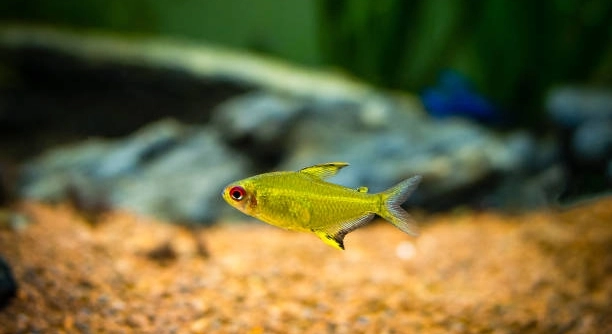
Do you enjoy keeping a peaceful aquarium but sometimes notice your lemon tetras acting differently than usual? These small, bright fish are generally calm, but subtle signs of aggression can appear without warning.
Lemon tetra aggression often manifests through nipping, chasing, or crowding other fish. Territorial disputes, competition for food, and stress from overcrowding or poor water conditions are common triggers. Recognizing these behaviors early helps maintain a balanced, healthy aquarium environment.
Observing these little hints can help prevent long-term stress in your fish and keep your tank peaceful for everyone inside.
Nipping at Tank Mates
Sometimes lemon tetras may nip at other fish in the aquarium. This behavior often appears as quick, small bites, usually targeting fins. Nipping can start subtly, with a fish chasing another for a short moment and then stopping. It can happen when there is overcrowding, lack of hiding spaces, or competition for food. Young or newly introduced tetras may also display more nipping as they establish their position in the group. Over time, persistent nipping can lead to torn fins or stress in other fish, which may result in illness. Providing more space, plants, or decorations can help reduce this behavior. Observing the tank closely allows you to notice patterns in interactions and intervene if necessary. Adjusting feeding times or amounts can also minimize competition and prevent aggression from escalating.
Monitoring nipping is key to keeping your lemon tetras and other fish healthy, reducing the risk of injury or stress.
Keeping the tank clean and well-arranged helps reduce tension. Regular observation allows you to respond before small conflicts turn serious.
Chasing and Harassment
Lemon tetras may chase other fish repeatedly, which can be stressful for both parties. Chasing usually occurs when one fish dominates or defends a preferred area.
Chasing behavior can increase if the tank is small, lacks hiding spaces, or contains slower fish. Even minor stressors like sudden movements or changes in water parameters may trigger repeated chasing. Aggressive individuals often pick on the same fish, causing them to hide or lose appetite. Providing taller plants, rocks, or decorations gives fish places to retreat and lowers tension in the tank. Ensuring proper water conditions and avoiding overcrowding can reduce repeated harassment. Observing feeding patterns also helps, as dominant fish may chase others away from food. Small adjustments in tank layout or group size often lead to calmer behavior.
Preventing chasing is about giving every fish room to swim and feel safe. Adjustments in tank design and group balance make a noticeable difference in overall harmony. With careful attention, chasing becomes minimal, allowing all tetras to swim confidently. Watching interactions and responding early helps maintain a stable and peaceful aquarium environment for the long term.
Flaring Fins
Lemon tetras may flare their fins to appear larger when stressed or threatened. This display is a warning to other fish to keep distance, often seen during feeding or when new fish are introduced.
Flaring fins can indicate mild to moderate aggression. It usually occurs when a fish is trying to assert dominance or protect territory. Fish with flared fins may chase others briefly or hover near them, making the tank feel tense. Repeated flaring can stress less aggressive fish, causing them to hide or eat less. Tank layout matters—a well-planted aquarium gives smaller fish places to escape and reduces visible tension. Regular observation helps identify which fish flare most, allowing adjustments in group size or tank environment to maintain calm behavior. Maintaining clean water, proper feeding, and sufficient space keeps stress levels lower and minimizes aggressive displays.
Observing and addressing frequent flaring early can prevent escalation, keeping your lemon tetras calmer and healthier overall.
Sudden Darts
Sudden, fast movements across the tank often signal agitation or dominance. Lemon tetras may dart when competing for food or reacting to changes in the environment.
These quick movements are usually brief but frequent. A fish may dart past others repeatedly, sometimes nudging or bumping them. Stress, overcrowding, or rapid water parameter changes can trigger darting. It may also occur when introducing new fish, as residents establish hierarchy. Darting increases heart rate and can tire smaller or weaker fish. Adding hiding spaces, adjusting group numbers, and ensuring stable water conditions help reduce darting. Feeding several times a day in small amounts distributes food more evenly and decreases competitive bursts. Observing behavior patterns allows intervention before darting becomes aggressive chasing or nipping, preserving tank harmony.
Frequent darting can disrupt peaceful interactions and stress the entire tank. Small environmental adjustments and attentive observation can significantly calm your lemon tetras, allowing them to swim naturally without constant bursts of speed.
Fin Hiding
Some lemon tetras may hide their fins for extended periods. This behavior often occurs after being nipped or stressed by other fish in the tank.
Fin hiding is a subtle sign of discomfort. Fish may keep their fins close to the body to avoid attention or injury from more aggressive tank mates.
Overcrowding Stress
When too many fish occupy a small tank, aggression can rise. Lemon tetras may become territorial, chase each other, or flare fins more often. Maintaining proper stocking levels and providing plants or decorations reduces stress and promotes peaceful swimming. Overcrowded tanks also increase competition for food, heightening tension. Monitoring interactions closely helps identify stressed individuals early, allowing adjustments before conflicts escalate. Spacing out hiding spots and feeding areas gives all fish a fair chance, reducing repeated aggressive encounters. Observing behavior consistently ensures a healthier, calmer aquarium, preventing long-term stress that can affect growth and immunity in lemon tetras.
Head Butting
Head butting is a short, forceful bump between lemon tetras. It usually signals mild aggression or social hierarchy disputes.
FAQ
Why do lemon tetras nip at other fish?
Nipping usually happens when fish compete for food, space, or dominance. Overcrowding or a lack of hiding spots can make nipping more frequent. Younger or newly introduced tetras are more likely to nip as they establish social hierarchy. Proper tank size and decorations reduce the chances of constant nipping.
How can I stop chasing behavior in my tank?
Chasing occurs when one fish asserts dominance or defends a territory. Adding plants, rocks, or other hiding spots gives fish places to retreat. Ensuring even distribution of food and maintaining proper water conditions also reduces tension, preventing repeated chasing episodes.
Are flared fins always a sign of aggression?
Flaring fins can indicate stress, dominance, or mild aggression. It is usually a warning rather than a direct attack. Fish that flare often retreat after a short display. Observing which fish flare most helps adjust tank layout or group numbers to reduce stress.
What causes sudden darting in lemon tetras?
Darting is often a response to stress, environmental changes, or competition. Fish may dart when food is added or when new fish enter the tank. Stable water parameters, proper stocking levels, and hiding spaces can minimize this behavior and prevent escalation into chasing or nipping.
Why do some lemon tetras hide their fins?
Hiding fins is a defensive response to repeated nipping or stress. Fish may keep fins close to the body to avoid injury and to appear less noticeable to more aggressive tank mates. Observing this behavior helps identify which fish are stressed and need more space or shelter.
How does overcrowding affect aggression?
Too many fish in a small tank increase competition for food, space, and preferred swimming areas. This leads to flaring, chasing, nipping, and stress. Providing adequate space, hiding spots, and careful stocking helps maintain a calmer environment and reduces aggressive interactions.
Is head butting a serious issue?
Head butting is usually a mild form of aggression or hierarchy establishment. It rarely causes injury but can stress weaker fish. Monitoring the frequency and adjusting tank conditions can prevent escalation into more harmful behaviors.
Can diet influence aggression in lemon tetras?
Yes, uneven feeding or insufficient nutrition can increase competition and aggressive behavior. Feeding small portions multiple times a day and ensuring all fish have access to food reduces conflicts. High-quality, balanced diets also support overall health and calmness.
Do tank decorations really help reduce aggression?
Plants, rocks, and other decorations create hiding spots and visual barriers, which reduce direct confrontations. Fish can retreat and feel secure, lowering stress and aggressive displays. Rearranging decorations occasionally also prevents territorial disputes from becoming permanent.
How can I tell if aggression is harming my fish?
Signs include torn fins, constant hiding, reduced appetite, or pale coloration. Stress can weaken immunity and make fish more prone to illness. Early intervention, adjusting tank conditions, and separating particularly aggressive fish help maintain overall health.
Can lemon tetras ever be completely non-aggressive?
Lemon tetras are generally peaceful but some level of hierarchy behavior is natural. Providing ample space, hiding spots, and balanced feeding minimizes aggression, but minor displays like chasing, flaring, or nipping may still occur occasionally.
Does water quality affect aggression?
Poor water quality increases stress and irritability. High ammonia, nitrites, or sudden temperature changes can trigger aggressive behavior. Maintaining clean water, regular testing, and stable parameters helps keep lemon tetras calmer and reduces conflicts significantly.
How do I introduce new fish without causing aggression?
Quarantine new fish first and rearrange tank decorations before adding them. Introducing multiple fish at once or using a divider initially allows residents to adjust without intense territorial disputes. Gradual integration reduces chasing and nipping, helping all fish adapt peacefully.
Are there specific fish that trigger lemon tetra aggression?
Fast-moving or territorial tank mates can provoke aggression. Slower or timid species may be harassed more frequently. Choosing compatible fish that match swimming speed, temperament, and tank size helps minimize aggressive interactions.
Can stress alone cause aggression in lemon tetras?
Yes, stress from poor water quality, overcrowding, sudden changes, or illness can make normally peaceful fish act aggressively. Reducing stress factors and maintaining a stable environment prevents escalation and keeps the aquarium harmonious.
What is the best way to maintain peace in a lemon tetra tank?
Balanced feeding, proper stocking levels, stable water conditions, and adequate hiding spots are key. Observing interactions and addressing aggressive behaviors early ensures all fish remain healthy and calm. Periodic rearrangements and environmental enrichment also keep stress low and behaviors balanced.
Lemon tetras are small, colorful fish that are mostly peaceful, but they can show signs of aggression that are easy to miss. Even in a well-kept tank, small behaviors like nipping, chasing, or flaring fins may appear occasionally. These behaviors are usually natural ways for fish to establish social order or defend their space, but they can cause stress or injury if left unchecked. Observing your fish closely helps you understand what is normal and what needs attention. Watching how they interact during feeding, when new fish are added, or in response to changes in the tank can reveal patterns of behavior that might indicate underlying stress or tension. Small changes in the environment can have a big impact on their behavior, so paying attention to these little signs is important for keeping a calm tank.
Maintaining proper tank conditions is one of the most effective ways to prevent aggression. Overcrowding, poor water quality, and limited hiding spaces are common triggers for conflict among lemon tetras. Keeping the tank clean, maintaining stable water parameters, and providing enough plants, rocks, or decorations gives fish places to retreat and reduces direct confrontations. Feeding several small portions rather than one large feeding can help reduce competition for food, which is often a cause of chasing or nipping. Introducing new fish gradually and observing their interactions with established residents also helps prevent unnecessary stress. Even simple measures like rearranging decorations or adding more plants can make a noticeable difference in the overall behavior of the tank. Consistent observation and minor adjustments help ensure that aggression does not escalate into serious problems for your fish.
Understanding lemon tetra behavior allows for a healthier, more peaceful aquarium. Aggression is often subtle, and early intervention is key to preventing long-term stress or injury. By observing their fins, swimming patterns, and interactions, you can identify potential issues before they become serious. Adjusting the tank environment, providing adequate space, and maintaining good water quality all contribute to calmer, happier fish. While minor nipping or chasing may still occur, these behaviors become manageable with proper care and attention. A well-maintained tank with carefully balanced conditions encourages social harmony among lemon tetras, allowing them to thrive while minimizing stress and aggression. With patience and observation, you can enjoy a vibrant, active aquarium where your lemon tetras display their natural, lively behaviors without constant conflict.

Hello,
If you enjoy the content that we create, please consider saying a "Thank You!" by leaving a tip.
Every little bit helps us continue crafting quality advice that supports the health, happiness, and well-being of pets around the world, for pets of all shapes, sizes, and species.
We really appreciate the kindness and support that you show us!