
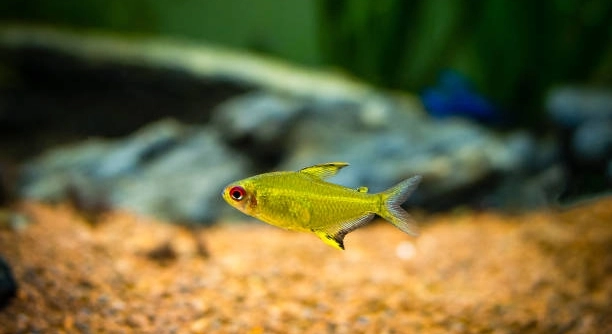
Lemon Tetras are small, vibrant fish that bring life to any freshwater tank. Their bright yellow bodies often reflect the light beautifully, creating a cheerful and calming atmosphere in your aquarium space.
The seven colors that calm Lemon Tetras include soft blues, gentle greens, muted purples, pale pinks, light yellows, subtle oranges, and warm neutrals. These shades reduce stress by mimicking natural environments and promoting stable behavior patterns in these sensitive fish.
Choosing the right colors for your tank can make a noticeable difference in your fish’s well-being. Simple changes can create a peaceful environment that benefits both you and your Lemon Tetras.
Soft Blues
Soft blues in your aquarium can create a serene environment for Lemon Tetras. This color resembles open water in their natural habitat, which makes them feel more secure. I noticed that when I added a pale blue background to my tank, my tetras swam more calmly and stayed together. The hue doesn’t overstimulate their senses, unlike brighter colors. Soft blues also enhance the yellow tones of the fish, making them look more vibrant without causing stress. Light blue decorations, gravel, or plants can subtly bring this calming effect. Even a small blue filter on the tank light can shift the mood. It’s easy to incorporate without changing the whole tank setup. Over time, I realized that my tetras were less skittish and more active during feeding. The soft tone creates a visual balance that is pleasing to both the fish and the observer.
Soft blues help Lemon Tetras remain calm by simulating their natural open-water habitats and reducing visual stress triggers.
Adding blue elements doesn’t require a full tank redesign. Small adjustments can have a big impact.
Gentle Greens
Gentle green shades can also reduce stress in Lemon Tetras. This color mimics plants and algae, which are part of their natural environment. Green decorations, live plants, or even background images can help the fish feel safer. The tetras tend to explore more when surrounded by green tones, creating a lively but relaxed tank atmosphere.
Introducing greens to a tank improves both behavior and health. Plants like Java moss or small ferns provide hiding spots while softly blending with the overall color scheme. I once used pale green gravel combined with floating plants, and the tetras showed consistent activity without signs of stress. Gentle greens can balance brighter colors in the tank, keeping the environment visually interesting but not overwhelming. Over time, these shades help maintain a predictable daily routine for your fish, which is important for feeding and social behavior. With careful placement, green elements create depth and layers, allowing Lemon Tetras to swim confidently and find secure areas when needed. The calming effect of green comes from its natural association with vegetation, providing a sense of shelter and comfort.
Muted Purples
Muted purples create a soft, calming effect without being overpowering. This shade helps Lemon Tetras feel secure while adding subtle depth to the tank. It complements their yellow tones and works well with greens or blues already present.
I added lavender-colored rocks and decorations in my tank, and the tetras responded positively. They spent more time exploring and less time hiding. Muted purples provide a gentle contrast that reduces visual stress while maintaining a natural-feeling environment. Over time, the fish seemed more comfortable in their space. This color is ideal for creating a balanced aesthetic that soothes both fish and observer. It’s easy to combine muted purples with other calm shades, like soft blues or gentle greens, to create a layered environment that feels natural. Even small touches, like a purple background poster or plants with subtle purple hints, can encourage calm swimming patterns and reduce sudden movements. Muted purples are understated but effective in promoting a peaceful tank atmosphere.
Adding muted purples requires minimal effort but offers noticeable results in fish behavior and overall tank harmony.
Pale Pinks
Pale pinks create a quiet, calming environment that reduces stress in Lemon Tetras. It softens the tank’s overall appearance and complements natural greens and blues.
Using pale pink decorations, I noticed my tetras became less skittish. The soft color promotes gentle movement and interaction. It also balances brighter accents, creating a more visually comfortable space. The effect may seem subtle at first, but consistent exposure helps maintain calm behavior. Small touches like pink gravel, plants, or background panels work well. Pale pink doesn’t overstimulate the fish and blends naturally with other tank colors. By adding this shade, the tank feels peaceful, encouraging Lemon Tetras to swim more freely. Over several weeks, I observed reduced darting and calmer feeding times. Pale pink can also highlight the yellow and silver tones of the fish, enhancing their beauty without creating stress. It is an easy, low-maintenance color adjustment with lasting effects on the tank environment.
The soft influence of pale pink integrates easily into any freshwater tank while supporting Lemon Tetras’ comfort and stability.
Light Yellows
Light yellows blend naturally with Lemon Tetras’ coloring, creating a soothing visual environment. This shade keeps the tank bright without overstimulating the fish, helping them feel secure and relaxed throughout the day.
Using pale yellow decorations, I noticed calmer swimming patterns. The tetras appeared more confident and less hesitant near tank edges.
Subtle Oranges
Subtle oranges add warmth without causing stress. Soft orange tones mimic natural sunlight filtering through water, encouraging relaxed behavior. I placed a few small orange accents near plants and rocks, and the tetras became noticeably more active yet calm. The color blends with yellows and greens, supporting a natural, peaceful environment.
Warm Neutrals
Warm neutrals provide a grounding effect in the tank. Beige, soft browns, and taupe elements reduce visual clutter and create a stable backdrop that Lemon Tetras respond well to.
Adding neutral stones and driftwood helped the fish establish comfortable swimming routes. The tetras interacted naturally, moving confidently between hiding spots and open areas without signs of anxiety.
FAQ
What is the best color background for Lemon Tetras?
The best background colors for Lemon Tetras are soft blues, gentle greens, and muted purples. These shades reduce stress by mimicking natural water and plant environments. I noticed that after adding a pale blue background, my tetras stayed near the middle of the tank, swimming calmly instead of darting around. Soft tones create a sense of safety, making fish more confident in exploring the tank while maintaining consistent daily routines. Avoid bright or overly saturated colors, as they can overstimulate the fish and lead to erratic behavior.
Do tank decorations affect the behavior of Lemon Tetras?
Yes, decorations play a significant role in shaping behavior. Plants, rocks, and subtle colored ornaments provide hiding spots and resting areas. I added soft green plants and small beige stones to my tank, which encouraged my tetras to swim in more relaxed patterns. Decorations help simulate a natural environment, giving the fish a sense of security while reducing stress levels. Even small additions like pale orange or pink accents can enhance their comfort without making the tank look crowded. Placement is important—avoid blocking open swimming spaces while still providing cover.
Can lighting impact Lemon Tetra stress levels?
Lighting has a direct effect on stress. Too bright or harsh lighting can make Lemon Tetras nervous, causing them to hide or dart frequently. I switched to a soft, diffused light, and the fish became more active and calm. Light that highlights soft blues, greens, and muted purples enhances their natural colors while maintaining a comfortable environment. LED lights with adjustable brightness work well. Avoid flashing or high-intensity lights, as they can increase cortisol levels in the fish, leading to long-term stress and reduced immunity.
Is it necessary to match tank colors with fish colors?
Matching tank colors is helpful but not mandatory. What matters most is creating contrast that allows Lemon Tetras to feel secure. I noticed that soft yellows and subtle oranges enhanced the fish’s natural yellow tones, making them more visible but still relaxed. Neutral colors like beige and taupe work as a grounding base, reducing visual overstimulation. Combining these colors with soft blues or gentle greens creates balance. Overly bright or clashing colors can cause anxiety, so it’s best to focus on calm, complementary shades that resemble their natural freshwater habitats.
Do Lemon Tetras prefer live plants or artificial ones?
Lemon Tetras respond well to both, but live plants provide additional benefits. Live plants improve water quality and offer natural hiding spaces. I started with a mix of Java moss and small ferns, which encouraged natural swimming and schooling behavior. Artificial plants work if they have soft, calming colors, but they don’t offer the same water-filtering benefits. Placement of plants is crucial—dense areas should be balanced with open swimming spaces. The goal is to mimic their natural environment, where both shelter and open water exist, helping reduce stress and maintain healthy activity patterns.
Can changing tank colors suddenly stress Lemon Tetras?
Yes, sudden changes can cause stress. I once swapped bright decorations into my tank, and the tetras became skittish for several hours. Gradual changes, such as slowly introducing new colors or backgrounds over a few days, help them adjust. Stick to calm shades like pale blues, muted purples, and gentle greens. Avoid switching multiple colors at once, as it can disrupt their sense of security. Consistency in the tank’s color scheme promotes relaxed behavior, smoother schooling patterns, and better feeding responses.
Do tank substrate colors affect Lemon Tetra behavior?
Tank substrate can impact mood and comfort. Light gravel or sand in soft yellows, subtle oranges, or neutrals creates a calm foundation. I used pale yellow gravel, and the tetras seemed more confident swimming near the bottom. Dark or bright substrates may increase hiding behavior or anxiety. Substrates that mimic natural riverbeds encourage exploration and natural swimming patterns. Even slight color adjustments can make a noticeable difference, reinforcing a stable, stress-free environment for Lemon Tetras.
How often should I adjust tank colors?
Frequent changes are not recommended. I learned that maintaining a consistent color palette is better for Lemon Tetras’ comfort. Minor adjustments, like adding small decorations in complementary shades, are fine. Major shifts can cause temporary stress. Stick to calm colors like blues, greens, purples, and light yellows, which provide a stable and reassuring environment. Gradual changes allow the fish to adapt without affecting feeding, schooling, or swimming behaviors. Consistency is key to promoting long-term well-being and minimizing unnecessary stress.
Can lighting and color work together to calm Lemon Tetras?
Yes, combining the right lighting with calm colors enhances relaxation. I used soft LED lights over a pale blue and green background, and the tetras appeared more active and less anxious. Proper lighting highlights soothing colors while maintaining a natural feel. Avoid harsh or flickering lights, which can override the calming effects of tank colors. A gentle balance of color and light creates a peaceful atmosphere, allowing Lemon Tetras to swim naturally, feed calmly, and maintain healthy routines.
Are certain colors better for breeding Lemon Tetras?
Calm, natural colors like soft blues, gentle greens, and muted purples are best for breeding. I observed that when these shades were present, the tetras engaged in more consistent swimming and pairing behavior. Stressful or overly bright colors can hinder breeding activity, as the fish may focus on hiding or avoiding perceived threats. Maintaining a stable, soothing environment supports natural behaviors and encourages successful spawning without disrupting tank harmony.
This FAQ section addresses practical ways to use color and lighting to improve Lemon Tetras’ comfort, behavior, and overall health.
Lemon Tetras are small, active fish that respond strongly to their environment. The colors in and around the tank can make a noticeable difference in their behavior. Soft, calm shades like blues, greens, muted purples, pale pinks, light yellows, subtle oranges, and warm neutrals help the fish feel secure. These colors reduce stress by imitating aspects of their natural habitats, such as open water, vegetation, and gentle sunlight. When the tank environment is visually soothing, Lemon Tetras are more likely to swim calmly, school properly, and interact naturally with their surroundings. This makes them healthier and more comfortable over time. Bright, harsh, or clashing colors, on the other hand, can create anxiety, causing erratic swimming and hiding behaviors. Small changes in decoration or background color can have a large impact without requiring a full tank redesign.
Adding color to a tank is not just about aesthetics. It also plays a role in the fish’s daily life and overall well-being. For example, soft blues and gentle greens create a sense of open water and plants, which encourages natural swimming patterns. Muted purples and pale pinks provide subtle contrast that reduces visual stress while highlighting the yellow tones of the tetras. Light yellows and subtle oranges mimic sunlight or sandy riverbeds, helping the fish feel calm and secure. Warm neutrals, like beige or soft browns, act as grounding colors that make the tank environment feel more stable. Even small touches, like colored gravel, plant leaves, or background posters, can create a noticeable improvement in behavior. Over time, the tetras may swim more confidently, spend more time near the center of the tank, and exhibit less hiding behavior.
Consistency is important for maintaining a calm environment. Sudden changes in tank colors, lighting, or decorations can cause temporary stress. Gradual adjustments and careful selection of calm, complementary shades allow Lemon Tetras to adapt comfortably. Combining proper lighting with these colors enhances the calming effect, making the tank feel natural and secure. Observing the fish and making small, thoughtful improvements can create a peaceful habitat that supports their health, activity, and daily routines. By paying attention to color and environment, it is possible to maintain a balanced and stress-free tank where Lemon Tetras can thrive for years.

Hello,
If you enjoy the content that we create, please consider saying a "Thank You!" by leaving a tip.
Every little bit helps us continue crafting quality advice that supports the health, happiness, and well-being of pets around the world, for pets of all shapes, sizes, and species.
We really appreciate the kindness and support that you show us!