
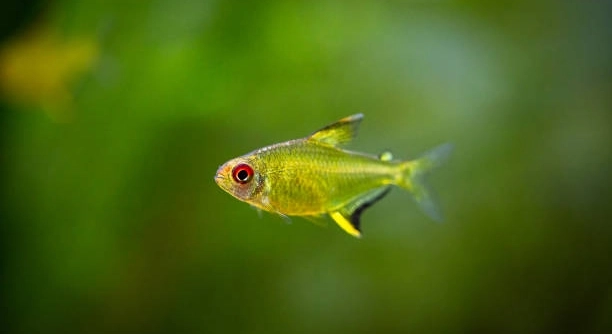
Do your lemon tetras often linger near the bottom of the tank, moving slowly or hiding among the decorations? Observing this behavior can be worrying for any fish keeper trying to maintain a healthy aquarium environment.
The primary reason lemon tetras stay at the bottom is stress caused by poor water quality, improper temperature, or illness. Ensuring stable water conditions, appropriate tank mates, and proper nutrition can significantly improve their activity levels and well-being.
Paying attention to these factors can help you create a calmer, healthier environment. Understanding the root causes allows for small adjustments that make a big difference.
Water Quality Issues
Poor water quality is one of the main reasons lemon tetras spend most of their time at the bottom of the tank. High levels of ammonia, nitrites, or nitrates can stress fish and affect their energy. Even small fluctuations in pH or hardness can make them uncomfortable, causing them to hide. Regular water testing is essential to maintain a stable environment. Frequent partial water changes help remove toxins and keep conditions safe. Filtration should be appropriate for the tank size and stocked fish. Overfeeding can also degrade water quality, as leftover food breaks down and produces harmful chemicals. Observing your tetras’ behavior daily gives insight into water problems before they become serious. Temperature swings can similarly stress fish, so maintaining a stable temperature suited to lemon tetras, usually around 72-78°F, supports their health. Clean decorations and substrate also reduce buildup of waste, keeping the tank more comfortable.
Consistent water monitoring and proper filtration keep your tetras active and healthy. Small changes can prevent serious health problems.
Monitoring water quality goes beyond routine testing. Even if the readings seem normal, ammonia and nitrite spikes can appear quickly after overfeeding or adding new fish. Using a good test kit ensures accurate results, and tracking these numbers over time helps identify patterns that might stress your tetras. Aeration is also important, as low oxygen levels can cause bottom-dwelling behavior. Some tetras prefer gentle currents, so avoid strong flow from filters that can tire them. Adjusting lighting and avoiding sudden changes reduces stress further. Maintaining a balanced diet and avoiding excess food waste contributes to cleaner water and more active fish. Over time, these practices establish a stable environment where lemon tetras swim freely throughout the tank, not just near the bottom.
Illness or Parasites
Illness can make lemon tetras stay near the bottom, moving slowly or resting frequently. Observing other signs like faded color or clamped fins helps detect problems early.
Common diseases include bacterial infections, parasites, and fungal growth. Stress from poor water conditions can weaken their immune system, making them more vulnerable. Treating illness quickly with the correct medication can prevent spread to other fish. Quarantining sick tetras is important to stop contamination, and carefully following treatment instructions ensures safety. Maintaining optimal water quality supports recovery. Symptoms like rapid gill movement, white spots, or frayed fins often indicate specific infections. Providing hiding places reduces stress while healing. Nutrition also plays a role, as high-quality foods boost immunity and energy. Regular observation is key; subtle changes in behavior can signal illness before it becomes severe. Combining these preventive measures with prompt care improves survival and keeps your tetras more active in the tank.
Stress from Tank Conditions
Lemon tetras can show bottom-dwelling behavior when the tank is overcrowded or lacks hiding spots. Stress affects their swimming patterns and overall health, making them less active and more prone to illness.
Overcrowding increases competition for food and space, which can cause tetras to retreat to the bottom. Lack of plants or decorations removes natural hiding areas, leaving fish exposed and anxious. Sudden changes in lighting, loud noises, or frequent disturbances can further stress them. Even compatible tank mates may intimidate tetras if the environment doesn’t allow for retreat. Maintaining a moderate population, adding plenty of plants, and arranging decorations thoughtfully helps reduce stress. Gentle lighting and avoiding abrupt changes improve their comfort.
Water flow and temperature fluctuations also contribute to stress. Lemon tetras prefer gentle currents and stable temperatures. Providing a calm, consistent environment encourages them to swim more freely. Monitoring behavior and making small adjustments ensures a healthier, more active tank overall.
Diet and Feeding Habits
Improper feeding can lead to bottom-dwelling behavior as fish lack energy or feel uncomfortable. Overfeeding or underfeeding impacts digestion and overall activity.
A varied diet with high-quality flakes, frozen foods, and occasional live treats keeps tetras healthy. Overfeeding produces waste that harms water quality, indirectly stressing the fish. Feeding small portions multiple times a day prevents bloating and encourages movement. Observation is important: if tetras ignore food or leave uneaten portions, adjustments are necessary. Avoid sudden diet changes that may upset their digestive system.
Some tetras may prefer food sinking slowly rather than floating immediately, so adjusting feeding methods can help them eat naturally. Providing proper nutrition ensures they stay energetic and swim throughout the tank rather than lingering at the bottom. A balanced diet paired with clean water and stable tank conditions supports both health and activity, creating a more lively and vibrant aquarium environment.
Incompatible Tank Mates
Aggressive or larger fish can intimidate lemon tetras, causing them to stay at the bottom to avoid confrontation. Even peaceful species can create stress if the tank is too small or crowded.
Providing a calm environment with compatible tank mates helps tetras feel safe. Overcrowding increases tension, so spacing fish properly reduces stress and encourages normal swimming patterns.
Temperature and Environment
Lemon tetras are sensitive to temperature changes. Sudden drops or spikes can make them sluggish and retreat to the bottom. Maintaining a stable temperature between 72-78°F is crucial for their activity and health. Adding plants and gentle hiding spots mimics their natural environment, improving comfort and reducing stress.
Observation and Adjustment
Regularly watching your tetras helps identify stress or illness early. Noticing subtle changes in behavior or swimming patterns allows timely intervention to keep them healthy.
FAQ
Why do my lemon tetras hide at the bottom right after I add new fish?
Adding new fish can create stress in your tank. Lemon tetras are small and can feel threatened by unfamiliar tank mates. Even if the new fish are peaceful, the tetras need time to adjust. Providing plenty of hiding spots and keeping water conditions stable helps them feel safe.
Could water quality be causing my tetras to stay at the bottom?
Yes. High levels of ammonia, nitrites, or nitrates can make them sluggish and hide at the bottom. Sudden changes in pH or hardness also stress them. Regular testing and partial water changes maintain a stable and healthy environment.
Is temperature a factor in this behavior?
Absolutely. Lemon tetras prefer temperatures between 72-78°F. Fluctuations can slow metabolism, making them less active. Using a reliable heater and thermometer ensures consistent temperature, reducing stress and encouraging swimming throughout the tank.
Can diet affect their activity?
Yes, nutrition plays a key role. Overfeeding or underfeeding can cause bloating or low energy, making tetras stay near the bottom. Providing a varied diet with flakes, frozen, and occasional live foods keeps them healthy and more active.
Do tank decorations and plants matter?
They do. Lemon tetras feel more secure with plants and hiding spots. A bare tank can make them anxious, leading to bottom-dwelling behavior. Even simple plants or driftwood create a sense of safety, encouraging movement and reducing stress.
Are my tank mates stressing them out?
Yes, aggressive or larger fish can intimidate tetras. Even slightly boisterous species may cause them to retreat. Keeping compatible tank mates and avoiding overcrowding helps tetras feel safe and swim more naturally.
Could illness be the reason for bottom-dwelling behavior?
Illness is a common factor. Faded colors, clamped fins, or white spots indicate possible infections. Parasites or bacterial issues weaken energy levels. Quarantining affected fish and using proper medication supports recovery while protecting the rest of the tank.
How long will it take for tetras to adjust to changes?
Adjustment times vary, usually a few days to a week. Gradual introduction of new fish, stable water conditions, and consistent feeding routines speed up recovery and comfort. Observing them daily helps track improvement.
Does lighting affect their behavior?
Yes, sudden or intense lighting can stress tetras. Gradually increasing light levels and providing shaded areas reduces anxiety, helping them explore the tank instead of hiding at the bottom.
Can I prevent this behavior in the future?
Maintaining stable water quality, proper temperature, a balanced diet, and a stress-free environment prevents repeated bottom-dwelling behavior. Regular observation allows early intervention if problems arise. Small, consistent adjustments make a noticeable difference in activity and overall health.
How do I know if my tetras are truly healthy?
Healthy tetras swim actively, show bright coloration, and feed normally. They interact with tank mates without constant hiding. Monitoring behavior daily ensures issues are caught early, keeping them lively and safe in their environment.
What are the signs of stress besides staying at the bottom?
Clamped fins, loss of color, rapid gill movement, or hiding behind decorations are common stress signals. Observing these signs early allows you to adjust water, diet, or tank setup before illness develops.
Is quarantine necessary when introducing new fish?
Yes, quarantining new arrivals for at least two weeks prevents disease spread. This practice keeps your existing tetras safe and reduces sudden stress caused by unfamiliar fish carrying infections.
Should I adjust water flow in the tank?
Gentle flow is best for lemon tetras. Strong currents tire them out and push them to the bottom. Adjusting filter output or redirecting flow with decorations ensures a calm environment that supports natural swimming behavior.
Can seasonal changes affect them?
Seasonal temperature fluctuations or sunlight exposure can indirectly stress tetras. Keeping the tank in a stable location away from direct sunlight and using a heater during cooler months maintains a comfortable environment.
How often should I feed them?
Feeding small portions 1-2 times daily is ideal. Overfeeding leads to waste buildup, affecting water quality, while underfeeding causes low energy. Balanced meals with variety support activity and bottom-dwelling prevention.
Are there any supplements that help?
Occasional vitamin-enriched foods support immune health, especially if water quality is stable. Live or frozen foods with nutrients improve energy, coloration, and overall vitality, helping tetras swim more confidently.
What is the best tank setup for lemon tetras?
A well-planted tank with gentle water flow, stable temperature, and compatible fish ensures comfort. Hiding spots, proper lighting, and moderate stocking create a stress-free environment, reducing bottom-dwelling behavior. Regular maintenance keeps conditions ideal for long-term health and activity.
How long can lemon tetras survive under stress?
Stress shortens lifespan if persistent. Temporary stress is manageable with adjustments, but chronic poor water quality, incompatible tank mates, or untreated illness can quickly affect health. Early intervention preserves activity and life expectancy.
Can small adjustments really make a difference?
Yes. Stable water, proper diet, gentle flow, and hiding spots significantly reduce stress. Observing and responding to behavior creates a calm, healthy environment, encouraging tetras to swim freely instead of hiding near the bottom.
Lemon tetras are delicate, small fish that rely heavily on a stable environment to stay active and healthy. Observing them spend most of their time at the bottom of the tank is often a signal that something is off. This behavior can stem from many factors, including water quality, stress, diet, illness, or tank conditions. Each of these elements plays a role in how comfortable and confident the fish feel in their home. Maintaining clean water with proper filtration, stable temperatures, and regular monitoring is one of the most effective ways to ensure they thrive. Even small fluctuations in pH, ammonia, or nitrates can create stress that pushes them to the bottom. Keeping track of water parameters and performing consistent partial water changes helps prevent long-term problems and encourages natural, active behavior.
Stress is another common reason lemon tetras hide near the bottom. Overcrowding, aggressive tank mates, or lack of hiding spots can make them feel unsafe. Simple adjustments like adding plants, driftwood, or gentle decorations can give them areas to retreat while still feeling secure. Similarly, monitoring the tank for sudden changes in light or loud vibrations can prevent unnecessary anxiety. Feeding habits also affect their behavior. Overfeeding can pollute the water and cause digestive issues, while underfeeding may leave them weak and lethargic. Providing a balanced diet with flakes, frozen foods, and occasional live treats supports energy levels and promotes healthy swimming patterns. Even subtle changes in behavior, like clamped fins or faded colors, can indicate stress or illness, so daily observation is key.
Illness is another important factor to consider when lemon tetras remain at the bottom. Fungal infections, parasites, and bacterial issues can all lower energy and make the fish less active. Quarantining new or sick fish and following proper treatment procedures helps prevent the spread of disease. Maintaining overall tank health reduces the risk of illness, and keeping compatible tank mates minimizes stress. Adjustments to temperature, water flow, and diet all contribute to a stable environment, allowing lemon tetras to regain confidence and explore the entire tank. Paying close attention to their behavior and providing consistent care will create an environment where they feel safe and healthy. With patience and observation, you can help your lemon tetras remain lively, active, and comfortable, swimming freely instead of staying hidden at the bottom.

Hello,
If you enjoy the content that we create, please consider saying a "Thank You!" by leaving a tip.
Every little bit helps us continue crafting quality advice that supports the health, happiness, and well-being of pets around the world, for pets of all shapes, sizes, and species.
We really appreciate the kindness and support that you show us!