
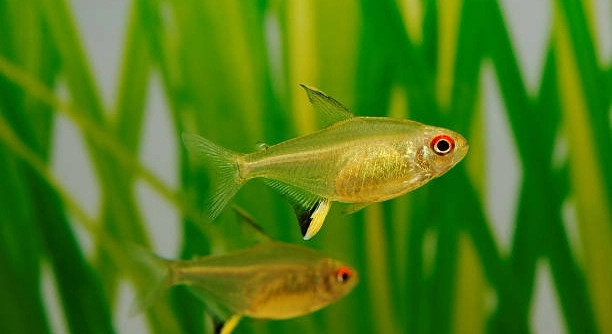
Lemon tetras are small, vibrant fish that bring life to any aquarium. Observing their behavior can reveal how comfortable they feel in their new environment. Settling in is an important step for their overall health and activity.
When lemon tetras are adjusting to a new tank, they exhibit specific behaviors such as schooling closely together, exploring their surroundings, feeding actively, maintaining bright coloration, swimming calmly, showing minimal stress signs, and interacting with other tank mates consistently.
Recognizing these subtle behaviors helps ensure a smooth transition and a thriving aquatic environment for your lemon tetras. Observing closely can make all the difference in their well-being.
Schooling Together
Lemon tetras naturally swim in groups, and seeing them move together is a sign they are feeling secure. When they stick close to each other, it shows they are comfortable in the tank environment. Newly introduced fish may initially hide or swim erratically, but over time, they begin to form a loose school. Watching them glide together calmly along plants and decorations indicates trust in their surroundings. This behavior also helps reduce stress because being in a group makes them feel safer. Tank layout and water conditions affect how quickly they start schooling. Providing hiding spots and gentle lighting encourages them to explore and interact. The more they school together, the more settled they appear. Over weeks, their synchronized movement becomes smoother and more consistent, reflecting their adaptation. Observing this pattern regularly can help you gauge their overall comfort and emotional state within the aquarium.
Schooling closely shows that lemon tetras feel secure and connected to their environment, marking an important sign of adaptation.
Consistent schooling improves their confidence and reduces stress. It also indicates that tank conditions meet their needs. Over time, you may notice that schooling becomes more coordinated. Fish begin to follow a rhythm, moving with subtle cues from each other. This not only reflects comfort but also strengthens social bonds within the group. Fish that are unsettled may dart, hide, or avoid others, whereas those who school confidently demonstrate healthy adjustment. Maintaining proper water quality, providing sufficient space, and ensuring compatible tank mates all contribute to this behavior. Observing this pattern daily offers insight into their overall health, showing that they are thriving and fully engaging with their environment.
Active Exploration
Active swimming and investigating decorations or plants is a key sign of settling in. Lemon tetras that explore regularly are gaining confidence.
Exploring their surroundings indicates comfort and curiosity. It shows they trust the environment and are not stressed.
Fish that move freely between hiding spots, swim around plants, and investigate the tank corners are displaying natural behavior. Active exploration is a good measure of health and well-being. Fish that remain hidden or inactive may feel insecure, highlighting areas for improvement in tank setup. Over time, as they explore, they establish routines and patterns within the tank. Observing how they interact with different areas can help you adjust plants, decorations, and hiding spots for optimal comfort. The more time they spend exploring, the more settled they are. This behavior also encourages feeding and strengthens social bonds, as active fish often interact more with each other. A well-arranged tank fosters continuous activity and reduces stress, leading to a healthier, more vibrant group of lemon tetras.
Bright and Consistent Color
Bright coloration in lemon tetras signals good health and comfort. Fish that are settling in display vivid yellow and silver hues, while stressed or unsettled fish may appear dull or faded.
When lemon tetras are comfortable, their scales reflect light naturally, creating a vibrant appearance throughout the tank. Changes in water temperature, diet, and lighting can impact coloration, so maintaining stability is important. Fish that are stressed often show muted colors or uneven patterns, indicating they are not fully adapted. Regular feeding with a balanced diet supports consistent pigmentation, while keeping water parameters stable reduces stress. Observing their colors daily can provide insight into their well-being.
Color consistency also shows emotional stability. When lemon tetras are relaxed, they maintain brightness even during brief disturbances or interactions with other fish. Dull or fluctuating coloration may indicate minor stress, disease, or insufficient nutrition. Keeping plants, hiding spots, and clean water helps them retain their natural hues. Over time, consistent brightness demonstrates that they are fully adjusted to the environment, interacting naturally and feeding actively, signaling a healthy, settled group.
Calm and Predictable Swimming
Calm swimming patterns indicate comfort and confidence in the tank. Lemon tetras that glide smoothly without erratic bursts are settling in well.
When swimming is predictable and even, fish show that they feel safe. Unsettled fish may dart suddenly or hide frequently, while calm swimming reflects adaptation.
Regular, gentle movement demonstrates that fish have established familiarity with their space. Swimming steadily around plants, corners, and open areas without hesitation shows comfort and reduces stress levels. Fish begin to recognize their surroundings and adapt their behavior accordingly, minimizing sudden reactions to minor disturbances. Over time, their movement becomes more synchronized, particularly when in a school. Consistent, calm swimming indicates that tank conditions, including water parameters and space, meet their needs. Observing patterns of movement can help identify early signs of stress or discomfort, allowing adjustments before problems arise.
Interaction with Tank Mates
Interaction with other fish reflects comfort and social adjustment. Lemon tetras that engage appropriately with their group are settling in successfully.
Healthy interactions involve swimming together, gentle chasing, and coordinated schooling. Aggression or avoidance may indicate stress or improper tank conditions.
Fish that socialize well show predictable behaviors within the group, such as following each other, maintaining spacing, and occasionally nudging. These interactions strengthen social bonds and reduce anxiety, allowing all individuals to thrive. Tank layout, hiding spaces, and compatible species influence these behaviors, as well-arranged environments encourage positive engagement. Observing these interactions over days or weeks shows whether fish have fully adapted to their companions and space. Disrupted or minimal interaction can signal the need for adjustments in stocking levels or tank enrichment. Healthy engagement supports feeding, reduces stress, and ensures that lemon tetras are active and settled within the aquarium.
Regular Feeding
Settled lemon tetras feed actively and consistently. They approach food quickly and show interest during mealtimes, indicating confidence in their environment.
Fish that eat regularly without hesitation are adapting well. Sudden refusal to feed can be a sign of stress or discomfort, while steady feeding reflects health and comfort.
Minimal Stress Signs
Lemon tetras that are comfortable display few stress behaviors. They rarely hide for long periods and avoid erratic swimming. Their fins remain intact, and gill movement is calm. Consistent water quality and stable tank conditions help maintain this state. Observing these subtle indicators confirms that the fish are adjusting properly.
Exploring the Full Tank
Settled lemon tetras move throughout the entire tank rather than staying near one area. This shows they are confident and familiar with their surroundings.
FAQ
How long does it take for lemon tetras to settle in?
Lemon tetras usually begin showing signs of comfort within one to two weeks, though complete adjustment can take up to a month. This depends on tank conditions, water quality, and how well they adapt to new surroundings. Providing hiding spots and stable lighting accelerates the process.
Why do lemon tetras school tightly at first?
Tight schooling is a natural response to feeling insecure in a new environment. As they become more familiar with the tank, the group spreads out while still maintaining cohesion. This behavior helps them feel safe and reduces stress while exploring their surroundings.
What does it mean if their colors are dull?
Dull or faded colors often indicate stress, illness, or poor water quality. Ensuring proper diet, stable water parameters, and a calm environment helps restore their natural brightness. Once they feel safe, their colors return to vivid yellow and silver.
Is hiding always a bad sign?
Not always. Lemon tetras naturally seek hiding spots for safety, especially when first introduced. Frequent or prolonged hiding, combined with lack of feeding or erratic swimming, may indicate stress or illness. Watching for changes over time provides a clearer picture of their comfort.
How often should they swim actively?
Active swimming is a good indicator of comfort. Healthy lemon tetras will explore, interact with tank mates, and swim consistently throughout the day. Inactivity, erratic bursts, or hovering near the bottom may signal adjustment issues or poor water conditions.
Can tank mates affect settling in?
Yes, other fish can influence how quickly lemon tetras adjust. Aggressive or overly dominant species may stress them, while calm, compatible fish encourage schooling, exploration, and social interaction. Proper stocking and observation help maintain a harmonious tank environment.
How can I encourage them to feed regularly?
Offering a varied diet and feeding at consistent times helps establish routine. Start with small amounts to prevent overfeeding and ensure all fish have access. Active, well-fed fish show that they are adjusting and thriving in their habitat.
Do lemon tetras ever stop schooling completely?
No, schooling is an innate behavior. The tightness of the school may vary depending on comfort, light, or tank activity. A relaxed, spread-out school is a positive sign, while isolated individuals may indicate stress or illness. Monitoring these patterns helps track adaptation.
What water conditions support quick settling?
Stable temperature, pH, and clean water are essential. Lemon tetras thrive in slightly acidic to neutral water, around 24–27°C (75–80°F). Regular water changes, proper filtration, and monitoring parameters ensure they remain comfortable and healthy.
How can I tell if they are fully settled?
Signs of full adjustment include calm swimming, consistent feeding, bright colors, active exploration, schooling behavior, minimal stress, and regular interaction with tank mates. Observing these behaviors over several weeks confirms that lemon tetras feel secure and confident in their environment.
Can sudden changes affect their adjustment?
Yes, abrupt changes in lighting, water parameters, or tank decorations can stress lemon tetras. Gradual adjustments allow them to adapt without anxiety, helping maintain stable behavior and health.
Is it normal for them to dart sometimes?
Occasional bursts of speed are natural for playful activity or minor disturbances. Frequent darting, especially accompanied by hiding or fin clamping, may indicate stress, poor water quality, or incompatible tank mates.
How important is tank size for settling in?
Lemon tetras need space to swim and school comfortably. Small or overcrowded tanks increase stress, reduce activity, and affect health. Providing enough room, decorations, and plants encourages natural behavior and quicker adjustment.
What role does lighting play in comfort?
Soft, consistent lighting helps them feel secure. Bright or fluctuating lights may trigger hiding or erratic swimming. Gradual transitions and shaded areas mimic natural conditions, supporting calm and confident behavior.
Can feeding too much or too little affect settling?
Yes, overfeeding can lead to water quality issues, while underfeeding stresses fish and reduces activity. Consistent, appropriate feeding ensures health, encourages active swimming, and reinforces their comfort in the tank.
Are lemon tetras social with humans?
They recognize movement and presence but remain primarily focused on their tank and companions. Calm observation can reduce stress, while sudden movements may trigger hiding or darting behavior.
What plants or decorations help them feel secure?
Live or artificial plants, rocks, and caves provide hiding spots and resting areas. Varied decorations allow exploration and reduce stress, promoting natural schooling, feeding, and interaction behaviors.
Do all lemon tetras settle at the same rate?
No, individual fish adjust differently. Factors such as age, temperament, and previous environment influence settling speed. Observing each fish separately ensures proper care and attention to any that need extra support.
How long should I observe their behavior daily?
Short, consistent observations are effective. Watching for calm swimming, feeding patterns, and schooling behavior helps detect early signs of stress or illness without causing disturbance. Ten to fifteen minutes a day is usually sufficient.
What if a fish never seems comfortable?
Persistent hiding, lack of feeding, faded color, or erratic swimming may require reviewing water parameters, tank setup, or health issues. Consulting a professional or experienced hobbyist can provide solutions to help them adjust safely.
Can temperature fluctuations affect their behavior?
Yes, even minor changes can impact activity, feeding, and coloration. Maintaining a stable, appropriate temperature range prevents stress and supports overall adjustment and health.
How important is a proper diet for settling in?
A balanced diet rich in nutrients supports color, energy, and immune health. Well-fed fish swim actively, explore, and interact confidently, signaling comfort and adaptation. Feeding variety also reduces boredom and encourages natural behaviors.
Do lemon tetras need hiding spots as they settle?
Yes, hiding spots reduce stress and provide a sense of security. Plants, caves, and decorations allow them to feel safe while gradually exploring and interacting with the tank.
Can water flow affect adjustment?
Strong currents may stress lemon tetras, while gentle flow mimics natural conditions and encourages swimming without fatigue. Adjusting filtration or adding plants can moderate water movement.
Are settled lemon tetras more active at certain times?
Yes, they tend to be more active during consistent light periods, particularly in the morning and late afternoon. Activity patterns can indicate comfort and routine.
How do I know if tank mates are compatible?
Observing interactions is key. Calm, non-aggressive species that swim in similar areas encourage schooling and exploration, while aggressive or overly dominant fish may cause stress and hinder adjustment.
Can illness affect their settling behavior?
Yes, sickness can cause hiding, lack of appetite, or erratic swimming. Early detection and treatment are important to restore normal behavior and comfort in the tank.
Is gradual acclimation necessary when introducing lemon tetras?
Absolutely. Slowly adjusting them to temperature, water chemistry, and tank conditions reduces stress and supports healthy behavior, allowing faster and safer settling.
How can I reduce stress during tank maintenance?
Minimizing sudden changes, keeping lights dimmed, and moving slowly during water changes or cleaning prevents disruption and allows fish to maintain calm, settled behavior.
Are settled lemon tetras less likely to fight?
Yes, comfort reduces territorial or aggressive behavior. Stress and overcrowding increase conflicts, but a stable, spacious environment encourages peaceful interaction and schooling.
How do I monitor for subtle signs of stress?
Look for changes in color, swimming patterns, schooling tightness, or reduced feeding. Small deviations from normal behavior often indicate adjustment issues or environmental concerns.
Does the number of lemon tetras affect settling?
Yes, having at least six fish helps maintain natural schooling behavior, reduces anxiety, and supports social interaction. Smaller groups may appear timid or isolated, slowing adaptation.
Can settling behavior indicate overall tank health?
Yes, fish behavior reflects water quality, temperature, and tank environment. Calm swimming, consistent feeding, and bright colors signal stable conditions and a healthy ecosystem.
How long should I wait before adding new tank mates?
It is best to wait until lemon tetras are fully settled, usually several weeks, to prevent stress and allow established social structures to form.
Can seasonal changes affect their comfort?
Seasonal temperature fluctuations or lighting changes may temporarily influence behavior. Consistent tank conditions help maintain stability regardless of external seasons.
What role does observation play in their well-being?
Regular, attentive observation helps detect issues early, monitor adaptation, and ensure a safe, comfortable environment for lemon tetras, promoting long-term health and happiness.
How do I know if my tank size is sufficient?
If fish swim freely, school naturally, and interact without stress, the tank is likely adequate. Crowding, limited swimming space, or frequent conflicts indicate a need for more room.
Are settled lemon tetras more predictable in behavior?
Yes, they follow routines in swimming, feeding, and social interaction, reflecting comfort and stability in their habitat. Unpredictable or erratic behavior often signals stress or environmental issues.
How does water quality impact their adjustment?
Poor water quality increases stress, dulls color, and reduces activity. Maintaining clean, stable water ensures proper acclimation, feeding, and natural behaviors, supporting healthy, settled fish.
Can decorations influence their confidence?
Yes, well-placed plants, rocks, and caves provide safe areas and encourage exploration. Thoughtful decoration placement supports natural schooling and active, confident behavior.
Do settled lemon tetras show consistent patterns over time?
Yes, calm swimming, bright colors, regular feeding, and social interaction become predictable signs of comfort. Monitoring these patterns ensures ongoing health and well-being.
How can I help shy fish adapt faster?
Providing gentle lighting, adequate hiding spots, calm tank mates, and consistent feeding routines reduces anxiety and encourages confident behavior in hesitant individuals.
Is it normal for them to explore more over time?
Yes, as confidence grows, they expand their range, investigate decorations, and interact more, signaling that they feel secure in the tank environment.
How do I balance feeding and water cleanliness?
Feed small portions at regular intervals and remove uneaten food promptly. This ensures nutrition without compromising water quality, supporting healthy behavior and comfort.
Are there behaviors that indicate over-adjustment stress?
Excessive chasing, tight schooling, or constant hiding may suggest temporary stress from environmental changes. Adjusting tank conditions and observing calmly helps restore balance.
Can observation help prevent illness?
Yes, noticing subtle changes in color, movement, or feeding allows early intervention, reducing the risk of disease and supporting smooth adjustment.
Do settled fish interact differently with each other than new arrivals?
Yes, settled fish display predictable schooling, social hierarchy, and coordinated swimming, while newcomers may appear hesitant, isolated, or overly cautious.
How important is consistency in maintenance routines?
Consistent cleaning, feeding, and monitoring create a predictable environment, reducing stress and supporting long-term adaptation and health in lemon tetras.
Can temperature swings cause color fading?
Yes, sudden temperature changes can dull colors temporarily and stress fish. Stable, appropriate temperatures maintain vibrant hues and calm behavior.
What is the best way to introduce new lemon tetras?
Gradually acclimate them in a separate container or with a divider before full release. This allows adjustment without disrupting settled fish.
How do I know if a fish is not adapting?
Signs include constant hiding, refusal to feed, erratic swimming, dull coloration, and lack of interaction. Early intervention can help address underlying causes.
Can settled lemon tetras indicate proper tank setup?
Yes, consistent bright colors, active swimming, schooling, and feeding show that water quality, space, and tank environment are suitable for their needs.
How can I encourage social interaction?
Provide adequate space, hiding spots, and calm, compatible tank mates. Observing and adjusting the environment promotes natural schooling, play, and comfort.
Does light cycle affect behavior?
Yes, a stable day-night cycle encourages active swimming, feeding, and interaction. Abrupt changes can cause hiding or stress, impacting adjustment.
Are settled lemon tetras more predictable in feeding patterns?
Yes, regular feeding times, interest in food, and smooth competition within the group indicate comfort and routine adaptation.
Can tank layout changes disrupt settled fish?
Sudden rearrangements may temporarily stress fish. Gradual changes and maintaining familiar hiding spots minimize disruption and maintain calm behavior.
How do I maintain their confidence long-term?
Stable water, consistent feeding, adequate space, gentle lighting, and compatible companions support ongoing comfort, predictable behavior, and vibrant coloration.
Can a single stressed fish affect the group?
Yes, a visibly stressed fish may influence schooling, feeding, or exploration patterns. Early identification and adjustment help maintain harmony.
Is observing behavior more important than checking water parameters?
Both are critical. Observation detects stress, illness, or adaptation issues, while water monitoring ensures the environment supports long-term health and comfort.
Do settled lemon tetras interact more with their environment?
Yes, they explore plants, decorations, and open spaces confidently, indicating comfort and familiarity. Unsettled fish remain near hiding spots.
Can regular observation reduce long-term problems?
Yes, monitoring behavior and health allows early intervention, prevents stress-related issues, and ensures lemon tetras remain settled and thriving.
How do I balance curiosity and caution in new fish?
Provide secure hiding spots, gradual exposure to tank conditions, and calm companions. This encourages exploration while maintaining a sense of safety.
Do all lemon tetras show the same settling behaviors?
While most display similar signs, individual personality, age, and previous environment can affect timing and intensity of behaviors like schooling, feeding, and exploration.
How do I track subtle changes over time?
Keep notes on feeding, swimming, coloration, and interaction patterns. Comparing daily observations helps identify early signs of stress or discomfort.
Is it normal for fish to revisit hiding spots even when settled?
Yes, occasional use of hiding places provides comfort, security, and a break from activity, even in fully adjusted fish.
Can frequent water testing help settling?
Yes, maintaining stable parameters ensures consistent conditions, reduces stress, and supports natural behaviors and healthy adaptation.
Are settled lemon tetras easier to care for?
Yes, calm swimming, consistent feeding, and predictable interaction reduce stress for both fish and caretaker, making routine maintenance smoother and more reliable.
Do they show personality once settled?
Yes, individual traits like boldness, curiosity, or caution become more apparent as they adjust, reflecting comfort and confidence in the tank.
Can gradual tank changes support long-term stability?
Yes, slowly adjusting water conditions, decorations, or companions minimizes stress, reinforces positive behaviors, and maintains settled routines.
How can I tell if they enjoy their environment?
Consistent swimming, bright colors, regular feeding, schooling, and exploration are all indicators that lemon tetras feel secure and comfortable.
Is it normal for their behavior to fluctuate slightly?
Yes, minor changes in activity or schooling are natural. Significant or prolonged deviations may indicate stress or environmental issues needing attention.
Do settled lemon tetras adapt better to new fish later?
Yes, confident, established fish are generally more resilient and less stressed when new tank mates are introduced gradually.
How do I encourage natural behavior?
Provide hiding spots, gentle lighting, compatible companions, proper nutrition, and stable water parameters. Observing patterns and adjusting the environment supports thriving, settled fish.
Can tank location affect settling?
Yes, areas with minimal vibration, consistent temperature, and moderate light reduce stress and promote confident behavior.
Is regular cleaning stressful for them?
If done gently and consistently, routine maintenance does not disrupt settled fish. Sudden or rough cleaning can cause temporary hiding or darting.
How important is patience in the settling process?
Patience allows fish to adapt naturally, reducing stress and encouraging confident, healthy behaviors. Rushing changes can hinder adjustment and well-being.
Can stress behaviors return after settling?
Yes, sudden environmental changes, illness, or incompatible tank mates can temporarily trigger stress. Monitoring and adjustments restore comfort.
How do I maintain bright colors long-term?
Stable water, proper diet, adequate space, and low stress levels support consistent coloration and overall health in lemon tetras.
Do settled lemon tetras show more predictable schooling?
Yes, patterns become steady, synchronized, and coordinated. Deviations often indicate environmental or social stress requiring attention.
How do I support shy or timid fish?
Provide additional hiding spots, calm companions, and gentle feeding routines. Observing quietly encourages confidence without forcing interaction.
Is it normal for fish to test boundaries?
Yes, occasional exploration of new areas or interactions with tank mates is a natural part of adaptation and confidence-building.
Can observation prevent long-term health problems?
Yes, detecting subtle behavioral changes early allows corrective actions, maintaining a healthy, stable, and comfortable environment.
How do I know if they are thriving?
Active swimming, bright coloration, consistent feeding, schooling, and exploration show that lemon tetras are well-adjusted and enjoying their environment.
Can minor adjustments improve comfort?
Yes, small changes in hiding spots, lighting, or tank layout can reduce stress and support confident, settled behavior.
How do settled lemon tetras respond to disturbances?
Calm, confident fish return quickly to normal behavior after brief disruptions, while stressed fish may hide or dart excessively.
Do they require constant monitoring once settled?
Regular observation is important, but settled fish generally maintain predictable routines, making long-term care easier.
Can they settle in a smaller tank if well-maintained?
Yes, adequate space, hiding spots, and stable water allow comfort, though larger tanks better support natural schooling and exploration.
Are settled lemon tetras less prone to disease?
Yes, comfort reduces stress, supports immune function, and encourages regular feeding, lowering susceptibility to illness.
How do I maintain harmony among tank mates?
Observe interactions, provide adequate space, hiding spots, and compatible species. Adjust as needed to prevent stress and aggression.
Do settled lemon tetras change behavior with age?
Yes, activity levels may decrease slightly, but schooling, feeding, and exploration behaviors generally remain consistent with continued care.
Can settling behavior indicate future breeding potential?
Confident, well-adjusted fish display natural behaviors and social interaction patterns that support reproductive readiness in healthy conditions.
How do I track their adjustment over months?
Keep notes on feeding, swimming, coloration, social behavior, and interaction with the environment. Comparing patterns shows trends in comfort and health.
Is it normal for behavior to vary by time of day?
Yes, activity often peaks during light periods, with calmer periods at night. Settled fish follow predictable rhythms without excessive hiding.
Can stress from other sources affect their settling?
Yes, noise, vibrations, or temperature swings can influence comfort, even if water quality
Final Thoughts
Lemon tetras are small, active fish that bring energy and color to a tank, but their comfort depends on proper care and attention. Observing their behavior closely is one of the best ways to understand how well they are settling in. From schooling together to exploring their environment, these fish show subtle signs that reflect both their physical and emotional health. Bright coloration, calm swimming, regular feeding, and interaction with tank mates are all indicators that they feel secure. Stress signs such as hiding, erratic swimming, or faded colors can indicate problems in their environment, diet, or water quality. Maintaining clean water, stable temperature, and consistent lighting helps reduce stress and encourages natural behaviors. Adequate hiding spots and decorations allow them to feel safe while exploring and interacting with the tank. Over time, observing these behaviors provides insight into their adjustment and well-being.
Providing a balanced diet is essential for both health and comfort. Lemon tetras that feed actively are more likely to stay bright and energetic. Introducing a variety of foods ensures they receive proper nutrition and encourages natural behavior. Consistent feeding times help establish routine, while avoiding overfeeding prevents water quality issues that could stress the fish. Water conditions, including temperature, pH, and cleanliness, play a significant role in their adjustment. Fluctuations or poor water quality can cause stress, illness, or dull coloration. Tank mates also influence how lemon tetras settle in. Peaceful, compatible species support schooling and exploration, while aggressive or dominant fish can increase anxiety and hinder adaptation. Observing interactions helps maintain harmony and supports confident, settled behavior.
Patience and careful observation are key to ensuring that lemon tetras thrive. Each fish may adjust at its own pace, with some showing confidence quickly while others take longer to feel secure. Gradual changes to the tank, such as adding new decorations, adjusting lighting, or introducing tank mates, help prevent stress. Regular monitoring of behavior, swimming patterns, coloration, and feeding provides early insight into any potential issues. Over weeks and months, consistent care and a stable environment allow lemon tetras to display their natural behaviors fully. Settled fish are more predictable, interact confidently with their companions, and contribute to a harmonious aquarium. Paying attention to their subtle signs ensures long-term health, comfort, and activity, making the tank a thriving, balanced habitat for lemon tetras.

Hello,
If you enjoy the content that we create, please consider saying a "Thank You!" by leaving a tip.
Every little bit helps us continue crafting quality advice that supports the health, happiness, and well-being of pets around the world, for pets of all shapes, sizes, and species.
We really appreciate the kindness and support that you show us!