
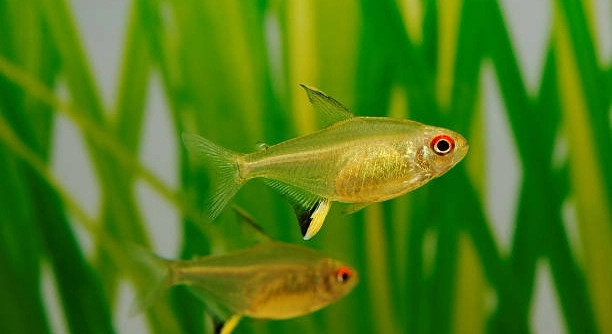
Have you ever noticed your lemon tetra showing small changes in movement, adding a different feeling to your usually calm aquarium as its behavior shifts in a way that quietly catches your attention each day.
Lemon tetras can exhibit mild territorial behavior under certain conditions, particularly when space is limited or resources are inadequate. Such behavior often appears as subtle aggression or increased spacing preferences that help maintain stability within their group over time too.
These subtle patterns can guide you toward an understanding of your lemon tetra, helping you care for it with confidence.
Understanding Lemon Tetra Behavior
Territorial habits in lemon tetras tend to appear when their surroundings fail to give them enough room to feel comfortable, and understanding these habits helps you keep your aquarium calm. These fish usually prefer swimming in groups, however certain situations may cause one or two individuals to guard small areas more often. You might notice subtle chasing, slightly tense movement, or a quiet attempt to claim a plant or decoration. These actions can become more visible when the tank is overcrowded, the layout is too open, or the group size is lower than recommended. By watching these shifts, you can respond early and prevent larger conflicts from forming. Small adjustments to the environment can help your fish settle, making their daily activity smoother and more predictable. Creating a stable setup often reduces unnecessary tension, allowing each fish to interact with others in a way that feels natural, steady, and comfortable.
Recognizing these shifts helps you respond early by adjusting space, plants, and group size, ensuring each lemon tetra feels settled. Clear structure in the tank reduces tension, supports stable swimming patterns, and keeps the group functioning smoothly without unnecessary conflict shaping their behavior or disturbing their usual calm daily rhythm.
Many territorial signs become easier to manage when the aquarium setup matches the natural needs of lemon tetras, and this often begins with understanding how group behavior influences their comfort. A larger group usually spreads attention, lowering the chance of one fish acting possessive over a section of the tank. Dense plants, varied structures, and gentle lighting help them feel shielded without creating sharp boundaries that lead to conflict. When these elements work together, the fish tend to swim more freely, displaying smoother interactions that reflect a balanced environment, reduced stress, and a healthier dynamic for the entire group. Daily.
Managing Territorial Actions
Territorial behaviors often settle once the tank layout, water quality, and social balance meet the basic needs of lemon tetras, giving them steady movement patterns and predictable spaces that reduce tension and support healthier interactions throughout activity in a calm and stable environment for every fish in the aquarium.
Managing territorial behavior in lemon tetras becomes easier when you understand how space, group structure, and environmental features influence their comfort. A well arranged tank provides natural barriers that soften visual contact and reduce the need for a fish to claim an area. Adding plants, driftwood, and gentle hiding spots creates a layout that feels safe without forming isolated pockets that restrict movement. Group size also plays a significant role, since a larger school encourages smoother interactions and prevents one fish from becoming overly focused on guarding a single spot. Stable water conditions support calm behavior too, giving each fish a consistent setting that limits stress. When stress levels decrease, the need to establish control over a patch of the tank usually fades. Feeding routines can shape interactions as well, especially if food is spread throughout the tank instead of concentrated in one place. This approach keeps fish from gathering too tightly, lowering competitive behavior that often leads to territorial responses. Over time, these adjustments help create a balanced environment where lemon tetras swim confidently, share space more evenly, and maintain a natural rhythm that supports long term stability across the entire aquarium. These choices make care feel more rewarding.
xxxxxxxxxxxxxxxxxxx
Territorial behavior often becomes noticeable when lemon tetras react to limited space or uneven group structure, creating small moments of tension in the tank. I have seen these shifts appear without warning, showing how quickly their comfort level can change when conditions begin to feel slightly restrictive for them too.
Providing more structure in the tank can help reduce these behaviors by giving each lemon tetra a sense of security. I try to keep plants arranged in a way that softens their view of each other, lowering tension as they move around. When the environment feels balanced, their interactions become smoother and less intense. Each small adjustment helps them settle, creating a space where they can swim with ease. Even simple changes like shifting decorations or widening open areas can make a noticeable difference, helping them maintain calm patterns that support a more stable group dynamic over time, each day.
Watching their behavior closely makes it easier to understand which parts of the tank cause tension. I usually look for areas where one fish lingers too long or chases others away, since these spots often need rearranging. Adding extra plants or breaking up open spaces can shift their focus and relieve pressure. When the environment no longer encourages guarding, the group settles into more even swimming patterns. Consistent layouts also help, giving them familiar paths that feel safe and predictable. Over time, these steady conditions support improved interactions and reduce the chances of territorial behavior forming again for them overall.
xxxxxxxxxxxxxxxxxxx
Stable conditions can reduce most signs of territorial behavior, especially when tank space and group structure remain consistent. I try to keep lighting soft and water parameters steady, since sudden changes often make lemon tetras more reactive. When their surroundings stay predictable, they swim with calmer patterns, avoiding unnecessary guarding that disrupts the group. These small steps help reinforce balance and create smoother interactions within the aquarium each day for their overall comfort and wellbeing.
Keeping an aquarium stable for lemon tetras involves more than arranging decorations. I find that steady routines make a noticeable difference in how relaxed they appear while swimming. Regular water changes, balanced filtration, and even feeding schedules all influence their comfort. When these elements stay consistent, the fish feel less pressure to claim areas, allowing them to interact more naturally. It also helps to avoid sudden rearrangements unless necessary, since abrupt changes can cause confusion that leads to renewed guarding. Soft lighting and gentle flow give them a sense of security, encouraging them to explore the entire tank without hesitation. Over time, these choices create an environment that supports calm behavior, reliable group structure, and a smoother rhythm that keeps territorial actions from returning again.
xxxxxxxxxxxxxxxxxxx
Small changes in the aquarium often shape how lemon tetras behave, especially when they adjust to new surroundings or shifting layouts inside the tank. I notice slight tension appearing when certain areas feel too exposed, encouraging one fish to guard a corner more than usual without clear warning signs nearby.
I try to respond early by rearranging plants or decorations to soften how they view each other. These small adjustments usually calm the group since they remove sharp boundaries that cause tension. When the tank feels balanced, their swimming becomes smoother and less focused on claiming specific spots each day.
xxxxxxxxxxxxxxxxxxx
Tank structure plays a major role in how comfortable lemon tetras feel, and I have learned that even slight changes can influence their behavior. Adding plants with varied heights gives them gentle cover while still allowing open areas for movement. This helps reduce the urge to guard spaces. I also watch how each fish interacts with the group since their spacing patterns reveal which sections need better balance. When the environment supports steady swimming and easy access to hiding spots, the fish behave more calmly. These changes guide them toward healthier interactions that depend on stable conditions and predictable surroundings.
xxxxxxxxxxxxxxxxxxx
Small territorial signs often fade when the tank remains steady and predictable, giving lemon tetras fewer reasons to react defensively. I try to keep routines simple and consistent because this helps them settle. When tension drops, their group behavior becomes smoother and more peaceful overall in their daily tank activity.
FAQ
Can lemon tetras harm each other when being territorial?
Yes, lemon tetras can occasionally nip or chase one another when establishing boundaries, especially in a crowded tank. I have noticed that minor squabbles are usually brief and don’t lead to lasting injuries. Most of the time, these behaviors are more about asserting presence than causing real harm. Adjusting the tank layout and ensuring enough swimming space significantly reduces these incidents, letting each fish interact without constant stress.
How many lemon tetras should I keep together to reduce territorial behavior?
A group of at least six or more lemon tetras works best. I find that larger schools naturally spread attention and reduce focus on any one area. When there are fewer fish, one or two may feel pressure to claim certain spots, leading to more noticeable guarding or chasing behaviors. Maintaining a balanced group size encourages smoother movement and calmer interactions across the tank.
Does tank size affect territorial tendencies?
Tank size is crucial. In a small aquarium, I often see subtle tension quickly escalate because the fish have limited space to move freely. A tank that is at least 20 gallons for a small group gives each lemon tetra room to swim, hide, and explore without feeling threatened. Providing vertical and horizontal space is equally important because it allows them to establish personal zones naturally, reducing stress-induced territorial behavior.
Will adding plants help control aggression?
Yes, plants create natural boundaries and hiding spots, which reduce tension in the group. I like to place dense plants in corners and taller plants in the middle, which softens sightlines and prevents one fish from feeling like it owns a particular area. Floating plants can also break up open spaces, giving them a sense of safety. Over time, these adjustments lead to calmer interactions and fewer defensive displays.
Can lemon tetras coexist with other species if territorial?
They usually do well with peaceful community fish. I have found that pairing them with non-aggressive species like small rasboras, guppies, or corydoras works best. Avoid fish that are very large or overly aggressive, as this increases stress and can trigger more defensive behavior in the tetras. When the tank balance is right, territorial tendencies remain subtle and manageable.
Do water conditions influence territorial behavior?
Absolutely. I always check water temperature, pH, and hardness because sudden changes can make lemon tetras more reactive. Consistent, stable water conditions help them feel secure and reduce stress-driven behaviors. Even minor fluctuations can cause restlessness, which may increase chasing or guarding behaviors in small areas of the tank. Keeping parameters steady makes a noticeable difference in group harmony.
How should feeding be managed to prevent disputes?
Distribute food evenly across the tank instead of placing it in a single spot. I usually sprinkle flakes or pellets in multiple areas, giving all fish equal access. When food is concentrated, stronger or more dominant fish may chase others, intensifying territorial behavior. Multiple feeding spots encourage sharing and reduce competition, helping the group stay calm during meal times.
Is it normal for one lemon tetra to be more dominant?
Yes, slight dominance is natural. I have observed one fish often taking the lead or being slightly more active in claiming space, but this rarely becomes aggressive if the tank setup is appropriate. Over time, the hierarchy stabilizes as each fish learns its role, and minor displays of dominance do not affect overall harmony in a well-maintained environment.
How can I tell if territorial behavior is becoming a problem?
Watch for prolonged chasing, constant nipping, or hiding. I usually notice tension when one fish repeatedly corners others or when multiple fish appear stressed for long periods. Healthy territorial behavior is brief and subtle, while problematic behavior persists and affects swimming, feeding, and general wellbeing. Adjusting space, decorations, and group size usually resolves these issues.
Can rearranging the tank reduce ongoing territorial disputes?
Yes. I often move plants, add hiding spots, or change decoration placement slightly. This breaks up established zones and encourages fish to explore new areas, reducing the need to guard specific sections. Even small changes can reset interactions, helping the group become calmer and more balanced.
Are lemon tetras naturally aggressive or peaceful?
They are naturally peaceful but can show minor territorial tendencies under certain conditions. In my experience, they are best described as mild and social, preferring to stay in groups where space, cover, and routine support calm interactions. With proper care, aggression is minimal and usually manageable through environmental adjustments.
Do territorial behaviors affect breeding?
Yes, but only slightly in well-maintained tanks. I have seen mild guarding around plants or specific corners when females prepare to spawn, but it does not usually lead to severe disputes. Ensuring enough space, plants, and hiding areas allows successful breeding without escalating tension between fish.
How long does territorial behavior last?
It can be temporary, often occurring when the tank changes or when fish are introduced. I notice that once the group adapts to space and structure, aggressive tendencies diminish. Stable conditions, consistent care, and adequate group size shorten the duration and intensity of territorial displays.
Can stress make lemon tetras more territorial?
Yes, stress increases defensive actions. I make sure water quality, temperature, and group dynamics are steady because stressed fish chase and guard more often. Reducing stressors like overcrowding or sudden changes leads to calmer interactions and fewer territorial conflicts overall.
Is it okay to leave territorial behavior alone if minor?
Minor, brief displays usually do not require intervention. I monitor the group to ensure no fish are injured or overly stressed. Small chasing or brief nips are natural and often resolve on their own once the environment remains stable. Observation and adjustments are key to maintaining harmony in the tank.
Lemon tetras are small, lively fish that bring a lot of energy to any aquarium, and understanding their behavior is key to keeping them calm and healthy. Territorial tendencies in these fish are usually mild, but they can become noticeable when the tank is overcrowded, the group size is too small, or the layout does not provide enough hiding spaces. I have noticed that even subtle changes in their environment can cause them to become more defensive, chasing or nipping at each other in brief moments. These behaviors are not signs of extreme aggression but are a natural way for them to organize their space and feel secure. Providing a tank that allows for swimming, exploration, and personal space helps minimize these displays and allows each fish to interact more comfortably with the others. Paying attention to the details of their environment, including plants, decorations, and open swimming areas, is essential for keeping the group relaxed and balanced over time.
Group size plays a critical role in reducing territorial behavior. Lemon tetras naturally prefer to be in schools, and I have found that keeping at least six or more in a tank spreads attention among all individuals, reducing the likelihood of one fish claiming a specific area. In smaller groups, it is easier for a single fish to feel the need to guard a corner or plant, which can increase tension and minor conflicts. By ensuring a larger, well-structured school, each fish has more options to move, hide, and interact without constantly being challenged. Stable routines, consistent water parameters, and predictable feeding also help the fish feel secure. Stress from sudden changes in water conditions, lighting, or tank layout can increase defensive behavior, so maintaining consistency is just as important as providing adequate space and group size. Over time, the combination of a steady environment and proper social structure leads to calmer, more predictable interactions within the school, making the tank easier to manage and more enjoyable to watch.
Adjustments in the tank itself can greatly improve harmony among lemon tetras. I usually make sure there are plenty of plants, decorations, and hiding spots to break up sightlines and reduce the need for any one fish to feel territorial. Floating plants or tall structures in the middle of the tank can soften open spaces and give shy individuals safe areas to retreat, while also encouraging exploration and balanced movement throughout the aquarium. Rearranging decorations occasionally helps reset the social dynamics and keeps the group from settling into rigid territories. Feeding practices also play a role, as spreading food across multiple areas prevents competition and reduces minor chasing or guarding behaviors. Observing how the fish interact daily allows me to make small changes that improve their comfort and overall behavior. When the tank is stable, well-planted, and properly managed, lemon tetras remain peaceful, social, and active, showing only the mildest signs of territorial behavior. These steps make it possible to enjoy a healthy, lively aquarium where every fish has space to thrive, swim confidently, and interact naturally with the group.

Hello,
If you enjoy the content that we create, please consider saying a "Thank You!" by leaving a tip.
Every little bit helps us continue crafting quality advice that supports the health, happiness, and well-being of pets around the world, for pets of all shapes, sizes, and species.
We really appreciate the kindness and support that you show us!