
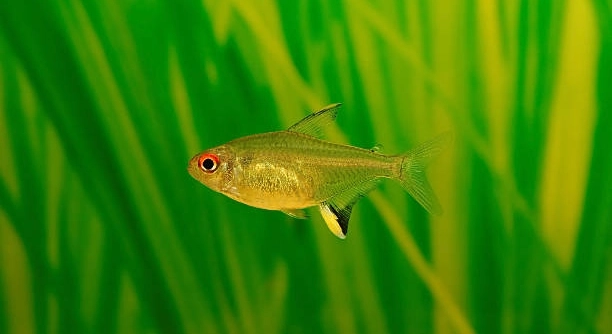
Do Lemon Tetra react to music or sound is a question that has fascinated many aquarium enthusiasts. These small, bright fish are known for their peaceful nature and active swimming habits in community tanks. Observing their behavior can be quite calming.
Lemon Tetra do show some responses to sound and vibrations in their environment. While they may not recognize music like humans, they can react to sudden noises or changes in water vibration, which can influence swimming patterns and schooling behavior.
Learning how they respond to various stimuli can improve tank management and ensure a comfortable environment for your fish. Understanding these reactions adds a new dimension to caring for Lemon Tetra.
How Lemon Tetra Sense Sound
Lemon Tetra have a lateral line system that allows them to detect vibrations and movement in the water. This system is very sensitive and helps them navigate, avoid obstacles, and stay alert for predators. Sudden noises, such as tapping on the tank or moving objects nearby, can make them dart quickly or cluster together. While they do not understand music or tones the way humans do, the vibrations can trigger subtle behavioral changes. Observing them, you may notice them slowing down, pausing, or changing direction in response to disturbances. Over time, they can become accustomed to consistent, low-level background noises, like soft aquarium pumps or air stones. It is important to maintain a stable environment because frequent loud sounds or sudden disruptions can increase stress levels. Keeping the aquarium in a calm space helps Lemon Tetra feel secure, supporting their natural swimming and schooling behavior without unnecessary anxiety.
Their responses to noise are mostly instinctual, driven by safety and awareness rather than recognition.
Regular observation allows you to notice which sounds affect them the most. Adjusting placement of the aquarium and limiting sudden movements near the tank helps maintain a peaceful environment. Paying attention to these behaviors ensures the fish remain comfortable and active, enhancing their overall health and longevity in your care.
Music and Aquarium Vibrations
Background music in a home usually does not directly affect Lemon Tetra behavior.
Vibrations from external sources, including speakers or household appliances, may create water movement that Lemon Tetra can sense. While soft and consistent vibrations might not cause stress, abrupt changes can startle them. The lateral line system detects these shifts, prompting small, immediate reactions such as darting or slight schooling adjustments. Tank setup, including plant placement and decorations, can influence how sound waves travel through the water, potentially amplifying or dampening their impact. Ensuring that your aquarium sits on a stable surface minimizes the intensity of vibrations. Maintaining a predictable routine in feeding and lighting helps them adapt better to minor environmental stimuli. Observing their swimming patterns and responses over time can reveal whether certain frequencies or sources of vibration are bothersome. Creating a quiet and steady environment allows Lemon Tetra to thrive naturally, with minimal unnecessary stress, supporting their active and healthy behavior in the tank.
Common Reactions to Sudden Sounds
Lemon Tetra often respond quickly to sudden noises by darting or clustering together. These reactions are instinctual, helping them feel secure and alert to potential threats in their environment.
When a loud sound occurs near the aquarium, Lemon Tetra may swim erratically or hide behind decorations. These fish rely heavily on their lateral line system to detect water vibrations, and abrupt changes can trigger short-term stress responses. Over time, frequent loud disturbances may cause them to become more skittish, altering normal schooling behavior. Watching closely, I noticed my fish pause and freeze when unexpected noises happened, only resuming normal swimming after a few moments. This shows how sensitive they are, even to minor disruptions in their surroundings, emphasizing the importance of a calm environment for consistent behavior.
Even minor vibrations, like tapping the glass or moving furniture nearby, can startle Lemon Tetra. Their quick, collective reactions are natural, allowing them to adapt to perceived threats. Limiting sudden disturbances keeps them calmer and maintains their active, predictable patterns in the tank.
Creating a Calm Environment
Consistent water conditions and minimal external noise help Lemon Tetra feel secure and reduce stress.
Stable temperatures, filtered water, and quiet surroundings are essential for their well-being. Decorations and plants provide hiding spots that absorb vibrations and reduce sudden stress. A predictable routine, including feeding at regular times and avoiding tapping the tank, keeps them comfortable. I found that placing the aquarium in a low-traffic area made the fish swim more confidently and interact naturally within their school. Gradually, they seemed less reactive to minor disturbances like distant talking or background household sounds. Maintaining a calm environment supports natural behaviors, encouraging active schooling, exploring, and healthier interactions with other tank mates. Proper placement and gentle handling significantly improve their overall mood and vitality, making the aquarium a peaceful and engaging space for both the fish and myself.
Observing Subtle Sound Responses
Lemon Tetra may twitch fins or shift positions slightly when exposed to soft vibrations. These subtle responses are not harmful but indicate they are sensing changes in their environment.
Even gentle movements near the tank can prompt small, coordinated adjustments. I noticed my fish often pause mid-swim, glance toward the source, then resume normal activity once the vibration stops.
How Tank Setup Affects Sound
The arrangement of decorations, plants, and substrate can influence how sound travels through the water. Heavier ornaments and dense plant areas tend to absorb vibrations, reducing the impact of external noises. Open spaces allow vibrations to move more freely, making Lemon Tetra more aware of changes. I arranged my tank with a mix of open areas and planted sections, and the fish appeared calmer overall. Floating plants also helped diffuse minor disturbances. Even the type of substrate matters; sand or fine gravel absorbs some vibrations, while larger pebbles transmit them more easily. Small adjustments can make the environment more stable, minimizing unnecessary stress for the fish.
Signs of Stress from Noise
Frequent darting, hiding, or loss of appetite may indicate stress from repeated vibrations.
Do Lemon Tetra enjoy music?
Lemon Tetra do not perceive music the way humans do. They respond to vibrations and changes in water movement rather than melodies or rhythms. Soft background music will usually have no noticeable effect on their behavior, while sudden, loud vibrations from speakers can startle them. In my experience, keeping music at a low volume and away from the tank allowed the fish to swim naturally without disruption. Their reactions are instinctual rather than an appreciation of sound, so it’s best to focus on maintaining a stable environment rather than testing different genres of music.
Can Lemon Tetra hear human voices?
Lemon Tetra cannot hear voices in the same way humans do. They detect vibrations traveling through the water rather than sound waves through air. Speaking near the aquarium produces minor water movement that they can sense, but it is usually too subtle to trigger strong reactions. I noticed that gentle talking nearby rarely caused any noticeable change in swimming patterns. Abrupt movements or tapping the tank is more likely to elicit a response than normal conversation. Their lateral line system is tuned for detecting immediate physical disturbances in their environment, helping them avoid danger or respond to sudden changes.
What kind of sounds stress Lemon Tetra?
Lemon Tetra are most stressed by sudden or loud noises that cause strong vibrations in the water. Tapping on the glass, moving heavy objects near the tank, or loud household appliances can provoke rapid swimming, hiding, or clustering together. I observed that consistent, minor background noises, like a running filter or air pump, do not stress them. Stressful sounds tend to be abrupt and unpredictable, triggering instinctive fear reactions. Minimizing these disturbances and ensuring a calm space around the aquarium helps reduce stress, keeps them active, and maintains their natural schooling behavior without unnecessary anxiety.
How do Lemon Tetra react to continuous vibrations?
Continuous vibrations, such as those from nearby speakers or mechanical equipment, usually cause mild alertness rather than panic. The fish may swim slower, hover in place, or occasionally cluster together. Over time, they may habituate to consistent, non-threatening vibrations. I noticed that maintaining a steady environment with predictable background noises allowed the Lemon Tetra to remain calm and focused on swimming and feeding. Sudden spikes in vibration are far more disruptive than ongoing, low-level movements. Creating a stable environment with minimal abrupt disturbances is key to supporting healthy behavior and preventing long-term stress.
Do aquarium decorations affect how Lemon Tetra respond to sound?
Yes, decorations and plants influence how vibrations move through the water. Dense plants, rocks, and ornaments absorb or diffuse sound, reducing its impact on the fish. Open areas transmit vibrations more freely, making them more sensitive to sudden changes. I arranged my tank with a mix of planted sections and open swimming space. Floating plants helped further dampen minor disturbances. Adjusting decoration placement can make a significant difference in maintaining calm swimming patterns. Choosing heavier ornaments and strategically placing hiding spots provides both visual interest and environmental stability for Lemon Tetra, helping them feel secure despite surrounding noise.
Is it harmful if Lemon Tetra are startled by sound?
Occasional reactions to noise are not harmful if they are brief. Darting or hiding is a natural response and usually does not cause long-term issues. However, repeated or constant disturbances can elevate stress, reduce appetite, and impact overall health. I noticed my fish appeared more vibrant and active when placed in a quiet, stable area, suggesting stress reduction improves their general behavior. Monitoring how often your fish display startled responses and minimizing sources of vibration helps maintain their well-being. Creating a calm environment with predictable conditions is essential to prevent chronic stress.
Can Lemon Tetra adapt to household noises?
Yes, Lemon Tetra can adapt to consistent, low-level household noises over time. Gradual exposure to non-threatening vibrations, like distant voices or running appliances, often leads to habituation. I observed that my fish became less reactive after weeks of gentle, predictable background sounds. Sudden, irregular noises, however, still trigger instinctive reactions. Adaptation depends on consistency and the intensity of the noise, so maintaining steady conditions helps them feel secure. Regular monitoring ensures that the environment remains suitable and prevents unnecessary stress.
Should I use music therapy for Lemon Tetra?
Music therapy is not necessary for Lemon Tetra. They do not respond to melodies or rhythms, only to vibrations. Attempting to use music as enrichment is unlikely to benefit them. I found that creating a visually stimulating tank with plants, open swimming areas, and hiding spots provided more meaningful engagement. Focusing on water quality, stable temperature, and consistent feeding routines offers a tangible improvement to their well-being compared with playing music. Proper care and environmental management remain the most effective ways to support healthy behavior and stress-free living for Lemon Tetra.
How can I tell if vibrations are affecting my Lemon Tetra?
Look for changes in swimming patterns, hiding behavior, or clustering together. Frequent darting, freezing, or reduced feeding can indicate that vibrations are impacting them. I noticed that after moving my aquarium away from a high-traffic area, these behaviors decreased, suggesting a calmer environment made a noticeable difference. Observing subtle reactions to minor disturbances helps identify which noises or vibrations are disruptive. Adjusting tank placement, reducing sudden movements near the aquarium, and providing hiding spots minimizes the impact of vibrations, keeping Lemon Tetra comfortable, active, and displaying natural schooling behavior consistently.
Are all Lemon Tetra equally sensitive to sound?
Sensitivity can vary between individuals. Some Lemon Tetra may react strongly to minor vibrations, while others remain calm. I observed differences in my fish’s reactions; a few would dart quickly at a slight tap, while others barely flinched. Factors like age, personality, and previous exposure to disturbances influence their sensitivity. Monitoring each fish helps identify which ones may need additional hiding spots or calmer areas. Adapting the environment to accommodate varied responses ensures all fish remain healthy and active, reducing overall stress in the aquarium while promoting natural behaviors.
What practical steps reduce sound stress in a tank?
Place the aquarium away from loud appliances or high-traffic areas. Use decorations, plants, and substrate to absorb vibrations. Maintain consistent water parameters and feeding schedules to minimize stress. I arranged my tank in a quiet corner and added floating plants and dense decorations, which noticeably calmed my Lemon Tetra. Regular observation ensures these steps effectively reduce startled responses and maintain healthy behavior. Proper placement, stable routines, and environmental adjustments are the most reliable ways to minimize sound-related stress.
Lemon Tetra are small, active fish that rely heavily on their environment to feel secure. Their lateral line system allows them to sense vibrations in the water, which helps them detect movement, avoid obstacles, and stay aware of potential threats. While they do not hear music or voices in the same way humans do, they respond instinctively to changes in water movement caused by external sounds. Sudden noises, tapping on the aquarium, or vibrations from nearby appliances can make them dart, freeze, or cluster together. Observing these responses helps understand how sensitive they are and why maintaining a calm environment is essential. Providing consistent conditions, including stable water parameters, minimal disturbances, and predictable feeding schedules, allows Lemon Tetra to remain active, healthy, and less stressed. Small adjustments, such as adding plants, decorations, or floating objects, can absorb vibrations and provide hiding spots, further supporting their comfort.
It is important to recognize that each Lemon Tetra may respond differently to sounds. Some fish may appear more skittish, reacting to even minor disturbances, while others remain relatively calm. These differences can be influenced by personality, age, or prior exposure to environmental changes. Monitoring individual behavior helps identify which fish need additional care or calmer areas within the tank. Habituation can occur over time with consistent, low-level vibrations, allowing fish to adjust to background noises without undue stress. However, abrupt or unpredictable disturbances will continue to trigger instinctive reactions. By observing their swimming patterns, feeding behavior, and reactions to minor changes, you can ensure that the environment supports their natural behavior. Even small improvements, like moving the tank to a quieter location or rearranging decorations, can have a significant effect on overall comfort and well-being.
Maintaining a stable, low-stress environment benefits both the fish and the aquarium experience. Lemon Tetra thrive in conditions where they can swim freely, school naturally, and interact safely with other tank mates. While they do not appreciate music or sound in the human sense, they do respond to vibrations and environmental changes, making the management of their surroundings crucial. Providing hiding spots, maintaining water quality, and limiting sudden disturbances are key strategies to promote healthy behavior. Careful observation and small adjustments allow the fish to feel secure, reducing unnecessary stress and supporting a natural, active lifestyle. Over time, these measures create a more harmonious aquarium where Lemon Tetra display vibrant colors, energetic swimming patterns, and natural social interactions, enhancing both their health and the enjoyment of keeping them.

Hello,
If you enjoy the content that we create, please consider saying a "Thank You!" by leaving a tip.
Every little bit helps us continue crafting quality advice that supports the health, happiness, and well-being of pets around the world, for pets of all shapes, sizes, and species.
We really appreciate the kindness and support that you show us!