
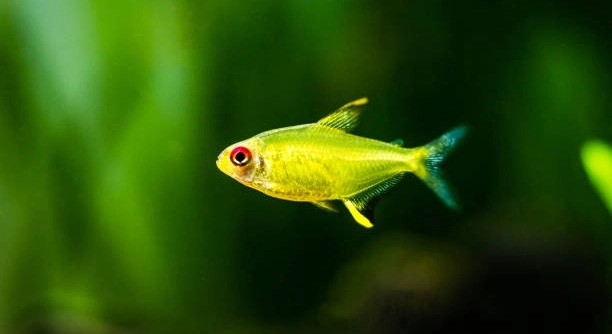
Lemon tetras are small, vibrant fish that bring life to any freshwater aquarium. Watching them adapt to a new tank can be rewarding, as their behaviors often reflect their comfort and overall well-being. Observing these subtle changes is essential.
Indicators that lemon tetras are settling in well include consistent swimming patterns, active social interactions, regular feeding behavior, vibrant coloration, healthy fins, minimal signs of stress, and a stable response to their environment. Each of these factors reflects their adaptation and comfort within the tank.
Recognizing these signs early ensures a harmonious aquarium and promotes long-term health for your lemon tetras. Monitoring their behavior helps maintain a thriving aquatic environment.
Consistent Swimming Patterns
Lemon tetras that are comfortable in their environment often swim in a calm, coordinated manner. They maintain steady movement throughout the tank and rarely exhibit frantic darting or hiding. Observing the way they interact with plants and decorations can reveal a lot about their comfort level. When they explore the tank gradually, it shows they feel secure. You may notice them swimming in small groups, maintaining a loose formation, which is typical for their schooling behavior. Avoid sudden changes in lighting or temperature, as these can trigger stress and disrupt their swimming patterns. Over time, as they become more accustomed to their tank, their movements become more predictable and even. Feeding times also highlight their comfort; confident fish will approach food without hesitation. A stable routine, paired with a safe, clean environment, helps reinforce these swimming behaviors.
Steady swimming is a clear indicator of adaptation, showing the fish feel secure in their tank. They explore and interact confidently without signs of stress.
Tracking these movements daily provides insight into their well-being. Noticing small changes early can prevent future stress or illness, ensuring the tetras remain healthy and active.
Active Social Interactions
Lemon tetras thrive when they engage with each other naturally. Observing them swim together, chase lightly, or interact around hiding spots demonstrates their social comfort. They often form loose schools, which helps reduce stress and increases their sense of safety. Isolated or withdrawn fish may indicate discomfort or illness, so monitoring their group behavior is important. Social interactions also include subtle displays, like flaring fins or gentle nudging, which indicate a healthy social hierarchy. As they settle, these behaviors become consistent, showing their adaptation to the tank.
Social behaviors reveal comfort levels and the overall health of the school. Confident fish will interact naturally and maintain their group formation.
Encouraging proper social interaction involves maintaining a stable environment, avoiding aggressive tank mates, and providing adequate space. A well-structured tank with plants, rocks, and open swimming areas allows tetras to exhibit natural behaviors, reducing stress. Regular observation ensures all members of the school remain active and harmonious. By understanding their interactions, you can make small adjustments to improve tank conditions, ensuring a balanced social environment. This balance promotes long-term health, preventing behavioral issues caused by isolation or overcrowding. Keeping these factors in check helps the school thrive while providing a visually pleasing display of their coordinated activity.
Regular Feeding Behavior
Healthy lemon tetras eat consistently during feeding times. They approach food without hesitation and show interest in the flakes or pellets provided. Sudden disinterest may indicate stress or illness, while eager feeding demonstrates their comfort within the tank.
A regular feeding pattern shows they have adapted well to their environment. Confident tetras swim quickly toward food and maintain focus while eating. Over time, this behavior becomes predictable, helping you monitor their health. Observing how they consume food can also reveal social dynamics. Dominant fish may reach the food first, but all should get their share. A varied diet encourages continued interest, ensuring they receive proper nutrition.
Feeding behavior reflects both health and adaptation. Fish that eat reliably and interact naturally during feeding times are settling in well. Changes in appetite can signal the need for adjustments in tank conditions or diet. By maintaining a consistent feeding routine, you support their development, energy levels, and overall happiness. Regular observation allows early detection of issues, making it easier to address minor problems before they affect the group.
Vibrant Coloration
Bright and consistent coloration is a strong indicator of a lemon tetra’s well-being. Dull or faded colors may suggest stress, poor diet, or illness, while vivid hues reflect comfort and health. Regular observation helps ensure their colors remain vibrant.
Color intensity is influenced by lighting, water quality, and diet. High-quality food rich in natural pigments supports strong coloration, while stable water parameters reduce stress-related fading. Lemon tetras display their brightest colors when relaxed and interacting with their environment. Signs of settling include even, bold coloration across all fins and body. If certain fish appear paler, it may signal minor stress or adjustment issues. Environmental enrichment, such as plants or gentle currents, encourages natural displays of color. A consistent routine with proper nutrition and care ensures the tetras maintain their vibrant appearance.
Vivid coloration also helps track overall health. Changes in color may reflect early signs of illness or stress. By monitoring their hues, you can adjust tank conditions promptly, ensuring a healthy, thriving group. Consistent water maintenance, balanced feeding, and minimizing sudden disruptions all contribute to long-lasting vibrancy. Observing how colors fluctuate throughout the day can also indicate comfort levels, with fish showing peak brightness when relaxed and secure. Maintaining this environment supports both visual appeal and long-term health.
Healthy Fins
Lemon tetras with intact, smooth fins indicate good health. Torn, clamped, or frayed fins may point to stress or poor water quality. Regular observation ensures any issues are addressed promptly.
Fins should be fully extended during swimming. Healthy fish display natural movements without hesitation or stiffness, showing their comfort in the tank environment.
Minimal Signs of Stress
Signs of stress include hiding excessively, rapid breathing, or erratic movements. Lemon tetras that are settled maintain calm, consistent behavior. Monitoring these behaviors helps prevent long-term health problems and ensures a peaceful aquarium atmosphere.
Stable Response to Environment
Fish that respond predictably to changes, like feeding or lighting adjustments, are well-adjusted. They recover quickly from minor disturbances, showing they feel secure and confident within their habitat.
Social Harmony
A harmonious school shows balanced interactions. Dominant and submissive behaviors are mild and non-aggressive, indicating that lemon tetras have adapted well to their group setting.
FAQ
How can I tell if my lemon tetras are happy in the tank?
Happy lemon tetras exhibit consistent swimming patterns, interact naturally with other fish, and show bright, even coloration. They approach food confidently during feeding and explore the tank without hiding. Observing their behavior daily helps track comfort levels and ensures a stable, stress-free environment.
What does it mean if a tetra is hiding a lot?
Excessive hiding can indicate stress, illness, or discomfort in the tank. Check water parameters, temperature, and tank mates. Ensure there are enough hiding spots for all fish. Sudden changes in behavior should be addressed quickly to prevent long-term health issues and maintain harmony in the aquarium.
Why are some tetras paler than others?
Color differences can result from stress, poor nutrition, or minor illness. Diets rich in natural pigments help maintain bright hues. Stable water quality and minimal disturbances also support vivid coloration. Monitoring daily allows early detection of fading colors before they become more serious.
How often should I feed lemon tetras?
Feeding small amounts twice daily is ideal. Overfeeding can harm water quality and lead to health problems. Observe how quickly they consume food and adjust portions accordingly. A consistent routine encourages regular feeding behavior and reduces stress among the school.
What tank conditions are best for settling in?
A stable environment with proper temperature, pH, and gentle water flow helps tetras adapt. Plenty of plants, hiding spots, and open swimming areas encourage natural behavior. Gradual changes to lighting or décor prevent stress and allow fish to adjust comfortably.
Can lemon tetras live with other fish?
They thrive in peaceful community tanks. Avoid aggressive or much larger species. Similar-sized schooling fish are ideal companions. Introducing new fish slowly and maintaining sufficient space prevents conflict and promotes social harmony.
Why do my tetras swim near the surface?
Occasional surface swimming is normal, especially during feeding. Constant surface activity may indicate low oxygen levels or water quality issues. Testing the water and ensuring proper aeration resolves most problems and keeps the tetras comfortable.
How long does it take for lemon tetras to settle?
Typically, it takes a few days to a couple of weeks. Factors like tank size, water quality, and group dynamics affect adjustment time. Observing consistent swimming, feeding, and social behavior signals that they are fully comfortable.
What signs indicate stress in lemon tetras?
Stress shows through clamped fins, rapid breathing, erratic movements, or hiding. Maintaining stable water conditions, avoiding sudden changes, and monitoring interactions can reduce stress. Prompt action prevents health problems and encourages normal behaviors in the tank.
Do lemon tetras need companions?
Yes, they are schooling fish and feel secure in groups of six or more. Small schools reduce stress, encourage natural behavior, and make the tank environment lively and visually appealing. Keeping an adequate group helps them settle quickly and maintain social balance.
How can I prevent illness during settling?
Maintain clean water, avoid overcrowding, and provide a balanced diet. Quarantining new fish before introducing them reduces disease risk. Observing behavior and color changes early ensures minor issues are addressed before they escalate. Consistent care supports long-term health and comfort.
What is the best way to introduce lemon tetras to a new tank?
Float the bag in the tank to adjust temperature gradually, then release fish slowly. Minimize stress by avoiding sudden movements or rapid water changes. Providing hiding spots allows them to acclimate naturally and promotes a smooth transition.
How do I know if the social group is balanced?
Observe interactions for aggression or excessive dominance. Mild displays are normal, but all fish should have space to swim and feed. Balanced schools indicate comfort and proper adaptation. Unusual aggression may require adjustments in tank size, group size, or hiding spots.
Are changes in behavior always a problem?
Not necessarily. Minor adjustments as fish explore their tank are normal. Persistent changes, such as hiding, loss of appetite, or faded color, may indicate stress or health issues. Monitoring behavior daily helps distinguish normal adaptation from signs of concern.
How can I support natural behavior in lemon tetras?
Provide plants, gentle currents, and open swimming areas. A stable feeding routine, consistent water conditions, and compatible tank mates allow fish to exhibit schooling, foraging, and exploration behaviors. Environmental enrichment promotes comfort, well-being, and vibrant displays of color and activity.
What should I do if one tetra is not settling?
Isolate the fish in a small, safe area if needed and check water quality and tank conditions. Observe for illness or aggression from other fish. Gradual reintegration and consistent care help the individual adjust without compromising the school’s balance.
Can lighting affect how well tetras settle?
Yes, sudden bright lights can cause stress. Gradual lighting changes and providing shaded areas allow fish to acclimate. Stable light cycles mimic natural conditions, encouraging regular activity, feeding behavior, and overall comfort in the tank.
How important is water quality for settling in?
Water quality is critical. Poor conditions cause stress, illness, and behavioral issues. Regular testing, cleaning, and maintaining proper temperature and pH levels ensure the tetras remain healthy and adapt smoothly to their environment.
Do lemon tetras interact with plants and decorations?
They explore and swim around plants and decorations naturally. These elements provide security and encourage natural movement. A well-decorated tank supports comfort, reduces stress, and allows the fish to settle fully while maintaining healthy social behavior.
How can I tell if the group is feeding well?
All fish should have access to food and show interest during feeding. Dominant behavior is normal, but all members must eat. Balanced feeding patterns indicate the school is comfortable and well-adjusted in their tank. Monitoring this ensures health and reduces stress-related conflicts.
Final Thoughts
Lemon tetras are small but vibrant fish that can bring life and movement to any freshwater tank. Observing how they settle in provides insight into their overall well-being and comfort. By paying attention to their swimming patterns, social interactions, feeding habits, coloration, and responses to the environment, you can determine whether they are adapting successfully. Fish that are active, social, and confident in exploring their surroundings demonstrate that they feel secure in their tank. Their behavior reflects the care and conditions provided, including clean water, stable temperatures, suitable tank mates, and a well-structured environment. Consistency is important, as sudden changes in lighting, temperature, or tank setup can cause stress, which may impact health and behavior.
Maintaining optimal conditions is essential for promoting long-term comfort and health. Feeding small amounts regularly ensures they receive proper nutrition without overloading the tank, which could compromise water quality. Providing hiding spots, plants, and open swimming areas allows them to express natural behaviors, such as schooling and exploration, which also reduces stress. Monitoring their coloration and fin condition can reveal subtle changes in health or stress levels. Even minor shifts, such as paler colors, clamped fins, or hiding more than usual, should be addressed promptly. Taking small steps, like adjusting water parameters, checking tank mates, or improving feeding routines, can help fish settle and thrive. Over time, these measures contribute to a balanced, harmonious aquarium that supports both physical health and behavioral stability.
Observing lemon tetras closely builds understanding of their needs and helps prevent problems before they become serious. Healthy fish that are settling in well display predictable, calm behavior, interact naturally with their school, and maintain bright, even coloration. By providing consistent care and an environment that meets their needs, you support their adaptation and long-term well-being. These fish respond to stability, routine, and proper nutrition, which allows them to thrive in the tank. Regular observation not only ensures they remain healthy but also allows you to enjoy their natural movements and behaviors. A thoughtful approach to care creates a sustainable, comfortable environment where lemon tetras can flourish, making the aquarium both lively and balanced.

Hello,
If you enjoy the content that we create, please consider saying a "Thank You!" by leaving a tip.
Every little bit helps us continue crafting quality advice that supports the health, happiness, and well-being of pets around the world, for pets of all shapes, sizes, and species.
We really appreciate the kindness and support that you show us!