
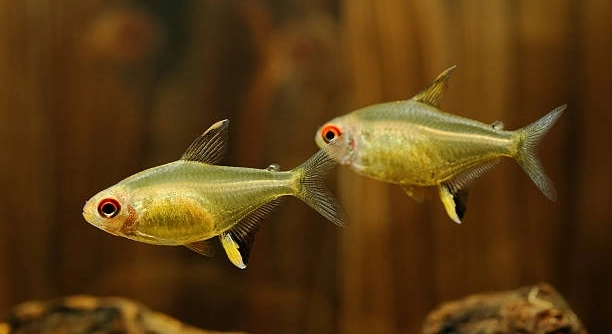
Moving Lemon Tetra requires patience and care to keep their peaceful nature intact. A simple approach centered on minimal disturbance supports their comfort, helping them adjust well while creating a smooth and calm transition overall.
The most effective no-stress methods for moving Lemon Tetra focus on stable water conditions, gradual acclimation, and reduced stimulation. Limiting sudden changes protects well-being, allowing these delicate fish to remain balanced and responsive throughout the relocation process, ensuring safe handling.
These gentle techniques offer reliable support for calmer transitions, helping your Lemon Tetra settle comfortably as you move forward confidently.
Preparing a Calm Setup
Preparing Lemon Tetra for a move starts with creating a relaxed environment that supports their gentle temperament. I like to begin by checking the tank conditions so everything remains steady, especially the temperature and overall clarity. When the water feels stable, the fish stay calmer, making each step easier for both of us. I reduce bright lighting and keep movement around the tank minimal, giving them time to feel secure. Using clean containers that match their home water keeps them comfortable when transferring. I also make sure to handle equipment quietly since sudden noises often startle sensitive fish. Planning each step slowly helps prevent rushed decisions that could unsettle them. With a little care, the entire process becomes smoother, giving the Lemon Tetra the sense of safety they need. Preparing early always makes a meaningful difference, allowing the move to unfold with steady progress and gentle support through each moment.
Maintaining steady water conditions helps your Lemon Tetra stay calm during the move. I focus on matching temperature, keeping everything quiet, and avoiding sudden shifts. These small steps support a smoother transition and protect their comfort while reducing unnecessary stress as you continue the relocation process through each careful move.
Creating gentle conditions builds a steady pace that supports the move from start to finish. I make sure the room stays quiet, which helps the Lemon Tetra remain calm as they adjust to each step. Soft lighting reduces tension and keeps them from reacting too quickly. I use containers rinsed with tank water so nothing feels unfamiliar or harsh. Keeping movements slow allows the fish to settle without feeling overwhelmed. When everything stays predictable, they adapt with greater ease, giving you a more controlled process. This approach supports their comfort while helping you manage each stage with confidence and clarity.
Reducing Stress During Transfer
Handling Lemon Tetra with steady, gentle movements keeps them comfortable during transfer. I make sure containers stay stable and free of quick shifts. Limiting noise and bright lighting lowers tension, giving the fish a chance to settle while you guide them through the relocation with care in a calm manner.
Supporting Lemon Tetra during handling requires calm movements and a clear plan before any transfer begins. I like to prepare clean containers filled with water that matches their tank so the shift feels smooth and familiar. When lifting the fish, gentle scooping reduces pressure and keeps them steady. I avoid chasing them around the tank because fast movements increase stress and make them more reactive. Allowing them a moment to move naturally into the container keeps the process balanced and easier for both of us. I also keep the surrounding area quiet, lowering bright lights and removing unnecessary activity so nothing startles them. Once they are inside the container, I secure the lid loosely enough for airflow but firmly enough to prevent sudden splashing. Keeping the container level helps the fish remain calm while you move to the next space. Small pauses between steps let them adjust to minor changes without feeling overwhelmed. When you reach the new tank, gradual acclimation with small amounts of water prevents shock and supports a stable transition. Taking these measures encourages a smoother experience and helps the Lemon Tetra remain composed as they settle into their adjusted environment with steady comfort every step forward.
Choosing the Right Transport Containers
Selecting containers that feel stable and familiar keeps Lemon Tetra calm during movement. I prefer using small, smooth-sided containers filled with their tank water, since this reduces sudden changes and helps them stay relaxed while you manage each step with steady attention.
Using containers filled with conditioned tank water prevents the fish from experiencing unnecessary stress during relocation. I make sure each container is rinsed well so no residue affects the water quality. A secure but breathable lid keeps everything contained without creating pressure. Soft lighting and quiet surroundings help the Lemon Tetra remain settled as you prepare for transfer. When lifting the container, steady hands keep the water from shifting too much. These small adjustments support a smooth and stable experience that allows the fish to remain comfortable from the moment you scoop them until the final placement.
Keeping the containers level while moving ensures the Lemon Tetra stay as calm as possible. I like to place a soft cloth underneath to soften vibrations and prevent unexpected shaking. This helps maintain a consistent environment that feels predictable for the fish. When setting the containers down, I choose flat surfaces to keep everything stable. Limiting noise and activity around the area encourages a peaceful atmosphere. These steps help the Lemon Tetra remain composed and responsive during the entire transfer, giving you more control and reducing sudden reactions that might disrupt their comfort.
Maintaining Water Stability Throughout the Move
Stable water conditions keep Lemon Tetra comfortable and responsive during relocation. I focus on matching temperature, reducing sudden disturbances, and keeping the containers closed gently. These steps protect their well-being and support a smoother process while you handle each part of the move carefully.
Maintaining consistent water quality supports the fish during short and long transfers. I keep the temperature as close as possible to their original tank to prevent shock. Using a reliable thermometer helps me make quick adjustments when needed. I avoid direct sunlight on the containers to prevent rapid temperature shifts. If the move takes longer, small water changes with pre-warmed tank water maintain stability. I also watch for signs of stress, such as quick darting or pale coloration, adjusting the environment immediately to support comfort. These efforts give the Lemon Tetra steady conditions that help them stay balanced while you guide them through the process safely.
Handling Lemon Tetra with Minimal Disturbance
Keeping movements slow helps the Lemon Tetra stay calm as you guide them into containers. I keep the room quiet and avoid quick shifts that might startle them, allowing each step to feel predictable and gentle throughout the process.
Maintaining soft lighting and steady hands reduces sudden reactions that could unsettle the fish. I avoid tapping the glass or making sharp noises. These small adjustments support smoother handling and help the Lemon Tetra remain composed as you continue each stage of the transfer.
Allowing Gradual Acclimation After Arrival
Gradual acclimation prevents the Lemon Tetra from experiencing sudden stress once they reach their new tank. I start by floating the container to match temperatures, then slowly add small amounts of tank water. This prevents shock and gives the fish time to adjust safely. I watch their behavior closely, allowing them to settle at a steady pace. When they appear calm and their coloration stabilizes, I release them gently without splashing. Keeping the lights dim and avoiding sudden movements supports a smooth transition and helps them feel secure in their new environment.
Encouraging Calm Behavior During Settling
A quiet atmosphere helps the Lemon Tetra stay steady after the move. I keep lighting soft and limit activity around the tank so they can relax gradually, giving them space to adjust without feeling overwhelmed.
FAQ
How long can Lemon Tetra stay in a transport container?
Lemon Tetra can stay in a transport container for several hours if the water remains stable. I make sure the temperature stays consistent and avoid shaking the container. When the move takes longer, I check for signs of stress and refresh small amounts of water using water from their original tank. This keeps oxygen levels healthier and supports their comfort. I avoid feeding them during transport because leftover food can spoil the water and increase stress. With calm handling and predictable conditions, they typically manage short-term holding without major issues, staying steady until they reach their new space.
Should I feed Lemon Tetra before moving them?
Feeding before moving often creates waste that disrupts water clarity, so I avoid offering food for several hours beforehand. This keeps the water cleaner and reduces stress during relocation. Once the fish are safely introduced to their new tank and have settled for a while, I resume light feeding. I always wait until their behavior appears steady and their colors look normal again. This gives them time to adjust without adding extra demands on their system. Clean water supports a smoother shift, making the entire experience safer for the fish.
What temperature should I maintain during transport?
A stable temperature close to their home tank, usually around the mid-70s Fahrenheit, keeps Lemon Tetra comfortable. I use a small thermometer to ensure the container stays steady and avoid placing it near windows or vents where sudden changes can occur. If the weather outside is extreme, I wrap the container with a soft cloth to reduce rapid shifts. Maintaining stability helps the fish stay balanced as you move through each step. When you reach the new tank, gradual acclimation prevents shock from slight differences that may appear even when monitoring closely.
How can I reduce stress during longer moves?
For longer moves, I keep the environment calm and prevent loud noises that might startle the fish. I make sure the container is secure and set on a flat surface to reduce water movement. If needed, I add small amounts of conditioned water that match their home tank to maintain quality. When the relocation takes more time than expected, I check their behavior for signs of stress, such as rapid movements or pale coloring. Adjusting the surroundings, like lowering light or reducing vibration, helps them stay composed until you reach the new destination.
Is it safe to move multiple Lemon Tetra in the same container?
It can be safe as long as the container is large enough and the fish have adequate space. I avoid overcrowding because close confinement increases stress and reduces oxygen levels. Using a larger, wide-based container filled with tank water helps maintain balance. When the group is calm, the move tends to stay peaceful. If any fish show agitation, I separate them to prevent sudden interactions that could cause injury. Keeping everything stable supports a more comfortable relocation.
How do I know if the Lemon Tetra are stressed after the move?
Signs of stress include pale coloration, quick darting, trembling movements, or hiding more than usual. After placing them in the new tank, I observe their behavior closely. Soft lighting and quiet surroundings help them settle faster. I avoid sudden movements near the glass, giving them time to understand their environment. If their colors brighten and their swimming becomes steady, it usually means they are adjusting well. When stress signs linger, I check water quality and temperature to make sure everything remains stable. Consistency helps them regain comfort.
What should I avoid doing during the move?
I avoid shaking the container, changing water too quickly, or making loud noises around the fish. I also avoid rushing each step, since fast movements can startle Lemon Tetra and increase their stress. Harsh lighting or placing the container in direct sunlight can cause temperature fluctuations, so I keep everything shaded. Pouring the fish directly into the new tank without acclimating them is another risk that may lead to shock. Slow, steady handling ensures a smoother move overall, helping the fish remain calm as you shift them into their new space.
Final Thoughts
Moving Lemon Tetra takes steady care, patience, and a thoughtful approach that keeps their comfort at the center of every decision. I find that each step becomes smoother when the environment stays quiet and predictable, giving these gentle fish the support they need to remain calm. Their delicate nature means they respond quickly to changes, so keeping movements slow and water conditions steady helps them feel more secure during the process. This attentive approach allows you to guide them from one space to another without creating unnecessary disruption. When you take the time to prepare, you create a smoother path that lets the fish adjust without facing sudden shifts that might unsettle them. It is a process built on small decisions that add up, from selecting the right containers to keeping temperature stable and ensuring gentle handling from start to finish. With these thoughtful steps, the move becomes manageable, helping you focus on creating the best experience possible for your Lemon Tetra.
Caring for these fish during relocation also highlights the importance of observing their behavior closely. Small signs can reveal how comfortable they feel at any moment, and responding to those signs helps keep the transition steady. I always pay attention to color, movement, and breathing patterns, since each of these offers insight into their well-being. When they show signs of calm swimming and normal coloration, it often means they are handling the move well. If they appear stressed, adjusting the environment gently can help them regain balance. It is comforting to see how much stability you can offer by staying aware and moving at a consistent pace. These moments of reassurance remind you that even delicate fish can adapt well when the environment supports them. Over time, these practices become natural, allowing you to approach future relocations with confidence, knowing what makes the process smoother and more comfortable for the fish. Each careful step reinforces the idea that gentle methods create the most stability, giving Lemon Tetra space to adjust while feeling safe.
Once the move is complete and the fish begin settling into their new space, the effort becomes worthwhile as they show signs of comfort and steady behavior. I appreciate how these fish respond positively when the environment remains calm, letting them gradually explore at their own pace. Maintaining soft lighting and minimal noise helps them feel at ease as they adapt to new surroundings. As they begin swimming more freely and regain their bright coloration, you can trust that the transition has gone well. These final moments after relocation highlight the value of patience and preparation, showing how consistent care helps create a smooth experience. Giving the Lemon Tetra time to settle allows them to feel secure again, which ultimately supports their long-term comfort. With a little attention and gentle handling, the move becomes a manageable process that leaves both you and the fish feeling reassured and supported.

Hello,
If you enjoy the content that we create, please consider saying a "Thank You!" by leaving a tip.
Every little bit helps us continue crafting quality advice that supports the health, happiness, and well-being of pets around the world, for pets of all shapes, sizes, and species.
We really appreciate the kindness and support that you show us!