
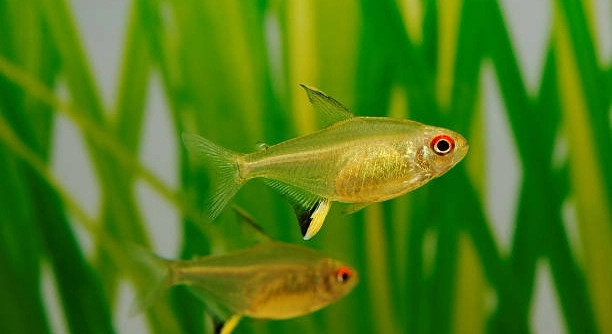
Do your lemon tetras seem unsettled after being introduced to a new tank? Adjusting to a new environment can be stressful for these delicate fish. Understanding their acclimation process helps ensure they remain healthy and active.
Lemon tetras generally take between one to two weeks to fully adjust to a new aquarium. Proper tank conditions, including temperature, pH balance, and hiding spaces, are crucial for minimizing stress and promoting a smooth transition.
Observing their behavior and maintaining consistent care will make the adjustment period smoother and support their long-term wellbeing in your aquarium.
Preparing the Tank for Lemon Tetras
Setting up a tank for lemon tetras requires attention to detail. Start with a tank of at least 10 gallons, as these fish prefer swimming in schools. Ensure the water temperature stays between 72 and 78°F and maintain a pH of 5.5 to 7.0. Adding live plants and hiding spots reduces stress, making them feel secure. Gentle filtration is important since strong currents can overwhelm them. Substrate should be soft to avoid injury, and decorations should not have sharp edges. Regular water changes of about 20% weekly help maintain water quality, reducing the risk of illness. Introducing the fish slowly and acclimating them by floating the bag in the tank for 20–30 minutes allows them to adjust to water temperature. Avoid overfeeding during the first few days, offering small amounts of high-quality flake or micro-pellets. This careful preparation helps your lemon tetras settle in comfortably.
A well-prepared tank prevents early stress and supports healthy growth. Proper conditions significantly reduce adjustment time and behavioral issues.
Maintaining stability in the tank environment is crucial for lemon tetras. Consistent temperature, balanced pH, and clean water encourage natural activity. Sudden changes, even minor ones, can cause hiding or lethargy. Watching how they interact with plants and each other provides insight into their comfort. Over time, as they explore, their colors brighten and they swim confidently. Group behavior is essential; they feel safer in schools of at least six. Observing feeding habits also indicates adaptation, as stress may reduce appetite. Lighting should mimic a natural day-night cycle, avoiding sudden brightness that can startle them. Patience during this period allows you to adjust care practices as needed. A calm and stable environment encourages them to acclimate faster and thrive in the long term.
Signs Lemon Tetras Are Adjusting
Bright colors and active swimming are the first indicators of comfort.
Behavioral changes often indicate adaptation progress. Initially, lemon tetras may hide or hover near the bottom. Gradually, they begin exploring the tank and interacting with others. Regular eating patterns return, and schooling behavior becomes more synchronized.
It is important to track both subtle and obvious changes. Swimming near plants, darting for food, and maintaining consistent positions within the tank are all positive signs. Stress can be indicated by clamped fins, erratic swimming, or isolating from the group. Monitoring water parameters is essential; temperature, pH, and cleanliness directly impact behavior. Feeding small portions multiple times a day encourages activity without overwhelming them. Avoid introducing sudden stimuli, such as loud noises or rapid movements near the tank, which may set back adjustment. Over time, as they settle, lemon tetras develop strong social bonds, creating a dynamic but balanced environment. Observing these signs ensures timely interventions if any issues arise, supporting long-term health and happiness for the fish.
Common Stress Factors for Lemon Tetras
Overcrowding is a major stress factor. Tanks that are too small or house too many fish can lead to aggression and hiding. Poor water quality, sudden temperature changes, and improper pH levels also cause stress. Even overly bright lighting can make them uneasy.
Stress affects lemon tetras in multiple ways. They may lose their vibrant colors and become lethargic. Hiding behind plants or decorations is common, and schooling behavior may break down as some fish isolate themselves. Poor appetite and slowed swimming indicate ongoing stress. Maintaining consistent water parameters, gentle filtration, and adequate space reduces these issues. Feeding high-quality, appropriately sized food helps sustain energy and resilience. Observing their reactions daily allows quick adjustments before stress becomes harmful.
Environmental enrichment is crucial. Plants, caves, and floating decorations create hiding spaces and exploration opportunities. Gentle water movement mimics their natural habitat and reduces tension. Avoid sudden changes in lighting, water temperature, or tank decorations. Even rearranging the tank abruptly can unsettle them. Introducing new fish gradually prevents territorial disputes. Keeping a consistent feeding schedule supports both health and predictable behavior patterns. Monitoring for disease, as stressed fish are more susceptible, ensures timely care. Over time, a well-managed tank fosters stability, allowing lemon tetras to express natural behaviors fully and regain confidence.
Feeding Habits and Adjustment
Small, frequent feedings work best for lemon tetras. Overfeeding can harm water quality and increase stress.
Feeding affects their adjustment significantly. Lemon tetras are small eaters, requiring high-quality flake, micro-pellets, or frozen foods. Initially, they may eat less due to stress, but consistent feeding encourages activity and strengthens immunity. Watching their group dynamics during feeding provides insight into how comfortable they are. Food scattered across the tank ensures all fish access it, preventing dominant individuals from monopolizing meals. Gradually introducing new foods helps diversify their diet while monitoring reactions for any digestive issues. Maintaining a predictable feeding schedule supports normal behavior patterns.
Water quality and timing are key. Feeding during calm periods prevents competition and reduces stress. Avoid leftovers, as decaying food deteriorates water. Providing a variety of protein-rich options, such as daphnia, brine shrimp, or finely crushed flake foods, encourages natural foraging. Adjusting portion sizes to the group’s size prevents waste and maintains tank cleanliness. Over time, lemon tetras will show improved appetite, schooling, and activity levels. Observing how they respond to feeding signals their overall adaptation progress. Consistent care ensures they remain healthy, vibrant, and comfortable in the new environment.
Acclimation Tips for Lemon Tetras
Floating the bag in the tank for 20–30 minutes helps them adjust to water temperature gradually. Slowly adding small amounts of tank water to the bag reduces shock from pH and chemical differences.
Minimizing sudden movements around the tank during the first few days keeps stress low. Avoid tapping on the glass and keep lighting soft. Introducing decorations before the fish arrive provides familiar hiding spots. Feeding in small portions encourages exploration and confidence. Regularly checking water parameters ensures a stable environment, reducing the risk of health problems. Gradual acclimation combined with consistent care makes the adjustment period smoother and supports overall wellbeing.
Observation During the First Week
Lemon tetras may hide or swim cautiously at first. Watch for active schooling and feeding behavior.
Monitoring their behavior closely reveals how they adapt. Signs of stress include clamped fins, hiding, or refusal to eat. Bright colors, active swimming, and synchronized schooling indicate comfort. Adjustments in feeding and water conditions may be necessary if negative behaviors persist. Regular observation ensures problems are addressed quickly, helping the fish settle in successfully.
Maintaining Water Quality
Regular water changes and testing prevent harmful buildup of ammonia and nitrates.
Keeping water parameters stable is essential for their health and reduces stress. Clean, balanced water supports activity, growth, and vibrant coloration.
How long does it usually take for lemon tetras to stop hiding?
Lemon tetras typically hide for the first few days in a new tank. Most start exploring within three to seven days, depending on tank conditions and group dynamics. Providing plants and decorations gives them safe spaces, which encourages faster adjustment. Stress-free water conditions and gentle lighting also reduce hiding behavior.
What signs show that lemon tetras are fully acclimated?
Fully acclimated lemon tetras swim actively, display bright colors, and maintain synchronized schooling. They feed regularly without hesitation and explore the entire tank. Lack of stress indicators, such as clamped fins, lethargy, or hiding, also shows they are comfortable. Observing consistent behavior over a week confirms proper adjustment.
Can water changes affect their adjustment period?
Yes, frequent or sudden water changes can disturb lemon tetras, extending the adjustment period. Gradual, partial water changes of about 10–20% maintain stability while keeping water clean. Using water conditioners and matching temperature and pH reduces stress and helps them remain healthy.
Is it necessary to acclimate them slowly when introducing to a new tank?
Slow acclimation is essential. Floating the bag in the tank for 20–30 minutes and gradually adding small amounts of tank water helps fish adjust to temperature and chemical differences. This reduces shock and improves survival rates, making the transition smoother.
How does lighting impact their adjustment?
Bright or sudden lighting can stress lemon tetras, causing hiding and erratic swimming. Providing soft lighting that mimics a natural day-night cycle helps them explore and feed confidently. Adding floating plants or shaded areas can reduce light intensity and provide comfort.
Do lemon tetras need a specific diet during acclimation?
Offering small, frequent feedings of high-quality flake or micro-pellets is recommended. They may eat less initially due to stress, but consistent feeding encourages normal behavior and energy levels. Occasionally offering frozen foods like brine shrimp can help diversify their diet while keeping them active.
Can tank mates affect their adjustment time?
Yes, tank mates play a big role. Aggressive or overly active fish can intimidate lemon tetras, prolonging hiding and stress. Peaceful, similarly sized species create a safer environment. Observing interactions early helps prevent conflicts and ensures proper schooling behavior develops.
How can I tell if stress is affecting their health?
Signs include faded colors, clamped fins, lethargy, loss of appetite, and erratic swimming. Stressed fish are also more susceptible to disease. Regular observation, maintaining water quality, and providing a stable environment are key to preventing long-term health problems.
Should I rearrange the tank during their adjustment period?
It is best to avoid rearranging the tank while they are settling in. Changes in plants or decorations can stress lemon tetras and slow acclimation. Once they display confident swimming and schooling, minor adjustments can be made gradually.
How important is temperature consistency for adjustment?
Temperature consistency is crucial. Lemon tetras thrive between 72–78°F. Sudden changes can cause shock, hiding, and reduced feeding. Using a reliable heater and thermometer ensures stability, helping them adjust faster and maintain health throughout the acclimation period.
What is the role of hiding spaces during acclimation?
Hiding spaces reduce stress and allow fish to feel secure. Dense plants, caves, and decorations give them control over their environment. When they feel safe, lemon tetras emerge, explore, and engage in schooling, which is essential for their social behavior and overall well-being.
Is it normal for some lemon tetras to adjust faster than others?
Yes, individual fish may acclimate at different rates. Personality, health, and prior experience influence how quickly they explore and feed. Observing each fish helps ensure all receive appropriate care. Over time, slower adapters usually integrate fully once conditions remain stable.
How can I encourage schooling behavior early on?
Providing enough space, similar tank mates, and minimal stress encourages schooling. Gradually feeding the group together promotes synchronized movement. Avoiding sudden disturbances and maintaining stable water conditions supports natural social behavior.
Do lemon tetras need a quarantine period before introducing to a new tank?
Quarantine is recommended to prevent disease spread. Observing new fish in a separate tank for 1–2 weeks ensures they are healthy before joining the main tank. This reduces stress and protects both the newcomers and established fish.
Can frequent observation affect their adjustment?
Watching them is helpful but excessive tapping or moving around the tank can increase stress. Observe quietly and consistently, especially during feeding, to monitor adaptation without causing additional anxiety.
What if a fish never seems to adjust?
Persistent hiding, refusal to eat, or erratic behavior may indicate illness, stress, or incompatible tank conditions. Checking water parameters, tank mates, and diet is crucial. Sometimes, moving the fish to a smaller, calmer tank temporarily can help it acclimate safely.
How long should I continue monitoring closely?
Close observation is most important during the first two weeks. After this period, behavior should stabilize. Continue periodic checks for health and environmental consistency, as minor stressors can still impact lemon tetras even after initial adjustment.
Does tank size influence adjustment time?
Yes, smaller tanks can increase stress and extend adjustment time. A minimum of 10 gallons is recommended for a small group, with larger tanks providing more space for exploration, schooling, and hiding, which supports faster and smoother acclimation.
Can seasonal changes affect lemon tetra adjustment?
Temperature and lighting variations from seasonal changes can influence behavior. Ensuring heater and lighting remain consistent mitigates stress and helps maintain normal feeding, swimming, and social activity throughout the year.
How often should I test water during the adjustment period?
Testing water every few days initially is recommended. Checking temperature, pH, ammonia, nitrite, and nitrate levels ensures stability. Early detection of fluctuations allows prompt adjustments, supporting healthy acclimation and reducing stress-related health issues.
Adjusting to a new environment can be challenging for lemon tetras, but careful preparation and consistent care make a significant difference. Ensuring that the tank has proper conditions, such as a stable temperature between 72 and 78°F, a pH of 5.5 to 7.0, and soft substrate, helps reduce initial stress. Providing hiding spots like plants, caves, and floating decorations gives them security while they explore the tank at their own pace. Even minor details, such as gentle filtration and soft lighting, contribute to their sense of comfort. Introducing the fish slowly and using proper acclimation techniques allows them to adjust gradually to water chemistry differences. During the first week, observation is crucial, as it allows you to notice signs of stress, hiding, or lack of appetite and make necessary adjustments before problems develop. Gradual feeding with small amounts of high-quality flake or micro-pellets supports energy levels and encourages exploration without overwhelming the fish.
Behavioral observation continues to be important beyond the first few days. Lemon tetras are social fish and thrive in groups, so monitoring schooling behavior helps determine if they are adjusting well. Signs of successful acclimation include active swimming, synchronized schooling, regular feeding, and bright, healthy colors. Stress can be indicated by clamped fins, hiding, lethargy, or refusal to eat. These behaviors are often linked to water quality, tank mates, or environmental changes, and addressing the source promptly ensures the fish remain healthy. Maintaining a consistent routine with feeding, water changes, and minimal disturbances supports stability and reduces stress. Patience is key, as individual fish may acclimate at different rates, but a well-prepared and stable environment allows all lemon tetras to gradually gain confidence and display natural behaviors.
Long-term care is essential for sustaining their well-being after the adjustment period. Regular monitoring of water parameters, careful attention to diet, and maintaining appropriate tank mates contribute to overall health. Seasonal changes or tank modifications should be introduced gradually to avoid upsetting established behavior patterns. Providing enrichment through plants, decorations, and gentle water movement encourages natural activity and reduces boredom, which can also contribute to stress. Once lemon tetras are fully acclimated, their vibrant colors and active schooling become a rewarding sign of their comfort and health. Consistency, attention to detail, and patience ensure that they thrive in their new environment, allowing for a balanced, stable aquarium that supports both their social and physical needs. Over time, following these practices fosters a reliable routine that minimizes stress, promotes healthy development, and ensures the long-term happiness of lemon tetras in the tank.

Hello,
If you enjoy the content that we create, please consider saying a "Thank You!" by leaving a tip.
Every little bit helps us continue crafting quality advice that supports the health, happiness, and well-being of pets around the world, for pets of all shapes, sizes, and species.
We really appreciate the kindness and support that you show us!