
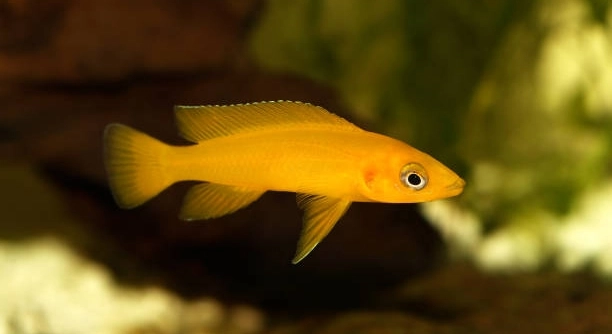
Do your lemon tetras seem more aggressive than usual, chasing each other and showing signs of stress? This sudden change can be surprising for any aquarium owner, especially when your fish have always seemed peaceful.
Lemon tetras often fight due to sudden changes in their environment, overcrowding, or stress from inadequate hiding spaces. Poor water quality or lack of food can also trigger aggressive behaviors among these normally calm fish.
Understanding the causes of this behavior can help you restore harmony and ensure your tetras remain healthy and content in their tank.
Changes in Tank Environment
Lemon tetras are very sensitive to their surroundings, and even small changes can affect their behavior. Adding new decorations, rearranging plants, or changing the lighting can make them feel insecure. When fish feel threatened, they often start chasing each other to establish dominance. Temperature fluctuations are another common reason for sudden aggression. Even a few degrees higher or lower than their usual range can stress them out. Similarly, sudden water changes or introducing tap water without proper treatment can trigger fighting. Overcrowding is also a major factor; too many tetras in a small tank can lead to constant skirmishes as they try to claim territory. Hiding spots like plants, rocks, or driftwood are important for reducing stress and giving each fish a safe place. Monitoring their tank environment and keeping it stable is key to maintaining peace and preventing aggressive outbreaks.
Environmental changes can upset their natural social balance quickly, so stability is essential.
Keeping the tank stable with proper temperature, consistent water conditions, and adequate hiding places helps maintain calm behavior. Regular observation allows you to notice minor signs of stress before fights escalate.
Feeding and Nutrition
Uneven feeding can make lemon tetras more aggressive.
When some fish get more food than others, competition increases, leading to chasing and nipping. A balanced diet with small, frequent meals helps reduce stress and keeps everyone satisfied. Overfeeding can also degrade water quality, indirectly causing fights. Proper nutrition ensures that tetras remain healthy, active, and less prone to aggressive behavior. Feeding at the same time each day creates a routine that reduces anxiety. Additionally, incorporating a mix of flakes, micro pellets, and occasional live or frozen foods provides variety and supports their natural behavior. Observing how they eat can reveal if certain fish are being bullied or left out, allowing you to adjust feeding strategies. Consistent care in both quantity and quality of food can significantly lower aggression and create a more harmonious tank environment. Attention to feeding practices is just as important as tank conditions for peaceful fish.
Stress and Social Hierarchy
Lemon tetras establish a social hierarchy, and stress can disrupt it. Sudden changes in the tank or the addition of new fish can trigger fights as they compete for dominance.
When a new fish is added, existing tetras may feel threatened and chase or nip at the newcomer. Stress from water quality issues or overcrowding can also make dominant fish more aggressive toward others. Even minor disturbances, like tapping on the glass or excessive movement outside the tank, can heighten tension. Providing enough space, hiding spots, and stable conditions helps reduce stress and allows the hierarchy to settle naturally. Observing their interactions closely helps identify which fish are stressed or being bullied, allowing adjustments to the tank setup or fish groupings.
Consistent care, proper spacing, and careful observation can prevent small tensions from turning into serious aggression, ensuring a calmer tank.
Water Quality and Maintenance
Poor water quality often leads to aggression in lemon tetras.
High levels of ammonia, nitrites, or nitrates stress fish and trigger fighting. Regular testing, partial water changes, and proper filtration are essential for maintaining safe conditions. Clean water helps reduce tension and promotes healthy social behavior.
Unstable water parameters can make even normally peaceful tetras irritable and prone to chasing each other. Sudden pH swings, improper temperature, or leftover food decomposing in the tank can all contribute to poor conditions. Maintaining consistent water temperature, monitoring chemical levels, and removing waste promptly are simple steps that prevent aggression. Fish health is closely linked to water quality, and small changes can have immediate effects on behavior. A well-maintained tank supports calm, cooperative interactions among tetras and reduces stress-related fights. Consistency in maintenance routines keeps both the fish and their environment healthy.
Overcrowding
Too many lemon tetras in a small tank increases stress and triggers fights. Each fish needs space to swim and hide, or tension will rise quickly.
Overcrowding prevents a stable social hierarchy from forming. Providing enough room and proper hiding spots reduces aggression and keeps fish calmer.
Lack of Hiding Spaces
Hiding spots are essential for lemon tetras. Without plants, rocks, or decorations, they feel exposed and become more aggressive. A well-decorated tank allows timid fish to retreat and dominant fish to establish territories peacefully.
Lighting and Activity Levels
Bright lights or constant activity around the tank can stress tetras. Reducing sudden movements and keeping lighting consistent helps maintain calm behavior.
Illness or Injury
Sick or injured fish may act aggressively or be targeted by others. Promptly isolating affected fish protects the group and prevents fights from worsening.
Why are my lemon tetras suddenly fighting more than usual?
Lemon tetras are sensitive to changes in their environment. Sudden rearrangements, new tankmates, temperature shifts, or water quality issues can trigger aggressive behavior. Stress and overcrowding often lead to chasing and nipping, as fish compete to establish dominance. Providing a stable environment and enough hiding spots helps reduce fights.
Can the number of tetras in my tank cause fighting?
Yes. Overcrowding increases tension and prevents the social hierarchy from stabilizing. Each fish needs enough space to swim freely and claim its own territory. Crowded conditions make chasing and aggression more frequent. Adjusting the number of fish or upgrading the tank size can restore balance and calm behavior.
Does water quality affect aggression in lemon tetras?
Poor water quality is a major factor in aggression. High ammonia, nitrite, or nitrate levels stress the fish, making them irritable and prone to fights. Regular water testing, partial changes, and proper filtration are essential. Maintaining consistent temperature and pH levels also prevents stress-induced aggression.
Do lemon tetras need hiding spaces to prevent fighting?
Absolutely. Without plants, rocks, or decorations, fish feel exposed and vulnerable. Hiding spots allow timid individuals to retreat and dominant fish to settle into territories. Well-decorated tanks reduce tension and encourage calmer interactions, giving all tetras a sense of safety.
Can diet influence fighting among lemon tetras?
Yes. Uneven feeding can create competition and aggression. Dominant fish may chase others to get more food, or weaker fish may be stressed and defensive. Feeding small, frequent meals and ensuring all fish get adequate nutrition reduces tension. Offering a mix of flakes, micro pellets, and occasional live or frozen foods is helpful.
Do new fish introductions increase aggression?
Adding new fish can temporarily disrupt social order. Existing tetras may chase or nip newcomers while establishing hierarchy. Introducing new fish slowly and providing hiding spaces allows the group to adjust with minimal conflict. Observation is important to ensure no fish are constantly bullied.
Can lighting or tank activity trigger fights?
Bright lights or frequent movement around the tank can stress lemon tetras. Sudden changes in light intensity or excessive activity near the aquarium may make fish more defensive or aggressive. Keeping lighting consistent and minimizing disturbances helps maintain calmer behavior.
Do sick or injured fish cause aggression?
Sick or injured fish can become targets for aggression or may behave aggressively themselves. Prompt isolation of affected fish is necessary to protect the group. Ensuring good nutrition, clean water, and careful observation helps prevent stress-related fights caused by health issues.
How can I reduce aggression in my lemon tetra tank?
Maintaining a stable tank environment, providing adequate space and hiding spots, feeding evenly, and monitoring water quality are key steps. Observing behavior regularly helps catch problems early. Gradual changes and consistent care encourage peaceful interactions and a harmonious tank community.
Is aggression normal behavior for lemon tetras?
Some level of chasing is natural as they establish hierarchy, but persistent fighting is a sign of stress or poor conditions. Monitoring tank conditions and behavior helps differentiate between normal social interactions and problematic aggression. Adjusting tank setup and care routines usually calms the group effectively.
What should I do if fights keep happening?
If aggression continues, consider checking tank size, water quality, hiding spots, and fish compatibility. Temporarily isolating overly aggressive individuals or rehoming fish may be necessary. Consistent maintenance, proper feeding, and attention to environmental factors usually reduce long-term fighting and improve overall health and harmony.
This FAQ section provides practical, straightforward guidance on common causes and solutions for sudden aggression in lemon tetras, helping to maintain a healthy and peaceful aquarium environment.
Keeping lemon tetras in a peaceful, happy tank requires attention to several small but important details. These fish are naturally social and generally calm, but sudden changes in their environment can make them more aggressive. Even minor adjustments like moving decorations, changing the water temperature slightly, or adding new tankmates can disrupt their normal behavior. Overcrowding is another factor that often goes unnoticed. Too many fish in a small space create tension and force them to compete for territory and resources. Observing the way your tetras interact on a daily basis can help you notice small signs of stress before it becomes full-scale fighting. Paying attention to water conditions, tank size, and the layout of hiding spaces can prevent many conflicts before they start.
Feeding and nutrition also play a big role in reducing aggression. Lemon tetras are more likely to fight when some fish get more food than others, or when they are hungry for longer periods. Providing small, consistent meals and ensuring all fish have access to food helps minimize competition. Including a variety of foods, such as flakes, pellets, and occasional live or frozen options, keeps them healthy and satisfied. Poor water quality can worsen aggression as well. High levels of ammonia, nitrites, or nitrates stress fish and make them more irritable. Regular testing, partial water changes, and proper filtration are necessary to keep the tank environment safe. Simple steps like monitoring temperature, pH, and cleanliness can have a huge impact on reducing stress-related aggression in the tank.
Finally, giving lemon tetras enough space and places to hide is essential for maintaining harmony. Plants, rocks, and decorations allow timid fish to retreat and give dominant fish areas to establish their territories. Even the placement of lighting and activity around the tank can influence behavior. A calm, stable environment with proper care routines will allow the fish to interact naturally without frequent fights. Observing their behavior over time helps you understand what changes are needed and allows you to make adjustments before aggression becomes a serious problem. With consistent care, attention to feeding, water quality, and tank setup, lemon tetras can live together peacefully, showing their natural social behavior in a healthy and comfortable environment.

Hello,
If you enjoy the content that we create, please consider saying a "Thank You!" by leaving a tip.
Every little bit helps us continue crafting quality advice that supports the health, happiness, and well-being of pets around the world, for pets of all shapes, sizes, and species.
We really appreciate the kindness and support that you show us!