
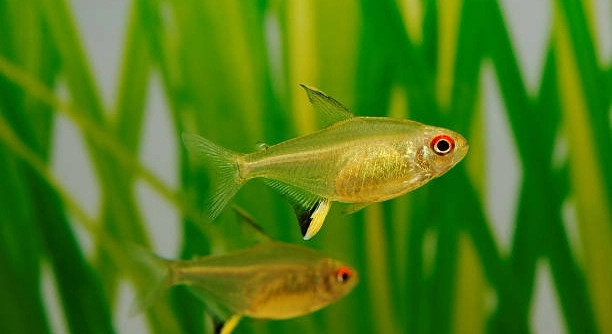
Lemon tetras are small, lively fish that brighten up any freshwater aquarium. After feeding, some owners notice these fish suddenly disappear behind plants or decorations, leaving their tanks seeming quieter than before. This behavior can seem puzzling at first.
Lemon tetras hide after feeding primarily as a natural response to digestion and safety instincts. Post-feeding, they experience a temporary slowdown in mobility, making them vulnerable. Seeking shelter helps reduce stress and potential threats while their bodies process food efficiently.
Observing these hiding patterns can help you better understand your fish’s behavior and create a more comfortable, secure environment for them. Proper care ensures they remain healthy and active in your aquarium.
Common Reasons Lemon Tetras Hide After Feeding
Lemon tetras often hide after meals due to instinctual behavior. In their natural habitat, these fish rely on quick retreats to avoid predators while digesting food. Even in a safe aquarium, this instinct remains strong. Overfeeding can also contribute, as a full stomach may slow movement and make them feel more vulnerable. Water quality plays a role too. Poor conditions can stress the fish, prompting them to seek shelter more often. Providing plenty of plants and hiding spots can make them feel secure and reduce stress. Temperature fluctuations or sudden changes in the environment may trigger hiding as well. Observing their feeding habits closely helps determine if hiding is related to stress, diet, or environmental factors. By maintaining a stable, well-planted tank, owners can support natural behavior without compromising their comfort or health. Monitoring these patterns ensures the tetras remain active and visibly healthy.
Keeping the tank consistent with stable temperatures and clean water often decreases hiding behavior significantly.
A balanced diet also helps. Feeding small amounts multiple times a day prevents bloating and promotes normal activity. Hiding becomes less frequent when fish are comfortable and well-fed, reducing the stress on their digestive system. The tank setup should mimic natural conditions, including low light areas and plants. This allows them to retreat when needed but still swim freely when relaxed. Regular observation helps identify any irregularities in behavior or appetite. By combining proper feeding, stable water quality, and a secure environment, lemon tetras can maintain healthy, visible activity patterns after meals, making the aquarium more enjoyable to watch.
Tips to Reduce Hiding
Introducing gradual feeding schedules can help lemon tetras feel safer and less stressed after eating.
Adjusting the tank layout improves visibility and comfort. Adding taller plants and gentle hiding areas allows tetras to digest food without feeling exposed. Avoid sudden light changes during feeding, as this can startle them. Keeping water parameters steady—temperature, pH, and cleanliness—reduces stress-induced hiding. Feeding the correct portion prevents bloating and supports regular swimming behavior. Consistency in these aspects encourages more natural, relaxed post-feeding activity. Observing their patterns over time lets you fine-tune the environment for each fish, ensuring they remain healthy and active. Creating a calm, predictable routine fosters confidence and decreases the need for immediate retreat.
By monitoring tank conditions and feeding habits carefully, owners can significantly reduce hiding tendencies in lemon tetras. Consistent care includes regulating water temperature, maintaining clean filters, and ensuring the pH remains stable. Overfeeding should be avoided; smaller portions spread throughout the day encourage normal digestion without causing bloating or stress. Structured feeding times combined with a calm environment allow fish to develop predictable routines, which promotes visible activity and reduces anxiety-related hiding. The tank layout is important—plants and decorations should offer refuge without isolating fish completely. Gentle lighting and minimal sudden movements help them feel secure. Observing how each fish reacts after meals can guide adjustments in environment or feeding. Over time, these measures create a stable, safe setting where lemon tetras can eat, swim, and interact naturally, making post-feeding hiding less frequent and promoting overall well-being.
Feeding Practices That Affect Hiding
Overfeeding is a common reason lemon tetras hide after meals. Large portions can make them sluggish and uncomfortable. Smaller, controlled amounts help them digest properly. Spreading feedings throughout the day also reduces stress. Observing their reaction to each meal shows what works best for your tank.
Feeding too much at once can overwhelm their digestive system, causing them to retreat. Lemon tetras are small fish with delicate stomachs, so portion control is essential. Multiple small feedings prevent bloating and encourage regular swimming. The type of food also matters. Flakes, pellets, or live foods digest at different speeds. Offering a varied diet ensures they receive proper nutrition without causing post-meal discomfort. Watching them closely after meals can indicate if they are eating appropriately or hiding due to fullness. Proper feeding habits support both activity and long-term health.
Timing of feedings affects behavior as well. Feeding at consistent times each day creates routine, making fish more comfortable. Sudden changes in timing or type of food may trigger hiding. Overfed or stressed fish tend to hide longer, especially if they feel exposed while digesting. Adjusting quantity, frequency, and type of food can minimize this behavior. Creating a predictable feeding schedule, while keeping the portions reasonable, helps lemon tetras stay active after meals. Proper observation and adjustment ensure feeding practices support natural behavior, digestion, and overall well-being in a safe aquarium environment.
Tank Environment Considerations
The layout of the tank directly influences hiding behavior. Dense plants, rocks, and decorations give fish refuge. Open spaces reduce comfort after feeding. Proper lighting and gentle water flow also impact how safe they feel.
A well-planned tank environment encourages tetras to swim confidently rather than hide. Lemon tetras instinctively seek shelter when they feel exposed. Providing plenty of hiding spots near feeding areas helps them feel secure while digesting. Avoid overcrowding, as too many fish can increase stress. Light intensity should be moderate; bright lights can drive them into cover. Gentle water flow ensures they are not stressed while swimming. Regular maintenance, including cleaning decorations and monitoring water quality, supports a healthy environment. By balancing open swimming areas with adequate hiding spaces, tetras feel safe and display normal post-feeding activity.
Temperature and water conditions are critical. Lemon tetras prefer stable, slightly acidic to neutral water. Fluctuations can stress fish, prompting hiding after meals. Proper filtration and regular water testing maintain consistent parameters. Plants not only provide cover but also improve water quality by absorbing excess nutrients. Decorations should be arranged to mimic natural habitats, giving fish both retreat areas and open swimming zones. Minimal disturbances during feeding reduce sudden stress. Observing fish behavior over time allows for adjustments in environment and setup. Ensuring a stable, enriched habitat promotes confidence, reduces hiding tendencies, and supports healthy digestion and active behavior after meals.
Stress Factors in Lemon Tetras
Sudden changes in light, temperature, or tank arrangement can cause lemon tetras to hide after feeding. Even minor disturbances like tapping on the glass may trigger stress. A calm, consistent environment helps them feel secure and reduces hiding behavior.
Overcrowding is another stressor. Too many fish in a limited space increase competition for food and shelter. Stress can make lemon tetras retreat immediately after eating, even if they are healthy. Ensuring adequate space and maintaining a balanced number of fish per tank size helps minimize tension. A stable environment supports confident swimming and visible post-feeding activity.
Recognizing Normal vs. Concerning Hiding
Brief hiding after feeding is normal, especially in well-planted tanks. Fish often rest or digest in sheltered areas without health issues. Observing patterns helps distinguish normal behavior from warning signs.
Signs of Illness or Discomfort
Persistent hiding, loss of appetite, or erratic swimming may indicate illness. Parasites, infections, or water quality issues can cause prolonged retreat and stress. Addressing these concerns promptly ensures the health of your lemon tetras and prevents further complications.
Adjusting Feeding and Environment
Feeding smaller portions more frequently and maintaining stable water conditions reduces hiding. Providing safe, accessible shelter encourages normal post-feeding activity and supports overall well-being.
FAQ
Why do lemon tetras hide immediately after feeding?
Lemon tetras hide after feeding mainly due to instinctual behavior. After eating, they become slightly slower and more vulnerable. Seeking shelter reduces stress and simulates natural conditions, where small fish avoid predators during digestion. Overfeeding or sudden changes in water conditions can also increase hiding tendencies.
Is it normal for them to stay hidden for long periods?
Short periods of hiding are normal, especially after meals. However, if a fish remains in hiding for hours or shows no interest in swimming, it may indicate stress, illness, or water quality issues. Observing their routine helps distinguish normal behavior from concerning patterns.
Can overfeeding cause hiding?
Yes. Overfeeding slows digestion and can make lemon tetras feel uncomfortable. Large portions may cause bloating, prompting them to retreat to safe areas. Feeding smaller amounts multiple times per day helps maintain regular activity and reduces prolonged hiding.
Do tank decorations influence hiding behavior?
Absolutely. Plants, rocks, and other decorations provide necessary shelter, allowing tetras to feel safe while digesting. However, if hiding areas are too few or poorly placed, fish may appear stressed. A balanced layout with both open swimming space and secure hiding spots promotes healthy behavior.
Does water temperature affect hiding?
Yes, temperature changes can stress lemon tetras. Sudden drops or spikes in water temperature make them feel vulnerable and trigger hiding. Maintaining stable, slightly warm water helps digestion and encourages post-feeding activity, reducing prolonged retreats.
Can lighting influence hiding behavior?
Bright or fluctuating lights can startle lemon tetras, causing them to hide. Moderate lighting, ideally mimicking natural daylight, reduces stress. Slowly adjusting lighting during feedings creates a calmer environment, allowing fish to feed and swim comfortably afterward.
Are there signs that hiding indicates illness?
Persistent hiding combined with other behaviors—loss of appetite, erratic swimming, or faded colors—may suggest health problems. Parasites, infections, or poor water quality can cause discomfort, leading to extended hiding. Promptly addressing tank conditions and observing symptoms ensures fish health.
How can feeding schedules reduce hiding?
Feeding smaller portions consistently encourages natural activity and reduces the need to hide. Sudden changes in timing or amount can stress fish. A predictable feeding routine helps tetras feel secure and promotes regular swimming after meals.
Is overcrowding a factor in hiding behavior?
Yes, overcrowded tanks increase stress and competition for food and shelter. Lemon tetras may hide more frequently if they feel threatened by other fish. Maintaining proper stocking levels and providing sufficient hiding spaces keeps the fish comfortable and active.
What role does water quality play in hiding?
Poor water conditions—high ammonia, nitrite, or nitrate levels—cause stress, prompting hiding. Regular water testing, proper filtration, and routine maintenance ensure a stable environment. Clean, balanced water reduces stress and allows tetras to swim openly after feeding.
How long should lemon tetras hide before I become concerned?
Short hiding after meals, usually minutes to half an hour, is normal. If they remain hidden for several hours, show no interest in food, or display unusual behavior, it may indicate stress, illness, or environmental problems requiring attention.
Can I reduce hiding by adjusting the tank layout?
Yes. Creating both open swimming areas and secure shelter encourages natural behavior. Lemon tetras feel safer and are less likely to hide excessively when they have predictable retreat spaces near feeding zones. Proper layout promotes active, healthy post-feeding behavior.
Does stress from sudden movements affect hiding?
Sudden taps on the glass, rapid movements near the tank, or loud noises can trigger hiding. Maintaining a calm environment during feeding helps fish feel safe and reduces the frequency and duration of post-meal retreats.
Are certain foods better for preventing hiding?
Easily digestible foods reduce discomfort and encourage activity. High-quality flakes, pellets, and occasional live foods are suitable. Avoid overfeeding or giving foods that expand excessively in the stomach. A balanced diet supports digestion and keeps tetras active after meals.
Can observing hiding behavior help improve tank care?
Yes, closely watching post-feeding behavior provides insight into tank conditions, diet, and stress levels. Adjusting feeding amounts, tank layout, and water quality based on observations promotes healthier, more confident lemon tetras. Consistent monitoring ensures long-term well-being.
Final Thoughts
Lemon tetras are naturally small and delicate fish, and their behavior after feeding is often a reflection of instinct and comfort. Hiding immediately after eating is normal in most cases, as it allows them to digest in a safer, sheltered area. This behavior is rooted in their natural environment, where staying still and hidden reduces the risk of predators. Even in a safe aquarium, these instincts remain strong, and it is important to recognize that hiding does not automatically mean something is wrong. Observing when and how long they hide provides insight into their comfort level, feeding patterns, and the overall condition of the tank. Over time, understanding these behaviors helps in creating a calm and predictable environment for the fish, which reduces unnecessary stress and promotes their overall well-being.
Maintaining stable tank conditions is a critical factor in minimizing excessive hiding. Lemon tetras are sensitive to sudden changes in temperature, lighting, or water quality. Even minor fluctuations can make them retreat more frequently. Regular water testing, consistent temperature control, and proper filtration all contribute to a healthier, stress-free environment. Tank layout also plays a role in their comfort. Providing a mix of open swimming spaces and secure hiding areas allows them to balance exploration with safety. Dense plants or decorations placed strategically can help fish feel secure without making them feel trapped. Feeding practices are equally important. Smaller, frequent feedings prevent bloating and discomfort, which naturally reduces hiding. Offering a balanced diet that is easily digestible helps the fish remain active and comfortable after meals.
Monitoring behavior and making gradual adjustments ensures that lemon tetras stay healthy and display normal activity. It is helpful to pay attention to patterns rather than isolated events. Occasional hiding is expected and should not cause alarm, but persistent hiding combined with other signs like loss of appetite or erratic swimming may indicate health or environmental issues that need addressing. By maintaining consistent feeding routines, stable water conditions, and a thoughtful tank layout, owners can support natural behavior while minimizing unnecessary stress. Understanding these factors allows lemon tetras to thrive, promoting a peaceful, active, and visually appealing aquarium. This approach not only improves their daily life but also creates a more enjoyable experience for those caring for them.

Hello,
If you enjoy the content that we create, please consider saying a "Thank You!" by leaving a tip.
Every little bit helps us continue crafting quality advice that supports the health, happiness, and well-being of pets around the world, for pets of all shapes, sizes, and species.
We really appreciate the kindness and support that you show us!