
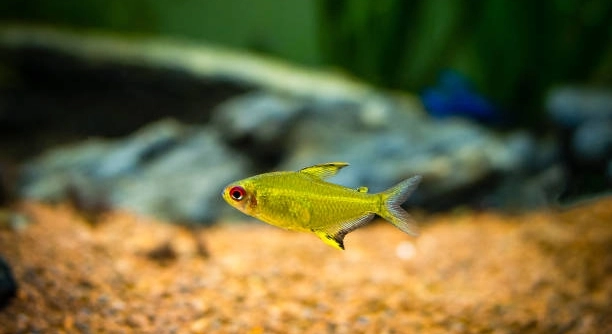
Do you enjoy keeping a colorful aquarium and noticing how your fish interact with each other? Lemon tetras are lively, small fish that bring vibrancy to any tank, making their behaviors both fascinating and sometimes puzzling.
Lemon tetras can recognize other species to a limited extent, mainly by visual and chemical cues. They respond differently to familiar and unfamiliar fish, showing altered schooling behavior, social interactions, and avoidance depending on species recognition.
Observing how lemon tetras interact beyond their own kind can reveal surprising patterns in their behavior and social preferences. These interactions offer insight into their adaptability and the dynamics of mixed-species aquariums.
How Lemon Tetras Identify Other Species
Lemon tetras primarily rely on sight and smell to distinguish between species in their tank. They notice differences in color patterns, fin shapes, and swimming styles, which helps them decide how to interact. In community tanks, these visual cues are crucial for avoiding aggression or unnecessary stress. Chemical signals in the water also play a role, allowing them to detect other fish’s presence even when not directly visible. When unfamiliar fish enter their environment, lemon tetras may initially keep distance or alter their swimming patterns. Over time, they adjust based on repeated exposure, showing a combination of instinct and learned behavior. This recognition affects schooling behavior, feeding patterns, and territory boundaries. Tetras often form tighter groups with their own species while cautiously observing others. Understanding these responses can help aquarium owners manage mixed-species tanks more effectively, ensuring a peaceful and balanced environment.
Recognition of other species affects lemon tetras’ social and feeding habits significantly.
Observing these interactions reveals subtle patterns. Lemon tetras may avoid aggressive species, swim alongside passive fish, or change group dynamics based on perceived safety. Over time, they develop consistent responses, balancing curiosity with caution.
Practical Tips for Mixed-Species Tanks
Maintaining proper tank conditions is essential for lemon tetras and other species.
When introducing new fish, it is important to monitor their interactions closely. Avoid overcrowding and ensure each species has enough hiding spots. Gradually acclimate new fish to the tank to reduce stress and aggression. Lemon tetras adapt better when visual barriers, like plants or decorations, provide temporary separation. Feeding should be consistent and spread across the tank so all species have access without competition. Observing schooling behavior and activity levels helps detect stress or dominance issues early. Adjusting water conditions to meet the needs of multiple species ensures health and stability. Over time, lemon tetras learn to coexist, balancing curiosity and caution while maintaining their own social structure. Creating an environment that respects each species’ tendencies improves overall tank harmony and reduces the risk of conflict.
Signs Lemon Tetras Are Recognizing Other Species
Lemon tetras may change swimming patterns or adjust their schooling when they spot different species. They can keep distance, observe quietly, or mimic cautious behavior depending on the perceived threat or familiarity with the other fish.
These tetras often form tighter groups when unfamiliar species are present. If a new fish is introduced, lemon tetras may initially stay near tank plants or corners. Over time, they gradually approach and observe, learning whether the newcomer is a threat or safe to coexist with. This behavior demonstrates their ability to assess the environment and make decisions based on both instinct and experience.
Recognition also affects feeding and interaction. Lemon tetras may eat more cautiously around new species, ensuring they are not bullied or crowded out. They may also change their usual swimming paths, creating temporary separation between themselves and unfamiliar fish. These subtle behavioral changes show a mix of social awareness and adaptability.
Managing Tank Introductions
Gradual introductions reduce stress for lemon tetras and other fish. Proper acclimation ensures smoother adaptation.
Introducing new species in stages helps prevent aggression. Lemon tetras respond better when new fish are kept in a separate section initially, allowing observation without direct contact. Providing plants, rocks, and hiding spots reduces tension and gives each species space to adjust naturally. Regular monitoring of behavior, such as changes in schooling or feeding patterns, helps identify stress early. Avoid sudden additions or overcrowding, as this can disrupt established dynamics. Feeding multiple times in different areas ensures no species dominates. Over time, lemon tetras recognize and tolerate new species, balancing caution with curiosity.
Careful observation during these introductions is essential. Lemon tetras may react differently based on species size, temperament, and activity levels. Active, larger fish can intimidate them, while smaller or passive species are often ignored. Placement of decorations and plants can influence their confidence in exploring the tank. Monitoring for signs of stress, such as hiding or erratic swimming, ensures early intervention. Adjusting feeding routines and providing safe spaces allows tetras to feel secure while assessing other fish. This gradual process helps maintain harmony, allowing lemon tetras to coexist peacefully without constant stress or aggression in a mixed-species environment.
Common Behavioral Responses
Lemon tetras often show cautious behavior around unfamiliar species. They may tighten their school, hide behind plants, or reduce movement until they feel safe in the presence of other fish.
Some tetras observe quietly without interacting, using visual cues to assess whether the other species poses a threat. This vigilance helps maintain their safety while sharing the tank.
Impact on Feeding Patterns
When other species are present, lemon tetras may alter how and when they eat. They sometimes wait for dominant or aggressive fish to finish before approaching food. This ensures they get enough nutrition without conflict. Feeding in multiple spots reduces competition, allowing all species to eat comfortably. Adjusting feeding routines can encourage more confident and balanced behavior, helping lemon tetras maintain their health while coexisting with other fish. Over time, they learn which species are safe to share meals with and adjust their behavior accordingly. This recognition is subtle but affects day-to-day tank interactions significantly.
Environmental Factors That Affect Recognition
Tank layout, decorations, and plant density influence how lemon tetras recognize and respond to other species.
FAQ
Can lemon tetras recognize individual fish of their own species?
Yes, lemon tetras can recognize other lemon tetras, especially those they have spent time schooling with. They notice subtle differences in size, shape, and swimming style. This recognition helps maintain group cohesion and reduces conflict within their own species. Fish that are familiar tend to swim closer together and coordinate movements, while unfamiliar tetras may be observed cautiously before being accepted into the school.
Do lemon tetras react differently to aggressive species?
Lemon tetras show heightened caution around aggressive species. They may keep distance, hide among plants, or stick to the edges of the tank. Aggressive or larger fish trigger stress responses, such as faster swimming, darting, or retreating. Over time, they learn to identify which species pose a threat and adjust their behavior to avoid direct conflict. This helps maintain safety and reduces stress in a mixed-species tank.
How do lemon tetras respond to peaceful species?
Peaceful species generally do not provoke fear or stress in lemon tetras. They often swim alongside calm fish without significant changes to their own behavior. Lemon tetras may maintain their usual schooling patterns and feeding habits when in the company of non-threatening species. Observing these interactions can reveal the tetras’ adaptability and their ability to coexist without unnecessary tension. Peaceful species can help create a balanced tank environment where lemon tetras feel safe.
Can lemon tetras learn to recognize new species over time?
Yes, lemon tetras can gradually become familiar with new species. Initial encounters often involve caution, hiding, or avoidance. With repeated exposure, they learn which fish are safe to be around. This learning process allows them to adapt their schooling, feeding, and swimming behaviors accordingly. Consistent, non-threatening interactions help tetras feel secure, promoting healthier social dynamics in the aquarium.
Do tank conditions affect species recognition?
Tank layout, plant density, and decorations play a significant role in how lemon tetras perceive other species. Dense plants and hiding spots give them areas to retreat while observing newcomers. Open spaces may increase stress if they cannot escape larger or aggressive fish. Proper tank setup encourages natural behaviors, reduces conflict, and allows tetras to assess other species safely. Environmental cues influence both visual and chemical recognition, enhancing their ability to distinguish different fish.
How does schooling behavior change with multiple species?
When mixed with other species, lemon tetras may alter the tightness and movement of their school. They often form more compact groups when unfamiliar or dominant species are present. This helps them stay safe and coordinated. In peaceful conditions, schools may spread out more, showing normal, relaxed movement. Changes in schooling reflect recognition and ongoing assessment of risk in the tank.
Does diet or feeding routine impact recognition?
Feeding patterns can influence how lemon tetras interact with other species. They may wait for dominant fish to finish before approaching food, reducing stress and competition. Feeding in multiple locations helps tetras eat without fear of being crowded or chased. Over time, they learn which species are safe to eat alongside and adjust their behavior accordingly, showing subtle but consistent recognition.
Are there signs that tetras do not recognize a species?
Signs include repeated avoidance, stress behaviors, or aggression toward the same fish despite repeated exposure. If lemon tetras never adjust their swimming or schooling around a new species, it may indicate a lack of recognition or ongoing caution. Monitoring these behaviors can help identify potential conflicts and allow adjustments to tank setup or species selection for a balanced environment.
Can recognition reduce stress in a mixed-species tank?
Yes, familiarization with other species lowers stress levels. Lemon tetras that recognize safe species show calmer swimming, regular feeding, and normal schooling behavior. Recognizing both threats and neutral species helps them navigate the tank confidently, creating a more stable and peaceful environment. This recognition is key for long-term health and well-being.
Does recognition vary by age or size of the tetras?
Younger lemon tetras may take longer to recognize other species, often displaying more cautious or unpredictable behavior. Adult tetras typically recognize familiar and safe species more quickly, showing stable schooling and feeding patterns. Size differences can also influence recognition, as smaller tetras may perceive larger fish as threats until they become accustomed to their presence.
Final Thoughts
Lemon tetras are small but surprisingly aware fish. Their ability to recognize other species, even in a limited way, plays an important role in their daily behavior and interactions. In community tanks, this recognition helps them decide how to move, where to swim, and when to feed. Observing these patterns can be both interesting and useful for managing a mixed-species aquarium. When they encounter unfamiliar fish, tetras often respond cautiously at first, hiding or keeping distance while assessing whether the new species is safe. Over time, they learn which fish pose no threat and adjust their swimming and schooling patterns accordingly. This combination of instinct and learned behavior shows their adaptability in a shared environment.
Environmental factors in the tank significantly affect how lemon tetras recognize and respond to other species. Decorations, plants, and open swimming areas provide both hiding spots and observation points, allowing tetras to monitor other fish without unnecessary stress. Dense plant areas can offer security when new fish are introduced, while open spaces give them room to move and maintain their natural schooling patterns. Feeding routines also play a role. Lemon tetras often wait for larger or more dominant fish to finish eating before approaching food, and feeding in multiple areas can reduce competition. By providing these conditions, aquarium owners can create a more balanced tank where tetras coexist peacefully and exhibit natural behaviors, making observation more rewarding and the fish healthier.
Understanding how lemon tetras recognize other species can help maintain a calm, harmonious tank. By introducing new fish gradually, monitoring their responses, and adjusting tank layout and feeding routines, it is possible to reduce stress and encourage healthy interactions. Lemon tetras’ subtle behavioral changes, such as altering schooling, hiding, or cautious feeding, reflect their awareness and recognition of other species. Recognizing both threats and neutral fish allows them to navigate their environment with confidence. Observing these behaviors can be insightful and may guide how you manage your tank in the long term. Proper care and attention to interactions improve their well-being and foster a peaceful, thriving aquarium where multiple species can live together successfully.

Hello,
If you enjoy the content that we create, please consider saying a "Thank You!" by leaving a tip.
Every little bit helps us continue crafting quality advice that supports the health, happiness, and well-being of pets around the world, for pets of all shapes, sizes, and species.
We really appreciate the kindness and support that you show us!