
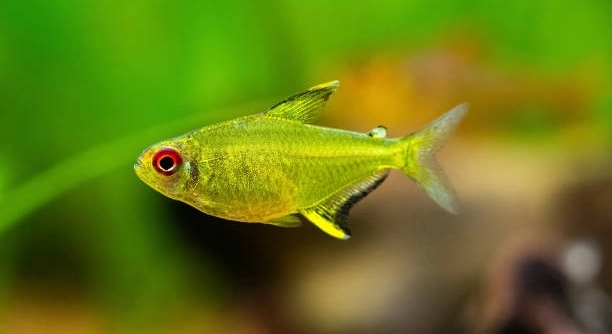
Lemon tetras are small, lively fish that brighten up any aquarium with their yellow glow. They move gracefully during the day, creating a playful and peaceful environment for anyone watching. Their habits are simple yet fascinating.
When the lights go out, lemon tetras generally slow down and gather in small groups near plants or decorations. They reduce activity to conserve energy, resting while staying alert to any changes in their surroundings. This behavior is typical for diurnal fish.
Observing how lemon tetras act at night can reveal subtle details about their comfort and well-being in the tank. Their nighttime habits are quietly informative for any aquarium owner.
How Lemon Tetras Adjust to Darkness
Lemon tetras are sensitive to light changes, which signals them to adjust their activity. When the lights go out, they stop swimming as actively and gather in quieter areas of the tank. Plants, rocks, or decorations provide shelter and a sense of security. Even in darkness, they remain alert, responding to vibrations or sudden movements in the water. Their eyes are adapted to low light, allowing them to detect shapes and shadows rather than bright details. Over time, these fish develop a routine that aligns with the tank’s light schedule. Consistent light cycles help maintain their natural rhythm, reduce stress, and encourage healthy behavior. Sudden or frequent light changes can disturb them, causing confusion or excessive hiding. Observing their behavior over days helps you understand how they interact with their environment. It is a gentle reminder that even small fish have complex reactions to their surroundings.
Their activity slows significantly during the night, conserving energy while remaining observant of potential changes in the tank environment.
Watching them adjust can be surprisingly calming. Their subtle movements show comfort levels and interaction with tank decorations. Patterns emerge that reveal their daily rhythm and safety preferences.
Common Nighttime Behaviors
Lemon tetras often cluster together when it is dark. This provides a sense of security and comfort, keeping them calmer than if they were alone.
At night, you might notice certain behaviors that differ from daytime activity. Some tetras hover near the tank bottom, resting without fully sinking, while others stay close to plants or shaded areas. They rarely swim in long, active patterns at night, conserving energy and reducing visibility to potential threats. Occasionally, a fish will dart quickly, triggered by minor water disturbances or reflections from the room. Even in dim light, their social bonds remain strong. They tend to stay in small groups, communicating subtly through movement and body position. Understanding these behaviors is important for tank care, as it highlights their need for structure and predictability. Proper nighttime conditions, like dim or no lighting and quiet surroundings, promote health and reduce stress. Observing these patterns over time allows you to notice changes that may indicate discomfort or illness, helping you take timely action for their well-being.
Feeding and Activity at Night
Lemon tetras usually stop eating when the lights go out. They rely on stored energy and reduce movement, focusing on resting and staying safe. Nighttime is a quiet period for them, with little interaction with food or active swimming.
Even if food is added at night, lemon tetras rarely respond. Their natural rhythm is tied to daylight, so they are more active and hungry during the day. At night, they prioritize conserving energy and staying near shelter. Attempting to feed them after lights off can cause stress or confusion. Observing their feeding patterns during the day gives a better understanding of how much they need. They may nibble occasionally at plant matter or floating particles, but this is minimal compared to daytime feeding. Maintaining a regular schedule ensures they get proper nutrition while supporting natural behavior.
Nighttime activity is generally limited to gentle swimming or shifting positions among plants and decorations. They may hover near surfaces or stay in tight groups. This behavior is normal and indicates they feel secure in their environment. Movement is slow and deliberate, helping them conserve energy and reduce exposure. Occasional quick flicks of fins may occur, but overall activity is calm. Nighttime observation can reveal preferences for hiding spots or favorite areas, useful for arranging decorations. Understanding these patterns supports healthier interactions and reduces stress in the tank.
Tank Setup for Night Comfort
Providing plants and hiding spots ensures lemon tetras feel safe when the lights go out. Dense areas give shelter while open swimming spaces remain accessible.
A well-arranged tank supports both daytime and nighttime behavior. Lemon tetras need a balance of open space for swimming and shaded or covered areas for resting. Floating plants, rock formations, and densely planted corners create environments where they can hide or hover calmly. Substrate and background colors can reduce reflections and light disturbances at night, improving comfort. Regular cleaning and proper filtration prevent water disturbances that could startle them, ensuring nighttime periods remain quiet and stress-free. Positioning decorations thoughtfully allows the fish to choose spots that suit their needs, encouraging natural resting behaviors and maintaining social interactions without overcrowding. Consistent observation helps identify which areas are preferred at night, guiding adjustments for an optimal, stable environment.
Light Sensitivity
Lemon tetras are highly sensitive to sudden light changes. Abrupt switching of tank lights can startle them, causing rapid swimming or hiding. Gradual dimming helps them adjust calmly and reduces stress, keeping their nighttime behavior stable and predictable.
Low light at night is ideal for maintaining their natural rhythm. They rely on subtle cues from the environment to navigate, so consistent lighting schedules support healthy activity patterns and reduce confusion or agitation.
Resting Behavior
At night, lemon tetras often stay near plants or decorations, remaining mostly still. They conserve energy while staying alert, which is essential for their health and natural routine.
Social Interaction
Even in darkness, lemon tetras maintain social bonds. They gather in small groups, using subtle body movements to communicate safety and cohesion within the tank.
Monitoring Health at Night
Observing lemon tetras during nighttime can reveal stress or illness signs. Reduced movement or erratic behavior may indicate environmental or health issues that require attention.
FAQ
Why do lemon tetras gather in groups when the lights go out?
Lemon tetras instinctively group together at night for safety. In the dark, staying close to each other reduces stress and provides a sense of security. This behavior mimics natural instincts in the wild, where small fish rely on numbers to avoid predators. Grouping also helps them maintain social bonds and communicate subtly through movements, even without light. Their body language becomes the main way to signal comfort, alertness, or minor disturbances. Watching them cluster can show which areas of the tank feel safest.
Do lemon tetras sleep like other animals?
Lemon tetras do not sleep in the same way mammals do. Instead, they enter a resting state where movement slows, metabolism decreases, and responsiveness is reduced. They remain alert to vibrations or sudden disturbances. Resting occurs mostly at night when the lights are off, helping them conserve energy. Observing them hovering near plants or decorations indicates they are resting. Proper nighttime conditions are essential because sudden light or water disturbances can interrupt rest and increase stress.
Will lemon tetras eat at night?
Generally, lemon tetras do not eat when the lights are off. Their feeding activity is tied to daylight and routine. Adding food at night may confuse them or cause stress, as they focus on conserving energy instead. Minimal nibbling might occur if floating particles or plant matter are nearby, but this is rare. Ensuring consistent feeding during the day supports their health and aligns with natural behavior. Nighttime should be reserved for resting and maintaining their energy levels.
How do lemon tetras react to sudden light changes at night?
Sudden light exposure can startle lemon tetras, causing them to dart around or hide. Their eyes are adapted to low-light conditions, so abrupt brightness is stressful. Using dimmers or a gradual lighting schedule helps them adjust safely. This approach reduces risk of injury and keeps nighttime behavior calm. Monitoring their response during transitions ensures they remain comfortable and less prone to panic.
Do lemon tetras need complete darkness to rest?
While complete darkness is not strictly necessary, low or dim light is preferred. Bright or fluctuating light at night disrupts their rest patterns and can increase stress. Providing shaded areas or plants helps create a comfortable environment even if some ambient light is present. Darkness cues their natural rhythm, supporting energy conservation and social behavior. Consistent light cycles improve overall well-being and prevent unnecessary agitation.
Can observing lemon tetras at night help detect health issues?
Yes. Nighttime behavior is a useful indicator of health. Reduced movement, unusual hiding patterns, or erratic swimming may signal stress, illness, or environmental problems. Regular observation allows early detection of issues, such as water quality concerns or disease. Adjusting tank conditions, decorations, or light schedules based on these observations supports healthier, calmer fish and prevents long-term problems.
Do lemon tetras communicate at night?
Communication at night is subtle but present. They use body positioning, fin movements, and group clustering to signal comfort, alertness, or minor disturbances. These signals help maintain cohesion and reduce stress within the group. Even in darkness, social structure remains intact, supporting calmer nighttime behavior. Observing these interactions can reveal which fish are more dominant or which areas of the tank feel safest.
Is it normal for lemon tetras to move slightly during the night?
Yes. Small movements while resting are normal. Fish may adjust positions among plants or decorations, hover gently, or make brief fin flicks. This activity conserves energy while allowing them to remain aware of surroundings. Constant rapid swimming or frantic behavior, however, indicates stress or discomfort, which should be addressed by checking tank conditions, lighting, and water quality.
How long do lemon tetras stay inactive at night?
Inactivity generally lasts for the entire dark period, which aligns with the tank’s lighting schedule. They rest most of the night, occasionally shifting position. Proper light-dark cycles ensure they have predictable resting periods, conserving energy and maintaining health. Irregular schedules can disrupt their natural rhythm and increase stress.
What can be done to improve nighttime comfort for lemon tetras?
Providing plants, decorations, and shaded areas ensures safe spaces to rest. Keeping lights on a consistent schedule and avoiding sudden changes reduces stress. Minimizing disturbances, like loud noises or vibrations, supports calm behavior. Regular monitoring helps identify preferred resting spots and confirms that all fish feel secure during the night. Adjusting tank layout or lighting gradually can enhance overall comfort and promote natural behavior patterns.
Lemon tetras are small, peaceful fish that respond strongly to their environment, especially when it comes to light and darkness. Their behavior changes noticeably at night, slowing down and gathering in safe areas. Watching them adjust to low light shows how sensitive they are to their surroundings. Plants, rocks, and other decorations play an important role in providing shelter and comfort. The more secure and structured their tank environment is, the more relaxed they appear at night. Even without activity, their presence adds a quiet, calming energy to the aquarium. Their gentle movements and occasional flicks of fins are signs of normal, healthy behavior. Understanding these subtle changes helps maintain their overall well-being and ensures they feel safe at all times. By observing their resting patterns, grouping habits, and responsiveness to light, tank owners can provide an environment that supports both daytime activity and nighttime rest.
Proper lighting schedules are key to keeping lemon tetras healthy and comfortable. Sudden changes in light can startle them and increase stress, while a consistent day-night cycle encourages natural rhythms. Dim or shaded areas in the tank allow them to rest without feeling exposed, and this is essential for energy conservation. Nighttime is not a time for feeding, as they rely on energy stored from daytime activity. Minimal movement and reduced swimming help maintain their energy levels for the next day. Watching how they interact with plants, decorations, and each other during these quiet periods can give insight into their social behavior and tank preferences. This understanding can guide tank layout decisions, such as where to place hiding spots, floating plants, and open swimming areas. Over time, these adjustments help create a balanced environment that supports their instincts, comfort, and natural activity patterns.
Monitoring lemon tetras at night can also be a helpful tool for assessing their health. Unusual behavior, like staying isolated, excessive hiding, or erratic movement, may indicate stress, water quality issues, or illness. By paying attention to their nighttime habits, tank owners can detect potential problems early and take corrective action. Small, consistent changes in their environment, such as adjusting light levels or adding new shelter areas, can make a noticeable difference in their comfort. Overall, providing a secure, predictable, and thoughtfully arranged tank allows lemon tetras to exhibit natural behaviors both during the day and at night. Observing these behaviors not only supports their health but also enhances the quiet, subtle enjoyment of keeping these delicate fish in a home aquarium.

Hello,
If you enjoy the content that we create, please consider saying a "Thank You!" by leaving a tip.
Every little bit helps us continue crafting quality advice that supports the health, happiness, and well-being of pets around the world, for pets of all shapes, sizes, and species.
We really appreciate the kindness and support that you show us!