
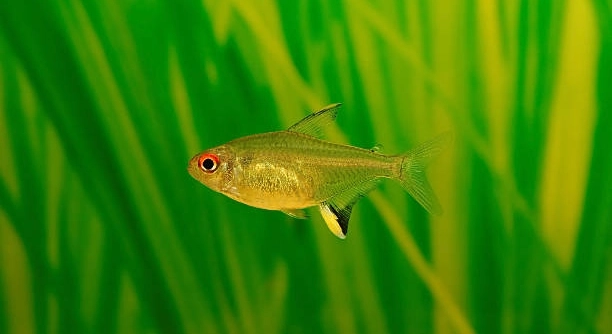
Lemon tetras are small, bright fish that often seem to be fascinated by their own reflections in aquariums. Watching them swim toward shiny surfaces is a common sight for many fish enthusiasts and hobbyists alike.
Lemon tetras are drawn to reflections because they perceive them as other fish. This behavior is rooted in social instincts, helping them engage, establish territory, and practice schooling patterns within their environment efficiently and safely.
Observing these behaviors can reveal insights into their social nature and interactions. The way they respond to reflections offers more than simple entertainment.
How Lemon Tetras See Their Reflections
When I first noticed my lemon tetras swimming straight at the glass, I was surprised at how persistent they were. They would hover, turn, and even flare slightly, as if responding to another fish. This behavior is part of their natural instincts. In the wild, lemon tetras are schooling fish, relying on numbers for safety and confidence. Seeing a reflection gives them the illusion of another member nearby. It can help them feel more secure and maintain their social patterns. Some tetras use reflections to practice movements, as if rehearsing interactions with other fish. Over time, I realized that their fascination isn’t about confusion—it’s a form of engagement. They are alert, curious, and aware of their surroundings. Reflections in aquariums provide a low-risk way to interact. It allows them to test behaviors without real threats or competition, which is particularly useful in smaller tanks or when there are fewer fish.
Reflections act as simple social cues, keeping lemon tetras active and engaged in their environment.
Understanding how reflections influence behavior can help you set up tanks that encourage natural interactions. Observing your fish in these moments reveals their complex social instincts, showing how much they rely on visual cues. Simple placement of reflective surfaces can make a tank more stimulating, while ensuring it doesn’t become stressful. By watching how they react, you can learn which areas they prefer and how they interact with each other. Over time, reflections can help reduce boredom and encourage movement, keeping fish healthier. Their behavior reminds me that even tiny, seemingly simple fish have layers of instinct and intelligence that are fascinating to see in a home tank.
Signs Reflections Affect Behavior
Reflections can trigger schooling or territorial displays.
I noticed that some of my lemon tetras would chase their reflections repeatedly, especially during feeding times. These behaviors can include flaring fins, quick dashes, or circling patterns around the glass. Reflections may also cause brief stress if they feel threatened, but usually, they adjust quickly. Monitoring these reactions helps me understand their mood and social dynamics. Keeping the tank well-lit and balanced ensures that reflections stimulate rather than overwhelm them. Even minor changes, like the position of decorations or the angle of the glass, can alter how often they notice themselves. By observing patterns over days, I could predict when they would interact with reflective surfaces and when they preferred to focus on other fish. This insight is helpful when arranging new tanks or introducing new fish, as it minimizes unnecessary stress while supporting their natural behavior. Reflections, in this sense, are more than visual curiosities—they are a subtle tool for maintaining healthy social interactions and overall activity levels in the aquarium.
Reflection and Tank Environment
Reflections are more noticeable in smaller tanks or those with clear glass. Lemon tetras respond strongly to shiny surfaces, especially if lighting enhances the reflection. Proper placement of decorations can reduce excessive interaction with reflections, making the environment feel more natural.
I observed that when my tank had too many reflective surfaces, some lemon tetras became more skittish. They would dart back and forth, reacting to every glare or shiny surface. Adjusting the tank layout by adding plants and subdued backgrounds helped balance their behavior. Reflections still appear, but now they interact calmly, maintaining normal swimming and schooling patterns without stress. The environment plays a key role in moderating these instinctive responses.
Lighting also influences reflection intensity. Bright overhead lights amplify reflections, sometimes causing brief agitation. By adjusting light levels and positioning, I could control how often they noticed themselves. Plants and driftwood act as visual breaks, allowing tetras to focus on natural behaviors. Observing these changes taught me how environment directly impacts their daily activity, social interactions, and overall comfort within the tank. Careful adjustments make a noticeable difference.
Social Behavior and Reflection
Reflections can mimic the presence of other fish, encouraging natural schooling and social engagement. Lemon tetras often follow or circle near reflective surfaces as part of group-like behavior, even when alone.
When I first noticed this, one tetra would repeatedly swim alongside its reflection, seemingly coordinating movements. Over time, other tetras joined, creating the illusion of a larger school. This behavior isn’t random; it’s rooted in social instincts that ensure safety and cohesion in groups. Reflections act as low-risk partners for practicing interactions, helping fish refine swimming patterns, spacing, and reactions without actual competition. Even minor adjustments to tank surfaces or decorations influence how these social behaviors play out.
Reflections also affect dominance and hierarchy. Some fish assert themselves near reflective spots, displaying territorial behaviors or fin flaring. By observing these interactions, I could identify which tetras were more assertive and which were more submissive. This insight helps when managing feeding, tank layout, or introducing new fish, ensuring harmony. The subtle influence of reflections on social structure highlights how visual cues support instinctive behavior, shaping both activity and interaction patterns in the aquarium environment.
Managing Reflection in Small Tanks
Reflections are more intense in smaller tanks. Lemon tetras can become over-stimulated if they see themselves too often. Adding plants or background decorations helps break up reflective surfaces.
Positioning the tank away from direct light sources also reduces the intensity of reflections. Subtle changes can calm the fish.
Reflection and Stress
Excessive reflection can cause mild stress in some lemon tetras. I noticed that when reflections were too frequent, a few fish would hide more often or swim erratically. Stress levels can be reduced by introducing natural barriers, such as floating plants or driftwood. These help create zones where reflections are minimized. Maintaining stable water conditions and providing consistent lighting schedules further supports calm behavior. Reflections are not harmful by themselves, but moderation is key to ensuring tetras stay healthy and active without unnecessary agitation.
Using Mirrors for Observation
Small mirrors can help observe social behavior safely. Reflections allow tetras to interact without actual confrontation.
Benefits of Reflection Interaction
Reflections encourage activity and schooling instincts, keeping lemon tetras engaged and visually stimulated within their environment.
Why do lemon tetras stare at their reflections for long periods?
Lemon tetras stare at reflections because they perceive them as other fish. This behavior is rooted in natural social instincts. Observing another “fish” allows them to practice swimming in groups, maintain schooling patterns, and interact without any actual threat. In smaller tanks, reflections can appear more often, making this behavior even more noticeable. I noticed that my tetras would sometimes follow reflections for several minutes, circling and flaring slightly, as if responding to movement. Over time, I realized this was their way of staying active and alert. Reflections help them feel connected and engaged, especially when tank mates are few or shy.
Do reflections stress lemon tetras?
Reflections can cause mild stress, but it depends on frequency and intensity. When I first added a new tank background with shiny surfaces, a few tetras became skittish and hid more often. Introducing plants, driftwood, or floating decor helped break up these reflections and reduce stress. Stable water conditions and a consistent light schedule also contributed to calmer behavior. Most tetras adjust quickly to reflections once the environment feels safe. Monitoring how often they interact with reflections helps identify any stress patterns. Reflections themselves are not harmful, but moderation is essential.
Can reflections replace real tank mates?
Reflections cannot fully replace other fish, but they can simulate social interaction. I found that a lone tetra interacting with its reflection was more active than one in an empty tank. Reflections provide visual stimulation and encourage schooling behavior, fin displays, and movement. However, real tank mates are necessary for true social dynamics and healthy interaction. Reflections are supplemental, not a substitute.
Is it safe to use mirrors in a tank?
Small mirrors can be safe for brief observation periods. I sometimes placed a mirror outside the tank for a few minutes to watch behaviors without disturbing other fish. Prolonged exposure can cause repeated flaring or chasing, which may lead to stress if overdone. Using mirrors occasionally is a practical way to study social instincts safely.
Why do some tetras ignore reflections?
Not every lemon tetra reacts to reflections equally. I noticed that older or more confident fish sometimes ignore their reflections completely. Individual temperament, tank population, and prior experience influence reactions. Some tetras are more curious, while others focus on feeding, exploring, or hiding spots. This variation is normal and doesn’t indicate a problem.
Do reflections improve activity levels?
Yes, reflections encourage movement and engagement. My tetras became more active around reflective surfaces, swimming in circles or interacting with the perceived “group.” Activity helps maintain health, supports natural behavior, and reduces boredom in smaller or sparsely populated tanks. Properly managed reflections can enhance daily routines without causing harm.
How can I balance reflections and calm behavior?
The key is moderation. I placed plants, decorations, and subtle background colors to reduce intense reflections while still letting occasional interaction occur. Adjusting lighting, avoiding direct sunlight, and ensuring proper tank size also helped. Observing patterns over time allows me to see which tetras enjoy reflections and which need calmer spaces. This balance keeps them active but not overstimulated.
Do reflections affect feeding behavior?
Reflections can briefly distract tetras during feeding. I noticed that some fish would swim toward a reflection before eating. Providing multiple feeding areas or scattering food evenly ensures all fish get nutrition while maintaining normal social interaction. Reflections don’t negatively affect overall feeding if monitored carefully.
Are reflections more noticeable in certain tank types?
Yes, clear glass tanks with minimal decorations amplify reflections. Smaller tanks, bright lighting, and smooth backgrounds make reflections more frequent. I observed that adding textured surfaces, plants, and driftwood helped diffuse reflections and reduce constant chasing behavior. Tank setup significantly influences how often tetras interact with reflections.
How long can tetras safely interact with reflections?
Short bursts of interaction are safe, but prolonged, constant exposure can cause stress. I typically allow brief observation periods or naturally let tetras interact without interference. Ensuring other stimulation and hiding spaces prevents overexposure. Moderate interaction promotes natural behavior without negative effects.
Can reflections help monitor fish health?
Yes, reflections reveal activity, alertness, and social behavior. I used reflective surfaces to observe swimming patterns, fin displays, and overall responsiveness. Healthy tetras engage with their reflections appropriately, while lethargy, hiding, or frantic chasing can signal stress or illness. Reflections are a practical observation tool when monitored carefully.
Do lighting changes affect reflection behavior?
Lighting intensity and angle directly impact reflection visibility. I noticed that lowering overhead lights reduced chasing and flaring, while bright lighting increased interaction. Consistent lighting schedules help maintain calm behavior and predictable daily activity. Adjusting light carefully controls reflection exposure without removing stimulation entirely.
Can reflections help reduce boredom?
Yes, reflections provide visual stimulation and encourage movement. My tetras explored, chased, and displayed social behavior near reflective areas, which helped maintain mental and physical activity. When combined with plants, hiding spots, and tank mates, reflections support a varied and engaging environment.
Do all lemon tetras react the same way to reflections?
Individual differences matter. Some tetras chase reflections constantly, while others ignore them. Factors include temperament, age, tank population, and prior experience. Observing each fish helps tailor the environment for both stimulation and calm areas, ensuring a healthy balance of activity and rest.
Are reflections more common in certain aquarium setups?
Tetras in minimalist tanks or with clear glass surfaces interact with reflections more often. I found that adding backgrounds, plants, or driftwood reduced constant chasing. Reflections remain part of normal behavior, but tank design significantly influences how often and how intensely they occur.
Lemon tetras are small but fascinating fish, and their behavior with reflections shows how instinctive and social they really are. In my experience, watching them interact with reflective surfaces gives a glimpse into their natural instincts. They are drawn to reflections because they perceive them as other fish, which allows them to practice schooling behavior, explore social interactions, and stay active in the tank. This behavior is not harmful, and in many ways, it helps maintain their mental and physical health. Over time, I noticed that some tetras follow reflections closely, while others are more relaxed, showing that individual temperament plays a role. It is important to remember that reflections are a tool for engagement rather than a substitute for real tank mates. They provide low-risk interaction that can encourage natural behaviors without causing serious stress when managed properly. Adding plants, driftwood, or other decorations helps balance the interaction and prevents overstimulation, while lighting and tank layout can further influence how often the fish notice themselves.
In terms of tank management, reflections can actually be a helpful guide for understanding how lemon tetras interact and feel in their environment. I often use reflections as a subtle way to observe their social structure, movement patterns, and reactions to changes in the tank. When reflections are too frequent or intense, some fish may show signs of stress, such as hiding or erratic swimming. Adjustments like repositioning the tank, adding visual breaks, or controlling lighting can reduce these behaviors while still allowing occasional engagement. On the other hand, reflections that appear occasionally can stimulate curiosity and maintain activity, especially in smaller tanks or when fewer fish are present. By observing patterns over time, it becomes easier to create a balanced environment where tetras feel safe, active, and socially connected. I found that a thoughtful arrangement of the tank—one that allows both reflective interaction and quiet spaces—supports healthier and more natural behaviors.
Reflections also reveal how adaptable and intelligent lemon tetras can be. They can distinguish between a real fish and a reflection over time, adjusting their behavior according to the situation. Watching them interact with reflections taught me that even small fish have complex instincts, social awareness, and preferences for certain areas of the tank. Maintaining a calm and stimulating environment is key, and reflections, when moderated, add value to their daily routine. They encourage movement, social engagement, and exploration, while allowing owners to observe natural behaviors safely. Reflections are not just a curiosity; they are part of the way lemon tetras communicate, stay active, and practice instincts that would normally take place in the wild. Overall, providing a balanced environment with reflections, hiding spaces, and proper lighting helps ensure that lemon tetras are healthy, active, and socially engaged. The subtle influence of reflections on their behavior reminds me that even small fish are more complex than they appear, and careful observation can enhance both their wellbeing and our understanding of them.

Hello,
If you enjoy the content that we create, please consider saying a "Thank You!" by leaving a tip.
Every little bit helps us continue crafting quality advice that supports the health, happiness, and well-being of pets around the world, for pets of all shapes, sizes, and species.
We really appreciate the kindness and support that you show us!