
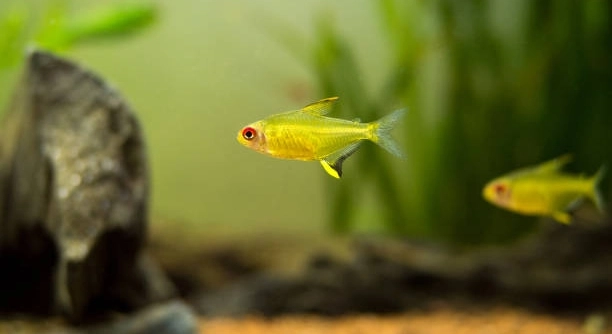
Lemon tetras are small, bright freshwater fish that bring life to home aquariums. Their delicate nature means they can become stressed easily, affecting their health and behavior in ways you might not always notice.
Several factors can stress lemon tetras, including poor water quality, improper tank temperature, overcrowding, sudden changes in environment, inadequate diet, lack of hiding spaces, and excessive lighting. Each factor can significantly impact their overall well-being and behavior patterns.
Recognizing these stressors is essential for maintaining a healthy aquarium environment and ensuring your lemon tetras remain active and vibrant. Proper care can prevent long-term health issues and behavioral problems.
Poor Water Quality
Water quality is one of the most important factors affecting lemon tetras. If the water contains high levels of ammonia, nitrites, or nitrates, it can cause severe stress and even illness. Regular testing and maintenance are essential. Uneven pH levels or sudden fluctuations can disturb their delicate balance, making them more prone to disease. Even small amounts of chlorine or heavy metals from tap water can irritate their gills and reduce activity. A well-filtered tank with consistent water changes helps maintain clarity, oxygen levels, and overall cleanliness. Overfeeding can also contribute to poor water quality, as uneaten food decays and promotes bacterial growth. Observing fish behavior and signs of distress, such as lethargy, clamped fins, or erratic swimming, can indicate when water conditions are not ideal. Maintaining water parameters suited to lemon tetras supports their natural behavior and vibrant coloration.
Regular testing and gradual adjustments can prevent sudden stress and keep your tetras healthy.
Keeping water clean and stable requires consistent care. Choosing the right filtration system and sticking to a weekly maintenance schedule prevents long-term health issues. Understanding how different factors like pH, hardness, and temperature interact ensures a balanced environment. Overcrowding or adding new fish without proper acclimation can further disrupt water chemistry. Even subtle changes, like adding new plants or decorations, can temporarily affect water quality. Monitoring ammonia, nitrite, and nitrate levels helps catch problems early, reducing stress before it becomes harmful. Using dechlorinated water and performing partial water changes regularly provides stability and removes waste buildup. Providing a tank that mirrors natural conditions allows lemon tetras to display their full color and natural swimming behavior. Proper care also prevents common diseases linked to poor water, such as fin rot and ich. Creating a consistent routine builds a safe environment where your fish can thrive and remain active.
Overcrowding
Too many fish in a tank increases competition for space and resources, creating constant stress. Lemon tetras need room to swim freely and hide when necessary.
Overcrowding affects oxygen levels and leads to aggression among fish. Conflicts over territory or food become more frequent, which can weaken their immune system over time. When tanks are overcrowded, water quality also deteriorates faster due to increased waste, amplifying stress further. Providing enough space per fish and avoiding sudden additions ensures a more stable and calm environment. Lemon tetras do best in groups but require enough room to form natural shoals without feeling cramped. Observing their swimming patterns and fin condition can indicate whether the tank population is appropriate.
Ensuring the proper number of fish and tank size helps maintain a peaceful community. Overcrowding not only stresses your tetras but can also shorten their lifespan and reduce their natural activity levels. Creating separate areas or using tank decorations strategically can provide hiding spots, reducing constant stress from visual contact with other fish. Introducing new fish slowly, while monitoring interactions, prevents sudden spikes in stress. Maintaining balance between tank population and size ensures your lemon tetras display natural shoaling behavior, remain active, and retain vibrant colors over time. A well-planned tank avoids conflicts, minimizes disease risk, and fosters a healthier environment for all inhabitants.
Sudden Environmental Changes
Lemon tetras react poorly to sudden changes in temperature, light, or tank setup. Even small shifts can stress them, affecting their feeding habits and swimming behavior. Gradual adjustments help them adapt without unnecessary tension.
Abrupt changes in water temperature or pH levels can trigger shock responses. Lemon tetras may hide, lose color, or swim erratically. Adding new decorations, plants, or tankmates too quickly can also disturb their established routine. Fish rely on consistent conditions to maintain stable behavior, and sudden disturbances can weaken their immune system, making them more susceptible to disease. Gradual acclimation, careful monitoring, and maintaining a stable environment are essential to reducing stress caused by environmental shifts.
Lighting changes can also impact their stress levels. Lemon tetras are accustomed to specific light cycles. Switching from dim to bright lighting suddenly can lead to constant hiding or lethargy. Using a timer for lights, slowly adjusting brightness, and maintaining familiar tank arrangements allows the fish to remain calm. Consistent routines and careful observation help ensure they remain active and vibrant. When making any changes, patience is key, as abrupt alterations can have lasting negative effects on their health and behavior.
Inadequate Diet
Feeding lemon tetras only one type of food can harm them. They need a varied diet to stay healthy and active.
A diet limited to flakes or a single food source can cause nutritional deficiencies. Lemon tetras benefit from a mix of high-quality flake food, micro pellets, and occasional live or frozen foods like brine shrimp or daphnia. A varied diet supports growth, enhances color, and strengthens the immune system. Overfeeding or irregular feeding schedules also contribute to stress, as uneaten food degrades water quality. Maintaining consistent portions and offering diversity prevents both hunger-related and dietary stress.
Supplementing their diet with live or frozen options keeps them engaged and active. Nutrient-rich foods improve overall health, supporting their energy levels and vibrant coloration. Monitoring feeding habits ensures each fish receives adequate nutrition, preventing competition or aggression over food. Incorporating occasional vegetable matter can also aid digestion. By providing variety and consistency, lemon tetras remain healthy, stress-free, and display natural behavior. Avoiding overfeeding while meeting nutritional needs ensures a stable tank environment, benefiting both fish and the ecosystem within the aquarium.
Lack of Hiding Spaces
Lemon tetras feel exposed without places to hide. Open areas with no plants or decorations can make them nervous and stressed.
Providing small caves, dense plants, or decorations helps them feel secure. Hiding spots allow rest, reduce conflict, and mimic natural habitats.
Excessive Lighting
Too much light can disturb lemon tetras’ natural rhythm. Constant bright lighting forces them to stay near shaded areas, causing stress.
Adjusting light duration and intensity is important. Using dimmers or providing shaded zones gives them control over exposure, reducing tension. Proper lighting supports natural behavior, color vibrancy, and overall well-being.
Overhandling
Handling or tapping the tank can stress lemon tetras. Frequent disturbances interrupt their natural swimming patterns and can cause fear.
Minimizing direct contact and external disturbances ensures they remain calm. Observing from a distance helps maintain a stable and low-stress environment for the fish.
What are the signs that my lemon tetra is stressed?
Stress in lemon tetras can show in various ways. Common signs include clamped fins, faded colors, hiding constantly, erratic swimming, and loss of appetite. They may also become lethargic or spend more time near the bottom of the tank. Observing changes in behavior early can help prevent long-term health problems.
How can I prevent stress caused by poor water quality?
Maintaining clean, stable water is crucial. Test water regularly for ammonia, nitrites, and nitrates, and perform partial water changes weekly. Use a proper filtration system and avoid overfeeding, as leftover food decomposes and increases waste. Dechlorinate tap water and monitor temperature and pH to ensure consistent conditions that match their natural habitat.
What tank size is appropriate to reduce overcrowding stress?
Lemon tetras thrive in medium to large tanks, ideally 20 gallons or more for small groups. Overcrowding increases competition for food, space, and oxygen, causing stress. Ensure enough swimming room and hiding spaces. Adding new fish gradually and maintaining a stable population keeps the community balanced and reduces conflicts.
How do I help my tetras adjust to environmental changes?
Introduce changes slowly. Gradually adjust water temperature, light cycles, or tank decorations. Sudden shifts can trigger hiding, erratic swimming, or lethargy. Using a quarantine tank for new fish or plants prevents sudden disturbances. Observing the tetras closely during adjustments ensures they adapt without long-term stress or weakened immune responses.
What types of food reduce dietary stress?
Provide a varied diet including high-quality flakes, micro pellets, and occasional live or frozen foods like brine shrimp or daphnia. Variety supports growth, color, and immune health. Avoid overfeeding, as excess food pollutes the tank. Feed small portions multiple times a day, allowing fish to eat without competition or stress.
How can hiding spaces help calm my fish?
Decorations, caves, and dense plants give lemon tetras places to retreat when stressed. Hiding spots reduce exposure to bright lights, aggressive tankmates, and sudden disturbances. A tank that mimics their natural environment helps them feel secure, encourages normal shoaling behavior, and supports overall well-being.
Is lighting a major factor in stress?
Yes, excessive or continuous bright lighting can cause tension. Lemon tetras prefer moderate light with shaded areas. Using a timer or dimmer allows for natural day-night cycles. Proper lighting enhances color without forcing fish into constant hiding, helping them remain active and healthy.
What behaviors indicate overhandling stress?
Frequent tapping, shaking, or moving the tank can frighten lemon tetras. Signs include rapid swimming, hiding, clamped fins, and decreased feeding. Minimizing disturbances and observing from a distance keeps them calm. Consistent handling habits and avoiding sudden movements help maintain a low-stress environment.
Can stress affect lifespan?
Chronic stress weakens the immune system, making fish more susceptible to illness. It can reduce lifespan, diminish color, and alter behavior. Preventing stressors like poor water quality, overcrowding, and abrupt changes supports health, longevity, and activity. Stable conditions and proper care are essential for thriving lemon tetras.
How do I monitor stress effectively?
Regular observation is key. Watch for changes in swimming patterns, appetite, and coloration. Track water parameters and feeding habits. Addressing small issues promptly prevents long-term health problems. Consistent care, gradual adjustments, and providing hiding spots create an environment where lemon tetras feel secure, active, and vibrant.
How can tankmates influence stress levels?
Choosing compatible tankmates is crucial. Aggressive or larger fish can intimidate lemon tetras, causing hiding, lethargy, or injury. Peaceful community fish help maintain calm shoaling behavior. Monitor interactions and provide hiding spaces to reduce conflict. A balanced tank community minimizes stress and supports healthy social behavior.
Can I reduce stress during cleaning and maintenance?
Yes, perform water changes and cleaning gently. Avoid sudden movements and loud noises. Use equipment carefully to minimize disturbance. Partial water changes rather than full draining prevent shocking the fish. Maintaining a calm routine ensures lemon tetras remain comfortable during necessary maintenance tasks.
Are there signs that stress has caused illness?
Yes, stressed lemon tetras are more prone to diseases like fin rot, ich, or fungal infections. Watch for torn fins, white spots, or abnormal swimming. Early detection and prompt treatment combined with stress reduction help recovery. Maintaining optimal conditions prevents repeated health issues linked to stress.
What daily habits support low-stress conditions?
Feed appropriate portions, maintain clean water, and observe fish behavior regularly. Gradually introduce any changes, provide hiding spaces, and maintain moderate lighting. Avoid overcrowding and ensure compatible tankmates. Consistency in care routines helps lemon tetras remain healthy, vibrant, and active over time.
How do I know if my tank environment is suitable long-term?
Stable water parameters, calm fish behavior, vibrant coloration, and regular feeding response indicate a healthy tank. Regular observation, proper filtration, hiding spaces, and controlled lighting create conditions that reduce stress. Maintaining these elements ensures lemon tetras thrive in their aquarium environment for years.
Lemon tetras are small, delicate fish that can easily become stressed when their environment is not ideal. Their natural behavior and health are closely tied to water quality, tank size, diet, and overall care. Poor water conditions, overcrowding, sudden environmental changes, inadequate hiding spaces, excessive lighting, and overhandling are all common stress factors. Each of these issues can affect their coloration, swimming patterns, appetite, and general well-being. Recognizing stress early is important because prolonged exposure to stressful conditions can lead to illness, weakened immune systems, and even premature death. Monitoring your fish regularly, observing their behavior, and testing water parameters are essential practices for maintaining a healthy aquarium.
Maintaining a stable and suitable environment requires consistent effort but is manageable with the right approach. Regular water changes, proper filtration, and testing for ammonia, nitrite, nitrate, pH, and temperature help keep water conditions stable. Tank size should be sufficient to allow swimming space and shoaling behavior, while decorations, plants, and caves provide necessary hiding spots. A varied diet with high-quality flakes, micro pellets, and occasional live or frozen foods supports growth, color, and immune health. Gradual introduction of new tankmates, changes in lighting, or adjustments to temperature ensures that lemon tetras are not exposed to sudden stress. Even simple practices, like minimizing tapping on the tank and maintaining a predictable daily routine, contribute to a calm environment.
Stress management in lemon tetras is not only about reacting to problems but also about preventing them. By understanding their needs and providing stable, natural conditions, these fish are more likely to thrive and display natural, healthy behavior. Paying attention to small details, such as how they swim, feed, and interact with their surroundings, allows early detection of stress before it escalates. Consistent care, patience, and observation create an environment where lemon tetras can maintain vibrant coloration, active shoaling, and overall health. Taking proactive steps to reduce stress ensures that your aquarium remains balanced and your fish live longer, healthier lives. Prioritizing these elements in daily care routines makes maintaining a thriving tank simpler and more rewarding for both the fish and the aquarist.

Hello,
If you enjoy the content that we create, please consider saying a "Thank You!" by leaving a tip.
Every little bit helps us continue crafting quality advice that supports the health, happiness, and well-being of pets around the world, for pets of all shapes, sizes, and species.
We really appreciate the kindness and support that you show us!