
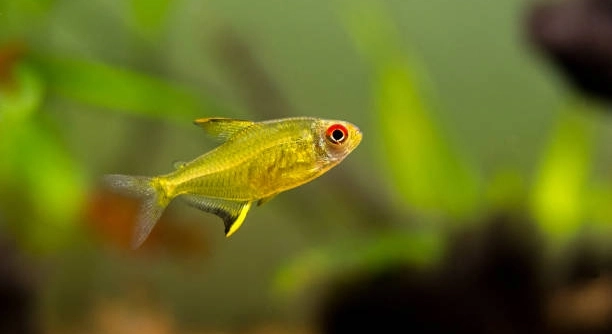
Many fish owners often notice small changes in their aquarium when they enter the room, leading them to wonder if their Lemon Tetra reacts to their presence in interesting ways within its calm aquatic world.
Lemon Tetra can perceive human presence primarily through changes in light, vibration, and movement. Their sensory systems allow them to detect environmental shifts, prompting alertness or mild curiosity. Although they cannot recognize individuals, they respond to familiar patterns in surroundings.
Learning how these small fish react to nearby activity helps understand their comfort levels and support a balanced aquarium environment.
How Lemon Tetra Respond to Human Activity
Lemon Tetra show subtle reactions when someone approaches their tank, and these responses can feel easy to recognize once you spend time around them. They rely on their sharp senses to detect vibration, shifts in light, and changes in movement near the glass. When these signals reach them, they may swim a bit faster, cluster together, or move toward areas where they feel safer. Their reactions are not emotional in the way people often imagine, but they are consistent enough to notice if you pay close attention. Over time, you may see patterns that link your presence to specific behaviors, such as gentle pacing or brief pauses in their swimming path. These behaviors help you understand when they feel comfortable and when they are simply reacting to changes around them. Learning these small details can make caring for them feel smoother and more connected, especially when supporting calm stable conditions.
They often react to movement near the tank, responding through shifts in speed or direction. These behaviors reflect their sensitivity rather than any form of recognition. Understanding these responses helps you maintain a peaceful environment that keeps them steady, well balanced, and comfortable during everyday activity in their aquatic space daily.
Noticing how these fish react can make caring for them feel more natural and reassuring. Their movement patterns can show when they feel settled or alert, and understanding these signals allows you to support their needs with steady routines. Soft lighting, gentle filtration, and limited sudden movement help them stay relaxed throughout the day. As you observe them more closely, you may find that their responses become easier to interpret, giving you a clearer sense of how they adapt to your presence. This awareness helps you create a balanced space where they can stay calm and active with ease daily.
Factors That Influence Their Reactions
Several factors influence how Lemon Tetra react to what happens around their tank. Water quality, lighting, and surrounding noise shape their sensitivity from moment to moment. When these elements remain consistent, they display steadier behaviors that help them remain comfortable and less reactive to everyday changes within their space daily.
Maintaining stable conditions supports predictable behavior in Lemon Tetra, making it easier to understand how they respond to movement or presence near their tank. Clean water, consistent temperature, and low stress surroundings allow them to remain steady in their routines. When these areas are well managed, their responses to outside activity often become more subtle and easier to observe. Reducing sudden noise or abrupt lighting shifts also helps them feel safer, limiting startled reactions that might otherwise cause them to dart or cluster tightly. Observing how they act during feeding, resting, or exploring can show you which factors influence their comfort the most. Over time, these patterns reveal how sensitive they are to even small changes in their environment. Paying attention to these details helps you adjust their care with confidence, ensuring they experience smooth transitions between active periods and quiet moments. With consistent care, their reactions become clearer, allowing you to support a stable habitat that suits their natural behavior. This thoughtful approach strengthens their overall well being by keeping stress low, supporting steady activity, and maintaining conditions that match their natural instincts in a aquarium setting where they can move and respond calmly to surrounding changes each day.
How Visual Cues Affect Their Behavior
Lemon Tetra respond quickly to visual changes near the tank. Sudden movement, shifting shadows, or approaching figures can cause brief alertness or faster swimming. These reactions reflect their natural awareness, helping them stay safe in environments where motion often signals potential change.
Their eyes are built to detect small shifts in light and motion, allowing them to react before anything reaches their space. When someone walks past the tank or adjusts a nearby object, they often change direction or tighten their grouping. These reactions do not reflect recognition but simple responsiveness. Over time, gentle and predictable movement around the tank helps reduce sudden reactions, giving them more time to adjust without becoming unsettled. Their visual sensitivity makes calm surroundings helpful, especially when they need to maintain steady swimming patterns.
Consistent lighting also supports their comfort, preventing abrupt changes that might confuse or startle them. Bright flashes or sudden dimming can lead to quick darting, while steady light helps them navigate without stress. Keeping the tank in an area with soft, consistent light reduces these issues. When their environment stays visually stable, their reactions become smoother and easier to interpret. This gives you a clearer sense of how they respond to routine movement, making it simpler to maintain conditions that support their calm behavior.
Why Stability Supports Better Reactions
Stable surroundings help Lemon Tetra feel safe, reducing their tendency to react sharply to everyday movement or noise. When their environment remains predictable, they show steadier swimming patterns and gentler responses to activity near the tank. This consistency keeps them relaxed as they navigate their space.
A quiet setting with minimal vibration or household activity allows them to settle into comfortable routines without sudden changes disrupting them. Clean water, balanced lighting, and steady filtration form a strong foundation for their daily comfort. When these elements remain stable, they handle outside activity with less sensitivity, making their responses smoother and easier to follow. Patterns become clearer, allowing you to notice when they feel alert or at ease. Stable surroundings also encourage natural exploration, helping them move confidently without frequent pauses or sudden shifts. Over time, this balance supports healthier behavior, making their reactions more predictable and creating a more peaceful aquarium environment that they can adapt to comfortably.
How Sound Influences Their Reactions
Lemon Tetra respond to subtle vibrations and gentle sounds around their tank. Soft noise usually does not unsettle them, but sudden taps, dropped objects, or sharp movements near the glass can cause quick darting or brief grouping as they react to the disturbance.
Keeping the area calm helps them maintain steady behavior. Consistent noise levels and soft household activity support their comfort, allowing them to swim with ease. When sound remains predictable, they show smoother patterns and fewer startled responses, helping them feel safe within their space.
How Feeding Habits Shape Their Responses
Feeding time plays a strong role in how Lemon Tetra react to human presence. They often swim toward the surface when they recognize familiar routines associated with food. While they do not identify individuals, they learn patterns, such as the sound of the lid moving or the slight shift of light when someone approaches. These cues guide their behavior and create predictable responses linked to feeding. Keeping a consistent schedule helps reinforce this sense of stability. It reduces confusion and prevents overactivity that might occur when feeding routines vary. Smooth routines make them more confident and less reactive to unrelated movement outside their tank.
How Tank Layout Impacts Their Comfort
A well arranged tank supports calm behavior, giving Lemon Tetra places to retreat when they feel alert. Plants, hiding spots, and open swimming areas help them move comfortably and adjust naturally to activity outside the glass.
FAQ
How do Lemon Tetra notice human presence?
Lemon Tetra detect changes in their environment rather than recognizing specific people. Movement near the tank, shifts in light, or vibrations in the water can trigger their awareness. Their reactions are usually brief, like swimming faster, clustering, or pausing, as they adjust to perceived changes around them.
Can they recognize individual humans?
No, Lemon Tetra do not recognize individuals. Their reactions are linked to patterns of movement, light, and vibrations rather than memory of a specific person. Over time, they may respond more predictably to consistent routines, but this is due to environmental cues, not personal recognition.
Why do they dart when someone approaches?
Darting is a natural response to sudden changes in their surroundings. Sharp movements or abrupt shadows signal potential disturbance. This behavior is a way for them to react quickly and maintain safety. Providing calm and consistent movement around the tank reduces these startled reactions over time.
Do they react to sound?
Yes, Lemon Tetra are sensitive to vibrations caused by sound near the tank. Sudden loud noises, taps, or vibrations can startle them. Soft, predictable noise generally does not affect them. Minimizing sudden disturbances helps them maintain calm swimming patterns and stable behavior.
Does feeding time affect their reactions?
Feeding routines strongly influence their behavior. They associate movement, light changes, or the sound of a lid with food and may swim toward the surface in anticipation. Keeping a regular feeding schedule makes their responses more predictable and reduces stress from irregular activity.
How important is tank layout for their comfort?
Tank layout plays a major role in how Lemon Tetra feel safe. Plants, hiding spots, and open swimming areas allow them to move freely and retreat if they feel alert. A well-structured tank supports natural behavior, reduces stress, and allows them to react calmly to human presence.
Can light changes startle them?
Yes, sudden changes in lighting can trigger brief alertness or darting. Consistent, gentle lighting helps them navigate confidently and maintain steady swimming patterns. Positioning the tank away from direct sunlight or abrupt light sources reduces these reactions.
Do they become calmer with routine?
Absolutely. Predictable daily routines, including feeding times, gentle handling, and consistent light and noise levels, support steadier behavior. Lemon Tetra adapt to repeated patterns, reducing unnecessary stress and making their reactions smoother over time.
How do they behave in stressful conditions?
Under stress, Lemon Tetra may cluster tightly, swim erratically, or hide frequently. Stress can be caused by sudden movements, strong noise, poor water quality, or overcrowding. Observing these signs allows adjustments to their environment to restore calm and promote healthy behavior.
What can I do to reduce startled reactions?
Maintain calm, predictable conditions around the tank. Minimize abrupt movements, loud noises, and sudden light changes. Keep feeding schedules consistent and provide ample plants and hiding areas. Over time, these measures help Lemon Tetra remain relaxed and respond more gently to presence near the aquarium.
Do all Lemon Tetra react the same way?
Individual responses vary slightly based on temperament, age, and familiarity with their surroundings. While patterns of sensitivity to movement, light, and vibration are consistent, some may be more cautious, while others appear more curious or indifferent. Observing their specific behavior helps tailor care to their needs.
Are there long-term benefits to observing their reactions?
Yes. Noticing how Lemon Tetra respond to human presence provides insight into their comfort and stress levels. This understanding helps optimize tank conditions, feeding routines, and interactions. Calm, predictable environments support their health, activity, and overall well-being in a home aquarium.
How quickly do they adapt to new surroundings?
Adaptation varies, but most Lemon Tetra gradually adjust over days to weeks. Providing stable water conditions, soft lighting, and hiding spots accelerates adaptation. Frequent changes or sudden disturbances can prolong stress and delay familiarization with their environment.
Can handling or tapping the tank improve recognition?
Direct handling or tapping does not teach recognition. Reactions are based on environmental cues, not memory of a person. Gentle consistency around the tank can reduce startling, but it will not lead to true recognition of individuals.
Do they show curiosity toward humans?
Curiosity in Lemon Tetra is linked to environmental change, not social interaction. They may swim closer to investigate shadows, movement, or food-related cues. While this can appear like interest in a person, it is a response to stimuli rather than intentional engagement.
How can I tell if their reactions are normal?
Normal reactions include brief swimming adjustments, clustering, or small pauses when detecting movement or light shifts. Prolonged hiding, erratic swimming, or constant darting may indicate stress or water issues, which should be addressed promptly to maintain healthy conditions.
Does water temperature affect their sensitivity?
Yes. Lemon Tetra are more reactive when water temperature fluctuates or is outside their ideal range. Stable, appropriate temperature supports steady behavior and reduces unnecessary alertness or agitation in response to environmental changes.
Can other fish influence their reactions to humans?
Yes. Tank mates’ behavior can affect their responses. If other fish are skittish or aggressive, Lemon Tetra may react more quickly or cluster together for safety. Choosing compatible, calm species helps maintain predictable and gentle responses in their environment.
Do younger Lemon Tetra react differently than adults?
Juveniles may be more skittish due to inexperience, showing quicker, more frequent reactions to movement or light. Adults tend to display steadier responses. Providing consistent routines and stable surroundings helps both age groups adjust safely over time.
Are there long-term signs of comfort around humans?
Over months, Lemon Tetra may swim steadily near the tank’s front or maintain calm patterns even with movement outside. These behaviors indicate they are secure in their environment and feel minimal stress from routine human presence.
What role does water clarity play in their reactions?
Clear water allows them to see changes in movement and light accurately, while cloudy water may cause hesitation or confusion. Maintaining clean water supports calm behavior and predictable responses to environmental cues.
How important is diet for behavioral stability?
A balanced diet supports energy levels and reduces stress, helping maintain regular swimming patterns and steady reactions. Irregular feeding or poor nutrition can increase restlessness and heightened responsiveness to external stimuli, impacting their overall comfort.
Can tank placement near windows affect them?
Yes, exposure to outdoor light changes, shadows, or sudden movement outside can startle Lemon Tetra. Placing the tank in a location with steady, controlled lighting minimizes stress and supports calmer behavior.
Do they respond differently during night and day?
Lemon Tetra are more active during daylight hours when feeding and movement occur. At night or in low light, they tend to rest and stay near shelter. Maintaining a consistent day-night cycle helps regulate reactions and reduce stress.
Is it normal for them to hide frequently?
Frequent hiding can be normal in new or highly sensitive environments but may indicate stress if persistent. Adequate plants and consistent care reduce prolonged hiding and support healthy, predictable behavior.
Can water current affect their alertness?
Strong currents can cause heightened alertness or erratic swimming. Gentle, consistent flow encourages natural swimming patterns and reduces overreactions to movement or environmental change.
Do they ever ignore human presence completely?
Yes, Lemon Tetra may appear indifferent when they feel secure. Calm, stable conditions and predictable routines allow them to continue normal swimming without reacting to routine human activity.
Are reactions stronger when housed in groups?
Being in a group often reduces individual stress, as clustering provides safety. They may react collectively to perceived disturbances, but group dynamics generally stabilize behavior compared to isolated fish.
How can I encourage calm behavior around my presence?
Maintain stable lighting, quiet surroundings, predictable feeding, and a structured tank with hiding spots. Consistency in these areas promotes relaxed swimming patterns and reduces unnecessary reactions. Over time, they adjust to routine activity near the aquarium naturally.
Do they ever show recognition of feeding tools or sounds?
Yes, they associate consistent cues like lid movement or food container sounds with feeding. Their reactions are pattern-based rather than true recognition, but these cues reliably guide their behavior during mealtime.
Is it harmful if they react frequently to movement?
Brief, occasional reactions are normal and not harmful. Chronic stress from constant disturbances can negatively affect health. Reducing abrupt movement, noise, and sudden light changes prevents prolonged agitation.
Can changing tank decor frequently affect their reactions?
Frequent changes in plants, hiding spots, or layout increase alertness and temporary stress. Stability in decor helps them maintain calm behavior and predictable responses to routine activity near the tank.
Do they respond to reflections in the glass?
Yes, reflections may trigger short bursts of curiosity or alertness. They often interpret reflections as movement or other fish, prompting temporary changes in swimming patterns until the stimulus disappears.
Are reactions influenced by seasonal changes?
Seasonal light variations, temperature shifts, and household activity can alter behavior. Maintaining stable indoor conditions minimizes seasonal impact, supporting consistent swimming and calm responses to human presence.
How long does it take for them to adjust to a new owner?
Adjustment depends on routine stability. With consistent feeding, lighting, and calm activity, Lemon Tetra gradually reduce startled reactions. Most show steady behavior within a few weeks, responding to environmental cues rather than recognizing a new person.
Do they have preferred areas in the tank during activity?
Yes, they often cluster near plants, corners, or shaded areas when alert. Open swimming zones are used when calm. Observing these preferences helps maintain a layout that supports comfort and reduces stress.
Can multiple external stimuli overwhelm them?
Yes, excessive movement, loud noise, or strong lighting can cause heightened alertness or erratic swimming. Limiting these factors helps Lemon Tetra remain calm and respond predictably.
Do they communicate reactions to other fish?
While not vocal, their movement patterns, clustering, and sudden swimming changes signal perceived threats to tank mates. Group behavior often reflects shared alertness and helps maintain cohesion and safety.
Are reactions to humans different from other animals nearby?
Reactions are similar for any source of environmental change. Movement, vibration, or light shifts from humans, pets, or mechanical devices trigger similar brief alertness. Predictable conditions reduce overreaction regardless of stimulus origin.
How can I tell if their reactions indicate stress?
Signs include prolonged hiding, constant darting, erratic swimming, or loss of appetite. Addressing water quality, tank layout, noise, and lighting helps reduce stress and restore calm, predictable behavior.
Do reactions vary depending on time of day?
Yes, activity levels and alertness are higher during daylight or feeding times. Nighttime or low-light periods are calmer, with less visible response to movement, reflecting natural diurnal behavior.
Are younger fish more reactive than adults?
Juveniles tend to react more quickly and frequently due to inexperience and heightened alertness. Adults generally show steadier behavior. Consistent routines and stable surroundings help both age groups adapt safely.
Does tank size affect their response to humans?
Smaller tanks can amplify reactions because movement is perceived as closer or more sudden. Larger tanks provide space to retreat, reducing perceived threat and allowing more natural responses.
How does water quality impact their behavior?
Poor water quality increases stress and unpredictability in reactions. Clean, well-maintained water supports calmer swimming patterns and reduces frequent startled responses.
Can plants help them feel more secure?
Yes, plants provide hiding spots, shade, and visual barriers. A well-planted tank allows them to feel safe and reduces excessive alertness to external activity, improving overall comfort.
Do they ever habituate to constant movement outside the tank?
Yes, with consistent, non-threatening activity, Lemon Tetra gradually show fewer startled reactions. Habituation allows them to swim calmly even when people are nearby.
Can abrupt temperature changes increase reactivity?
Yes, sudden temperature shifts cause stress and heightened alertness. Stable water conditions are critical to keeping their behavior calm and predictable.
Do tank reflections influence their reactions differently at certain times?
Reflections may be more noticeable under bright light, triggering brief investigation or alertness. Dim or consistent lighting reduces these reactions and supports predictable behavior.
Is it normal for them to hide after a loud noise?
Yes, hiding is a temporary response to sudden disturbances. They usually resume normal swimming after the environment stabilizes.
How do group dynamics affect reactions?
In groups, Lemon Tetra respond collectively. Skittish individuals may influence others to react more quickly. Stable, calm group behavior reduces overall alertness and promotes predictable swimming patterns.
Does water current strength affect their responsiveness?
Strong currents can heighten alertness or cause erratic swimming. Gentle, consistent flow allows natural movement and calmer responses to external stimuli.
Can long-term observation improve care?
Yes, tracking patterns in responses reveals their comfort level and environmental needs. Adjustments in lighting, feeding, or tank layout improve behavior and reduce unnecessary stress.
How do they react to shadows outside the tank?
Shadows create sudden visual changes that may trigger brief alertness or repositioning. Predictable light and controlled surroundings reduce startling from minor shadows.
Do their reactions indicate health problems?
Sudden changes like prolonged hiding, loss of appetite, or erratic swimming may signal stress or illness. Observing behavior helps identify issues early for timely intervention.
Can rearranging decorations affect their reactions?
Yes, frequent changes disrupt familiar landmarks, increasing alertness. Stable decor helps them maintain predictable swimming and calm responses.
Are reactions stronger when other pets are nearby?
Yes, external movement from other animals can trigger heightened awareness or darting. Limiting exposure to pets reduces stress and supports steady behavior.
Do they react differently if new fish are introduced?
New tank mates can increase alertness temporarily. Lemon Tetra may cluster or swim cautiously until they adjust. Stable, gradual introductions reduce stress.
Can feeding from different spots change their behavior?
Yes, variations in feeding location can temporarily alter swimming patterns. Consistent feeding spots help maintain steady responses and reduce unnecessary alertness.
Are they sensitive to reflections from room lights?
Yes, bright reflections can cause short bursts of investigation or alertness. Consistent lighting and minimized reflective surfaces reduce disturbances and support calm behavior.
Do they respond to human movement outside their room?
Yes, vibrations or light shifts from nearby movement can trigger brief alertness. Minimizing sudden disturbances helps maintain predictable and calm behavior.
How can I monitor reactions without causing stress?
Observe quietly from a distance, avoiding sudden movement or tapping the glass. Soft lighting and calm presence allow you to note normal behavior without startling them.
Do reactions change as they age?
Older Lemon Tetra tend to react more steadily, while younger fish may show quicker, more frequent responses. Consistent care supports smooth adaptation across ages.
Is it normal for them to cluster tightly sometimes?
Yes, clustering often reflects alertness or mild stress. Providing ample hiding spots allows them to feel safe without excessive clustering.
Do they ever ignore routine human presence completely?
Yes, once comfortable, they often swim calmly near the front of the tank, showing minimal reaction to predictable activity.
Can tank vibrations from appliances affect them?
Yes, nearby machines causing water vibration may trigger alert responses. Reducing strong vibrations helps maintain calm swimming and predictable behavior.
How do they behave when feeding is delayed?
Delayed feeding can increase alertness and movement near the surface, as they anticipate food. Regular schedules minimize stress and prevent overactive responses.
Are reactions different in planted versus bare tanks?
Planted tanks provide hiding spots and shade, reducing stress and startled behavior. Bare tanks may increase perceived threat and prompt quicker reactions to movement or light.
Do water flow and filtration noise affect their behavior?
Yes, consistent gentle flow and low filtration noise support calm swimming. Abrupt changes in current or loud equipment can trigger alertness or erratic swimming.
Can reflections from other tanks influence them?
Yes, seeing movement or light in adjacent tanks can briefly startle them. Visual barriers or strategic tank placement help reduce unnecessary reactions.
Is it normal for them to swim near the surface during human activity?
Yes, they may move upward during feeding cues or brief alertness. Calm, predictable routines reduce unnecessary surface swimming outside feeding times.
How can I help them stay relaxed around me?
Keep consistent routines, stable lighting, gentle movements, and well-structured tank layout. Over time, these habits encourage calm swimming and reduce reactive behavior.
Do they respond differently to adults versus children?
They respond to movement, vibrations, and light shifts rather than who is present. Sudden activity from any person can trigger brief alertness.
Can strong water currents increase stress reactions?
Yes, fast or irregular currents can make them more reactive. Maintaining steady, gentle water flow supports predictable and calm behavior.
How do they behave when the tank is crowded?
Overcrowding increases stress, causing frequent darting, clustering, or hiding. Adequate space and proper stocking levels reduce these reactions and promote calm behavior.
Are reactions stronger in noisy environments?
Yes, excessive noise heightens alertness and may cause erratic swimming. Quiet surroundings with minimal sudden sound improve stability and comfort.
Do they show reactions to shadows from passing people?
Yes, sudden shadows can trigger brief alertness or repositioning. Consistent lighting and reduced external disturbances help maintain calm swimming.
Can changing water parameters affect their responses?
Yes, fluctuations in temperature, pH, or hardness can increase stress and sensitivity. Stable water conditions support predictable reactions and steady behavior.
Do they interact differently with larger fish nearby?
Larger or more active fish may influence Lemon Tetra behavior, causing increased alertness or clustering. Choosing compatible species promotes calm, predictable swimming.
Are reactions more pronounced in smaller tanks?
Yes, limited space amplifies perception of movement or disturbance. Larger tanks provide room to retreat, reducing frequent startled behavior.
Can consistent observation make them less reactive?
Yes, gentle and consistent presence without sudden disturbance allows them to habituate to routine activity and reduce unnecessary reactions.
Do they react to people outside the room?
Indirect movement or vibrations can trigger brief alertness. Reducing abrupt stimuli ensures calmer swimming and predictable responses.
Are their reactions different during feeding versus non-feeding times?
Feeding triggers stronger activity and alertness due to association with food. Non-feeding times usually see steadier, calmer behavior with minimal reaction to human presence.
Can reflections from glass doors affect behavior?
Yes, sudden reflections can prompt brief investigation or darting. Minimizing reflective surfaces or adjusting lighting reduces unnecessary stress and alertness.
Is it normal for them to pause mid-swim when humans approach?
Yes, brief pauses indicate assessment of movement or light changes. Predictable routines and calm presence reduce unnecessary interruptions in swimming.
How do seasonal changes influence their reactions?
Seasonal light, temperature, or
Final Thoughts
Observing Lemon Tetra in a home aquarium shows just how sensitive these small fish are to their environment. They respond primarily to changes in light, movement, and vibrations rather than recognizing individual humans. Their reactions, such as brief darting, clustering, or pauses in swimming, are natural ways of coping with perceived changes around them. By understanding these behaviors, you can provide a more stable and comfortable environment. Small adjustments in lighting, tank placement, and noise levels can reduce unnecessary alertness and help them maintain steady swimming patterns. Over time, a consistent and calm environment encourages predictable responses and supports their overall well-being. Watching their behavior closely also helps you notice subtle cues that indicate comfort or stress, allowing you to adapt care routines accordingly. Their sensitivity is not a sign of fragility but a reflection of their natural instincts, which are finely tuned to detect changes in their surroundings.
Maintaining stable conditions is one of the most important factors in ensuring Lemon Tetra feel safe. Consistent water temperature, gentle water flow, and predictable feeding schedules all contribute to calmer behavior. Sudden changes in these conditions can trigger heightened alertness or even stress, which may appear as erratic swimming, prolonged hiding, or clustering. Providing plants, hiding spots, and open swimming areas helps them navigate their space confidently and feel secure. These environmental supports allow them to react naturally without overreacting to normal human activity. Observing their patterns during feeding, resting, or exploration can reveal which areas of their environment are most influential on their comfort. Gradual changes, if needed, are better than abrupt alterations, as the fish adjust more easily when their surroundings remain familiar and stable. This approach reduces unnecessary stress while supporting their natural instincts and behaviors.
Over the long term, understanding Lemon Tetra’s responses to human presence can improve both care and observation. By paying attention to their reactions, you gain insight into what makes them feel secure and what causes mild stress. A calm, predictable routine benefits them and enhances your ability to maintain a healthy tank. While they do not recognize people in the way mammals might, they learn to associate repeated patterns with safety or feeding. Providing stability and observing their cues allows you to create an environment that encourages relaxed swimming, confident exploration, and natural group behavior. With consistent care, their reactions become easier to interpret, making it simpler to respond to their needs without causing unnecessary agitation. Supporting their comfort through thoughtful observation and steady environmental conditions ensures that Lemon Tetra remain healthy, active, and content in their aquatic habitat.

Hello,
If you enjoy the content that we create, please consider saying a "Thank You!" by leaving a tip.
Every little bit helps us continue crafting quality advice that supports the health, happiness, and well-being of pets around the world, for pets of all shapes, sizes, and species.
We really appreciate the kindness and support that you show us!