
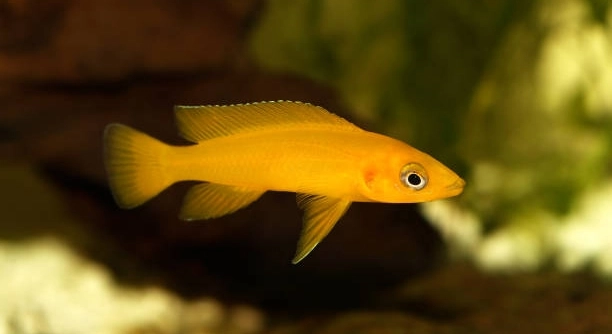
Do you ever find yourself unsure about how much food your lemon tetras truly need, especially when balancing their small size with their active habits in the aquarium each day of your home tank setup?
Most feeding mistakes among lemon tetra owners arise from inconsistent portions, inappropriate food types, and poor scheduling, which affect digestion and behavior. Maintaining balanced diets, varied nutrients, and structured routines supports stable health, growth, and vitality for these small fish.
These simple insights highlight how smarter feeding choices create a healthier environment, encouraging you to explore the list of mistakes.
Overfeeding Issues
Many lemon tetra owners make the mistake of offering too much food because these small fish appear eager during feeding time, which can feel misleading when you want to care for them properly. Overfeeding creates waste that settles in the tank, raising ammonia levels and stressing the fish. It also leads to bloating and digestive trouble, which affects their movement and overall comfort. When uneaten food breaks down, it reduces water clarity and encourages harmful bacteria to spread. Establishing a balanced routine helps keep your lemon tetras steady and active without placing unnecessary strain on their environment. Feeding small portions twice a day is usually enough, especially when you watch how quickly they finish each serving. With a calmer approach, your tank stays cleaner, your fish stay lively, and you avoid the common problems that come from well meaning but excessive feeding habits. This gentle method keeps everything running smoothly.
Keeping portions controlled allows your lemon tetras to maintain healthy activity without overwhelming their tank or digestive system. It also helps you stay consistent, which supports better feeding habits and reduces stress in your aquarium each time you provide food. This simple approach brings steady balance to their care routine.
When you begin paying closer attention to your lemon tetras eating patterns, you will notice how their behavior shifts with steadier feeding routines. Balanced portions encourage calm swimming and reduce the sudden bursts that often come from irregular meals. Your tank also benefits from fewer leftover particles drifting through the water. A stable environment supports stronger immunity, letting your fish move comfortably without unnecessary stress. With regular observation, you will recognize how small adjustments make the feeding process smoother, and this awareness helps you offer better care while keeping your aquarium clean, balanced, and pleasant to watch each day. consistently
Poor Food Variety
Feeding your lemon tetras the same type of food every day limits the nutrients they receive and reduces their overall condition over time. Offering a mix of flakes, small pellets, and occasional frozen items supports better health and maintains steady growth in a simple way for your small active fish.
Variety plays a meaningful role in supporting the long term health of lemon tetras, especially when you want them to show clear color and steady movement in your tank. Many owners rely on a single food type, which limits essential nutrients and leads to uneven development in younger fish. By rotating between flakes, micro pellets, and high quality frozen options, you provide a balanced range of proteins and vitamins that help maintain strong immune responses. This also reduces boredom during feeding time, allowing the fish to stay engaged without becoming sluggish or overly dependent on one texture. When you introduce new foods, observe how your tetras react, since their behavior often reveals what nourishes them most effectively. A soft approach with gradual adjustments prevents digestive trouble and keeps your tank cleaner. Over time, this variety based routine supports a more natural feeding rhythm, giving your lemon tetras the stability they need to stay bright, active, and comfortable in their environment each day. Including occasional live treats like baby brine shrimp can further improve their condition, offering stimulation and encouraging natural instincts that support healthier behavior. These additions help maintain consistent vitality and create a balanced feeding pattern throughout the week.
Inconsistent Feeding Schedule
Inconsistent feeding routines cause stress for lemon tetras, leading to uneven behavior and reduced appetite. Regular timing supports stable digestion and keeps them active. When feeding times shift too often, these small fish struggle to adapt, which affects their comfort and overall condition inside the tank each day at home.
A steady feeding schedule helps lemon tetras maintain clear energy patterns, allowing them to swim calmly without sudden bursts caused by irregular meals. When feeding happens at predictable times, digestion improves and leftover food decreases, which keeps the tank cleaner and reduces stress for the entire group. Irregular routines make the fish more reactive and can encourage aggressive behavior during feeding since they cannot anticipate when food will arrive. By setting two consistent daily feeding windows, you give them a reliable pattern that supports balanced nutrition. This simple approach helps them settle into a comfortable rhythm that feels natural and stable.
Maintaining a routine also helps you observe changes in appetite, which can signal early health issues in lemon tetras. When feeding is consistent, it becomes easier to notice when a fish eats less or avoids food altogether. These small shifts often reveal stress from water conditions or internal discomfort. Consistency also prevents accidental overfeeding, since you will recognize the portions your tetras finish comfortably. This awareness supports better care and keeps the tank environment clean. A reliable daily structure allows the fish to feel secure, creating a calmer atmosphere that encourages healthy swimming, brighter color, and steady vitality each day.
Using Low Quality Food
Using low quality food weakens lemon tetras over time by limiting essential nutrients they need for steady growth and clear color. Poor ingredients create digestion issues and increase waste, which affects water quality and raises stress levels inside the tank. Better formulas support comfort and stable behavior for your small fish as they move through their daily routine in a busy community setup that requires balanced nutrition to keep them active, healthy, and comfortable overall.
Higher quality food plays a significant role in supporting the overall well being of lemon tetras, especially when you want them to maintain bright color and calm swimming patterns. Foods made with reliable protein sources help them build strength while reducing the risk of bloating or digestive trouble. Many budget formulas rely on fillers that provide little nutritional value, leading to sluggish behavior and weakened immunity. When you choose foods designed for small schooling fish, you give your tetras access to nutrients that help them stay active without straining their system. Rotating between a few trusted brands also ensures that no single nutrient dominates their diet. This careful approach reduces waste in the aquarium, keeps water conditions stable, and supports long term comfort for them.
Feeding Only Floating Foods
Feeding only floating foods limits how well lemon tetras receive proper nutrition since these fish naturally forage in the mid and lower areas of the tank. Relying on one type of food creates imbalances that affect their comfort and overall behavior during daily feeding routines.
Including sinking or slow sinking options allows your lemon tetras to eat at their preferred depth, reducing stress and supporting better digestion. This simple adjustment creates healthier eating habits and helps the entire group maintain steady energy without scrambling at the surface each time food is added.
Ignoring Feeding Behavior Changes
Ignoring shifts in feeding behavior prevents you from catching early signs of discomfort in your lemon tetras. Subtle changes in appetite or eating patterns often reflect stress from water conditions, internal irritation, or environmental disturbances. Observing these moments helps you adjust food types and portions before the issue grows more serious. When you notice slower eating, sudden hesitation, or increased aggression during meals, small corrections in routine or diet usually restore balance. Keeping an eye on their habits gives you a clearer understanding of what supports their comfort and helps maintain a stable tank environment through gentle, consistent care.
Offering Food Too Quickly
Offering food too quickly overwhelms lemon tetras, causing them to rush, which leads to stress and uneven eating patterns. Slowing the pace allows them to feed calmly, reduces waste, and helps each fish receive enough food without competing aggressively.
FAQ
How often should lemon tetras be fed each day?
Lemon tetras do best when fed small portions twice a day. This schedule helps them digest food properly and prevents you from offering more than they can handle. A steady routine also keeps their energy levels balanced and reduces stress caused by unpredictable feeding times. When you watch how quickly they finish each feeding, you will understand whether the portions are appropriate. Keeping the feedings light and consistent supports a cleaner tank and makes it easier to monitor their overall comfort as they move through their daily swimming patterns.
What type of food is healthiest for lemon tetras?
A mix of flakes, micro pellets, and high quality frozen foods supports their nutritional needs. Lemon tetras rely on balanced diets to maintain bright color, steady movement, and natural behavior in the tank. Flakes give them variety in texture, while pellets provide steady nutrients that keep them active throughout the day. Frozen items like daphnia and brine shrimp offer protein that strengthens their immune system. Rotating between these options keeps their diet from becoming repetitive, which helps them stay engaged and encourages better feeding habits.
Why is overfeeding harmful to lemon tetras?
Overfeeding can create digestive trouble, bloating, and water pollution. Uneaten food falls to the bottom of the tank and breaks down, releasing waste that raises ammonia levels. This makes the environment stressful and forces the fish to work harder to stay healthy. Lemon tetras thrive when their portions stay small and manageable. Feeding only what they can finish within a short time keeps them active without overwhelming their system. A lighter approach also preserves water clarity, helping the fish feel more comfortable in their habitat.
Is it safe to feed lemon tetras live foods?
Live foods can be offered as occasional treats, as long as they come from clean, reliable sources. When given in moderation, options like baby brine shrimp stimulate natural instincts and provide a boost of protein. These treats should never replace their primary diet, but they can add interest to the feeding routine. Introducing live foods slowly helps you observe how your tetras respond, and this makes it easier to avoid digestive issues. Keeping live foods limited ensures balance and prevents the tank from becoming contaminated with unwanted organisms.
What should I do if a lemon tetra stops eating?
If a lemon tetra suddenly loses interest in food, begin by checking the water conditions. Poor water quality often affects appetite, and correcting it usually helps the fish return to normal eating patterns. Look for signs of stress, such as dull color or unusual swimming behavior. Offering a softer food, like crushed flakes or thawed frozen items, may encourage them to start eating again. Keeping the environment calm and stable helps them feel secure enough to resume feeding. If the issue continues, observe the group for additional changes that might signal a deeper problem that needs gentle attention.
Can lemon tetras eat sinking foods even though they swim in the mid level of the tank?
Yes, lemon tetras can safely eat sinking foods. Many of them enjoy feeding at different depths, especially when the food moves slowly through the water. Sinking options make it easier for shy fish to reach their share without competing at the surface. These foods also support natural foraging behavior, which keeps the group calm and reduces stress during feeding. Offering both floating and sinking varieties creates a balanced routine that matches their natural habits more closely and helps each fish receive proper nutrition throughout the day.
How can I tell if I am feeding the right portion size?
You will know the portion is correct when the fish finish their food within a short time without leaving large remnants behind. Watching their eating speed helps you understand how much they need. If food remains after feeding, the portion is likely too large. Adjusting the amount little by little creates a routine that supports both the fish and the tank. Keeping portions controlled helps prevent digestive issues and maintains clean water, which strengthens their overall health.
Final Thoughts
Caring for lemon tetras becomes much easier when feeding habits stay steady, simple, and thoughtful. These small fish depend on consistent support, and your daily choices shape the comfort of their environment. When you focus on balanced portions, reliable timing, and gentle adjustments, the entire tank benefits. Watching their behavior helps you understand what keeps them relaxed, active, and healthy. Many issues that appear complicated often come from feeding habits that drift out of balance without warning. A calm approach helps you notice small details, like how they respond to new foods, how they move after meals, and how their color shifts with better nutrition. These observations guide you toward routines that feel natural and stable. With a bit of patience, their feeding schedule becomes a calmer part of your day, and you will see how their behavior softens as they settle into predictable rhythms.
The more attention you give to the quality of food, the clearer the difference becomes in their overall condition. Lemon tetras rely on nutrients that support steady energy and clear color, and choosing better formulas makes a meaningful impact on their comfort. Even small upgrades bring noticeable improvements, especially when you rotate between different textures and nutrient types. Offering a mix of flakes, pellets, and occasional frozen foods keeps their meals engaging without overwhelming them. When you avoid overfeeding, it protects their digestive system and preserves water quality, which reduces stress for the entire group. Clean water, steady routines, and balanced meals work together to create harmony in the tank. It also becomes easier to avoid mistakes when you stay aware of how feeding affects every part of their environment. The way they respond tells you a lot, and with time, you will become familiar with the subtle signs that show when things are working well.
Lemon tetras thrive when their care remains steady, and feeding plays a central role in creating that stability. Offering food at the right pace, noticing changes in appetite, and choosing reliable options all contribute to their health. These steps do not need to feel complicated. They build slowly as you become more comfortable watching their patterns and making thoughtful adjustments. Even experienced owners learn new details about their feeding behavior, and those small lessons help strengthen the tank’s balance. When you give yourself time to observe and refine your routine, their well being becomes easier to support. In the end, feeding is not only about providing nutrition. It is also about creating a peaceful environment where your lemon tetras can move confidently, show their natural colors, and flourish in a clean, stable space that reflects the care you put into their daily life.

Hello,
If you enjoy the content that we create, please consider saying a "Thank You!" by leaving a tip.
Every little bit helps us continue crafting quality advice that supports the health, happiness, and well-being of pets around the world, for pets of all shapes, sizes, and species.
We really appreciate the kindness and support that you show us!