
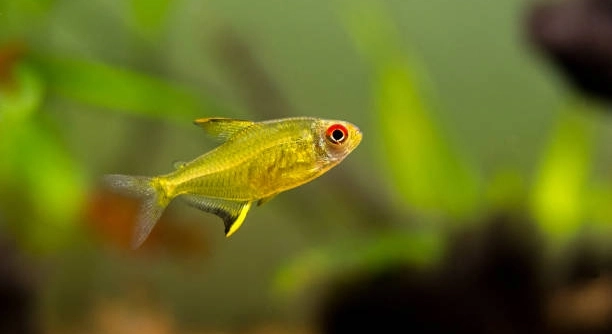
Have you ever noticed your lemon tetra acting differently in the tank, making you wonder what might be causing these subtle changes in its behavior and overall comfort each day inside its peaceful aquatic space.
Lemon tetra often develop injuries from fin nipping, poor water quality, bacterial infections, aggressive tank mates, sharp decorations, stress, and improper handling. These conditions gradually damage tissue, reduce mobility, and compromise health by weakening their natural resilience within aquarium.
These insights help you create safer conditions for your lemon tetra, supporting steadier behavior and improving comfort as it settles.
Fin Nipping and Tissue Damage
Fin nipping is one of the most frequent issues lemon tetra face, and it tends to show up quickly when tank dynamics are off. I keep my wording simple because this topic can feel overwhelming, especially when you are trying to understand why a small fish might be losing delicate edges of its fins. Fin nipping often appears in tanks that are either crowded or filled with fish that have naturally pushy behavior. When this happens, the tetra becomes stressed, which slows healing and creates visible wear. You might also see uneven fin shapes, missing pieces, or fraying that worsens over time. Addressing this problem starts with observing how your fish interact and noticing patterns that happen repeatedly. Once you identify the source, you can create a calmer environment that allows your fish to recover. A balanced tank with gentle species reduces the risk and keeps your lemon tetra comfortable.
Fin injuries often heal well once the cause is removed, but steady improvement requires clean water and calm surroundings. I keep an eye on behavior changes, since early signs usually appear before the damage becomes severe, allowing quick adjustments that support smoother healing and prevent repeated harm over time overall.
Reducing fin nipping begins with choosing compatible tank mates and maintaining enough space for all fish to move comfortably. I also find it helpful to provide plants or gentle hiding spots, giving each fish a place to retreat when it feels pressured. Clean water keeps stress low and supports faster healing, so regular maintenance plays a direct role in recovery. Observing fish interactions helps you detect subtle behaviors that may signal tension. When you adjust the environment based on these observations, your lemon tetra can regain energy, restore damaged fins, and settle back into a calmer daily rhythm each day.
Injuries From Poor Water Conditions
Poor water conditions often trigger injuries that weaken lemon tetra over time, affecting their fins, scales, and overall stability. I monitor parameters consistently because even small spikes can create stress that leads to visible wear. Quick corrections help reduce complications and keep the fish feeling safer inside the tank today.
Maintaining healthy water conditions is essential for preventing injuries in lemon tetra, since their small bodies react quickly to shifts in the environment. Ammonia, nitrite, and nitrate imbalances can irritate tissue and weaken the fish over time, especially when these changes happen repeatedly. Keeping the water clean reduces irritation and allows the fish to maintain strength. I stay consistent with water changes, making sure debris does not build up and create unnecessary pressure on the fish. When water is stable, the tetra moves more freely and shows brighter coloring, which signals comfort. A filtration system that runs smoothly also helps by removing waste before it can cause harm. Testing the water regularly gives you early insight into shifts that may lead to trouble, and addressing these changes quickly prevents long term problems. When I notice small signs of stress, I take action by rechecking flow, temperature, and maintenance schedules. These steps protect the fish from injuries that develop slowly and can be hard to reverse. When the environment stays balanced, your lemon tetra benefits from steady comfort, stronger immunity, and healthier interactions with tank mates, creating a space where injuries are far less likely to appear in your care daily.
Bacterial Infections and Tissue Breakdown
Bacterial infections often appear when small wounds go untreated or when the tank lacks consistent care. I stay alert for cloudy patches or slow healing, since these signs usually show the infection is already affecting the fish and weakening delicate areas over time.
Bacterial issues tend to spread quickly, especially in tanks where the water is not stable or minor injuries are common. I watch for changes in movement, coloration, or appetite because these shifts often show the fish is becoming stressed. Clean water plays a direct role in preventing infections, so I make sure the filter works well and debris does not accumulate. When an infection appears, I isolate the affected fish and treat the tank carefully to avoid spreading the problem. Early detection usually leads to better recovery, helping the lemon tetra regain comfort and stability without long term damage forming during the healing process.
Supporting recovery from bacterial infections relies on steady attention to water quality and calm surroundings. I check the tank often during treatment to ensure the water remains clean and the fish does not face additional stress. Balanced conditions help the immune system work more effectively, allowing damaged tissue to repair gradually. When the environment becomes stable again, the fish often shows brighter coloration, smoother movement, and more consistent energy. Treating the entire tank can help prevent lingering bacteria from causing another flare up. This approach gives your lemon tetra a fair chance at healing and staying healthier over time.
Wounds From Sharp Decorations
Sharp decorations can easily scratch delicate fins or scales, especially when the fish swims quickly or gets startled. I check tank decor regularly because small edges or rough textures can create wounds that become worse when the fish brushes against them repeatedly.
I look closely at artificial plants, rocks, or ornaments to ensure nothing has jagged points or rough surfaces. Lemon tetra move fast, so even minor edges can cause small tears that lead to infections if ignored. When I notice damage, I remove or replace the decoration with something smoother. Soft plants and rounded ornaments keep the tank safer overall. Clean water prevents irritation from becoming more serious, and reduced stress helps the fish heal without complications. When the surroundings are safe, lemon tetra move more confidently and show fewer injuries linked to contact with their environment.
Injuries From Aggressive Tank Mates
Aggressive tank mates often target lemon tetra during feeding or territorial moments, leaving small wounds that become noticeable over time. I watch interactions closely because repeated chasing or biting usually means the environment needs adjustment to protect the more delicate fish in the group.
Keeping calm species together helps reduce injuries caused by aggression. I remove overly pushy fish when I see constant tension, since stress slows healing and increases the risk of infections. A balanced tank with enough space supports safer interactions and keeps the lemon tetra from experiencing repeated harm.
Stress and Weakened Immunity
Stress affects lemon tetra quickly, especially when the tank changes too often or conditions shift without warning. I keep routines consistent, since sudden adjustments can weaken the immune system and make the fish more likely to develop injuries or infections. Stable lighting, steady feeding patterns, and predictable maintenance help reduce this pressure. When the fish stays calm, it heals faster and avoids many problems linked to stress. I also limit loud noises or abrupt movements near the tank, giving the fish a steady environment that helps it stay stronger overall.
Injuries From Improper Handling
Improper handling can harm lemon tetra instantly, especially when nets or hands cause physical pressure on the body. I handle them gently and only when necessary, since reducing contact helps prevent scales or fins from becoming damaged.
What are the most common injuries in lemon tetra?
The most common injuries include fin nipping, torn fins, bacterial infections, abrasions from sharp decorations, wounds caused by aggressive tank mates, stress-related tissue damage, and injuries from improper handling. I pay attention to subtle changes in swimming and appearance, since early signs often indicate which type of injury is occurring.
How can I prevent fin nipping?
Fin nipping usually happens when the tank is overcrowded or fish are incompatible. I maintain a calm environment with enough space and gentle species. Adding hiding spots and plants helps reduce chasing, while monitoring interactions ensures no fish suffers repeated harassment, keeping fins intact and healthy.
What should I do if my lemon tetra has a bacterial infection?
Bacterial infections appear as cloudy patches, frayed fins, or lethargy. I isolate the affected fish to prevent spread and maintain excellent water quality. Treatments often include antibacterial medications, but prevention is key. Regular water checks and prompt care after injuries reduce infection risk and support healing.
Can poor water quality cause injuries?
Yes, poor water conditions weaken tissue and make small wounds worse. I regularly check ammonia, nitrite, and nitrate levels. Consistent water changes and a properly functioning filter prevent irritation, maintain immune strength, and reduce the likelihood of injury. Healthy water keeps the fish more active and resilient.
How do aggressive tank mates affect lemon tetra?
Aggressive tank mates can chase, nip, or stress lemon tetra, resulting in torn fins or scale damage. I observe fish interactions closely, removing overly aggressive individuals when needed. Providing ample space and hiding areas minimizes conflict and helps the tetra recover quickly if injuries occur.
What role does stress play in injuries?
Stress lowers immunity and slows healing. Sudden changes in environment, lighting, or feeding schedules can make fish more prone to injuries. I maintain consistent routines and reduce disturbances near the tank. A calm environment supports recovery and prevents minor issues from becoming severe.
How can decorations cause harm?
Sharp or rough decorations can scratch fins or scales. I inspect ornaments and plants regularly, removing anything with jagged edges. Smooth decorations and live or soft plants reduce contact injuries. Ensuring the tank is safe helps the tetra swim freely without risking daily abrasions.
What is the best way to handle lemon tetra safely?
Handling should be minimal and gentle. I use soft nets and avoid pressing on the body. Proper handling prevents scale loss and fin tears. When necessary, I prepare the tank and myself to reduce stress, which supports the fish’s overall health and reduces the chance of accidental injuries.
How do I know when a wound needs treatment?
Signs include redness, swelling, frayed fins, or sluggish behavior. I monitor fish daily and treat small injuries immediately to prevent infection. Isolation and careful water management speed healing. Consistent observation ensures minor injuries do not escalate into serious health problems.
Are there long-term effects from untreated injuries?
Untreated injuries can lead to chronic infections, deformities, or permanent fin loss. I treat issues quickly and maintain optimal tank conditions. Prompt care and careful observation help lemon tetra recover fully, maintaining their activity level, coloration, and overall health for years.
Caring for lemon tetra requires careful attention to both their environment and their behavior. Injuries, whether minor or severe, often develop due to preventable causes like poor water quality, aggressive tank mates, or sharp decorations. I have learned that regular observation is key. By watching their movements, coloration, and interactions closely, I can often identify small issues before they become serious problems. Maintaining stable water parameters and a calm environment creates the foundation for healthy fish, reducing the likelihood of stress-related injuries. Simple steps, like providing plants, soft decorations, and adequate space, make a noticeable difference in their comfort and overall health. When these elements are in place, lemon tetra display more vibrant colors, stronger immune responses, and smoother swimming patterns, reflecting their well-being in the tank.
Injuries can still occur, even with careful attention, but prompt action and proper care often make a major difference in recovery. I handle minor wounds with isolation when needed and maintain consistent water quality to prevent infections. Fin damage, abrasions, or scratches from decorations typically heal faster when the fish experiences minimal stress. Equally important is monitoring interactions with other fish. Lemon tetra are small and relatively delicate, so even minor chasing or rough behavior from tank mates can create visible damage over time. Addressing these issues quickly—by rearranging the tank, removing aggressive individuals, or adding hiding spots—reduces repeated injuries and supports faster healing. Providing a stable feeding schedule and minimizing sudden changes to the tank environment also help the tetra remain strong and resilient. Over time, these consistent practices not only reduce injuries but also improve the fish’s overall quality of life in the aquarium.
The long-term care of lemon tetra is a combination of prevention, observation, and prompt intervention. I have noticed that tanks with balanced communities, clean water, and safe decorations produce fewer injuries and happier, more active fish. While accidents and minor injuries may still occur, the right approach encourages recovery without long-lasting effects. Keeping the fish comfortable involves creating a secure and predictable environment, addressing stress, and supporting healing when injuries do appear. Maintaining these practices consistently ensures that lemon tetra remain healthy, vibrant, and active, reflecting careful care and attention. A well-maintained tank fosters stability, minimizes risks, and allows the fish to thrive naturally, giving each lemon tetra the best chance at a full and healthy life.

Hello,
If you enjoy the content that we create, please consider saying a "Thank You!" by leaving a tip.
Every little bit helps us continue crafting quality advice that supports the health, happiness, and well-being of pets around the world, for pets of all shapes, sizes, and species.
We really appreciate the kindness and support that you show us!