
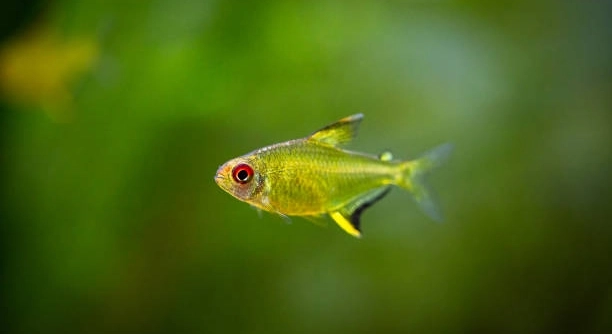
Many fish keepers find themselves thinking about how their lemon tetra adjust to new environments and how these small vibrant fish respond when moved from a familiar tank into a completely new aquatic setup today.
Lemon tetra do not experience sentimental attachment to previous tanks, but they do react to environmental changes. Their behavior reflects stress responses linked to water parameters, social structure, and habitat stability rather than emotional longing for an earlier aquarium environment.
Supporting their needs helps maintain calm behavior and smooth transitions as they adjust to new habitats within your aquarium home.
How Environment Changes Affect Lemon Tetra
Moving lemon tetra from one tank to another can create noticeable shifts in their behavior, and it is something I have seen many times while caring for aquarium setups. These small fish react strongly to changes in water conditions, lighting, and layout, so any adjustment feels significant to them. They may hide more, swim less, or show mild tension while adapting to the new space. This reaction is not emotional longing but simply their natural response to unfamiliar surroundings. I always try to match the new tank as closely as possible to the previous one, even when the design is different, because stability helps them relax faster. Consistent lighting, steady filtration, and familiar plants or decor pieces give them something familiar to anchor to during the switch. Taking these steps makes the move smoother and keeps their stress low, allowing them to settle into the new environment with calm confidence.
Stress in lemon tetra often comes from sudden changes rather than emotional loss, so maintaining stable water conditions is the key focus. I keep transitions slow and controlled to prevent overwhelming them, giving their behavior space to stabilize while they adjust to the new aquarium setup in a calm manner.
Creating a smooth transition for lemon tetra begins with preparing the new tank well before the move. I always match temperature, pH, and hardness to reduce sensory shock. Adding familiar plants or hiding spots helps them feel safe while exploring the fresh space. I also keep lighting gentle during the first hours, allowing them to orient themselves without pressure. Slow acclimation, steady filtration, and quiet surroundings all work together to reduce tension. When these steps are followed, the fish settle more quickly and regain their usual activity levels, making the transition feel easy for both the fish and the keeper.
Why Lemon Tetra Respond Differently After a Move
Lemon tetra may seem unsettled after a tank move because their senses depend on predictable surroundings. Sudden shifts in space, flow, and lighting interrupt their routines. Keeping changes minimal helps them regain balance and prevents extended periods of tension while they explore unfamiliar sections of their new aquarium at first.
Understanding why lemon tetra behave differently after a move requires looking at how they interact with their environment. These fish rely on visual cues, stable flow patterns, and subtle chemical signals in the water. When any of these elements shift, their senses work harder to interpret the new setup. I always notice slight hesitation during the first hours, especially when the lighting or layout contrasts sharply with what they knew before. Matching parameters helps, but their instincts still push them to scan the space carefully. Plants, shelters, and open swimming areas must feel balanced for them to regain comfort. I like to give them time without disturbances, letting them explore at their own pace. Gentle feeding also encourages normal behavior, since familiar routines create a sense of stability. It is common for their schooling patterns to tighten until they feel safe again. Gradually, they begin spreading out, showing the confident movement typical of healthy lemon tetra. With patience and consistent care, they adapt fully and resume their usual activity, proving that their reactions come from simple environmental sensitivity rather than emotional attachment to any previous habitat. This process reflects their natural instincts and supports long term stability in captivity today.
How Familiar Elements Support Stability
Lemon tetra settle more easily when their environment remains consistent, so I focus on minimizing sudden changes that might unsettle them. Stable lighting, steady filtration, and familiar decor help them regain comfort while they adjust. These details support calm behavior and keep their stress response from escalating during the transition.
Differences in water parameters can influence how quickly lemon tetra regain their usual behavior, so I always match the new tank as closely as possible to their previous conditions. Temperature, pH, hardness, and flow each play a part in keeping them stable. When these elements stay consistent, their schooling patterns return sooner and their movements become more relaxed. I also avoid loud activity or sudden movements near the tank during the first hours because these fish react strongly to external disturbances. Offering small, familiar foods supports normal routines, helping them reconnect with their surroundings without added tension in a calm.
Providing structure in the tank also helps lemon tetra feel secure after a move, so I make sure there are balanced areas of cover and open swimming space. Plants, driftwood, and gentle shadows give them places to pause without feeling hidden away. These details guide their movement and reduce tension. I keep the filter flow moderate to prevent overwhelming them while they are still adjusting. Gradual lighting changes also support their comfort, especially during the first day. As they explore at their own pace, they regain confidence and respond more naturally to the environment, easing back into their lively behavior.
How Sensory Cues Influence Behavior
Lemon tetra depend on stable sensory cues to feel comfortable, so any change in flow, layout, or lighting affects how they behave after a move. I try to keep these elements predictable because it reduces hesitation and tight schooling responses. When the environment stays steady, they regain normal activity faster and explore the tank with more ease, showing smoother movement and calmer interactions with their group as they settle back into their surroundings without strain.
Supporting lemon tetra during their adjustment period requires steady care and awareness of small details that influence their comfort. I focus on maintaining consistent water conditions, moderate lighting, and gentle flow so they can navigate the new tank without sensory overload. Providing familiar plants or structures helps them orient themselves, giving them safe points to return to while exploring. Avoiding sudden movements near the tank also reduces tension, since these fish react quickly to external activity. Feeding lightly with familiar foods encourages stable routines, helping them shift back into calm patterns. As their behavior steadies, they begin schooling more fluidly and spreading out with confidence. With gradual adjustments and a predictable environment, they adapt fully and regain their natural rhythm, showing clear signs of comfort.
How Schooling Patterns Reflect Comfort
Lemon tetra show their comfort level through their schooling style, so I watch how tightly or loosely they group after a move. Tighter clustering usually signals tension, while relaxed spacing shows they are adjusting well and starting to feel settled again in their new environment.
Observing their movement helps me understand how they are coping. Smooth, steady swimming with synchronized turns shows they are regaining balance. Erratic darting or hiding indicates they still need time. When their patterns stabilize, it confirms they are becoming familiar with the layout and sensing fewer disruptions within the tank.
Why Gradual Changes Matter
Gradual changes support calmer behavior in lemon tetra because their senses rely on steady cues. I avoid making multiple adjustments at once, keeping shifts small and controlled. Smooth transitions in lighting, flow, or layout help them stay relaxed. When changes happen slowly, their reactions remain steady, and they regain confidence with less tension throughout the adjustment process.
Signs They Are Adjusting Well
Lemon tetra that explore more freely, eat consistently, and interact calmly with their group are usually adapting well. Their colors appear brighter and their schooling becomes more fluid, showing they feel safe. These small signs reveal their comfort returning as the environment becomes familiar again.
FAQ
Do lemon tetra remember their old tank?
Lemon tetra do not form memories the way people do, so they do not hold sentimental memories of a previous tank. What they respond to is the stability of their environment. When conditions change, they notice the difference through their senses. Their reactions come from adjusting to new cues rather than recalling an earlier setup. Once the new environment becomes predictable, their behavior settles. They rely on routine, steady cues, and familiar patterns in flow and lighting. When these elements stay consistent, they adapt smoothly without signs of confusion or emotional attachment to any old space.
Why do lemon tetra act stressed after a move?
Stress comes from sudden environmental changes. Temperature shifts, lighting differences, altered layouts, and new flow patterns can overwhelm their senses. Lemon tetra depend on predictable surroundings, so any drastic changes force them to scan the tank more cautiously. They may tighten their schooling, hide, or reduce activity. I try to keep transitions gradual, matching the new tank’s conditions closely to what they already know. Even small adjustments can affect how they perceive safety. With time and a steady routine, their stress responses fade, and they resume their usual lively behavior.
How long does it take for lemon tetra to adjust to a new tank?
Adjustment time varies, but most lemon tetra settle within a few days when the setup feels stable. If conditions are very different from their previous tank, they may take a week or more to relax fully. I watch for signs like smoother swimming, brighter color, and consistent schooling, because these behaviors indicate they feel safe. Feeding lightly and keeping external disturbances low help speed up the process. Once they feel secure, their natural movement patterns return, showing that the new environment has become familiar to them.
What helps lemon tetra adapt faster?
Matching water parameters is the biggest factor. Consistent temperature, pH, hardness, and flow reduce sensory shock. Familiar plants or decor pieces help anchor their comfort. Gentle lighting during the first day supports calm exploration. Avoiding sudden movements near the tank keeps tension low. Light, familiar foods help restore routine. Each small detail contributes to a smoother transition, and the fish respond well when everything feels predictable. Their instinct to stay alert fades as they recognize stable cues, letting their confidence grow gradually.
Why does water flow matter so much to lemon tetra?
Flow patterns guide their movement and influence how they school. Strong, sudden bursts can overwhelm them after a move, so I keep the flow moderate at first. Gentle circulation helps them orient themselves without extra strain. Once they regain confidence, they navigate the current more naturally. Their schooling becomes smoother when flow stays even and steady. Sudden changes force them to react quickly, which can delay their adjustment. Stable flow supports their comfort and helps them feel secure in the new setup.
Are hiding spots important for lemon tetra during a transition?
Hiding spots provide essential security. Plants, driftwood, and shaded areas let them pause when they feel uncertain. These elements reduce stress and help them control how much exposure they have while exploring. Balanced cover and open space create a layout that feels safe without restricting movement. Lemon tetra rely on subtle visual cues, so having structured zones helps them navigate with confidence. They tend to relax faster when they know they have safe areas to retreat to. Their movement becomes smoother once they feel protected within a well-designed layout.
What behaviors show that lemon tetra are adapting well?
When lemon tetra resume active swimming, school with relaxed spacing, and explore freely, it shows they feel stable. Bright color and responsive feeding also indicate comfort. Their movements become more fluid and confident, and they interact more naturally with their group. These small signs reflect growing familiarity with the environment. Over time, their patterns become predictable again, showing that they accept the new tank as their space. Consistent care and steady conditions make the adjustment smoother, helping them return to their usual rhythm.
Final Thoughts
Lemon tetra adapt well when their environment feels steady, so the focus stays on creating predictable conditions that support their calm behavior. These fish respond to subtle changes in water quality, lighting, and layout, which means even small adjustments can shape how they act in a new tank. Keeping everything stable helps them settle without unnecessary strain. Their reactions are based on natural instincts rather than emotional ties to past environments, and understanding this makes it easier to support them. When the tank feels consistent, they begin showing the same relaxed patterns as before. Their swimming becomes smoother, their schooling loosens, and their colors brighten as they regain comfort. These simple signs show that stability is what guides their behavior, not memories or attachment to an old space. Focusing on calm transitions helps them navigate new surroundings with steady confidence, and this approach keeps their well-being at the center of your care.
Watching how lemon tetra behave during a move offers a clear view of what they need. They react strongly to shifts in water flow, lighting, and layout, especially when these changes happen too quickly. Their schooling may tighten and their movements become cautious, which signals that they are still adjusting. These behaviors are normal and show that their senses are processing the new environment. Giving them time, gentle lighting, and fewer sudden disturbances allows them to explore the tank at their own pace. They use visual cues, flow patterns, and familiar structures to orient themselves. When these cues feel recognizable, their tension naturally fades. Feeding lightly with familiar foods helps rebuild their routine, and structure in the tank gives them safe places to pause while they settle in. Through these small steps, they begin to trust the environment again. As their comfort grows, they show clearer signs of stability. Their schooling spreads out, their colors deepen, and their movement becomes steady and predictable. Their behavior reflects their gradual shift toward comfort, and this steady return shows how important controlled, calm transitions are for them.
Supporting lemon tetra during tank changes is a simple process when you stay consistent and patient. They respond best to gradual adjustments that let them understand their surroundings. Matching water parameters, maintaining moderate flow, and offering structured spaces help them feel secure as they explore. Their reactions reveal how sensitive they are to the details of their environment, so keeping everything gentle helps them move through the transition with ease. When the tank feels familiar and predictable, they regain their natural rhythm. Their confidence grows, their schooling patterns return to normal, and their interactions with the group become smooth again. By keeping their needs in mind and adjusting slowly, you help them settle into new spaces without stress. Their behavior becomes a clear indicator of how well they are adapting, and their calm, steady patterns show that thoughtful care makes every transition manageable for them.

Hello,
If you enjoy the content that we create, please consider saying a "Thank You!" by leaving a tip.
Every little bit helps us continue crafting quality advice that supports the health, happiness, and well-being of pets around the world, for pets of all shapes, sizes, and species.
We really appreciate the kindness and support that you show us!