
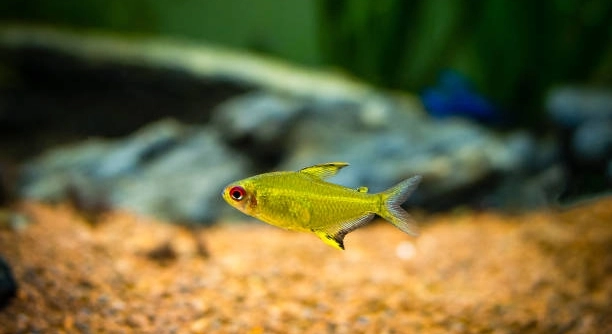
Do you enjoy watching your aquarium but sometimes wonder if your fish notice you beyond movement? Lemon tetras are lively, colorful, and often seem to react when you approach the tank. Their behavior can be surprisingly engaging.
Lemon tetras can recognize their owner’s voice to a limited extent. Studies suggest these fish respond to consistent auditory cues and associate them with feeding or environmental changes, indicating a form of recognition, though it is not as developed as in mammals.
Observing these subtle responses can make daily interactions with your fish more enjoyable and deepen your understanding of their habits. Small patterns reveal more than just swimming routines in your aquarium.
How Lemon Tetras Respond to Sounds
Lemon tetras are sensitive to vibrations and sounds around their tank. They may swim closer when they hear familiar noises, especially those linked to feeding. Over time, they can learn to associate certain sounds with positive experiences. This recognition is not vocal in the way mammals understand voices, but it shows they can differentiate between noises. Subtle movements, like tapping lightly or shaking a container of food, can trigger their response. Observing these behaviors helps you see patterns in how they interact with their environment. Consistency in your actions, like feeding at similar times and making the same sounds, strengthens their ability to recognize you indirectly. Each fish may react slightly differently; some are more responsive than others. Lemon tetras often show excitement by darting or forming small groups near the sound source, signaling attention and anticipation. Over weeks, they gradually connect your actions with outcomes.
Recognition of sounds helps tetras feel more secure in their tank.
Regular auditory cues create a more predictable environment. Over time, these fish become attuned to your presence. By maintaining consistent patterns, they start showing anticipatory behaviors, such as swimming to the front of the tank when food-related noises occur. This connection enhances your observations and interactions, making care routines smoother. Lemon tetras respond better to gentle, repeated sounds rather than sudden loud noises, which can cause stress. Their ability to notice these cues depends on their individual temperament, the size of the tank, and the presence of other fish. Watching them adjust gradually is fascinating and shows their capacity to learn and adapt. You may notice subtle changes, like following your hand or focusing on the area where you often feed them. By paying attention to these small signals, you can create a more engaging and comfortable environment. Understanding how lemon tetras perceive sound not only improves feeding routines but also supports their well-being.
Building Recognition Through Routine
Consistency is key when interacting with lemon tetras.
Feeding at the same times and using familiar sounds helps them learn patterns.
Creating a daily routine strengthens recognition and comfort. Fish associate these cues with positive experiences, gradually linking your presence to food and safety. Over time, they may approach the front of the tank or follow movements near the glass. Using consistent noises, like tapping lightly or shaking a food container, reinforces this connection. Avoid sudden loud sounds that may startle them. Monitoring their responses over days or weeks helps you adjust routines to fit their temperament. Gradual repetition encourages trust, while varied stimuli may confuse them. Not all tetras react the same, so patience is important. Small gestures and consistency can create predictable interactions that the fish recognize. Their growing familiarity shows in excitement at feeding times and curiosity during quiet moments. By maintaining this approach, you support both their mental stimulation and daily comfort.
Visual Cues and Recognition
Lemon tetras notice movement around their tank and may respond to your hand or gestures. They connect these visual signals with feeding or safety, showing signs of recognition even without sound. Subtle movements can trigger attentive behaviors.
Watching them follow your hand or swim toward specific areas shows their awareness of visual cues. They learn to associate certain gestures, like approaching the water surface or tapping lightly on the tank, with food or attention. Their eyes are sensitive to motion, and repeated exposure to the same signals allows them to anticipate actions. Individual tetras may react differently; some become bolder, while others remain cautious, but most show interest over time. Observing these patterns helps you understand their learning process and makes feeding or maintenance feel more interactive and engaging.
Visual recognition strengthens over repeated interactions. When paired with sound cues, lemon tetras form a more complete understanding of their environment. They can anticipate feeding, respond to gentle gestures, and navigate the tank with confidence. Consistency in your presence and movements encourages recognition, while sudden changes can create hesitation or stress. Using predictable patterns helps reinforce their learning and keeps their daily environment stable. Over weeks, these fish often begin to recognize the person behind the gestures, showing excitement or curiosity, and may even follow movements consistently. Combining visual cues with gentle sounds enhances their response and builds trust in a non-verbal, natural way.
The Role of Feeding in Voice Recognition
Regular feeding patterns reinforce recognition. Lemon tetras link familiar sounds or movement with food, showing more attentive behavior over time.
Feeding is a powerful tool for building recognition. Repeating consistent auditory and visual signals while feeding helps tetras learn to associate you with positive experiences. Over time, they may respond immediately to food-related cues, like the shaking of a container or your approach to the tank. This learning strengthens their memory and attentiveness, making interactions more predictable and enjoyable. Even minor changes, like feeding in a slightly different spot or at a different time, can affect their response. Observing these behaviors allows you to refine routines, making them more reliable. Gradually, fish display anticipation by swimming toward the feeding area, following your hand, or gathering near the sound source, showing that they connect specific cues with reward. Repetition and patience are essential for establishing this pattern.
Feeding routines also influence social behavior among lemon tetras. Fish often compete for food, and consistent feeding signals reduce confusion and stress. By maintaining predictable schedules and using the same auditory or visual cues, you can foster calmer, more responsive interactions. Individual tetras may react differently, but repeated exposure allows most to recognize patterns. This predictability helps them learn to anticipate food, approach confidently, and interact with you indirectly. Feeding combined with gentle sounds and gestures encourages learning, reduces anxiety, and enhances their daily experience in the tank. Over time, these routines create a subtle bond, reflected in their attentive behavior and curiosity whenever you approach.
Recognizing Patterns
Lemon tetras quickly notice repeated behaviors and sounds. They respond better when routines are consistent. Predictable cues make them more attentive and relaxed in the tank.
Consistency helps them distinguish your actions from random movement. Regular feeding times, gentle tapping, or approaching the tank create clear patterns they can follow.
Subtle Responses
Even minor cues can trigger recognition. Fish may dart toward a sound, follow a hand, or gather near familiar areas. Observing these small reactions shows their growing awareness and ability to link patterns with positive experiences.
Individual Differences
Each lemon tetra reacts differently to stimuli. Some are bolder, actively following cues, while others remain cautious. Understanding these differences helps in adjusting interaction methods for the best results.
Enhancing Recognition
Using consistent sounds, gestures, and feeding routines strengthens their ability to recognize you. Small, repeated actions reinforce learning and create a stable environment.
FAQ
Can lemon tetras truly recognize their owner’s voice?
Yes, lemon tetras can recognize consistent auditory cues linked to positive experiences, such as feeding or gentle interactions. They may not understand a voice like mammals, but they can distinguish familiar sounds from random noise and respond accordingly. Over time, repeated exposure to the same cues strengthens this recognition.
How quickly do lemon tetras start recognizing sounds or patterns?
It varies depending on the individual fish and tank environment. Some lemon tetras respond after just a few days of consistent feeding routines, while others may take weeks. Patience and repetition are key. Maintaining gentle and predictable cues ensures that learning occurs steadily without stress.
Do visual cues work better than sounds for recognition?
Visual cues are often more noticeable to lemon tetras because their eyesight is sensitive to movement. They can follow a hand approaching the tank or respond to gestures associated with feeding. Combining visual cues with sound reinforces learning and helps them make stronger connections between you and positive outcomes.
Can all lemon tetras recognize the same cues?
No, individual differences affect how each fish responds. Some are naturally more curious or bold, reacting quickly to new patterns, while others are cautious and slower to respond. Observing each fish’s behavior helps you tailor interactions and establish cues that work for the entire group.
What type of sounds should I use for recognition?
Soft, consistent sounds work best. Tapping lightly on the tank, shaking a food container gently, or using similar subtle noises during feeding creates a predictable association. Avoid loud or sudden sounds, which can startle or stress the fish, slowing their learning process.
How do feeding routines impact recognition?
Feeding routines are one of the strongest ways lemon tetras link sound or movement with positive experiences. When you feed at the same times and use the same cues, they begin to anticipate food and respond more actively. Predictable routines create a sense of security and improve their attentiveness.
Will recognition affect their behavior outside feeding times?
Yes, subtle signs of recognition often appear even when you are not feeding. They may swim closer to the glass, follow your hand, or form small groups near familiar areas. This shows they connect your presence with safety and predictability in their environment.
Can stress affect their ability to recognize cues?
Stress can reduce responsiveness. Sudden movements, loud noises, overcrowding, or poor water quality may make lemon tetras hesitant or fearful. Keeping a stable, calm tank environment enhances their learning and ensures they respond more reliably to auditory and visual cues.
Is it necessary to repeat cues daily?
Daily repetition is important, especially when training recognition. Consistent signals strengthen their memory and allow them to associate you with positive outcomes. Skipping days occasionally won’t erase recognition, but regular reinforcement ensures their responses remain consistent and noticeable.
How can I tell if my tetras are recognizing me?
Look for predictable behaviors such as swimming toward your hand, following gentle movements, gathering near feeding areas, or showing excitement when familiar sounds occur. These actions indicate they have learned to associate specific cues with your presence and positive experiences.
Do recognition abilities vary with age?
Younger fish may take longer to recognize patterns, while older lemon tetras with established routines may respond more quickly. However, consistent exposure and gentle reinforcement help fish of all ages learn to associate you with auditory and visual cues.
Can I combine multiple cues to enhance recognition?
Yes, combining visual gestures, gentle sounds, and feeding routines strengthens their learning. Using more than one cue consistently creates a clearer connection between your presence and positive experiences, helping them respond faster and more reliably over time.
Is it possible for lemon tetras to forget recognition cues?
If cues are inconsistent or the fish experiences stress or changes in environment, recognition may weaken. Regular interaction, consistent routines, and predictable signals help maintain learned behaviors and ensure that their responses remain clear and dependable over the long term.
How do group dynamics affect recognition?
In a tank with multiple tetras, dominant or bolder fish may respond first, while more timid ones follow later. Group dynamics can influence individual learning, so observing each fish and reinforcing cues ensures all members gradually recognize and respond to familiar sounds and movements.
Can lemon tetras recognize multiple people?
Yes, they can learn to associate different consistent cues with multiple individuals, but each person must maintain their own predictable routine. Consistency is key; varying patterns or signals between people may confuse the fish, so clear and repeated actions from each individual are necessary.
How important is water quality for recognition learning?
Good water quality is essential. Poor conditions can stress the fish, reducing their ability to respond to cues. Stable temperature, clean water, and a calm environment support learning and ensure lemon tetras can focus on recognizing familiar sounds and visual signals.
Does tank size influence recognition?
Yes, smaller tanks make it easier for lemon tetras to notice cues and movements, while larger tanks may require more effort to consistently signal and attract their attention. Regardless of size, consistent visual and auditory cues improve recognition over time.
Are there other behaviors linked to recognition besides approaching?
Yes, increased activity, grouping near familiar areas, darting at feeding cues, or swimming in anticipation are common behaviors. These actions indicate that the fish have learned to associate your presence with positive experiences and are responding predictably to repeated patterns.
Can recognition improve over time?
Yes, continued exposure to consistent cues enhances recognition. Gradually, lemon tetras become more confident, responsive, and attentive. Patience, gentle reinforcement, and regular routines help their ability to recognize you grow steadily, making daily interactions more engaging.
What should I avoid when trying to build recognition?
Avoid loud noises, sudden movements, inconsistent feeding times, and overcrowding. These factors can stress lemon tetras, hinder learning, and reduce their responsiveness. Gentle, predictable, and consistent signals are key to helping them recognize and respond positively over time.
Lemon tetras are small, lively fish that can bring a lot of enjoyment to your tank. Watching them swim in coordinated patterns and noticing their subtle responses to your actions can make caring for them feel rewarding. While they do not recognize voices in the same way mammals do, they are capable of distinguishing sounds, movements, and patterns that consistently occur in their environment. These fish respond best to gentle, repeated cues, like tapping lightly on the tank, shaking a food container, or moving your hand in a familiar way. Over time, they can associate these signals with feeding, safety, and general positive experiences. This ability to notice and respond to consistent cues makes them more interactive than many people might expect. Even small gestures from you can trigger anticipatory behaviors, showing that they have learned to connect your presence with predictable outcomes. Observing these behaviors can be a quiet and satisfying way to understand more about their intelligence and awareness.
Creating a stable and predictable environment is essential when trying to encourage recognition in lemon tetras. Consistent routines, such as feeding at the same times each day and using the same visual or auditory cues, help them form connections between your actions and positive experiences. Sudden changes, loud noises, or overcrowding can make them hesitant or reduce their responsiveness. Each fish may respond differently, with some being more curious or bold, while others remain cautious and slow to react. Patience is key, as learning and recognition occur gradually. Over weeks or months, you may notice subtle changes in behavior, like swimming closer to the front of the tank, following your hand, or gathering near familiar areas. These actions are not just random movements—they are signs that the fish have learned to recognize patterns and link them with rewards. By observing carefully and maintaining a calm, consistent approach, you can support their ability to respond positively and build an environment that encourages natural learning.
The interaction between lemon tetras and their environment highlights how even small fish can display forms of recognition and memory. Their responses to consistent auditory and visual cues show that they are capable of learning from repeated experiences. While this recognition is limited compared to mammals, it is meaningful and can enhance your experience as a caretaker. By paying attention to their behaviors, maintaining predictable routines, and offering gentle, repeated signals, you encourage their learning and increase their comfort in the tank. Recognition in lemon tetras is a gradual process, but it can lead to more engaging and interactive observation. Over time, you may find yourself appreciating the subtleties of their behavior, from the way they respond to feeding cues to the small signs of curiosity when you approach the tank. Supporting this type of learning not only strengthens your connection to the fish but also contributes to a healthier, more stimulating environment for them, ultimately allowing both you and the lemon tetras to enjoy a harmonious, predictable, and responsive aquarium.

Hello,
If you enjoy the content that we create, please consider saying a "Thank You!" by leaving a tip.
Every little bit helps us continue crafting quality advice that supports the health, happiness, and well-being of pets around the world, for pets of all shapes, sizes, and species.
We really appreciate the kindness and support that you show us!