
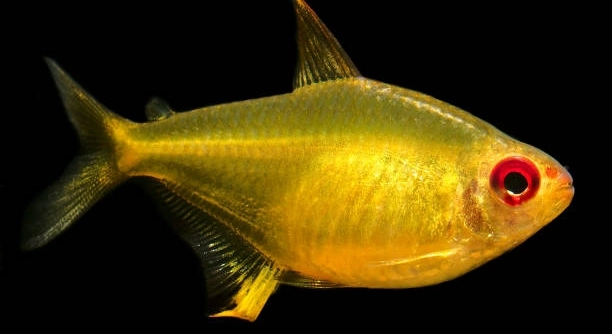
Lemon tetras are small, lively fish often admired for their bright yellow hues and peaceful behavior. Observing their daily swimming routines can be calming, but their reactions to sudden disturbances reveal surprising aspects of their instincts.
When startled, lemon tetras exhibit rapid darting movements, often seeking shelter or forming tighter schools. This response is a natural defense mechanism triggered by sudden changes in their environment, helping them avoid predators and maintain group cohesion in the aquarium.
Understanding these reactions provides insight into their behavior and ensures a safer, more comfortable environment for these delicate, vibrant fish.
Common Triggers That Startle Lemon Tetras
Lemon tetras are sensitive to changes in their environment. Sudden movements outside the tank, bright lights, and loud noises can startle them easily. Even vibrations from tapping on the glass or rearranging decorations inside the aquarium may trigger a quick, panicked response. They rely on these instincts to protect themselves, so their reactions are natural and important for their survival. Observing these behaviors helps identify patterns and reduce unnecessary stress. Over time, they may become slightly accustomed to repeated disturbances, but abrupt or unpredictable changes will always cause a strong reaction. Temperature fluctuations, strong water currents, and sudden additions of new fish can also provoke startled movements. Maintaining a calm and consistent environment allows lemon tetras to swim and interact comfortably, reducing the frequency of these sudden darting behaviors. Attention to these details ensures they remain healthy, active, and visually vibrant.
Even minor disturbances can trigger sudden movements in lemon tetras, so creating a stable environment is essential.
Careful placement of the tank away from heavy foot traffic, loud devices, or direct sunlight helps reduce sudden reactions. Using dimmable lighting and gradual water changes can make a noticeable difference. Maintaining hiding spots with plants and decorations allows tetras to feel secure when startled. Monitoring the aquarium for sudden changes, like water temperature swings or new objects, can prevent unnecessary stress. Additionally, consistent feeding schedules and gentle handling minimize abrupt behavioral responses. These small adjustments improve overall tank harmony and keep lemon tetras comfortable and healthy. Regular observation allows owners to anticipate potential triggers and respond appropriately, ensuring these delicate fish remain calm and display their natural colors and activity levels without frequent panic responses.
How Lemon Tetras React When Startled
Lemon tetras often dart quickly to corners or behind plants to avoid perceived threats. Their fins flare slightly, and their bodies tense as they navigate toward safety, reflecting instinctive defensive behavior.
When startled, lemon tetras can display a mix of rapid swimming, sudden directional changes, and tight schooling. These reactions help them avoid potential predators, even in a safe aquarium. Observing these patterns closely reveals that not all fish react identically; some may freeze momentarily while others immediately seek cover. Over time, frequent startling may increase stress, affecting appetite, coloration, and overall health. Providing plenty of plants and visual barriers allows them to retreat when alarmed, reducing chronic stress. Gradual acclimation to environmental changes, gentle handling, and consistent routines help tetras adjust without panic. Tracking individual behaviors can indicate health issues or excessive stress, offering early signs to adjust care practices. Understanding their reactions ensures a balanced tank, where lemon tetras can swim freely while still expressing natural instincts without frequent, unnecessary fear.
Preventing Startle Responses
Keeping the tank environment stable reduces sudden reactions. Consistent lighting, minimal outside disturbances, and proper hiding spots help lemon tetras feel secure.
Adjusting light gradually and avoiding abrupt movements near the tank prevents frequent stress. Providing plants, caves, or decorations allows fish to retreat naturally when they feel threatened. Monitoring water parameters closely also contributes to a calm environment, as sudden changes in temperature or chemistry can trigger darting. Regular feeding schedules and avoiding sudden introductions of new fish keep the group cohesive. Over time, tetras adapt better to their surroundings and display calmer swimming patterns, showing their natural colors and activity levels. Observing individual behavior helps identify if adjustments are needed.
Limiting sudden changes and providing visual barriers promotes overall well-being. Tetras are calmer when they have predictable routines and spaces to hide.
Maintaining a steady, consistent tank environment is crucial for lemon tetras. Sudden noises, bright lights, or water changes can provoke startle responses. Introducing new decorations slowly and placing them in familiar areas prevents unnecessary panic. Using gentle water currents and stable filtration also reduces abrupt movements. Careful observation of fish behavior helps detect stress early. By keeping conditions predictable, lemon tetras swim confidently, maintaining natural activity and coloration without frequent darting or tension. Creating this controlled environment supports their health and longevity, allowing them to thrive in a home aquarium.
Observing Post-Startle Behavior
After a startle, lemon tetras often regroup, forming tighter schools. This behavior reduces stress and increases their sense of security.
Following a sudden scare, lemon tetras may pause briefly, then swim together in coordinated patterns. Their fins often flare slightly, and movements become more cautious. These post-startle behaviors allow them to assess potential threats while staying protected within the group. Repeated observation shows that fish with access to plants and hiding spots recover faster and resume normal swimming sooner. Tracking these responses helps identify which environmental factors are causing stress, enabling adjustments to improve comfort. Over time, consistent care reduces the frequency of intense startle reactions, promoting calmer and healthier behavior.
Fish may return to normal activity quickly if the environment is calm and supportive. Observing these patterns offers insight into their well-being.
Signs of Stress in Lemon Tetras
Rapid darting, hiding for long periods, and loss of color indicate stress. These behaviors often follow repeated startle events or environmental disturbances.
Reduced appetite and erratic swimming are additional signals. Monitoring these signs allows for early adjustments in care, improving overall fish well-being.
Creating a Safe Environment
Stable water conditions, gentle filtration, and plenty of plants reduce stress. Lemon tetras feel secure with predictable routines and accessible hiding spots. Observing their behavior regularly ensures the tank remains comfortable, minimizing startle reactions and maintaining natural swimming patterns.
Handling New Additions
Introducing new fish slowly prevents sudden panic. Quarantining and acclimating them carefully allows the existing tetras to adjust without excessive stress.
Monitoring Recovery
After a startle, watch for return to normal activity and vibrant coloration. Quick recovery reflects a supportive, low-stress environment.
Why do lemon tetras dart suddenly?
Lemon tetras dart suddenly as a natural response to perceived threats. Sudden movements, loud noises, or changes in lighting can trigger this behavior. It is a survival instinct that helps them avoid predators and stay protected. In an aquarium, these reactions are usually harmless but indicate sensitivity to environmental changes.
How can I reduce startle responses in my tank?
Creating a stable environment is key. Gradually adjust lighting, minimize vibrations near the tank, and provide hiding spots such as plants and decorations. Avoid tapping the glass or making abrupt movements around the tank. Maintaining consistent feeding times and gentle water changes also lowers stress. Over time, tetras become calmer with a predictable routine.
Do lemon tetras get used to repeated disturbances?
To some extent, yes. Repeated, non-threatening disturbances allow them to become more accustomed to their surroundings. However, sudden or unpredictable changes will always trigger darting. Providing visual barriers and a secure environment ensures that even frequent interactions are less stressful for the fish.
What are the signs my tetras are stressed?
Stress is shown through rapid swimming, hiding for long periods, faded coloration, or reduced appetite. Erratic or panicked movements after minor disturbances indicate elevated stress levels. Observing these behaviors helps you identify triggers and take action to improve tank conditions, supporting their health and well-being.
Can tank layout affect startle behavior?
Yes. A tank with plenty of plants, rocks, or decorations allows lemon tetras to retreat and feel safe. Open spaces without hiding spots increase the likelihood of panicked darting. Thoughtful arrangement of elements reduces stress by giving the fish control over their environment and escape routes.
How important is water stability for calm behavior?
Extremely important. Sudden temperature changes, strong currents, or rapid adjustments in pH and chemical levels can startle lemon tetras. Consistently monitoring and maintaining water parameters ensures a calm environment. Stable water conditions allow tetras to swim naturally and display normal schooling behavior without excessive stress.
Should new fish be introduced gradually?
Yes. Sudden introductions can startle existing tetras and create stress. Quarantine new fish first and acclimate them slowly to the tank’s temperature and water chemistry. This process allows both new and existing fish to adjust without triggering panic, supporting harmony in the aquarium.
How long does it take for tetras to recover after a scare?
Recovery time varies. With a calm and safe environment, lemon tetras can resume normal swimming and coloration within minutes. Stressful surroundings or repeated disturbances may prolong recovery. Providing secure hiding spots, gentle water movement, and a stable routine encourages faster return to normal activity.
Can frequent startling affect their health?
Yes. Chronic stress can weaken the immune system, reduce appetite, and impact growth and coloration. Persistent panic responses may make them more susceptible to disease. Minimizing environmental disturbances and maintaining consistent tank conditions helps protect their health and ensures they remain active and vibrant.
Is schooling behavior affected by startle events?
Startle responses often trigger tighter schooling as a protective measure. This behavior reduces perceived threats and keeps the group cohesive. If disturbances are frequent, schooling may remain tighter for longer periods, signaling ongoing stress. Adequate space, hiding spots, and a calm environment allow normal schooling patterns to resume.
How do I know if my adjustments are working?
Observe behavior over time. If tetras swim calmly, display bright coloration, and return quickly to normal patterns after minor disturbances, adjustments are effective. Monitoring appetite, swimming patterns, and interaction with tank mates provides clear indicators of a low-stress environment and successful care strategies.
What role do hiding spots play?
Hiding spots are essential for lemon tetras to manage stress. Plants, rocks, and small caves provide safe areas to retreat when startled. Access to these spaces allows fish to feel secure, reduces panic behaviors, and supports overall well-being. Regular observation ensures these areas are sufficient and appropriately placed.
Are there environmental triggers I might overlook?
Yes. Reflections on the glass, shadows from nearby objects, sudden household movements, or even air conditioning drafts can startle tetras. Being mindful of these subtle triggers and minimizing them helps maintain a calm, stable environment, keeping the fish relaxed and healthy.
Does tank size matter for startle responses?
Tank size affects how lemon tetras react to disturbances. Smaller tanks with limited hiding spots can amplify stress responses. Larger tanks with adequate space, plants, and decorations allow fish to move freely and recover from startle events more effectively, supporting natural behaviors and reducing chronic stress.
Can I train my tetras to be less reactive?
While “training” is limited, consistent exposure to gentle, predictable routines helps them adapt. Gradual adjustments in lighting, movement, and feeding create familiarity and reduce panic reactions. Over time, tetras become more confident and display calmer behavior while still retaining natural instincts.
How often should I monitor behavior for stress?
Daily observation is recommended. Even small changes in swimming patterns, schooling, or coloration can indicate stress. Regular monitoring allows early intervention, ensuring the environment remains supportive. Tracking behavior over time helps identify patterns and prevent repeated startle events from affecting long-term health.
What is the best way to handle sudden scares?
Minimize follow-up disturbances immediately. Avoid tapping the glass or chasing fish after a panic event. Give them time to regroup and retreat to hiding spots. Ensuring a calm, stable environment after any scare accelerates recovery and reduces long-term stress impacts.
Can diet influence stress responses?
Yes. Proper nutrition supports overall health and resilience. Healthy, balanced diets improve immune function, energy levels, and recovery after disturbances. Feeding small, consistent portions on a regular schedule helps maintain calm behavior and supports natural activity, reducing sensitivity to minor startle events.
How do I balance interaction and minimizing stress?
Gentle observation and predictable routines allow engagement without causing panic. Avoid abrupt movements, loud sounds, or sudden light changes near the tank. Interaction through feeding or slow movements is beneficial, while respecting their need for security ensures a low-stress environment and natural behavior patterns.
Is water clarity linked to stress?
Clear, clean water reduces stress. Dirty or cloudy water can increase agitation and sensitivity to disturbances. Regular maintenance, including partial water changes, filter cleaning, and monitoring water chemistry, ensures lemon tetras remain calm and healthy, supporting natural swimming and schooling behaviors.
Do all lemon tetras react the same way?
No. Individual temperament varies. Some fish may freeze, some dart quickly, and others adjust more calmly. Observing each fish helps identify sensitive individuals and adapt tank conditions to accommodate their needs, ensuring a balanced and comfortable environment for the entire group.
How can I support long-term calm behavior?
Consistency is key. Stable water, regular feeding, gentle lighting changes, ample hiding spots, and careful introductions create a secure environment. Observing behavior and making small adjustments over time fosters calm, healthy lemon tetras that display natural activity, vibrant coloration, and balanced social interactions within the aquarium.
Lemon tetras are delicate, vibrant fish that thrive in calm, stable environments. Their small size and bright coloration make them an attractive addition to any aquarium, but they are highly sensitive to changes around them. Sudden movements, loud noises, or abrupt light changes can trigger strong startle responses. Observing these behaviors closely helps owners understand their natural instincts and create a more supportive habitat. By paying attention to how they react, it is possible to reduce unnecessary stress, ensure proper schooling behavior, and maintain their overall health. Careful tank management, consistent routines, and thoughtful placement of plants and decorations all contribute to a peaceful environment that allows these fish to swim naturally without fear.
Understanding the triggers that cause panic reactions is crucial. Lemon tetras rely on rapid darting and tight schooling as defense mechanisms, even in safe aquariums. While these behaviors are instinctual, repeated disturbances can lead to chronic stress, affecting their appetite, coloration, and immunity. Small adjustments in tank care can make a big difference. Gradual lighting changes, minimizing vibrations, and providing plenty of hiding spots help tetras feel secure. Observing their behavior daily allows owners to notice subtle signs of stress early and respond appropriately. Even simple measures like consistent feeding schedules and gentle water maintenance support their well-being. Over time, these practices foster calmer, healthier fish that continue to display vibrant colors and active, natural behaviors.
Creating a supportive environment goes beyond reducing startling events. Tank size, layout, water stability, and social dynamics all play important roles in overall comfort. Lemon tetras thrive in spaces where they can retreat when needed and interact with their group without feeling threatened. Introducing new fish gradually and monitoring their reactions ensures a smooth adjustment and reduces potential conflicts. Proper diet, clean water, and stable environmental conditions reinforce resilience against stress, helping fish recover quickly from occasional disturbances. By maintaining these conditions consistently, owners can support long-term health and natural behavior, allowing lemon tetras to remain active, colorful, and lively. Observing them closely over time provides insight into their personalities and needs, helping create a balanced and thriving aquarium that prioritizes both safety and stimulation.

Hello,
If you enjoy the content that we create, please consider saying a "Thank You!" by leaving a tip.
Every little bit helps us continue crafting quality advice that supports the health, happiness, and well-being of pets around the world, for pets of all shapes, sizes, and species.
We really appreciate the kindness and support that you show us!