
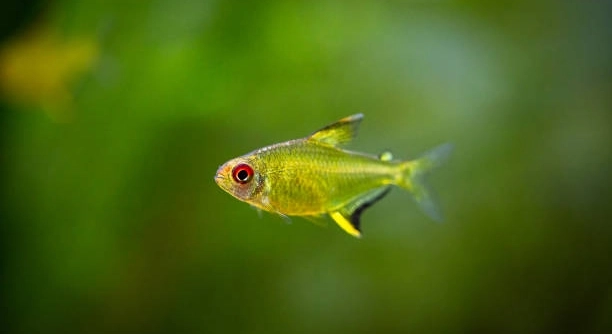
Lemon tetras are small, vibrant fish that bring life to any aquarium. Keeping them happy and healthy requires attention to their environment, diet, and activities. Many aquarists look for ways to enrich their tank and support their well-being.
Providing the ideal habitat for lemon tetras involves maintaining stable water parameters, offering varied nutrition, and incorporating enrichment elements such as plants, hiding spots, and gentle currents. These measures enhance their natural behaviors, reduce stress, and promote overall vitality.
Simple adjustments to tank setup and daily care can make a significant difference, ensuring your lemon tetras thrive and exhibit their full, lively colors.
Creating a Comfortable Environment
Lemon tetras thrive in a calm, well-planted aquarium. They prefer soft, slightly acidic water with stable temperatures between 72 and 78°F. Providing dense vegetation and hiding spots helps them feel secure, reducing stress and encouraging natural schooling behavior. Open swimming areas are equally important for exercise. Avoid overcrowding, as too many fish can lead to aggression and poor water quality. Regular water changes and a reliable filtration system maintain clarity and oxygen levels, which are essential for their health. Using gentle lighting helps mimic their natural habitat while supporting plant growth. Small decorations, like driftwood or smooth stones, can provide resting areas and territories without disrupting swimming space. Observing how lemon tetras interact with their surroundings allows adjustments to improve comfort. Adding floating plants can create shaded regions, reducing stress from bright lights. Overall, a balanced environment combining plants, open areas, and consistent water parameters ensures lemon tetras remain active and vibrant.
A comfortable environment supports healthy behavior and reduces disease. Stability in water conditions and thoughtful decorations directly impact their well-being.
Attention to tank layout, water stability, and appropriate hiding spots encourages natural schooling, reduces stress, and improves longevity. Creating this balance ensures lemon tetras remain lively, social, and visually striking over time.
Providing a Varied Diet
Lemon tetras require a diet that includes both flake foods and live or frozen options. High-quality flake foods provide essential nutrients, while live foods like daphnia or brine shrimp stimulate natural hunting behavior. Frozen options, such as bloodworms, add variety and encourage exploration of their feeding environment. Feeding small amounts two to three times daily prevents overfeeding and keeps water quality high. Occasional vegetable matter, such as blanched spinach or zucchini, supports digestion and overall health. Rotating food types ensures they receive balanced nutrition and reduces the risk of selective feeding. Observing their eating habits helps detect health issues early, such as loss of appetite or unusual behavior. Proper diet enhances color vibrancy and energy levels, making them more active in the tank. Supplements like liquid vitamins can be added periodically to strengthen immune function. Maintaining a consistent feeding routine reinforces positive behavior and minimizes competition during meal times.
A varied diet keeps lemon tetras healthy and energetic, promoting natural behavior and strong coloration.
Introducing different foods while monitoring portion sizes prevents nutrient deficiencies and reduces stress caused by competition. Combining flake, live, frozen, and plant-based foods ensures a balanced diet, enhances color, and supports long-term vitality. Regular observation allows timely adjustments to maintain optimal health.
Maintaining Water Quality
Regular water testing is essential to keep lemon tetras healthy. Parameters like pH, ammonia, nitrite, and nitrate levels should be monitored weekly. Consistent water changes prevent toxin buildup and maintain clarity, supporting fish vitality.
Using a reliable filtration system removes debris and harmful chemicals efficiently. Filters should be cleaned regularly without disturbing beneficial bacteria. A combination of mechanical, chemical, and biological filtration ensures stable conditions. Avoid sudden water changes, which can stress fish, and always match new water temperature to the tank. Observing the tetras’ behavior helps detect early signs of poor water quality, like lethargy or faded colors. Maintaining clean substrate and removing uneaten food also reduces waste buildup. A well-maintained tank promotes activity, bright coloration, and long-term health.
Routine water changes of 20–30% weekly, along with consistent testing, create a safe and stable habitat. Clear water allows better observation of tetras’ natural behaviors, making care more effective and satisfying.
Encouraging Natural Behavior
Schooling is a core behavior for lemon tetras. Keeping them in groups of six or more allows them to feel secure and display natural movement. Open swimming areas combined with hiding spots create balance and reduce stress.
Providing live plants, gentle currents, and floating vegetation stimulates exploration. Variations in tank structure prevent boredom and encourage activity, while consistent feeding times reinforce natural foraging behaviors. Observing how tetras interact within their school helps adjust the environment to better suit their preferences. Overcrowding should be avoided, as it can disrupt schooling and increase aggression. Smooth decorations like driftwood or small stones offer rest points and territories without restricting movement. Adding subtle lighting variations mimics natural conditions and promotes healthier routines. A dynamic environment keeps tetras active, social, and visually vibrant.
Encouraging natural behavior through thoughtful tank design and consistent routines improves health and reduces stress. Supporting schooling, exploration, and rest needs creates a more harmonious tank environment that benefits both fish and caretaker.
Lighting and Temperature
Lemon tetras thrive under moderate lighting that mimics natural conditions. Too bright lighting can stress them, while dim lighting may reduce activity. Consistent water temperature between 72 and 78°F supports metabolism and immune function, keeping them active and healthy.
Using a timer for lights maintains a stable day-night cycle. Sudden temperature shifts can cause stress and illness. A reliable heater and thermometer ensure water remains within the ideal range, while floating plants provide shaded areas. Stable lighting and temperature promote natural behavior, stronger coloration, and overall vitality in lemon tetras.
Tank Decorations
Smooth rocks, driftwood, and live plants offer hiding spots and resting areas without overcrowding. Decorations should allow ample swimming space for schooling behavior.
Arranging plants in layers provides depth and shelter. Floating plants create shaded areas, reducing stress from bright light. Avoid sharp edges that could injure delicate fins. Decorations also contribute to natural exploration, giving tetras places to swim through, around, and under. Selecting appropriate materials ensures long-term durability and a safe environment. A well-decorated tank enhances activity, reduces stress, and supports healthier interactions within the school.
Monitoring Health
Regular observation is key to spotting illness early. Look for changes in behavior, appetite, or coloration.
Maintaining a routine check of fish ensures timely action. Early detection prevents serious issues.
Water Circulation
Gentle currents support natural swimming patterns. Avoid strong flow that stresses small fish.
Proper circulation ensures oxygen distribution and prevents stagnant areas. Filters and bubblers should create balanced flow, enhancing tank health and promoting active, healthy lemon tetras.
FAQ
How many lemon tetras should be kept together?
Lemon tetras are schooling fish, and keeping them in groups of at least six is essential. Smaller groups can cause stress and erratic behavior. Larger groups of ten or more improve social interaction, reduce aggression, and allow natural schooling patterns. Observing their movements can help ensure they feel secure and display typical group behaviors.
What is the ideal water temperature for lemon tetras?
The optimal temperature range is 72–78°F. Maintaining stable temperatures prevents stress, supports immune function, and encourages regular activity. Sudden fluctuations can lead to illness or weakened resistance to disease. A reliable heater and thermometer are recommended to maintain consistency, while occasional monitoring ensures accuracy.
What kind of diet do lemon tetras need?
They require a varied diet combining high-quality flake food, live or frozen options, and occasional plant matter. Flake food provides basic nutrients, while live or frozen foods, such as daphnia or bloodworms, encourage natural hunting behavior. Small amounts two to three times daily prevent overfeeding and maintain water quality. Occasional vegetables support digestion and overall health. Rotating food types ensures balanced nutrition and vibrant coloration.
How often should I perform water changes?
Weekly water changes of 20–30% are recommended. Regular changes remove waste, excess nutrients, and toxins, keeping water clear and safe. Avoid changing too much at once, as sudden shifts can stress the fish. Using conditioned water that matches the tank’s temperature helps maintain stability. Observing fish behavior after changes ensures they adjust well.
Can lemon tetras live with other fish?
Yes, but they are best kept with small, peaceful species. Avoid aggressive or larger fish that could nip fins or intimidate them. Compatible tank mates include small rasboras, guppies, and certain corydoras. Maintaining adequate space, hiding spots, and open swimming areas helps prevent conflicts and supports healthy group behavior.
What are signs of stress or illness in lemon tetras?
Lethargy, loss of appetite, faded coloration, clamped fins, or erratic swimming indicate stress or potential illness. Monitoring behavior daily allows early detection, which can prevent serious health problems. Maintaining proper water conditions, diet, and tank layout helps reduce stress and supports long-term well-being.
Do lemon tetras need live plants?
Live plants are highly beneficial. They provide shelter, reduce stress, improve water quality, and encourage natural behavior. Floating and rooted plants create shaded areas and resting spots while adding depth to the tank. While not strictly required, plants greatly enhance their environment and overall health.
How can I prevent overfeeding?
Feed small amounts that the tetras can consume within 2–3 minutes, two to three times daily. Remove uneaten food promptly to prevent waste buildup. Overfeeding can lead to poor water quality, obesity, and health issues, so observing portion sizes is key.
What kind of lighting is best for lemon tetras?
Moderate lighting is ideal. Too bright lighting can stress the fish, while dim lighting may reduce activity. A consistent day-night cycle, maintained with a timer, supports natural behavior. Floating plants can create shaded areas, helping reduce stress from direct light exposure.
How do I encourage natural schooling behavior?
Keeping tetras in sufficient groups and providing open swimming space allows natural schooling. Balanced tank layout with plants, hiding spots, and gentle currents promotes exploration and social interaction. Observing the school helps ensure they are active and comfortable in their environment.
How important is water filtration?
Filtration is essential for removing debris, maintaining oxygen levels, and supporting beneficial bacteria. A combination of mechanical, chemical, and biological filtration ensures stable water quality. Cleaning filters without disturbing bacteria and avoiding sudden water changes keeps tetras healthy and stress-free.
Can lemon tetras adapt to different water conditions?
They can tolerate slight variations, but stability is crucial. Sudden changes in temperature, pH, or hardness can cause stress and disease. Gradual adjustments and careful monitoring ensure long-term health and comfort.
What decorations are suitable for lemon tetra tanks?
Smooth rocks, driftwood, and live plants provide hiding spots and resting areas without overcrowding. Decorations should allow open swimming space and encourage exploration. Avoid sharp or rough surfaces that could damage fins. A thoughtfully decorated tank promotes activity, reduces stress, and supports natural behaviors.
How long do lemon tetras live?
With proper care, lemon tetras can live 3–5 years. Maintaining stable water parameters, a balanced diet, and a suitable tank environment supports longevity. Regular observation and preventive care reduce the risk of illness and ensure a vibrant, active life.
Is it necessary to monitor water parameters regularly?
Yes, weekly testing of pH, ammonia, nitrite, and nitrate is essential. Monitoring helps detect problems early and ensures water conditions remain within safe ranges. Consistent testing, combined with regular water changes and proper filtration, maintains a stable, healthy habitat.
Final Thoughts
Keeping lemon tetras healthy and happy requires attention to their environment, diet, and overall care. A well-maintained tank with stable water parameters, proper temperature, and gentle lighting supports their natural behavior and reduces stress. Regular water testing and changes help maintain clarity and remove harmful substances, allowing the fish to thrive. Decorating the tank with smooth rocks, driftwood, and live plants not only provides hiding spots but also encourages exploration and natural schooling patterns. Ensuring there is a balance between open swimming areas and sheltered spaces allows tetras to move freely while feeling secure. Observing their behavior daily helps detect early signs of stress or illness, making timely adjustments to care easier. A stable, thoughtfully arranged environment has a direct impact on their activity levels, coloration, and long-term health.
Diet plays a central role in maintaining vitality and enhancing the appearance of lemon tetras. Providing a varied diet that includes high-quality flakes, live or frozen foods, and occasional vegetables ensures balanced nutrition. Flake foods supply essential nutrients, while live and frozen options stimulate natural hunting behavior. Vegetables such as blanched spinach or zucchini support digestion and provide additional nutrients. Feeding small amounts multiple times a day prevents overfeeding and helps maintain water quality. Rotating food types also reduces the likelihood of selective eating and keeps the fish engaged during feeding times. Consistency in diet combined with careful observation of appetite and eating behavior allows early detection of potential health issues. Proper nutrition supports vibrant coloration, stronger immune function, and increased activity, creating a more lively and visually appealing tank.
Maintaining water quality, temperature, and circulation is equally important for lemon tetras. Gentle currents simulate natural conditions and encourage active swimming, while proper filtration removes waste and harmful chemicals. Monitoring pH, ammonia, nitrite, and nitrate levels ensures a stable and safe environment. Avoiding sudden changes in water conditions reduces stress and promotes long-term health. By providing adequate schooling groups, maintaining a balanced diet, and supporting natural behavior with proper tank setup, lemon tetras can live a full and active life. Paying attention to these elements creates a harmonious environment where the fish display their natural behaviors, vibrant colors, and energy. A consistent care routine, observation, and small adjustments when needed ensure that lemon tetras remain healthy, social, and visually striking for years to come.

Hello,
If you enjoy the content that we create, please consider saying a "Thank You!" by leaving a tip.
Every little bit helps us continue crafting quality advice that supports the health, happiness, and well-being of pets around the world, for pets of all shapes, sizes, and species.
We really appreciate the kindness and support that you show us!