
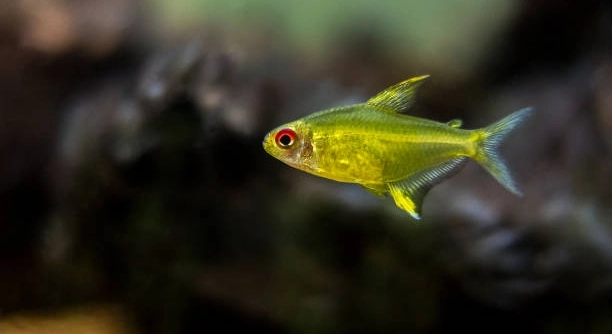
Have you ever watched your lemon tetra behave quietly in its tank when kept alone, making you think about how separation might influence its comfort, activity, social needs, and overall sense of stability each day.
Lemon tetras can display signs of stress when isolated, as they are schooling fish that depend on group presence for security. Extended separation may reduce activity, alter feeding habits, and create behaviors linked to social deprivation within controlled aquarium environments.
Learning how isolation affects your lemon tetra can guide you toward choices that support calmer behavior and more comfortable life.
Understanding Social Behavior in Lemon Tetras
Lemon tetras rely on group presence to feel balanced, and understanding how their social structure works can help you make better choices for their care. These fish are naturally drawn to schooling behavior, and separation can shift how they interact with their surroundings. When kept alone, their confidence may reduce, creating changes that affect swimming patterns and overall comfort. In a shared tank, they observe signals from fish and react in ways that keep them active and steady. Without those signals, they may become hesitant and less expressive. Paying attention to these shifts can help you recognize when a lemon tetra is not adjusting well. You can support healthier behavior by recreating conditions that encourage steady movement and calm behavior. Adding suitable plants, maintaining gentle lighting, and keeping stable water parameters can all contribute to a more secure setting. Each detail matters when you aim to protect their natural balance.
Isolation affects how confidently a lemon tetra moves through its space, and understanding these changes helps you decide what adjustments to make. Supporting natural behaviors through group living and a well arranged environment creates noticeable improvements, making daily life calmer and more predictable for your fish in a steady routine.
Observing how a lemon tetra responds to group presence can guide you in shaping a more supportive habitat. Small adjustments have a strong impact on stability, especially when you focus on creating calm spaces that reduce stress signals. A balanced tank helps them stay active, maintain smoother interactions, and develop predictable patterns that reflect better comfort. When their surroundings feel safe, their behavior shifts in noticeable ways that show improved ease. By understanding these needs, you can make steady choices that encourage stronger well being and a more natural expression of daily movement inside their shared environment every single day.
Recognizing Behavioral Changes and Reducing Stress
Behavioral shifts appear gradually, and noticing them early helps you form better care decisions. Reduced activity, timid movement, and disrupted feeding patterns often signal that your lemon tetra is not adjusting well to isolation, and timely changes support steadier behavior within a shared tank while improving their overall daily comfort.
Creating conditions that support steady behavior in lemon tetras begins with understanding how environmental structure influences their comfort. These fish depend on subtle signals from their group, and losing those signals can create noticeable tension that influences daily patterns. A shared tank helps them maintain natural interactions that reflect their instinctive schooling habits. When isolation occurs, they may become quieter, reduce movement, or retreat more often as a response to uncertainty. Adjusting their environment by adding plants, gentle hiding areas, and open swimming zones creates a balance that encourages smoother behavior. Stable water parameters prevent unpredictable changes that might worsen stress, and consistent lighting offers reassurance through familiar rhythms. Housing them with a suitable number of similar fish often leads to visible improvements as they regain confidence and express more predictable patterns. Careful observation helps you identify what supports their comfort most effectively, allowing you to make changes that strengthen their overall well being. Each adjustment adds security that helps them settle into a routine that feels natural, steady, and calm. When you prioritize their social needs, you create conditions that reflect their instincts, promoting a healthier environment that reduces stress and supports long term comfort throughout their daily life.
Creating a Supportive Environment
Keeping lemon tetras in a steady and predictable environment helps reduce tension that forms during isolation. Consistent lighting, stable water conditions, and gentle water flow support smoother behavior, helping them settle into routines that feel familiar and safe each day.
Providing a structured tank setup gives your lemon tetra a sense of stability that encourages confident movement. Plants, soft hiding areas, and open swimming zones form a layout that lowers stress and guides natural behavior. When the surroundings feel balanced, their responses become calmer, and their activity levels stay more consistent throughout the day. This foundation supports better feeding habits and steadier interactions. The more predictable their environment becomes, the easier it is for them to navigate their space without signs of hesitation or discomfort, making everyday life inside the tank feel more stable and reassuring.
Social support is equally important, and placing lemon tetras in a group strengthens their natural tendencies. Schooling helps them communicate through simple cues that guide their movement and reduce unease. When they share the tank with others of their kind, they show clearer patterns that reflect comfort and familiarity. Group presence also encourages more synchronized swimming and smoother feeding behavior, reducing the tension that appears during isolation. Observing how they behave within a group helps you decide when adjustments are needed to maintain their stability. With consistent care, you can shape an environment that supports long term comfort and healthier daily routine patterns.
Identifying Signs of Social Discomfort
Signs of social discomfort in lemon tetras often appear slowly and may include reduced movement, timid swimming, or subtle changes in feeding behavior. These shifts indicate that their environment or social structure needs adjusting to restore balance and support healthier daily activity.
When lemon tetras lack group interaction, their behavior often becomes more cautious and subdued. They may hover near corners or retreat into plants more frequently, signaling that their surroundings feel less secure. Adjusting the tank to include stable lighting, calm water flow, and suitable hiding spaces helps ease these reactions. Matching them with an appropriate number of similar fish restores natural communication cues that guide healthy movement and confidence. With more consistent social support, they regain stronger patterns of interaction, improved feeding responses, and steadier activity across the day. Careful observation helps you recognize when these adjustments are effective, allowing you to maintain a tank layout that supports comfort and stability over time.
Supporting Healthy Group Dynamics
Maintaining proper group size helps lemon tetras feel steady and secure. A small school encourages natural communication, smoother swimming patterns, and balanced interactions that reduce the tension often seen in isolated fish, helping them move confidently through their environment each day.
Balanced group dynamics also improve feeding behavior and reduce hesitation. Shared movement creates familiar cues that support calmer responses, helping them adjust to changes more easily. When surrounded by similar fish, they display clearer patterns that reflect comfort, steadiness, and natural daily rhythm.
Adjusting Care When Behaviors Shift
When behavior starts to change, small adjustments can help restore balance. Checking water parameters, improving the tank layout, and increasing social support all contribute to healthier patterns. Observing these changes helps you respond quickly and maintain stable routines that support long term comfort for your lemon tetras.
Encouraging Natural Confidence
Steady care and a predictable environment help lemon tetras express calmer behavior. Supportive social structures, balanced lighting, and gentle water flow create conditions that encourage smoother movement, reduced tension, and a more settled daily pattern that reflects their natural tendencies.
FAQ
Can lemon tetras get depressed if kept alone?
Lemon tetras are schooling fish that rely on social interaction to feel secure. When kept alone for extended periods, they may display stress behaviors, such as reduced movement, hiding frequently, or changes in feeding habits. These behaviors are not depression in the human sense, but they indicate social discomfort that can affect overall well being. Regular observation and providing a small group of compatible fish helps maintain natural activity patterns and a calmer, more stable environment.
How many lemon tetras should be kept together?
Keeping at least six lemon tetras together is recommended to support natural schooling behavior. Smaller groups can still form bonds, but they may exhibit timid or irregular swimming if the school is too small. Larger groups offer more natural cues for movement and social interaction, which supports smoother feeding and more consistent daily routines. Observing the group helps you decide whether adjustments are needed to maintain balance and comfort in the tank.
What are the signs of stress in lemon tetras?
Signs of stress include unusual hiding, reduced swimming, loss of appetite, and erratic movement. They may hover near corners, avoid open spaces, or appear lethargic. Stress often arises from isolation, poor water quality, or abrupt environmental changes. Monitoring these behaviors and adjusting social or environmental conditions can help restore normal activity and reduce tension.
How can I improve the environment for a stressed lemon tetra?
Adjusting tank layout with plants, hiding spots, and open swimming areas creates a supportive environment. Stable lighting and gentle water flow provide reassurance, while maintaining proper water temperature and parameters reduces additional stressors. Adding a small school of compatible fish helps restore natural social cues and encourages more confident behavior.
Do lemon tetras interact with other species?
Yes, they can interact with other peaceful fish species, but care is needed to avoid aggressive or overly large tankmates. Compatible companions provide a sense of community and reduce the impact of isolation. Observing interactions ensures that all species remain comfortable and maintain steady routines.
How quickly do lemon tetras recover from isolation?
Recovery depends on the length of isolation and tank conditions. Short periods in isolation may result in mild stress that resolves within days once social interaction resumes. Longer isolation can lead to more pronounced behavioral changes that may take weeks to stabilize. Providing a supportive group environment, calm tank layout, and steady routines accelerates recovery.
Should I change their diet if they are stressed?
Maintaining a balanced diet is key during stress. Offer high-quality flake or pellet food, supplemented with occasional live or frozen options to encourage natural feeding behavior. Avoid overfeeding, as stress may reduce appetite. Observing eating patterns helps ensure nutrition supports their health and recovery.
Is water quality linked to social stress in lemon tetras?
Absolutely. Poor water conditions amplify stress and can worsen behaviors associated with isolation. Keeping ammonia, nitrite, and nitrate levels in check, along with regular water changes and stable temperatures, helps reduce tension. A clean and balanced environment supports natural movement and social interaction, making their habitat more comfortable and predictable.
Can lemon tetras form bonds with each other?
Yes, within a school, lemon tetras respond to each other’s movements and cues. They form loose social hierarchies that guide swimming, feeding, and positioning. These bonds reduce tension, improve confidence, and help maintain a predictable daily routine. Observing group interactions ensures all fish remain comfortable and engaged.
What should I do if one fish seems isolated within the school?
Sometimes a fish may lag or hide more than others. Adjusting tank layout with additional plants or hiding spaces can help. Ensuring the group is appropriately sized and balanced encourages the isolated fish to rejoin schooling behavior. Close observation helps detect underlying issues, like health concerns or subtle aggression, that may require intervention.
How important is lighting for lemon tetra behavior?
Lighting affects their sense of security and activity levels. Consistent, moderate lighting mimics natural conditions and encourages regular swimming and feeding. Sudden changes or overly bright lights can increase stress, particularly for isolated or timid fish. Gradual adjustments and predictable light cycles support calmer and steadier behavior.
Can stress in lemon tetras lead to illness?
Chronic stress can weaken the immune system, making lemon tetras more vulnerable to diseases such as fin rot or ich. Maintaining a supportive social environment, stable water conditions, and balanced nutrition helps prevent stress-related health issues. Early detection of behavioral changes reduces long-term health risks.
Are there ways to monitor their well-being daily?
Yes. Observing swimming patterns, feeding behavior, and social interactions provides insight into their comfort level. Consistent monitoring helps identify early signs of stress, allowing timely adjustments in tank conditions, social structure, or environment to maintain healthy daily routines.
Lemon tetras are social creatures that rely on the presence of other fish to feel secure and maintain steady behavior. Isolation can disrupt their natural patterns, leading to timid swimming, reduced activity, and changes in feeding habits. Observing these behaviors early can help you recognize when adjustments are needed to support their well-being. By keeping them in an appropriately sized school, you encourage natural communication and movement, which reduces stress and promotes a calmer environment. Small details, such as stable water parameters, gentle lighting, and a well-planned tank layout, contribute to a sense of security that helps them settle into predictable daily routines. Paying attention to these elements allows you to create an environment that supports natural behavior and overall comfort.
The environment you provide for lemon tetras plays a significant role in how they respond to social conditions. Adding plants, hiding spots, and open swimming spaces encourages exploration and reduces the stress caused by isolation or sudden changes. Maintaining consistent water quality and temperature also prevents unnecessary tension that can affect their behavior. When housed with a compatible group, they exhibit clearer patterns of movement and social interaction, which strengthens confidence and stability within the tank. Each small adjustment, whether related to the layout, water conditions, or group dynamics, contributes to a more supportive setting. This attention to detail helps ensure that your lemon tetras remain active, healthy, and comfortable, reflecting their natural tendencies in a way that is easy to observe and support on a daily basis.
Behavioral changes in lemon tetras are often subtle, but consistent observation allows you to respond before stress escalates into health problems. Supporting their social needs and creating a predictable environment helps reduce tension and encourages more natural activity. By understanding their reliance on group interaction, you can make informed choices about tank size, group composition, and habitat layout. Providing a steady routine and minimizing disruptions further reinforces a sense of security, which is essential for their well-being. Focusing on these factors ensures your lemon tetras can express natural behaviors, maintain regular feeding habits, and move confidently through their environment. Taking the time to observe, adjust, and support their needs creates a calm, stable setting that benefits both their health and daily comfort. Over time, these efforts help your fish thrive, reflecting the positive impact of attentive care and thoughtful environmental management.

Hello,
If you enjoy the content that we create, please consider saying a "Thank You!" by leaving a tip.
Every little bit helps us continue crafting quality advice that supports the health, happiness, and well-being of pets around the world, for pets of all shapes, sizes, and species.
We really appreciate the kindness and support that you show us!