
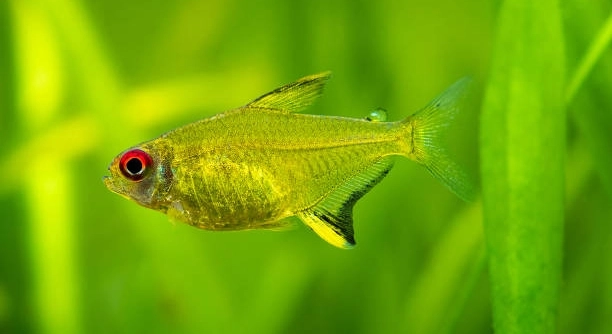
Lemon tetras are small, lively fish that brighten any freshwater aquarium. They are sensitive to sudden changes in their surroundings, which can cause noticeable stress or fear responses even in familiar tanks.
Lemon tetras react instantly to sudden movements, loud noises, overcrowding, aggressive tankmates, poor water quality, abrupt lighting changes, and unfamiliar objects. Each of these factors can trigger immediate flight responses or hiding behaviors in these fish.
Recognizing these triggers can help maintain a calm and healthy environment for your lemon tetras. Paying attention to these details ensures they stay vibrant and active in your aquarium.
Sudden Movements
Lemon tetras are highly alert and can be startled by any sudden motion near the tank. Even quick hand movements while feeding or cleaning can trigger rapid swimming or hiding. They rely on stable surroundings to feel secure, so abrupt gestures disrupt their sense of safety. Fish use their lateral line to detect vibrations, which makes sudden movement particularly stressful. Over time, repeated startle responses can lead to chronic stress, affecting their appetite and overall health. Avoid leaning over the tank or tapping the glass, as these actions create unexpected vibrations. Smooth, slow movements help your lemon tetras feel more relaxed and reduce unnecessary stress responses. Maintaining a calm approach in the aquarium ensures that they can swim naturally and display normal behaviors. Observing your fish calmly allows you to notice subtle changes in their health, activity levels, or social interactions without frightening them.
Sudden movements in the tank can make lemon tetras dart or hide instantly. Consistent, gentle handling keeps them calm.
Keeping movements slow and deliberate minimizes fear responses and supports a stable, healthy environment for your fish.
Loud Noises
Lemon tetras have sensitive hearing and are disturbed by loud or sudden noises near the aquarium. Vibrations caused by slamming doors, clanging objects, or even loud conversations can make them scatter and seek shelter. They rely on a quiet environment to feel secure and maintain normal swimming patterns. Sudden sounds trigger the same fight-or-flight instincts seen in wild fish. Overexposure to noise may result in prolonged stress, affecting growth, coloration, and immunity. Reducing noise in the room or placing the tank in a low-traffic area helps minimize these stressors. Soft background sounds, like gentle water flow, are usually not alarming and can even be comforting. By observing how lemon tetras respond to various sounds, you can adjust the environment to support their well-being. A calm atmosphere allows them to interact naturally and reduces the likelihood of injury from panic swimming.
Loud noises cause immediate stress and erratic swimming in lemon tetras. Controlling sound levels preserves their comfort.
Reducing environmental noise is crucial for maintaining a healthy aquarium. Lemon tetras respond poorly to sudden or consistent loud sounds, which can interfere with feeding and social behaviors. Consistently high noise levels may lead to weakened immune systems, poor coloration, and reduced activity. Tank placement in quieter areas and gentle maintenance practices ensure your fish remain calm. Creating a predictable, peaceful environment helps them establish territory and reduces constant hiding. Simple adjustments, like avoiding banging lids or clattering tools, can make a significant difference. Over time, a low-noise setting encourages normal schooling behavior, natural interactions, and steady growth. Observing their reactions to everyday sounds provides insight into their comfort and stress levels, enabling better long-term care.
Overcrowding
Too many fish in a tank make lemon tetras feel threatened and stressed. Limited space reduces swimming room, leading to constant skirmishes and hiding. Maintaining proper population density is essential for their comfort and health.
Overcrowding disrupts natural schooling behavior and increases competition for food and oxygen. Lemon tetras need room to swim freely and maintain their social structure. In confined spaces, stress hormones rise, which can lower immunity and make them more susceptible to disease. Overcrowded tanks often see frequent chasing, fin nipping, and erratic swimming, all signs of distress. Ensuring the tank size matches the number of fish allows them to move naturally and interact without constant tension.
Proper tank planning is vital. A spacious environment with hiding spots and plants helps lemon tetras feel secure. It supports normal activity, reduces stress, and promotes healthy growth. Providing enough room also minimizes conflicts with other fish and helps maintain clean, well-oxygenated water. Observing your fish’s behavior regularly ensures overcrowding issues are addressed before stress affects their health.
Aggressive Tankmates
Aggressive fish in the same tank can instantly scare lemon tetras. Quick attacks, chasing, or territorial displays force them to hide or dart around nervously.
Lemon tetras are peaceful and cannot defend themselves against aggressive species. Keeping them with compatible tankmates is critical to avoid constant fear and stress. Aggression causes physical injuries, reduces feeding opportunities, and disrupts schooling behavior. Stress from aggressive neighbors may also weaken their immune system over time, making them prone to illness.
Selecting calm, small fish reduces tension in the aquarium. Plants, decorations, and hiding spaces provide refuge, allowing lemon tetras to escape unwanted attention. Avoiding aggressive species ensures stable social dynamics and supports their natural schooling instincts. Observing interactions closely helps identify problematic fish early. Consistent monitoring and careful selection of tankmates maintain a safe, stress-free environment for lemon tetras, encouraging active swimming, healthy growth, and vibrant coloration.
Poor Water Quality
Dirty or unstable water can immediately stress lemon tetras. High ammonia, nitrite, or nitrate levels create a toxic environment that forces them to hide or swim erratically.
Regular water changes and proper filtration keep conditions stable. Testing water frequently ensures a safe and healthy environment for your fish.
Abrupt Lighting Changes
Sudden shifts from dark to bright light startle lemon tetras. Quick changes can cause them to dart to hiding spots, disrupting normal activity. Maintaining gradual lighting transitions prevents stress and supports natural behavior.
Unfamiliar Objects
New decorations or equipment can scare lemon tetras instantly. They may perceive unfamiliar items as threats, triggering hiding or rapid swimming. Introducing changes slowly and placing objects carefully helps them adjust without fear.
Temperature Fluctuations
Rapid temperature changes shock lemon tetras and affect their metabolism. Consistent water temperature is crucial to prevent stress and maintain overall health.
What are the main signs that lemon tetras are scared?
Lemon tetras show fear in clear, observable ways. They may dart quickly across the tank, hide behind plants or decorations, or huddle in corners. Schooling behavior can become erratic, and some fish may lose interest in food. Changes in coloration, like dulling of their bright yellow hue, can also indicate stress. Observing these signs early helps you identify what triggers their fear and allows you to adjust the environment before prolonged stress affects their health.
How can I reduce stress from sudden movements near the tank?
Slow, deliberate movements around the aquarium are key. Avoid leaning over the tank or tapping the glass. When feeding or cleaning, move your hands gradually and consistently. Over time, lemon tetras learn the patterns of daily activity and become less reactive. Creating a calm routine and maintaining predictable handling habits reduces sudden stress responses and promotes a stable, healthy environment for them.
Are aggressive tankmates always a problem for lemon tetras?
Yes, aggressive fish can create constant stress. Lemon tetras are peaceful and cannot defend themselves against chasing or territorial displays. Over time, aggressive neighbors can injure them, interfere with feeding, and disrupt natural schooling. Choosing calm, compatible fish and adding hiding spaces ensures a safe, stable environment that allows lemon tetras to swim naturally and display normal social behavior.
How does water quality affect fear in lemon tetras?
Poor water quality causes immediate stress. High levels of ammonia, nitrites, or nitrates create a toxic environment, making lemon tetras dart, hide, or appear lethargic. Maintaining proper filtration, performing regular water changes, and monitoring chemical levels reduces fear responses and supports overall health. Clean, stable water also helps preserve coloration, appetite, and immune function.
Can lighting changes really scare lemon tetras?
Yes, abrupt shifts from dark to bright light can startle them. Sudden lighting changes disrupt their sense of security, leading to rapid swimming or hiding. Gradual transitions in lighting, such as slowly turning on aquarium lights in the morning and dimming them at night, reduce fear and allow lemon tetras to maintain normal activity patterns.
Do lemon tetras react to loud noises?
They do. Loud sounds, including slamming doors or clattering objects, create vibrations that are stressful for lemon tetras. Frequent exposure to noise can weaken immunity and affect growth. Keeping the tank in a quieter area and avoiding sudden loud sounds helps maintain calm, normal behavior. Observing their reactions to everyday noises ensures adjustments can be made quickly to prevent chronic stress.
How should new objects be introduced to the tank?
Introducing decorations or equipment gradually prevents fear responses. Lemon tetras may perceive unfamiliar objects as threats and hide or swim erratically. Adding items slowly, placing them in corners first, and monitoring their reaction helps the fish adjust comfortably. Over time, they learn that new objects are not dangerous, reducing stress in the aquarium.
What role does temperature play in lemon tetra stress?
Rapid temperature fluctuations shock lemon tetras and disrupt metabolism. Consistent, moderate water temperature is essential for their comfort. Using a reliable heater and thermometer ensures stability. Gradual adjustments during seasonal changes or water changes prevent sudden stress, supporting healthy activity, feeding, and immune function.
Can overcrowding cause fear even in a well-maintained tank?
Yes, overcrowding increases stress regardless of water quality. Limited swimming space disrupts schooling, increases competition for food, and reduces hiding options. Lemon tetras may dart or hide more frequently in cramped conditions. Maintaining an appropriate fish-to-tank ratio ensures enough space for movement, interaction, and natural behavior while reducing chronic stress.
How long does it take for lemon tetras to calm down after a scare?
The recovery time depends on the trigger and frequency of stress. After a sudden scare, they may resume normal swimming within minutes, but repeated stress can take hours or days to resolve. Providing a calm, stable environment with proper tankmates, clean water, and predictable routines helps them regain comfort faster and reduces long-term stress effects.
This FAQ covers common triggers and practical solutions, offering a guide to keeping lemon tetras safe, calm, and active in a home aquarium environment.
Lemon tetras are small, peaceful fish that bring life and color to any freshwater aquarium. They are sensitive creatures that react quickly to changes in their environment. Their reactions, like darting, hiding, or schooling erratically, are natural responses to fear and stress. Understanding what scares them helps ensure they remain healthy and active. Factors like sudden movements, loud noises, overcrowding, aggressive tankmates, poor water quality, abrupt lighting changes, unfamiliar objects, and temperature fluctuations can all trigger immediate fear. Observing these behaviors closely allows you to identify which factors are affecting your fish and make necessary adjustments. By paying attention to their reactions, you can provide a stable and safe environment, which is essential for their long-term well-being.
Creating a calm aquarium starts with maintaining proper water quality. Lemon tetras thrive in clean, stable conditions, so regular water testing and filtration are critical. Even small changes in chemical levels can cause stress, affecting appetite, coloration, and immunity. Along with water maintenance, providing enough space and compatible tankmates helps reduce fear. Overcrowding or aggressive fish can create constant stress, while ample hiding spots and plants allow lemon tetras to escape when startled. Gradual changes in lighting, careful handling, and slowly introducing new decorations also prevent sudden stress. Each of these small steps contributes to a comfortable environment where lemon tetras can swim naturally, display normal schooling behavior, and remain active and healthy over time.
Consistency and observation are key to supporting lemon tetras in a home aquarium. They respond best to predictable routines, whether it is feeding, cleaning, or interacting near the tank. Avoid sudden noises, rapid movements, and abrupt environmental changes to keep them calm. Watching how they respond to different situations can give insight into their comfort levels, helping prevent long-term stress. By addressing potential fear triggers and creating a stable environment, lemon tetras can thrive and display their natural beauty. With careful attention to their needs and a thoughtful approach to their care, these small fish can live healthy, active lives, adding enjoyment and vibrancy to your aquarium for years to come.

Hello,
If you enjoy the content that we create, please consider saying a "Thank You!" by leaving a tip.
Every little bit helps us continue crafting quality advice that supports the health, happiness, and well-being of pets around the world, for pets of all shapes, sizes, and species.
We really appreciate the kindness and support that you show us!