
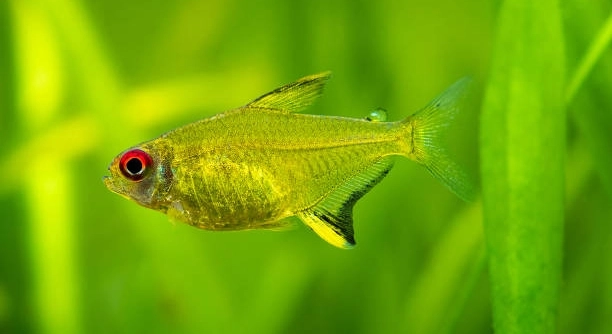
Lemon tetras are small, vibrant fish that bring life to any aquarium. Their bright yellow hue and active behavior make them appealing additions to school environments, encouraging observation and quiet enjoyment among students of all ages.
Keeping lemon tetras in schools provides educational and psychological benefits. These fish foster responsibility, enhance student engagement, and promote environmental awareness. Additionally, their low-maintenance nature ensures they are practical for classroom care without requiring extensive resources.
Observing these fish daily can create a calming atmosphere while teaching students about care, biology, and teamwork. Their presence adds both color and learning opportunities.
Bright Colors and Active Behavior
Lemon tetras are naturally bright and lively, making them instantly noticeable in any classroom aquarium. Their vivid yellow coloration adds energy to the space without being overwhelming. Watching their smooth movements through the water encourages focus and can subtly calm students during busy school hours. Their social behavior is also interesting to observe; they thrive in small groups, swimming together and interacting constantly. This provides a subtle lesson in teamwork and natural instincts, showing students the importance of balance and companionship. Even young children can enjoy simply watching them glide across the tank, creating moments of quiet reflection. The consistent activity of lemon tetras offers a simple form of entertainment while teaching observation skills. Students often develop gentle handling habits through caring for these fish, learning responsibility over time. Their small size and peaceful nature make them easy to integrate into classrooms, ensuring they do not cause distractions or require complicated maintenance.
Their bright appearance encourages students to notice details and engage more with their environment.
Regular observation improves attention, responsibility, and awareness while providing a lively, low-maintenance addition to the classroom ecosystem.
Low Maintenance Needs
Lemon tetras are easy to care for, which makes them ideal for school settings with limited time and resources.
These fish require minimal daily attention while thriving in basic aquarium setups. They eat simple diets, tolerate standard water conditions, and rarely face serious health issues. Teachers can involve students in feeding schedules and light cleaning tasks without overwhelming them, creating a structured routine that teaches consistency. Maintenance involves periodic water changes and monitoring temperature and pH levels, all of which are manageable in a classroom setting. Lemon tetras do not grow large, so their tanks remain compact and easy to manage, fitting well into small classroom spaces. Their durability reduces stress for both students and staff, while still offering opportunities for observation and learning. Having these fish allows classrooms to include a living component without demanding excessive resources or daily attention. This simplicity ensures the aquarium remains a positive addition rather than a burden, supporting educational goals while keeping students engaged.
Involving students in care tasks builds responsibility and confidence, encouraging respect for living creatures.
Over time, lemon tetras help students understand basic biology, ecosystems, and observation skills. Their presence encourages quiet focus and teaches patience, while allowing students to witness natural behaviors firsthand. A well-maintained tank demonstrates the balance of living systems, offering lessons in consistency, teamwork, and care. Observing their feeding habits, interactions, and swimming patterns provides subtle insights into biology and social behavior. The low-maintenance nature of lemon tetras ensures these lessons can be integrated smoothly into daily classroom routines without stress. Students gain hands-on experience with living animals, learning to respect and monitor their environment responsibly. Small groups of lemon tetras are ideal for classrooms, creating opportunities for students to collaborate, track behaviors, and understand the importance of maintaining clean habitats. The combination of simplicity, education, and calming presence makes lemon tetras highly suitable for school aquariums.
Educational Opportunities
Lemon tetras provide hands-on learning experiences. Students can observe behavior, understand ecosystems, and learn about care routines, making biology more tangible and engaging.
Watching their interactions in a group teaches lessons about social behavior, hierarchy, and natural instincts. Students notice patterns in swimming, feeding, and resting, which encourages critical observation skills. Recording these behaviors can be incorporated into classroom activities, supporting science projects or simple experiments. Students also learn about water quality, nutrition, and habitat needs. These small, manageable tasks make biology accessible without complicated equipment. Over time, students develop responsibility while deepening their understanding of living systems.
Participation in care routines also promotes collaboration. Students take turns feeding, cleaning, and monitoring the tank. This shared responsibility fosters teamwork, accountability, and attention to detail. Through these repeated tasks, children learn the importance of consistency in maintaining a healthy environment. Lemon tetras offer ongoing lessons in observation, patience, and care. Even minor mistakes, like overfeeding or neglecting water changes, provide teaching moments. These experiences allow students to see direct consequences of actions in a controlled, safe setting. Classroom involvement with lemon tetras can strengthen both scientific knowledge and practical life skills.
Stress Reduction
Classroom aquariums with lemon tetras create a calming atmosphere for students and teachers. Observing gentle swimming patterns helps reduce anxiety and promotes focus during lessons.
The subtle movement of these fish can have a surprisingly strong effect on mood. Students often pause to watch them during stressful periods, such as before tests or busy activities. This quiet observation can lower tension, reduce restlessness, and encourage mindfulness. Teachers also benefit from the presence of an aquarium, as it adds a visual break in the classroom and fosters a peaceful environment. Even a few minutes spent observing the tank can help reset attention spans and provide mental relief. The routine of feeding and caring for the fish offers a predictable, soothing task that helps both students and staff manage stress.
Lemon tetras also encourage empathy and emotional awareness. Caring for living creatures teaches children to consider the needs of others, which supports social development and emotional regulation. The visual appeal of their bright colors combined with smooth, rhythmic movement creates a natural focal point, promoting relaxation. Over time, students may develop a sense of attachment to the fish, learning patience and compassion as part of daily interactions. The aquarium serves as a consistent source of calm in an otherwise active classroom, helping maintain a balanced environment. Through observation and care, lemon tetras provide both educational and emotional benefits, enriching the overall classroom experience.
Social Interaction
Lemon tetras are naturally social and thrive in groups. Their schooling behavior encourages students to observe cooperation and group dynamics in a small, manageable ecosystem.
Watching them swim together demonstrates teamwork and coordinated movement. Students can learn how living beings interact and rely on each other to maintain balance and safety in their environment.
Visual Stimulation
Their bright yellow color and constant motion provide visual interest in the classroom. This stimulation can help keep students attentive and engaged during quiet activities.
Encourages Responsibility
Caring for lemon tetras teaches consistent responsibility. Students learn to maintain feeding schedules, monitor water quality, and ensure their environment stays healthy, building life skills through hands-on experience.
Compact Size
Lemon tetras remain small, making them ideal for classroom tanks. Their size allows easy observation without requiring large aquariums or complex equipment.
FAQ
How many lemon tetras should be kept together?
Lemon tetras are schooling fish, so they should be kept in groups of at least six. Smaller numbers can cause stress and reduce their activity levels. Larger groups display more natural behavior, making observation more engaging for students. Grouping them properly ensures a healthier, more active aquarium environment.
What kind of tank setup is best for lemon tetras?
A simple freshwater tank of at least 10 gallons is sufficient for a small school. Include a gentle filter, some plants, and hiding spots to mimic a natural environment. They prefer calm water and stable conditions. Regular water changes and monitoring temperature help keep them healthy.
What should lemon tetras eat in a classroom setting?
Lemon tetras accept flake food, micro pellets, and occasional frozen or live foods like daphnia. Feeding small amounts once or twice daily is enough. Overfeeding can pollute the water and harm the fish, so a light, controlled feeding routine works best for classrooms.
How do you maintain water quality for lemon tetras?
Regular water changes are essential. Replace about 20-25% of the water weekly while monitoring temperature and pH levels. A simple test kit helps ensure the tank remains safe. Clean the filter as needed, but avoid over-cleaning, which can disrupt beneficial bacteria.
Can lemon tetras live with other fish?
Yes, they are peaceful and can coexist with other small, non-aggressive species. Avoid larger or territorial fish that may stress or harm them. Choosing compatible tank mates allows students to observe diverse behaviors while maintaining a calm environment.
How long do lemon tetras typically live?
With proper care, lemon tetras can live 3 to 5 years in captivity. Stable water conditions, proper diet, and minimal stress contribute to a longer, healthier life. Teaching students about longevity reinforces responsibility and consistent care practices.
What signs indicate a lemon tetra is unhealthy?
Lethargy, faded color, clamped fins, or unusual swimming patterns can signal illness. Early detection and action, like adjusting water quality or consulting guidance resources, help prevent more serious issues. Observing daily allows students to notice changes and respond quickly.
How often should the tank be cleaned?
Partial water changes once a week are sufficient. Remove uneaten food and debris from the substrate regularly. Clean the filter lightly when needed, but avoid full disassembly too often, as it can disrupt beneficial bacteria. Consistent maintenance supports a stable, healthy tank.
Can students be involved in daily care?
Yes, students can feed the fish, monitor water conditions, and assist with minor cleaning. Assigning rotating tasks teaches responsibility, teamwork, and attention to detail. Simple routines fit well into the school day without overwhelming students or staff.
Do lemon tetras require special lighting?
Standard aquarium lighting is enough to support their health and accentuate their color. Avoid intense or direct sunlight, which can cause temperature fluctuations and algae growth. Proper lighting enhances observation and maintains a stable environment.
Are lemon tetras sensitive to temperature changes?
They prefer stable water between 72-78°F. Sudden shifts can stress the fish, so using a heater and monitoring temperature is recommended. Stable conditions help prevent illness and support natural behaviors, making the classroom aquarium more engaging and manageable.
How do lemon tetras behave in the tank?
They are active, peaceful swimmers who stay in groups. Observing their interactions teaches students about social behavior, hierarchy, and coordination. Their activity encourages daily observation and creates a calm, dynamic presence in the classroom.
Is it necessary to decorate the tank?
Yes, adding plants and small hiding spots helps them feel secure. Decorations also make the tank visually appealing and provide natural exploration areas. This setup supports both the fish’s well-being and educational observation opportunities for students.
How do you handle sudden health issues?
Isolate sick fish if needed and adjust water quality immediately. Mild issues often improve with small interventions, while persistent problems may require professional guidance. Quick action helps prevent the spread of illness to other fish and maintains a healthy classroom aquarium.
Can lemon tetras be kept long-term in schools?
Yes, with consistent care, stable conditions, and attention to health, they thrive for several years. Their low-maintenance needs and engaging behavior make them suitable for ongoing classroom observation and educational use. Proper care ensures they remain a positive learning tool.
Lemon tetras are small, bright fish that bring life to a classroom aquarium. Their active swimming and vibrant yellow color create a visually appealing environment that encourages observation and quiet attention. Watching these fish move together in schools can teach students about social behavior, group dynamics, and natural instincts. Their presence adds a calm and gentle atmosphere, helping balance the energy of a busy classroom. Over time, students learn to notice small details, track changes, and understand the basic needs of living creatures. Even short periods of observation can improve focus and provide a moment of relaxation during the school day. The combination of color, movement, and natural behavior makes lemon tetras a visually stimulating addition that captures attention without creating distraction.
In addition to visual appeal, lemon tetras are easy to care for, making them practical for a school setting. They do not require large tanks or complex equipment, and their diet is simple, including flake food and occasional small live or frozen foods. Maintaining water quality with weekly changes and monitoring temperature is manageable, allowing students to participate in care without overwhelming responsibility. Through these tasks, they learn responsibility, patience, and consistency. Rotating care duties among students can also encourage collaboration and teach accountability. Lemon tetras respond well to stable conditions, so keeping their environment clean and calm ensures they remain healthy and active. Their low-maintenance nature allows educators to integrate them into the classroom without creating additional stress or requiring constant supervision. This makes them ideal for introducing students to basic biology, ecosystems, and the importance of routine care.
Beyond education, lemon tetras provide emotional and social benefits. Their gentle, rhythmic movement can create a calming effect, reducing stress for both students and staff. Caring for a living creature encourages empathy and attentiveness, while the predictable routines of feeding and observation help develop mindfulness. Over time, students may develop a sense of attachment and pride in maintaining a healthy aquarium. The presence of lemon tetras also promotes teamwork, as students share responsibilities and observe interactions in a group setting. These experiences provide lessons that extend beyond science, including understanding the effects of consistent effort and the impact of small actions on the well-being of others. Overall, lemon tetras are a simple yet effective way to enhance the classroom environment, offering educational, emotional, and social value while remaining easy to manage and enjoy.

Hello,
If you enjoy the content that we create, please consider saying a "Thank You!" by leaving a tip.
Every little bit helps us continue crafting quality advice that supports the health, happiness, and well-being of pets around the world, for pets of all shapes, sizes, and species.
We really appreciate the kindness and support that you show us!