
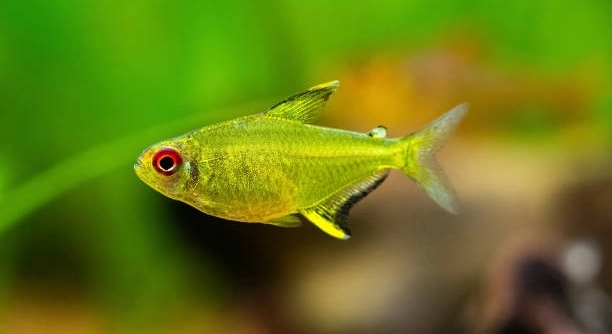
Have you noticed your lemon tetras swimming in circles or hiding more than usual? These small, bright fish are lively by nature, and changes in their behavior can reveal their mood and engagement in the tank environment.
Lemon tetras show signs of boredom through repetitive swimming, lethargy, and lack of interaction with tank mates or enrichment. Providing varied decor, plants, and occasional stimulation helps maintain their activity and overall well-being in captivity.
Recognizing these subtle behaviors early can improve your tetras’ quality of life and make your aquarium a more engaging environment for them.
Signs Your Lemon Tetras Are Bored
Lemon tetras can show boredom in subtle ways that are easy to miss. I’ve noticed mine sometimes swim in the same patterns for long periods or hover in corners without much activity. They may also ignore new additions to the tank or fail to explore decorations. Changes in appetite can occur too, with some fish eating less or picking at food absentmindedly. Bright colors may fade slightly, showing a lack of stimulation. A lack of interaction with tank mates is another common sign, as tetras are naturally social. When the environment lacks variety, these fish may appear sluggish or uninterested. Observing their behavior over several days can reveal patterns indicating boredom. Small adjustments, like adding floating plants, hiding spots, or rearranging decorations, can make a noticeable difference. Even minor changes can encourage more active swimming, exploration, and social behavior.
Providing mental stimulation for lemon tetras helps prevent stress-related health issues and improves overall activity levels.
Watching my lemon tetras respond to changes in the tank can be surprisingly rewarding. When I add a new plant or rearrange rocks, they explore different areas, chase each other more, and seem brighter and more engaged. Even small shifts in the environment can prompt renewed interest in the tank. Observing these changes makes it easier to see what activities or decorations they enjoy. I’ve found that rotating items or introducing occasional variations in their surroundings keeps them alert and active. Consistent interaction with their environment ensures they remain healthy and reduces the risk of boredom-related problems. Over time, their natural behaviors, like shoaling and exploring, become more evident. Monitoring and adjusting the tank setup can create a balanced environment that supports both social and individual behaviors. This approach has made caring for lemon tetras feel more dynamic and satisfying.
Simple Ways to Keep Them Engaged
Adding plants, rocks, or driftwood gives lemon tetras more areas to explore.
Introducing enrichment can dramatically improve a tank’s dynamics and fish behavior. Fish respond well to changes in their environment, and even small adjustments, like adding new hiding spots or varying the arrangement of existing decorations, can increase activity levels. Providing floating plants encourages natural swimming patterns, while dense vegetation offers places to retreat and explore. Rotating decorations periodically prevents the environment from becoming predictable, keeping fish mentally stimulated. Some tetras enjoy gentle water flow changes, which mimic natural currents. Occasional interaction, like placing small amounts of food in different tank areas, encourages exploration and natural foraging behaviors. Maintaining proper lighting and ensuring water quality are also important, as a healthy environment supports curiosity and active behavior. Overall, consistent attention to environmental variety and tank enrichment helps prevent boredom, promotes social behaviors, and ensures your lemon tetras remain lively and healthy over time.
Monitoring Behavior Changes
I noticed that my lemon tetras start showing unusual patterns when bored. They often linger in one area or repeat the same swimming route. These small signs help me understand when it’s time to adjust the tank or introduce new enrichment.
Keeping track of daily behavior is important. I watch for shifts in swimming, feeding, and social interaction. When tetras become less active or ignore tank mates, boredom is likely. Small adjustments, like adding plants, rearranging decorations, or introducing mild currents, can re-engage them. Noting these patterns over weeks helps me plan changes that maintain their natural activity and prevent stress, which is essential for their long-term health.
I also pay attention to their shoaling behavior. Lemon tetras are naturally social, and a bored fish may separate from the group. Observing how they interact with each other helps me understand their mental state. By providing variety and consistent environmental stimulation, I see them swim actively, explore, and stay healthy, reducing the risk of lethargy and stress-related illnesses.
Environmental Enrichment Tips
Floating plants and small hiding spots give tetras new areas to explore and interact with. They respond well to small changes.
Rearranging tank decorations or adding new objects keeps the environment dynamic. Lemon tetras enjoy exploring tunnels, plants, or shaded corners. Adjusting placement every few weeks stimulates natural curiosity, encouraging them to swim actively and investigate. Introducing occasional changes in water flow, like a gentle current, mimics natural conditions and promotes exploration. Feeding strategies, such as scattering small amounts of food in different spots, also create foraging opportunities. By observing how tetras respond to these modifications, I can identify what engages them most, ensuring they remain mentally active. Regularly updating the tank setup helps maintain their social interactions and natural behaviors, preventing boredom from setting in.
Feeding and Interaction
I noticed my lemon tetras become more active when food is scattered in different areas. They explore more and seem curious about small changes in feeding routines. This simple adjustment keeps them engaged and encourages natural foraging behavior in the tank.
Offering varied food types, like flakes, frozen, or live options, adds stimulation. The fish respond differently to each type, exploring and chasing more actively. Mixing feeding locations and times prevents them from anticipating food too rigidly, which reduces repetitive patterns. These small variations have made a noticeable difference in their overall activity, keeping them healthier and more alert.
Tank Arrangement Changes
Rearranging decorations slightly every few weeks keeps tetras curious. New paths and hiding spots encourage exploration and active swimming.
Observing Social Behavior
Lemon tetras naturally shoal, so interactions with tank mates reveal boredom. A fish that isolates itself or swims sluggishly may need more engagement.
FAQ
How can I tell if my lemon tetras are bored?
Bored lemon tetras often swim in repetitive patterns, linger in corners, or show less interest in their tank mates. They may ignore food, explore less, or appear sluggish. Observing these behaviors consistently over a few days helps identify when they need more stimulation or environmental changes.
What are simple ways to prevent boredom?
Adding live or artificial plants, small hiding spots, and rearranging decorations periodically keeps them engaged. Introducing mild water currents or varying feeding locations encourages natural foraging. Even small changes in the tank layout or rotation of items provide new areas to explore, helping maintain their activity.
Does tank size affect boredom?
Yes, a small or overcrowded tank can contribute to boredom. Lemon tetras need space to swim and shoal comfortably. Providing adequate room and maintaining water quality are essential. A larger, well-decorated tank allows for more natural behaviors and keeps fish active and healthy.
Can boredom impact their health?
Boredom can lead to stress, which affects appetite, immune function, and coloration. Stressed fish may hide excessively or show slower movements. By keeping the environment stimulating, including varied plants, decorations, and feeding practices, you reduce stress and support overall health and social behavior.
How often should I change tank decorations?
Small changes every few weeks are effective. Shifting plants, rocks, or ornaments creates new exploration routes. Sudden large changes can stress fish, so gradual adjustments are best. Rotating items helps maintain curiosity while supporting their natural routines and social interactions.
What types of food keep them engaged?
Mixing flakes, frozen, and live food encourages activity. Scattering food in different areas promotes natural foraging and reduces repetitive swimming. Observing which foods trigger the most exploration helps identify what stimulates your tetras most effectively, keeping them active and lively.
Can tank mates influence boredom?
Yes, social interaction is crucial. Lemon tetras are shoaling fish, and being alone or with incompatible species may reduce activity. Ensuring they have compatible tank mates enhances engagement, encourages natural behavior, and prevents social stress or isolation.
How do I know if changes are working?
Observe swimming patterns, color vibrancy, and interactions. Active exploration, frequent social behavior, and healthy appetites indicate effective environmental enrichment. Tracking these changes over time helps ensure your adjustments are making a positive difference in their mental and physical well-being.
Are there signs of stress besides boredom?
Stress may show as rapid breathing, clamped fins, or hiding excessively. While boredom can cause mild lethargy, consistent stress signs require checking water quality, temperature, and compatibility. Addressing these factors alongside enrichment keeps tetras happy and healthy.
Can lighting affect activity?
Yes, proper lighting encourages natural behavior. Too dim or too bright conditions can reduce activity. Mimicking day-night cycles and adjusting intensity to support plant growth and natural rhythms helps maintain engagement and overall tank health.
Is it okay to leave them alone for a few days?
Short absences are usually fine if feeding is managed with automatic feeders or pre-measured portions. However, consistent environmental stimulation and monitoring are important. Extended periods without enrichment can increase boredom and reduce activity levels.
Can rearranging plants stress the fish?
Gradual changes are usually well tolerated. Sudden, large alterations may cause temporary stress. Moving a few items at a time or introducing new plants slowly ensures curiosity and exploration without causing fear or hiding behavior.
How many tetras should be in a tank?
A small group of at least six is recommended. Smaller numbers may reduce social behavior and lead to isolation. Proper shoaling supports natural swimming patterns, reduces boredom, and encourages interaction with tank mates and the environment.
Does water flow help reduce boredom?
Yes, gentle currents mimic natural conditions and encourage swimming. Alternating flow patterns or using a mild filter creates movement in the tank, which stimulates activity and exploration without overwhelming the fish.
How do I keep monitoring simple?
Short daily observations of swimming patterns, feeding behavior, and interactions are enough. Keeping notes or photos helps track changes over time, making it easier to spot boredom or stress and respond with adjustments to the tank environment.
Can enrichment replace social interaction?
Enrichment helps but does not replace companionship. Lemon tetras rely on shoaling for mental stimulation. Decorations, plants, and feeding variations enhance engagement, but proper group sizes remain crucial for social and behavioral health.
Is it necessary to change enrichment often?
Yes, variety keeps tetras interested. Rotating plants, rocks, and hiding spots every few weeks maintains curiosity. Too much repetition can reduce activity, so occasional changes ensure they continue exploring and engaging naturally in their environment.
Do different tetras react differently to boredom?
Individual behavior varies. Some may become lethargic, while others repeatedly swim or hide. Observing each fish helps determine which enrichment strategies are most effective and supports the needs of both social and more independent individuals.
Can boredom affect breeding behavior?
Yes, stressed or unstimulated fish may show reduced breeding interest. Providing proper tank conditions, space, and enrichment encourages natural courtship and spawning behavior. A lively, engaging environment supports healthy reproduction and social interactions.
How long does it take for enrichment to show results?
Changes are often noticeable within days to a week. Increased exploration, interaction, and appetite indicate effective enrichment. Continuous observation ensures strategies remain effective, allowing adjustments to maintain long-term activity and prevent boredom.
Is it better to rearrange everything at once or gradually?
Gradual changes work best. Small, incremental adjustments minimize stress while encouraging curiosity. Sudden large rearrangements can frighten fish, causing hiding or avoidance. Step-by-step enrichment promotes natural exploration without disrupting routines.
Can boredom cause aggression?
Yes, under-stimulated tetras may chase or nip tank mates. Adding environmental complexity, hiding spots, and proper group sizes reduces tension and prevents aggressive behavior while maintaining a calm and engaging tank environment.
Are there signs that enrichment is too much?
Overloading the tank with new decorations or intense currents can stress fish. Signs include hiding, rapid breathing, or reduced feeding. Introducing changes gradually ensures stimulation without overwhelming the fish or disrupting their social behavior.
How do I balance consistency with enrichment?
Maintaining stable water quality, temperature, and feeding schedules provides a sense of routine. Small, periodic changes in the tank environment keep tetras engaged while preserving essential stability for health and natural behavior patterns.
Can boredom affect lifespan?
Chronic stress and inactivity can weaken immune systems, reduce appetite, and make fish more susceptible to disease. Proper enrichment, social interaction, and environmental care help support long-term health and longevity in lemon tetras.
What is the easiest enrichment for beginners?
Adding plants, rocks, or floating decorations is simple and effective. Rotating placement or adding small variations every few weeks keeps fish engaged without complicated setup or equipment, making it ideal for new aquarists wanting to prevent boredom.
How do I know if I’ve overdone enrichment?
Watch behavior closely. Signs of stress, hiding, or erratic swimming indicate too much stimulation. Balance is key—gradual, thoughtful changes maintain curiosity without overwhelming the fish, supporting active, healthy, and natural behavior patterns in the tank.
Can boredom cause illness?
Indirectly, yes. Boredom can increase stress, which weakens immunity and may trigger health issues. Providing a stimulating, well-maintained environment reduces stress, encourages natural activity, and helps prevent illness in lemon tetras.
How important is water quality for engagement?
Very important. Poor water quality reduces energy, appetite, and curiosity. Regular maintenance, proper filtration, and consistent testing ensure fish remain active and responsive to enrichment, supporting mental and physical health.
Can temperature changes affect boredom?
Stable temperatures within the ideal range are important. Sudden fluctuations can cause stress, reducing activity and exploration. Consistent warmth helps maintain energy levels, supporting engagement with tank features and social interactions.
Are live plants better than artificial ones?
Both types provide stimulation, but live plants offer natural movement, oxygenation, and microhabitats. Artificial plants still give hiding spots and exploration areas. Combining both can create variety while maintaining practicality for tank care.
How do I handle a suddenly inactive tetra?
Check water quality, temperature, and tank mates first. Introduce small enrichment changes and observe over several days. Gradual adjustments often revive activity, indicating that stimulation or environmental factors were affecting their behavior.
Can lighting schedule influence activity?
Yes, simulating natural day-night cycles helps regulate energy and activity. Consistent lighting supports normal behavior, encourages exploration, and prevents lethargy caused by either excessive or insufficient light exposure.
Is it normal for some tetras to remain less active?
Individual differences exist. Some tetras naturally explore less or stay near the bottom. Monitoring them ensures health and prevents isolation from the shoal. Gradual enrichment can encourage activity without forcing behavior changes that stress the fish.
What long-term strategies prevent boredom?
Regularly monitor behavior, rotate decorations, provide varied food, maintain social groups, and ensure proper water quality. Small, consistent adjustments support curiosity, activity, and social interaction, keeping lemon tetras engaged and healthy throughout their lives.
How do I make enrichment sustainable?
Choose durable decorations, plan gradual changes, and maintain stable water conditions. Combining social interaction, natural foraging, and varied tank features ensures continuous stimulation without excessive effort or frequent disruptive changes.
Final Thoughts
Lemon tetras are small, active fish that thrive in an environment that keeps them mentally and physically engaged. Over time, I have learned that their behavior is closely linked to the setup of the tank, the presence of tank mates, and the variety of their surroundings. When fish swim in repetitive patterns, hide for long periods, or show little interest in food, it usually signals boredom or lack of stimulation. Observing these behaviors consistently over time is important. Noticing even small changes in swimming patterns, appetite, or interaction with other fish provides insight into their overall well-being. Making small adjustments, like adding plants or rearranging decorations, can have a significant impact on their activity levels. These simple steps help ensure that lemon tetras remain lively, engaged, and healthy, which makes caring for them more rewarding.
Creating a stimulating tank environment does not require complicated or expensive setups. I have found that a combination of live plants, rocks, floating decorations, and gentle water currents is often enough to encourage exploration and natural behaviors. Scattering food in different areas of the tank also encourages foraging and keeps them moving. Regularly observing social interactions within the shoal helps identify any fish that may be isolating themselves or showing signs of stress. Even minor rearrangements, like moving a rock or plant to a new location, can renew curiosity and activity. Maintaining clean water, stable temperature, and proper lighting supports all of these efforts. Over time, these small, thoughtful changes prevent boredom and contribute to overall fish health, helping lemon tetras display their natural colors and lively swimming patterns.
It is also important to remember that each fish is an individual, and their responses to environmental changes may vary. Some tetras may be more active or curious, while others may naturally be more reserved. Monitoring behavior and gradually introducing changes ensures that all fish remain comfortable and engaged. Overloading the tank with too many new decorations or intense water flow can cause stress, so balance is key. Consistent observation, minor adjustments, and attention to social dynamics help create a healthy and stimulating environment. Supporting natural behaviors, encouraging exploration, and maintaining social interactions all contribute to the long-term well-being of lemon tetras. By taking these steps, you can ensure your fish remain active, happy, and healthy, making the aquarium a more enjoyable and lively space.

Hello,
If you enjoy the content that we create, please consider saying a "Thank You!" by leaving a tip.
Every little bit helps us continue crafting quality advice that supports the health, happiness, and well-being of pets around the world, for pets of all shapes, sizes, and species.
We really appreciate the kindness and support that you show us!