
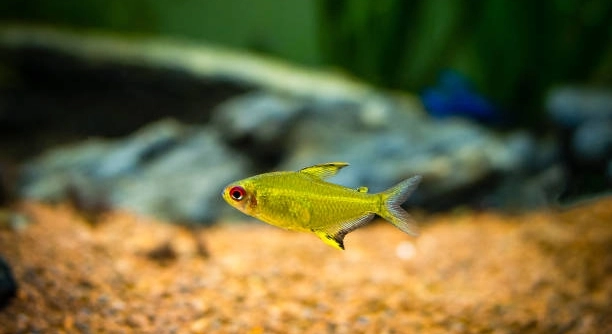
Lemon tetras are small, peaceful fish that brighten up any freshwater aquarium. Many hobbyists enjoy watching their playful movements and colorful bodies. Feeding time can be fun, but it sometimes reveals unexpected behavior.
Lemon tetras can occasionally show food aggression, especially when kept in small groups or underfed. Competition for limited food can trigger chasing or nipping, but with proper feeding and sufficient tank space, these behaviors are usually minimal and manageable.
Learning how to manage feeding routines and group sizes can help maintain harmony in your aquarium and keep your tetras healthy and stress-free.
Understanding Food Aggression in Lemon Tetras
Food aggression in lemon tetras usually shows as chasing, nipping, or pushing other fish aside during feeding. This behavior is more common in small tanks or when fish are underfed. In my experience, it often occurs when there is competition for food or when the fish feel crowded. Watching them carefully during feeding can reveal which fish are dominant and which are more timid. Adjusting feeding routines, such as spreading food across the tank, can reduce stress and aggression. Ensuring there are enough hiding spots or plants also helps less aggressive fish avoid constant harassment. Over time, lemon tetras generally settle into a pattern where food aggression becomes less frequent. Observation and small changes in tank setup or feeding amounts can make a big difference in maintaining a peaceful environment. Keeping the group size balanced also prevents one fish from monopolizing food.
Feeding smaller amounts more often often calms aggressive behavior and keeps all fish healthier.
Creating a feeding plan and observing interactions can reduce aggression over time. You can measure the effects by watching how quickly each fish eats and whether there is chasing or nipping. Rotating feeding spots, using sinking pellets, or providing floating flakes can ensure all fish access food. Plants, rocks, or decorations give shy fish areas to retreat, helping them avoid stress. In some cases, adding a few more tetras can spread out attention and reduce competition, as aggression often focuses on the smallest or weakest fish. Overfeeding should be avoided because it can cause water quality problems, which in turn increases stress and aggression. The key is balance: enough food for everyone, space for retreat, and consistent observation. By noticing patterns and making small adjustments, aggression can be minimized, allowing lemon tetras to feed calmly and maintain a peaceful community tank.
Preventing Aggressive Feeding Habits
Adjusting tank conditions and feeding methods is essential for calmer tetras.
Using the right group size, feeding spread, and tank decorations can help prevent food aggression. Observing behavior during feeding, providing multiple feeding spots, and keeping water quality stable all contribute to a peaceful environment. Consistent care reduces stress and ensures all tetras get proper nutrition.
Signs of Food Aggression
Lemon tetras may dart at tank mates, chase others away from food, or quickly grab pellets before anyone else can. These behaviors are subtle at first but can become more obvious if not addressed with proper feeding and tank management.
Food aggression often develops when dominant fish feel threatened or when the group is too small. I’ve noticed that tetras in tanks under 10 gallons tend to show more chasing during feeding. Even in larger tanks, sudden changes in feeding schedule or food type can trigger brief aggression. Observing interactions during feeding can help identify which fish are consistently aggressive and which are stressed, allowing for timely adjustments in tank setup or feeding methods.
Sometimes aggression appears only with certain foods. Floating flakes may trigger chasing, while sinking pellets allow timid fish a chance to eat. Spacing food around the tank and adding plants or decorations creates areas for shy tetras to retreat. Over time, with careful observation and consistent routines, most lemon tetras adjust, and food aggression becomes much less frequent.
Managing Aggression Through Tank Setup
Proper tank layout significantly reduces food aggression among tetras.
Plants, rocks, and hiding spaces create areas where timid fish can escape aggressive peers. I’ve seen tetras in well-decorated tanks feed calmly, with minimal chasing. Adding vertical and horizontal cover helps distribute fish and reduces competition.
Adjusting group size also matters. A larger school of six to ten tetras spreads attention and lowers targeting of weaker fish. Feeding methods influence behavior as well: distributing food in multiple spots or using both floating and sinking foods ensures everyone gets a share. Tank size plays a role, too—smaller tanks increase stress and competition, while spacious tanks allow natural schooling behavior without conflict. Combining thoughtful feeding, decorations, and appropriate numbers creates a balanced, peaceful environment where lemon tetras can thrive and enjoy mealtime without stress.
Feeding Techniques to Reduce Aggression
Spreading food across the tank helps all tetras access it without competition. I’ve noticed that scattering flakes or pellets reduces chasing and keeps shy fish from being bullied during mealtime.
Offering smaller portions multiple times a day keeps fish calm and prevents sudden bursts of aggression.
Observing Group Dynamics
Some lemon tetras are naturally more dominant. Watching which fish repeatedly chase others can help identify patterns. Adjusting group composition or tank space can prevent ongoing stress and maintain a peaceful feeding environment for the entire school.
Role of Water Quality
Poor water quality increases stress, which can make tetras more aggressive. Regular water changes, proper filtration, and monitoring parameters keep fish healthy and less prone to chasing or nipping. Maintaining stable conditions helps everyone feel secure.
Choosing Compatible Tank Mates
Selecting peaceful, similarly sized fish reduces competition. Aggression is minimized when all species in the tank have similar feeding habits and temperaments.
FAQ
Can lemon tetras become aggressive over food?
Yes, lemon tetras can show mild food aggression, especially in small groups or crowded tanks. I’ve seen them chase or nip others when food is limited. With proper feeding routines and adequate space, these behaviors are usually short-lived and manageable.
How many lemon tetras should I keep together?
Keeping at least six to ten tetras helps spread out any aggressive behavior. In smaller groups, dominant fish may target weaker ones during feeding. I usually recommend a minimum of six to ensure schooling behavior and reduce competition.
What feeding methods work best to prevent aggression?
Scattering food in different areas of the tank and using both floating flakes and sinking pellets helps all fish access food. I feed smaller portions multiple times a day, which keeps everyone calmer and reduces chasing during feeding.
Do tank decorations help with aggression?
Yes, plants, rocks, and hiding spots give shy fish a place to retreat. I’ve seen tetras feed more peacefully when there are plenty of spots to hide. Decorations also break up sight lines, so dominant fish can’t chase constantly.
Can aggressive behavior indicate illness?
Sometimes. If a normally calm tetra suddenly becomes aggressive, it could be stress or illness. I always check water quality and monitor for symptoms like clamped fins, lethargy, or unusual swimming. Addressing health issues often calms aggressive behavior.
Does tank size affect food aggression?
Definitely. Smaller tanks increase competition and stress, making aggression more likely. In larger tanks, fish have space to school naturally and spread out during feeding. I recommend a minimum of 10 gallons for a small school, with more space for larger groups.
Should I separate aggressive fish?
Only if aggression is severe and constant. I try adjusting feeding methods, decorations, or group size first. Separating fish is a last resort, but it can prevent injury or stress if a particular fish dominates consistently.
Can I mix lemon tetras with other species?
Yes, peaceful, similarly sized fish are best. Aggression increases if tank mates are slow or very small, making them targets. I usually pair lemon tetras with other small tetras or calm community fish to maintain harmony.
How often should I feed lemon tetras?
I feed them two to three small meals a day. Smaller, frequent feedings reduce stress and prevent dominant fish from rushing food. Overfeeding should be avoided because leftover food can spoil water quality and trigger more aggressive behavior.
Will aggression decrease over time?
Yes, often. Once a stable group, feeding routine, and tank layout are established, most lemon tetras settle into a pattern. I’ve noticed that aggression decreases after a few weeks, especially when shy fish have hiding spots and food is spread evenly.
How can I tell if food aggression is normal or serious?
Mild chasing during feeding is normal, but constant nipping or stress signs like torn fins or hiding indicate serious aggression. I monitor interactions carefully and adjust feeding or decorations to keep all fish safe and stress-free.
Is there a specific type of food that reduces aggression?
Variety helps. I rotate between flakes, micro pellets, and occasional frozen foods. Providing a mix ensures all fish get nutrients without causing fights. I’ve found that sinking foods help shy tetras eat without being chased.
Can lemon tetras harm each other due to food aggression?
Yes, if left unchecked. Persistent nipping can injure fins or stress weaker fish. I make sure to spread food, provide hiding spots, and keep group sizes adequate to minimize harm. Observing them closely helps prevent serious problems.
Do water changes influence aggression?
Regular water changes stabilize water quality and reduce stress, which can lower aggression. I keep parameters consistent, changing 20-25% of the water weekly. Clean, stable water helps all tetras feel secure and feed calmly.
How long does it take for aggression to settle?
It varies, but generally a few weeks after establishing feeding routines, tank layout, and proper group size. I monitor daily and adjust as needed, noting that shy fish gradually gain confidence and aggression decreases naturally.
Can stress from other sources trigger food aggression?
Yes, noise, sudden lighting changes, or overcrowding can make tetras more competitive for food. I keep the environment stable and calm, which helps reduce unnecessary chasing during meals.
What should I do if aggression persists?
Review group size, feeding techniques, tank layout, and water quality first. If aggression continues, consider adding more tetras or temporarily separating dominant fish. Observation and small adjustments usually solve most issues without drastic measures.
Are certain lemon tetras naturally more aggressive?
Some individuals are slightly more assertive, but environment and tank conditions play a bigger role. I focus on creating a balanced environment, which helps even naturally dominant fish behave calmly during feeding.
Does temperature affect aggression?
Extreme temperatures can stress fish and increase aggression. I keep tanks between 72-78°F, which is ideal for lemon tetras. Stable temperature contributes to calm feeding behavior and overall health.
Can lighting influence feeding behavior?
Bright or sudden lighting can startle tetras, making them dart and compete aggressively. I use soft, consistent lighting and introduce changes gradually to maintain a peaceful feeding routine.
Is it okay to feed only once a day if aggression is an issue?
Feeding once a day may increase competition, as fish rush to get food. I’ve found that splitting meals into smaller portions twice or three times a day keeps aggression lower and ensures all tetras eat adequately.
How important is observing daily behavior?
Observation is key. Watching how fish interact during feeding helps identify early signs of aggression or stress. I note patterns and make small adjustments to feeding and tank layout, which prevents problems from escalating.
Can adding plants reduce long-term aggression?
Yes, plants provide cover and break line-of-sight, which reduces stress and chasing. I make sure there are both tall and low plants so all fish can find refuge during feeding or when feeling threatened.
Do I need to change food type if aggression occurs?
Sometimes. I rotate flakes, pellets, and frozen foods to prevent dominance over a single food source. Offering variety ensures all tetras can eat without constant competition.
Are there signs that aggression is hurting fish?
Look for torn fins, stress marks, hiding constantly, or reluctance to eat. I intervene if I notice any of these signs, adjusting feeding or providing more space to protect all fish.
Can aggression be completely eliminated?
Not entirely, but it can be managed. With proper tank size, group numbers, feeding techniques, and hiding spots, aggression is minimized. I’ve seen most lemon tetras feed peacefully once the environment is balanced.
Is it better to add more tetras to reduce aggression?
Yes, adding a few more can disperse attention and reduce targeting of weaker fish. I usually keep at least six tetras, adding more if chasing is frequent, which spreads out competition.
Do aggressive tetras calm down with age?
Often, yes. As tetras mature, they settle into established hierarchies. I’ve noticed that once the group is stable and feeding routines are consistent, most food aggression decreases naturally over time.
Should I separate tetras by size?
Only if there is a noticeable size difference causing constant bullying. Ideally, all tetras are similar in size, which reduces competition and keeps feeding peaceful. I prefer adjusting group size and feeding methods before separating.
How can I tell if aggression is due to food or other stress?
Observe if chasing happens mainly during feeding. If aggression occurs at other times, it may be stress from tank conditions, overcrowding, or water quality. I always check the environment before blaming food alone.
Can live food trigger more aggression than flakes?
Yes, live food can increase competition because it moves quickly and attracts attention. I sometimes mix live food with flakes to ensure timid fish have a chance to eat without being chased.
Do dominant fish eat more than their share?
Often, yes. Dominant lemon tetras may rush to grab the majority of food. I spread food in multiple locations and provide smaller portions to ensure all fish eat adequately without causing stress.
Is monitoring aggression more important in smaller tanks?
Absolutely. Smaller tanks increase competition and stress. I pay closer attention to interactions in tanks under 10 gallons and make adjustments in feeding or decorations to maintain a calm environment.
Can changing water flow help reduce aggression?
Yes, gentle water flow prevents stagnant areas and encourages natural schooling. I adjust filters to create light currents, which helps distribute fish evenly and reduces crowding at feeding spots.
Are there signs that shy fish are not getting enough food?
Yes, timid tetras may appear thinner, hide constantly, or wait until dominant fish leave before eating. I watch feeding closely and adjust food placement to ensure everyone eats.
Can pairing lemon tetras with too many aggressive species increase food fights?
Yes, aggressive tank mates can trigger chasing and stress. I choose peaceful species with similar feeding habits to maintain calm and prevent conflicts during mealtime.
How often should I reassess feeding routines?
Regularly, especially after adding new fish or changing tank layout. I observe interactions weekly and tweak feeding methods, portions, or locations to keep aggression under control.
Does tank lighting schedule affect feeding aggression?
Yes, consistent lighting helps fish anticipate feeding times calmly. Sudden lights on or off can startle tetras, leading to more competition during meals. I maintain a steady schedule to reduce stress.
Can overstocking a tank cause food aggression?
Definitely. Too many fish increase competition and stress, making chasing more frequent. I calculate the ideal number of tetras based on tank size to ensure everyone has space to feed comfortably.
Do lemon tetras fight over flakes or pellets more?
Both can trigger mild aggression, but floating flakes may lead to more chasing because dominant fish guard the surface. Sinking pellets give timid fish a chance to eat without being bullied.
How important is variety in diet to reduce aggression?
Variety ensures no single fish can dominate a preferred food source. I rotate flakes, pellets, and frozen foods, which keeps everyone satisfied and reduces competition during feeding.
Can aggression affect overall health?
Yes, persistent stress from chasing can weaken the immune system, slow growth, or reduce appetite. I address aggression early through tank adjustments and careful feeding to maintain healthy, happy tetras.
Is it normal for aggression to flare up occasionally?
Yes, occasional bursts during feeding or after tank changes are normal. I monitor these spikes and make minor adjustments rather than overreacting, allowing fish to settle naturally over time.
Can rearranging tank decorations help reduce aggression?
Yes, changing plant placement or adding new hiding spots can break up established dominance patterns. I use this method when a dominant fish repeatedly chases others during feeding, giving shy fish more security.
Do aggressive fish target the same individuals consistently?
Usually, yes. Dominant tetras often focus on the weakest or smallest fish. I watch these interactions and ensure there are enough hiding spots and food spread to protect targeted fish.
How long should I monitor new fish for aggression?
At least two to three weeks. New fish establish hierarchies during this time. I observe daily and adjust tank setup or feeding as needed to prevent ongoing conflicts.
Is it better to feed before or after turning on lights?
Feeding after lights are on is best. Fish are more alert and can feed calmly. I avoid feeding in darkness or immediately after sudden light changes to reduce chasing and stress.
Does adding floating plants help reduce surface aggression?
Yes, floating plants break sight lines and provide cover. I’ve noticed that tetras feed more peacefully when there are floating plants, as dominant fish cannot easily chase all others at the surface.
Can adjusting temperature slightly reduce aggression?
Minor adjustments within the ideal range (72-78°F) help maintain comfort. I’ve observed that stable temperatures keep fish calm, while fluctuations can trigger more competitive behavior during feeding.
Are aggressive interactions more common during certain times of day?
Yes, feeding times are when aggression peaks. I spread meals and observe behavior closely to ensure everyone eats without constant chasing.
Does adding live plants reduce overall stress?
Definitely. Live plants provide cover, reduce visibility of dominant fish, and improve water quality. I’ve seen calmer feeding behavior in tanks with abundant live plants compared to bare tanks.
Can juvenile lemon tetras show more aggression than adults?
Sometimes, younger tetras establish hierarchy early. I monitor juveniles closely and ensure there is enough food and space to prevent ongoing chasing as they grow.
Should I separate aggressive fish permanently?
Only if aggression is severe and consistent. Most issues resolve with feeding adjustments, decorations, or group size changes. I reserve permanent separation for extreme cases to avoid injury.
Is it normal for aggression to return after adding new fish?
Yes, introducing new fish can temporarily increase competition. I watch interactions carefully, spread food, and provide hiding spots to ease tension until the group settles.
How can I tell if shy fish are eating enough?
Look for signs of growth, energy, and coloration. I observe timid fish during feeding to ensure they access food and adjust placement if they are consistently left out.
Does changing food type reduce aggression immediately?
Not always. It may help over time by distributing interest, but spacing, group size, and tank setup also play a bigger role in minimizing chasing and stress.
Can high-protein foods increase aggression?
Yes, fish may compete more over protein-rich foods. I balance diet with flakes, pellets, and occasional frozen items, which satisfies all fish and prevents excessive chasing.
Is it better to feed in multiple small sessions?
Yes, feeding two to three smaller meals a day reduces bursts of aggression and ensures timid fish have a chance to eat without being rushed by dominant tetras.
Do dominant fish always eat first?
Typically, yes. Dominant tetras grab food first. I counter this by scattering food in multiple locations and providing sinking options so shy fish can eat safely.
Can aggression cause long-term stress?
Yes, chronic chasing or bullying can weaken immune systems and slow growth. I intervene early by adjusting tank conditions, feeding routines, or adding hiding spaces to protect all fish.
Do lemon tetras return to calm behavior after aggression?
Usually, yes. Once feeding routines, tank layout, and group size are stable, most lemon tetras settle into peaceful patterns. I’ve observed that shy fish gain confidence over time with consistent care.
Can introducing fast-moving tank mates trigger aggression?
Yes, active or fast fish may increase competition. I choose calm, similarly sized species to avoid triggering chasing and maintain harmony during feeding.
Does tank lighting intensity influence aggression?
Bright or fluctuating light can startle fish, leading to chasing. I keep lighting soft and consistent to promote calm feeding behavior.
Should I remove leftover food immediately?
Yes, leftover food can pollute water, increase stress, and encourage aggressive behavior. I remove uneaten flakes or pellets after feeding to maintain clean, healthy conditions.
Can feeding frozen or live food together reduce competition?
Yes, offering a mix gives timid fish a chance to eat without being chased. I alternate types to keep interest high and reduce dominance over one food source.
How important is hiding space for timid fish?
Crucial. Shy tetras need places to retreat to avoid chasing. I ensure both horizontal and vertical cover so all fish can feed and rest without stress.
Does aggression affect breeding?
Persistent aggression can stress potential breeders, reducing spawning success. I manage feeding, tank layout, and group size to ensure a peaceful environment for breeding pairs.
Can rearranging the tank reset aggression patterns?
Yes, small changes in decorations or plant placement disrupt dominance and reduce chasing. I use this method to give timid fish more access to food and reduce stress.
Do lemon tetras show aggression outside feeding time?
Rarely, but it can happen during overcrowding or stress. I monitor overall interactions to ensure aggression is limited mainly to feeding and doesn’t impact health.
Is it normal for aggressive fish to occasionally retreat?
Yes, even dominant fish will rest or explore other areas. I watch interactions to confirm aggression isn’t constant, which indicates a healthy balance in the group.
Can stress from water changes trigger temporary aggression?
Yes, sudden changes may startle tetras. I perform gradual water changes to minimize stress and prevent temporary spikes in chasing behavior during feeding.
How do I know if aggression is environmental or personality-based?
If aggression decreases after adjusting food distribution, tank size, or decorations, it’s environmental. Persistent aggression despite changes may be due to individual personality. I focus on environmental adjustments first to protect all fish.
Can adding floating food help shy fish?
Sometimes, yes. Floating food spreads the group, but timid fish may still be outcompeted by dominant tetras. I balance with sinking foods for safe access.
Does feeding at different heights reduce chasing?
Yes, providing food at surface, mid-water, and bottom allows all tetras to eat simultaneously. I’ve seen reduced aggression when multiple feeding zones are used.
Should I separate fish if chasing injures fins?
Yes, if injuries occur, temporary separation prevents worsening damage. I address the cause and adjust tank setup before reintroducing fish to ensure safety.
Can changes in tankmates affect aggression?
Absolutely. Adding or removing fish can temporarily change dynamics. I monitor behavior and adjust feeding or decorations to maintain balance.
Does water hardness influence aggression?
Not directly, but stable parameters reduce stress. I keep water conditions consistent, as fluctuations can indirectly increase competitive behavior during feeding.
Is aggression more common in young fish?
Yes, juveniles establish hierarchies early. I ensure adequate space, hiding spots, and small group feeding to prevent long-term issues.
Can feeding live plants or algae reduce aggression?
Yes, supplemental foods like algae wafers give timid fish an additional food source, reducing competition over main meals. I include small extras to keep everyone fed.
Do aggressive fish calm after hierarchy is established?
Yes, once dominance is clear, chasing decreases. I observe carefully and maintain feeding routines to support stability and reduce stress in the tank.
How long should I monitor for aggression after tank changes?
At least two to three weeks. I watch feeding and interactions daily to ensure any issues are addressed before they escalate.
Does feeding frozen food require special care to reduce aggression?
Yes, I thaw properly and spread portions to prevent dominant fish from monopolizing. Combining with flakes or pellets ensures timid fish can eat too.
Can adding more hiding spots help after aggression starts?
Definitely. Additional plants or decorations give targeted fish refuge and reduce stress. I use this method frequently to calm tense groups.
Is aggression more noticeable with bright-colored tetras?
Behavior isn’t dependent on color, but brighter fish may draw more attention. I focus on group size and feeding methods rather than appearance.
**Can stress from
Lemon tetras are generally peaceful fish, but food aggression can happen under certain conditions. I’ve seen it occur most often in small tanks or when the group size is too low. When there isn’t enough space or food is limited, some tetras may chase or nip at others to get their share. This behavior can seem alarming at first, but it is usually mild and manageable. By observing your fish closely during feeding, you can spot which ones are more dominant and which are more timid. This allows you to make small adjustments in feeding routines or tank setup to reduce stress for everyone. In my experience, most lemon tetras settle into a calm pattern once the environment is balanced and all fish have access to food without constant competition.
Managing food aggression comes down to a few key practices. First, the tank should be large enough for the school of tetras, with plenty of room for swimming and hiding. A group of six to ten tetras is usually ideal. Spreading food across multiple locations in the tank helps prevent dominant fish from monopolizing meals, while offering smaller portions multiple times a day keeps the feeding process calm. Plants, rocks, and decorations provide shy fish with cover and make it easier for them to eat without being chased. Stable water conditions, including proper temperature and regular changes, reduce stress, which also lowers aggression. By combining these measures, you create an environment where all tetras can eat comfortably, and chasing or nipping becomes rare.
Even with the best care, occasional bursts of aggression are normal, especially after changes like adding new fish, moving decorations, or altering the feeding routine. These moments usually pass as the fish adjust to the new conditions. Patience and observation are important, as aggression often decreases naturally once the tetras establish their hierarchy. If serious issues persist, minor adjustments such as adding more hiding spots, spreading food further, or temporarily separating overly dominant fish can help. Over time, with consistent care, lemon tetras can feed peacefully, grow healthy, and thrive in a well-maintained aquarium. Creating a calm, balanced environment benefits not only their feeding behavior but also their overall well-being and enjoyment of the tank.

Hello,
If you enjoy the content that we create, please consider saying a "Thank You!" by leaving a tip.
Every little bit helps us continue crafting quality advice that supports the health, happiness, and well-being of pets around the world, for pets of all shapes, sizes, and species.
We really appreciate the kindness and support that you show us!