
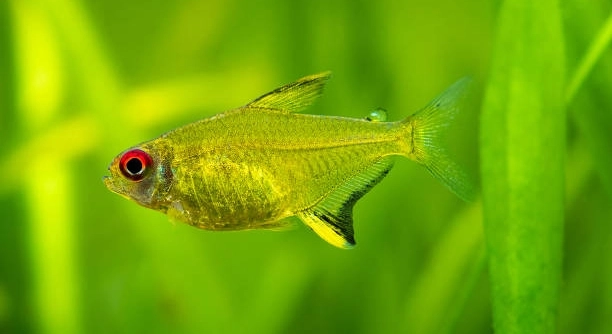
Lemon tetras are small, bright fish that often live in community tanks. They swim in groups and enjoy a peaceful environment. Many fishkeepers notice their behavior around other fish and wonder about their awareness.
Lemon tetras can recognize their tank mates through visual and social cues. They form small groups and adjust their behavior based on familiarity, showing preference for fish they interact with regularly while maintaining social harmony within the tank.
Observing their interactions can reveal subtle patterns and relationships. Learning about these behaviors can improve the overall harmony of your aquarium setup.
How Lemon Tetras Observe Their Tank Mates
Lemon tetras rely heavily on sight to understand their surroundings. They notice the colors, movements, and sizes of other fish. In a well-planted tank, they can distinguish between familiar and new fish over time. Observing other tetras and compatible species helps them feel secure. Small groups tend to swim together, often mirroring each other’s movements. This synchronized swimming reduces stress and signals social comfort. New tank mates can be approached slowly, allowing tetras to investigate without feeling threatened. They use subtle gestures, like fin movements and swimming patterns, to communicate. Over days or weeks, these fish can form bonds and recognize individuals. Familiarity with tank mates reduces sudden panic or aggression. Proper spacing and hiding spots in the tank allow for safe observation. Regular feeding schedules also create predictable interactions. In general, lemon tetras are careful and attentive, making social observation a key part of their behavior. Watching them can be calming and informative for anyone keeping an aquarium.
Recognition of tank mates develops gradually and helps tetras maintain stability in the aquarium.
By paying attention to these behaviors, fishkeepers can improve group cohesion. Offering plants and decorations for hiding, along with consistent feeding routines, creates a secure environment where lemon tetras feel comfortable. They are more likely to interact calmly, explore together, and avoid stress-related behaviors. The social dynamics become easier to read over time.
Signs Lemon Tetras Recognize Other Fish
Swim patterns and positioning indicate recognition. Lemon tetras often follow familiar fish more closely, showing preference without aggression.
They display several behaviors when they recognize tank mates. Swimming in coordinated groups, facing each other, and mirroring movements are all common signs. Aggression is minimal among familiar fish, while new arrivals may be observed from a distance first. Tetras use subtle signals, like fin flicks and small turns, to communicate intent and comfort. Over time, they may share feeding spots or swimming paths, indicating trust and awareness. Observing their interactions can help fishkeepers notice shifts in hierarchy or social comfort. Changes in behavior, such as hiding or avoiding specific individuals, reveal recognition and social preference. By understanding these patterns, you can create a balanced aquarium where all fish coexist peacefully. Adjusting tank setup, such as adding plants, open swimming areas, and shelters, supports natural behaviors. Recognition between fish enhances social stability and reduces stress, which benefits both tetras and their tank mates. A careful approach to introducing new fish ensures these social patterns continue without disruption.
How Tank Size Affects Recognition
A larger tank gives lemon tetras more space to observe and interact with each other safely. They can choose to approach or avoid certain fish, which helps them remember and recognize their tank mates. Crowded tanks can increase stress and reduce social recognition.
Tank size influences how tetras move and establish social groups. In a spacious tank, they swim in loose schools, monitoring each other from a distance and gradually learning familiar fish. Smaller tanks force closer contact, which can trigger stress or skittish behavior. Fish in well-sized tanks are calmer, show more natural swimming patterns, and are better able to recognize individuals. Extra space also allows hiding areas, which helps tetras observe without confrontation, improving social memory and reducing aggression.
A balanced tank size combined with proper decoration helps tetras form and maintain recognition. Open areas for swimming and plants for hiding create a secure environment, allowing them to interact naturally. Fish are less likely to become stressed or aggressive, which makes recognition of tank mates more consistent. Providing enough space benefits both behavior and long-term health, ensuring a peaceful community.
Feeding and Recognition
Feeding routines can strengthen recognition among tank mates. Fish associate consistent feeding with familiar companions, which encourages interaction and calm behavior.
When feeding is consistent, lemon tetras quickly learn who shares their space during meals. They observe which fish are nearby, how they move, and who waits or retreats. This behavior reinforces recognition, as fish link familiar faces with safe, predictable situations. Skipping or changing feeding routines can create confusion or stress, which may temporarily reduce social awareness. By keeping feeding schedules regular and predictable, tetras feel secure, increasing their ability to recognize other fish. Observing which fish swim together during feeding reveals social bonds and comfort levels.
Feeding practices also impact social hierarchy and recognition. Fish that eat together regularly form subtle bonds and maintain stable groupings. Providing multiple feeding points and small portions helps reduce competition and stress, allowing each tetra to interact safely with familiar companions. Over time, consistent feeding routines make recognition clearer, as tetras associate certain behaviors and positions with specific tank mates. Well-planned feeding supports calmer behavior, stronger social cohesion, and an overall healthier aquarium environment.
Social Hierarchy in Lemon Tetras
Lemon tetras form small social hierarchies within their groups. Dominant fish often lead swimming paths, while others follow or stay slightly behind. These roles are flexible and can shift over time.
Recognizing tank mates helps tetras understand their place in the group. Fish remember who is dominant or more passive, adjusting their behavior accordingly. Observing these interactions shows which tetras are confident and which prefer to stay near shelter. A stable hierarchy reduces conflict, allowing the group to swim and feed calmly.
Introducing New Fish
New fish are approached cautiously. Lemon tetras observe them from a distance before interacting, gradually learning their behavior and temperament.
Impact of Water Conditions
Stable water conditions help tetras maintain social recognition. Temperature, pH, and cleanliness all affect behavior, stress levels, and interactions.
Benefits of Group Living
Being in groups provides security. Tetras swim together, reduce stress, and more easily recognize familiar companions, enhancing their overall wellbeing.
FAQ
Do lemon tetras remember other fish?
Yes, lemon tetras can remember other fish in their tank. They use visual cues, swimming patterns, and social interactions to recognize familiar companions. Over time, they learn which fish are safe to approach and which to keep a distance from.
How long does it take for them to recognize new tank mates?
Recognition usually develops gradually. It can take several days to a few weeks for lemon tetras to feel comfortable with new tank mates. They observe movements, feeding habits, and social behavior before fully integrating into the group. Patience is important during this adjustment period.
Can lemon tetras distinguish between species?
Yes, they can tell the difference between species. They tend to respond differently to other tetras, similar small fish, and larger or more aggressive species. Their behavior is influenced by curiosity, perceived threat, and previous interactions with other species.
Do they form bonds with specific fish?
Lemon tetras show preference for certain companions, often swimming in small subgroups. These bonds are based on comfort and familiarity. Fish that are calmer or more predictable are often favored, while new or overly active fish may be avoided initially.
Does tank size affect recognition?
A larger tank allows more space for observation and interaction. Fish can choose when to approach others and have safe areas to retreat. Crowded tanks can create stress, making recognition harder. Proper space supports calmer behavior and clearer social relationships.
How do feeding routines influence recognition?
Consistent feeding schedules help tetras associate familiar faces with safe interactions. Fish that eat together regularly form subtle bonds and maintain predictable swimming patterns. Irregular feeding can cause confusion or stress, temporarily reducing their ability to recognize companions.
Do water conditions impact recognition?
Yes, water quality affects behavior and social awareness. Stable temperature, pH, and cleanliness reduce stress, allowing tetras to interact naturally. Poor water conditions can cause hiding, aggression, or lethargy, which interfere with recognition and overall group harmony.
Can lemon tetras recognize aggressive behavior?
They can detect and respond to aggression. Dominant or aggressive fish are often avoided, while calm fish are approached more freely. Recognizing behavior helps tetras maintain their place in social hierarchies and avoid unnecessary conflicts.
Do they recognize humans?
While recognition is limited, lemon tetras may notice repeated movements or feeding patterns. They can associate certain actions with food or routine but do not form bonds like larger, more interactive fish species. Their focus remains mostly on tank mates.
What signs show recognition among tetras?
Indicators include swimming together, mirroring movements, sharing feeding areas, and minimal aggression. Fish may follow familiar companions or adjust their behavior based on previous interactions. Observing these patterns reveals which fish are recognized and how social groups are structured.
Does age affect recognition?
Younger tetras learn faster but may be more cautious initially. Older fish often have established preferences and can recognize companions more reliably. Experience in the tank improves social memory and comfort levels among group members.
How do hiding spots influence recognition?
Providing plants, decorations, or caves allows tetras to observe others safely. Fish use these spaces to watch interactions, avoid threats, and learn social roles. Safe hiding spots make recognition more consistent and reduce stress-related behaviors.
Is recognition permanent?
Recognition can last as long as fish remain together under stable conditions. Changes in tank composition, stress, or health can temporarily affect memory, but familiar fish are usually recognized again once conditions normalize.
Do lemon tetras communicate while recognizing each other?
Yes, they use subtle signals like fin flicks, swimming patterns, and positioning. These cues convey intent, dominance, or comfort. Recognizing these signals helps maintain peaceful interactions and strengthens social cohesion within the tank.
Can stress affect recognition?
High stress disrupts observation and social memory. Factors such as sudden changes, poor water conditions, overcrowding, or aggressive tank mates reduce their ability to identify companions. Minimizing stress supports natural behavior and recognition.
How many tetras should be kept together for proper recognition?
A small school of at least six or more is ideal. Groups too small may struggle with social dynamics, while overcrowding can increase stress. Balanced numbers promote stable recognition, calmer interactions, and stronger group cohesion.
Do lemon tetras remember past conflicts?
They can remember negative interactions temporarily. Fish that were aggressive or dominant may be avoided until trust is rebuilt. Repeated conflict can lead to long-term avoidance or minor stress behaviors in a fish.
Does lighting affect recognition?
Proper lighting helps tetras see each other clearly. Bright, consistent lighting enhances visual cues, while dim or inconsistent lighting may reduce recognition and cause hesitation in approaching tank mates.
Do tetras recognize siblings or fish from the same batch?
Fish from the same batch often show immediate comfort with each other. Familiarity from shared rearing conditions enhances recognition, making initial group cohesion easier compared to introducing completely new fish.
Can recognition improve tank harmony?
Yes, familiar fish interact calmly, reduce stress, and avoid unnecessary aggression. Recognizing companions contributes to a balanced social environment, better feeding behavior, and overall improved wellbeing for the group.
The FAQ highlights the importance of observation, routine, and stable conditions. Recognition among lemon tetras is a subtle but critical part of their behavior, shaping how they interact, feed, and coexist peacefully within an aquarium.
Lemon tetras are small, active fish that bring life to a community aquarium. Their bright yellow color and quick movements make them appealing, but their social behavior is just as interesting. These fish rely on observation and interaction to navigate their environment. They are able to recognize other tank mates through consistent patterns, visual cues, and repeated interactions. Over time, they learn who is safe to swim near and who may need to be approached cautiously. This recognition is important for their comfort and reduces stress in the tank. Fish that feel secure are more likely to explore, feed properly, and interact naturally with others. On the other hand, if recognition is disrupted by sudden changes, overcrowding, or new aggressive fish, their behavior can become erratic. Understanding these patterns allows fishkeepers to create a stable environment where all fish can coexist peacefully.
Tank size, feeding routines, and water conditions all play a role in how lemon tetras recognize and interact with their companions. Larger tanks give fish space to observe each other without feeling crowded, while consistent feeding schedules create predictable interactions that reinforce recognition. Proper water quality helps keep stress levels low, making it easier for tetras to engage with familiar fish. Decorations and plants provide hiding spots that allow them to observe safely, which further supports social memory. Even subtle changes, like the addition of a new fish or a shift in hierarchy, can influence how recognition develops. Paying attention to these factors ensures that tetras remain calm, social, and active. Over time, a well-maintained tank creates a natural balance, where each fish understands its place and can thrive without constant stress.
Recognition among lemon tetras is not just a curiosity; it is an essential part of their behavior that contributes to a harmonious tank. Fishkeepers can support this natural ability by maintaining stable conditions, providing space and shelter, and following consistent routines. Observing interactions carefully allows for adjustments to improve comfort and group cohesion. These small but consistent efforts can make a noticeable difference in how fish relate to one another. Healthy recognition improves feeding behavior, reduces aggression, and helps fish feel secure, ultimately creating a more enjoyable and peaceful aquarium. By understanding the social needs of lemon tetras and how they recognize their tank mates, it is possible to foster a community where each fish can thrive, swim confidently, and interact safely with companions.

Hello,
If you enjoy the content that we create, please consider saying a "Thank You!" by leaving a tip.
Every little bit helps us continue crafting quality advice that supports the health, happiness, and well-being of pets around the world, for pets of all shapes, sizes, and species.
We really appreciate the kindness and support that you show us!