
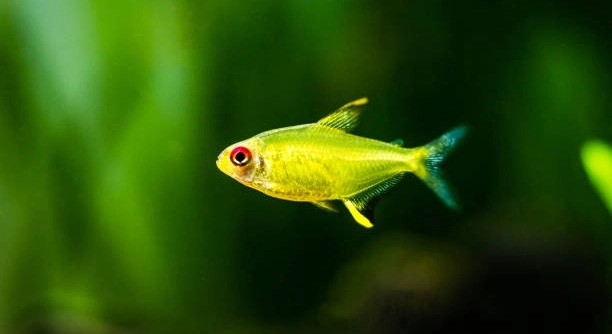
Lemon tetras are small, vibrant fish that bring life to any freshwater aquarium. Spending time with them can be enjoyable, especially when you notice their playful behavior and subtle interactions within their school.
Bonding with lemon tetras requires patience and consistency. Regular feeding, gentle observation, and creating a calm environment help establish trust. Offering appropriate hiding spots and gradually interacting with them enhances their comfort and encourages natural social behaviors.
Learning these methods will help you connect with your lemon tetras more effectively and create a harmonious, engaging aquarium environment for both you and your fish.
Observe Their Behavior
Watching lemon tetras closely is the first step in bonding. Their movements, swimming patterns, and interactions with other fish reveal a lot about their mood. Spend time near the tank daily, noting how they respond to light, noise, and your presence. Consistent observation helps you identify which areas of the tank they prefer and where they feel safe. Over time, you will notice patterns in their feeding and resting habits. Lemon tetras are sensitive to sudden movements and vibrations, so approaching the tank calmly is essential. Recognizing their signals, like darting quickly or hovering near the surface, will guide how you interact with them. Creating a calm, predictable environment fosters trust and makes them more comfortable with your presence.
Paying close attention ensures interactions remain positive. Observation is key for building understanding and promoting a peaceful tank atmosphere.
Daily observation strengthens your connection. By noting small behavioral changes, you can adjust the environment and your interactions to suit their needs. This attentiveness creates a more harmonious setting where your lemon tetras feel safe and secure.
Gentle Feeding
Providing food calmly encourages lemon tetras to associate you with positive experiences. Offer small amounts at the same time each day to establish a routine. Avoid overfeeding, as excess food can pollute the tank and stress the fish. Floating pellets or flakes are ideal for their size and feeding habits. Scatter food evenly so all fish have access, reducing competition and ensuring weaker individuals get their share. Using tongs or a feeding ring allows control over portion size and prevents spillage. Observe how they respond to your movements during feeding; their willingness to approach the surface indicates growing trust. Over weeks, they may swim closer during feeding times, recognizing your presence as part of a pleasant experience. Consistency and patience are vital in building this subtle, yet meaningful bond.
Regular feeding routines help fish feel secure. Consistency reinforces trust and encourages calm, positive interactions at the surface.
Maintaining a gentle feeding schedule is more than nutrition. It establishes reliability in their environment, making them feel comfortable. By consistently feeding at the same times, you signal stability and safety. Over time, lemon tetras learn to anticipate this routine, swimming to the area when food is introduced. Using controlled portions ensures water quality remains high, preventing unnecessary stress. Their responses during feeding, like circling near the surface or following your hand, reflect growing recognition. Pairing feeding with calm movements and minimal disturbances enhances trust. This method also allows you to notice subtle health changes early, such as reduced appetite or unusual swimming patterns. Gradually, these interactions create a rhythm where the fish feel secure, and your role as a caretaker becomes clear and respected.
Create Hiding Spots
Providing hiding spots helps lemon tetras feel safe. Plants, rocks, and small decorations give them places to retreat, reducing stress and encouraging natural behavior.
Hiding spots are essential for their well-being. Lemon tetras are small and can be easily stressed by sudden movements or larger tank mates. Including live or artificial plants creates shelter and mimics their natural environment. Rocks, caves, and driftwood add vertical and horizontal spaces to explore. These areas allow the fish to rest or observe their surroundings without feeling exposed. Arranging decorations thoughtfully ensures that swimming paths remain open while offering security. Over time, the fish will use these spaces comfortably, signaling that they feel at ease in their environment. A well-structured tank promotes both activity and relaxation.
By giving lemon tetras options to hide, you encourage confident behavior. They learn to navigate the tank safely and develop stronger bonds with you, responding positively to calm, gentle movements near the tank. Consistent placement of these shelters also reinforces predictability in their environment, making interactions more relaxed.
Gradual Interaction
Approaching the tank slowly reduces stress. Sudden movements can frighten lemon tetras, so patience is crucial when interacting with them.
Introducing gradual interaction improves trust. Begin by sitting near the tank without touching it. Over several days, move your hands closer while observing their reactions. Avoid tapping on glass or making abrupt gestures. Lemon tetras respond better to predictable, gentle motions. Repeated calm presence allows them to recognize you as a non-threatening figure. They may start swimming closer, following your movements, or displaying curiosity without fear. This method builds confidence and encourages voluntary engagement, fostering a stronger connection. Gradual, consistent interaction is more effective than frequent, hurried attempts.
Consistency is key in building trust. By slowly integrating your presence into their routine, lemon tetras become comfortable and start responding naturally. This process strengthens the bond, making your interactions calmer and more rewarding over time.
Use a Gentle Voice
Speaking softly near the tank can make lemon tetras more comfortable. They respond to calm, steady tones, which helps reduce stress and encourages them to notice your presence without fear.
A gentle voice paired with slow movements strengthens trust. Over time, the fish may recognize the sound as non-threatening, improving your ability to interact with them during feeding and observation sessions.
Maintain Clean Water
Clean water is essential for bonding. Healthy, stress-free fish are more likely to interact and display natural behavior, making it easier to build trust and enjoy their presence in the tank.
Offer Variety in Diet
Providing a mix of flakes, pellets, and occasional live or frozen foods ensures proper nutrition. Variety keeps lemon tetras engaged, supports their health, and encourages more active and confident behavior in the tank.
Observe Social Dynamics
Watching how lemon tetras interact with each other provides insight into their comfort levels. Recognizing dominant or shy individuals helps tailor interactions and feeding routines, fostering a balanced, calm tank environment.
FAQ
How often should I feed my lemon tetras?
Feeding small amounts two times a day is ideal. Overfeeding can pollute the water, causing stress or illness. Use measured portions that the fish can consume within two to three minutes. Observe how quickly they eat and adjust amounts accordingly. A consistent feeding schedule helps them recognize your presence positively.
What types of food do lemon tetras prefer?
Lemon tetras enjoy a mix of flakes, small pellets, and occasional live or frozen foods like brine shrimp or daphnia. Variety supports their health and encourages active swimming. Rotating food types prevents boredom and ensures they receive all necessary nutrients for growth and vibrant coloration.
Can I handle my lemon tetras directly?
Handling is not recommended. Lemon tetras are delicate and easily stressed. Interaction should be limited to observation and feeding. Gradual presence and calm movements near the tank help them recognize you without causing fear. Physical handling can damage scales or fins and should be avoided.
How can I tell if my lemon tetras are stressed?
Signs of stress include hiding constantly, erratic swimming, faded colors, or reduced appetite. Stress often results from poor water quality, aggressive tank mates, or sudden changes in the environment. Observing these behaviors early allows you to adjust conditions and improve their comfort.
Do lemon tetras get along with other fish?
Lemon tetras are generally peaceful and do well in small schools. They coexist best with other non-aggressive, similarly sized fish. Avoid keeping them with large or aggressive species, as this can create stress and limit bonding opportunities. Providing ample hiding spots reduces conflict.
How many lemon tetras should I keep together?
Keeping at least six lemon tetras together is recommended. They are schooling fish and feel safer in groups. A larger school encourages natural behaviors, reduces stress, and allows for better observation of their interactions and social dynamics.
How important is tank size for bonding?
Tank size is crucial. A minimum of 20 gallons is suggested for a small school. More space allows swimming, exploration, and hiding without stress. A well-planned tank with plants, rocks, and open areas helps your fish feel secure and more likely to interact calmly with your presence.
Can I train my lemon tetras to recognize me?
Yes, through consistent feeding routines and gentle presence near the tank. They may start swimming closer during feeding times or following your hand. Patience and consistency build recognition, and over time, they may appear more curious and relaxed around you.
What water conditions are ideal for lemon tetras?
Maintain a temperature between 72–80°F and a pH of 6.5–7.5. Clean, well-filtered water is essential. Regular water changes prevent stress and support health, making the fish more active and responsive to your interactions. Stability in water conditions encourages bonding.
How do I introduce new lemon tetras to an existing tank?
Acclimate them slowly using a drip or floating method. Sudden introduction can stress both new and existing fish. Observe their behavior closely for the first few days. Providing hiding spots reduces territorial conflicts and promotes a smoother transition, helping everyone feel secure.
How do I encourage shy lemon tetras to interact?
Start by minimizing disturbances and speaking softly near the tank. Gradually move closer during feeding, allowing them to approach at their own pace. Using hiding spots and a consistent routine helps shy fish gain confidence and participate in group swimming, enhancing bonding opportunities.
What are signs of a healthy lemon tetra?
Bright coloration, active swimming, regular feeding, and smooth fins indicate good health. Healthy fish respond to your presence, explore their environment, and interact with their school. Maintaining proper water conditions and diet supports these behaviors, making bonding easier and more enjoyable.
Can lighting affect bonding with lemon tetras?
Yes, soft and consistent lighting encourages natural behavior. Sudden or overly bright light can cause stress. A balanced light schedule helps them establish routines, making them more likely to engage during feeding and observation. Gradual changes in light levels reduce fear and promote trust.
Is it necessary to rearrange the tank for better interaction?
Occasional rearrangement can refresh their environment and stimulate exploration. Keep familiar hiding spots accessible while introducing minor changes. This balance allows lemon tetras to feel secure while encouraging curiosity, making them more interactive and comfortable around your presence.
How long does it take to bond with lemon tetras?
Bonding is gradual. It can take several weeks of consistent feeding, observation, and gentle interaction. Patience is essential, as each fish adapts differently. Over time, they recognize routines, approach the surface during feeding, and display calmer behavior, reflecting trust and comfort in their environment.
Lemon tetras are small but lively fish that can bring a lot of enjoyment to an aquarium. Their bright coloration and active swimming patterns make them a pleasure to watch, but building a connection with them requires attention and care. Understanding their natural behaviors and needs is the first step toward forming a meaningful bond. Observing their swimming patterns, noticing how they respond to light, movement, and feeding routines, gives valuable insight into their comfort levels. Lemon tetras are naturally cautious, so creating a calm and predictable environment is essential for reducing stress and promoting natural behaviors. Simple actions like placing the tank in a quiet area, maintaining consistent lighting, and avoiding sudden disturbances can have a significant impact on how comfortable they feel. Once they feel secure, lemon tetras are more likely to swim confidently, explore the tank, and respond positively to your presence.
Feeding routines play a critical role in bonding. Providing small amounts of food consistently, using flakes, pellets, and occasional live or frozen options, encourages them to associate your presence with positive experiences. Overfeeding should be avoided, as it can compromise water quality and lead to health issues. Alongside feeding, maintaining clean water and proper tank conditions supports their overall health and well-being. Lemon tetras thrive in well-maintained aquariums with stable temperature, pH, and filtration. Creating hiding spots with plants, rocks, and decorations allows them to feel secure while exploring, resting, or avoiding stress. Gradual interaction, such as speaking softly near the tank, moving slowly during feeding, and spending time observing without tapping the glass, helps build recognition and trust over time. These combined efforts make the fish feel safe and encourage natural, relaxed behaviors that allow a bond to develop.
Patience is key when forming a connection with lemon tetras. Each fish may respond differently, and it can take weeks to notice consistent behaviors of trust and curiosity. Shy individuals may require more time and gentle observation, while others may respond more quickly to calm presence and feeding routines. The goal is to create a stable, comfortable environment where the fish can thrive, feel secure, and gradually become familiar with your presence. Through careful observation, proper feeding, consistent care, and mindful interaction, lemon tetras will display more confident and natural behaviors. Over time, you will notice them swimming closer during feeding, exploring the tank with curiosity, and interacting calmly with their school. By focusing on their needs and providing a supportive environment, bonding with lemon tetras becomes a rewarding and enjoyable experience, enriching both their lives and your experience as a caretaker.

Hello,
If you enjoy the content that we create, please consider saying a "Thank You!" by leaving a tip.
Every little bit helps us continue crafting quality advice that supports the health, happiness, and well-being of pets around the world, for pets of all shapes, sizes, and species.
We really appreciate the kindness and support that you show us!