
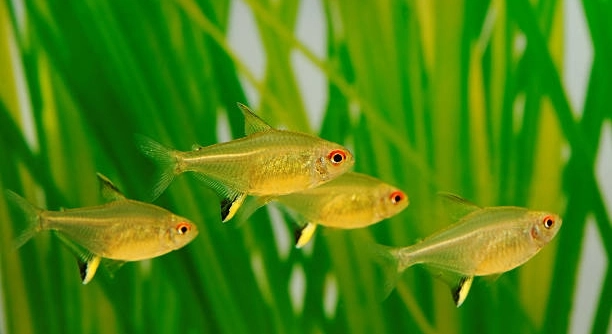
Lemon tetras are small, bright fish that bring life to any freshwater tank. They thrive in calm environments, but subtle mistakes in care can affect their health quickly, sometimes overnight. Watching them closely helps keep them safe.
Several factors can harm lemon tetras overnight, including sudden changes in water temperature, poor water quality, overfeeding, overcrowding, lack of hiding spots, incompatible tank mates, and stress from frequent disturbances. These conditions directly impact their well-being and survival.
Understanding these risks will help you maintain a safer and more stable environment for your fish. Keeping an eye on their habitat is essential.
Sudden Changes in Water Temperature
Lemon tetras are sensitive to fluctuations in water temperature. Even a few degrees difference can shock them, causing stress or illness. Tank heaters and thermometers are essential for keeping water stable. Avoid placing the tank near windows, air conditioners, or heaters. Rapid changes during water changes or adding untreated water can also be dangerous. Maintaining a steady temperature between 72°F and 78°F supports their immune system and reduces the risk of disease.
Keeping the water temperature consistent is critical. Frequent or sudden changes can lead to stress, weakened immunity, and in severe cases, death. Regularly checking the temperature ensures a safe environment for your lemon tetras.
Temperature control also affects their behavior. When water is too cold, they may become sluggish and hide more often. Too warm, and their metabolism increases, leading to faster deterioration of water quality and oxygen depletion. Using a reliable heater with an adjustable thermostat and a thermometer to monitor fluctuations is important. If you notice sudden changes, act immediately by adjusting the heater or performing partial water changes with carefully matched temperature water. Consistency is more important than exact perfection.
Poor Water Quality
Neglecting water quality can quickly harm lemon tetras. Accumulated waste, uneaten food, and chemicals create toxic conditions. Regular water tests are crucial to monitor ammonia, nitrite, nitrate, and pH levels to prevent sudden spikes that may stress your fish.
Keeping water clean reduces the risk of disease and improves overall activity and coloration. Lemon tetras are more vibrant and active in well-maintained water.
Dirty or chemically imbalanced water can be lethal. High ammonia and nitrite levels directly attack their gills, causing breathing difficulties, lethargy, and potentially sudden death. Nitrate buildup, while less immediately toxic, weakens their immune system over time. Overfeeding worsens water quality, as excess food decomposes and raises harmful compounds. Consistent partial water changes, gravel vacuuming, and avoiding overcrowding are simple steps to maintain water health. Installing a proper filtration system helps remove debris and balances oxygen levels, ensuring your tetras remain active and healthy. A well-monitored environment also minimizes stress, which is crucial for preventing diseases that can escalate overnight. Tracking water parameters weekly helps catch problems early and ensures a longer, healthier life for your fish.
Overfeeding
Overfeeding lemon tetras can quickly harm their health. Uneaten food decomposes in the tank, polluting water and raising ammonia levels. Feed small portions once or twice a day and remove any leftovers immediately.
Excess food leads to obesity and digestive problems. Fish may become lethargic and lose their vibrant coloration. Uneaten food decays, causing spikes in ammonia and nitrites, which are toxic. Overfeeding also encourages algae growth, which further affects water quality. Controlling portion sizes and observing your fish’s eating habits are essential to prevent these issues. Feeding only what they can finish in a few minutes maintains balance in the tank and keeps your tetras healthy.
Maintaining a consistent feeding routine helps your lemon tetras thrive. Avoid changing their diet suddenly, and provide high-quality flakes or pellets designed for small tropical fish. Treats like frozen or live food should be occasional. Overfeeding not only pollutes the water but also stresses the fish, making them more susceptible to disease. Watching their behavior and adjusting portions ensures they stay active, colorful, and healthy, reducing the risk of overnight harm.
Overcrowding
Too many fish in one tank quickly leads to stress and poor water conditions. Lemon tetras need space to swim freely and avoid aggression.
Overcrowding raises waste levels and lowers oxygen availability. Stress from lack of space can weaken immune systems and lead to illness or death. Fish may fight or hide constantly, disrupting normal behavior. Maintaining proper stocking levels, typically one inch of fish per gallon, helps keep the environment stable. Adding more tank mates than recommended can quickly cause harmful conditions.
Overcrowding also complicates filtration and water maintenance. Larger populations produce more waste, making it harder for filters to maintain clean water. Ammonia and nitrite levels can spike unexpectedly, harming fish. Overcrowding can also reduce hiding spaces, making timid tetras more stressed and prone to disease. Spacing them correctly allows proper swimming areas, natural schooling behavior, and reduced aggression. Observing your fish daily helps catch signs of overcrowding, such as constant hiding or aggression. Proper planning before adding new fish ensures a safe, healthy environment for all tank inhabitants.
Incompatible Tank Mates
Some fish species are aggressive or larger and can stress lemon tetras. Avoid keeping them with cichlids, large barbs, or aggressive gouramis. Peaceful, similarly sized fish are better companions.
Even seemingly calm species may nip fins or chase tetras, causing stress. Proper research before adding fish ensures a harmonious tank and reduces the risk of overnight harm.
Lack of Hiding Spots
Lemon tetras need plants, decorations, or small caves to feel secure. A bare tank increases stress and aggression.
Providing dense vegetation or ornaments allows them to rest, escape perceived threats, and feel comfortable in their environment. Stress reduction improves health and longevity.
Stress from Frequent Disturbances
Frequent tapping on the glass, loud noises, or sudden movements can frighten lemon tetras. Constant stress weakens their immune system and can lead to sudden illness. Monitoring the tank environment and minimizing disturbances helps maintain calm and supports their overall health.
How often should I check my lemon tetra tank’s water?
Checking your tank’s water at least once a week is important. Focus on ammonia, nitrite, nitrate, and pH levels. Frequent checks help catch problems before they harm your fish. Using test kits makes this process simple and reliable.
Regular water checks prevent sudden toxic spikes that can stress or kill lemon tetras. Keeping records helps you notice trends or recurring problems, allowing adjustments to feeding, filtration, or partial water changes. Even small fluctuations matter because tetras are sensitive to sudden changes.
Consistency in monitoring water parameters maintains a stable environment. Observing your fish’s behavior alongside test results gives a clear picture of overall health. Quick action at the first sign of imbalance protects them overnight from harm.
What is the best feeding routine for lemon tetras?
Feed small portions once or twice a day, only as much as they can consume in a few minutes. Avoid overfeeding, which pollutes the water and causes health issues.
A balanced diet with high-quality flakes or pellets, supplemented with occasional frozen or live food, keeps them healthy. Feeding at the same times daily builds routine and reduces stress. Monitor their behavior and appetite to adjust portions.
Overfeeding is one of the fastest ways to harm lemon tetras. Excess food decays, raises ammonia, and encourages algae growth. Portion control supports water quality and reduces disease risk. Treats should be occasional to avoid upsetting digestion or water balance.
How can I prevent stress in my lemon tetras?
Provide plenty of hiding spots with plants, rocks, or decorations. Avoid sudden noises, tapping on the glass, or frequent disturbances near the tank.
Choosing compatible tank mates reduces aggression-related stress. Avoid overcrowding and maintain a stable water temperature. Observing their behavior regularly helps detect early signs of stress, like hiding, lethargy, or fin clamping.
Stress lowers immunity, making tetras prone to disease and sudden health decline. A calm, secure environment promotes natural schooling behavior and reduces anxiety. Consistency in lighting, feeding, and handling further supports their well-being.
What tank size is suitable for lemon tetras?
A minimum of 20 gallons is recommended for a small school of lemon tetras. This allows proper swimming space and helps maintain stable water conditions.
Overcrowding stresses fish, increases waste, and complicates filtration. Proper tank size ensures enough oxygen, reduces territorial disputes, and allows natural schooling. Stock gradually to avoid sudden population surges.
Larger tanks also make temperature and chemical fluctuations less severe. Providing a spacious, well-planted environment improves activity, coloration, and overall health. Observing the group dynamic ensures the school stays cohesive and safe.
How do I know if water quality is affecting my tetras?
Signs include lethargy, faded coloration, gasping at the surface, or hiding more than usual. Sudden deaths may indicate toxic water levels.
Testing water parameters can confirm problems before serious harm occurs. Ammonia and nitrite spikes are particularly dangerous, while nitrate buildup affects long-term health.
Keeping a consistent cleaning and maintenance schedule reduces water-related risks. Even small water changes help maintain balance. Watching your tetras daily ensures early detection of issues, preventing overnight harm.
What is the safest way to introduce new fish?
Quarantine new fish for at least two weeks before adding them to the main tank. This prevents disease transfer.
Introduce them slowly to avoid shocking water parameters. Match temperature and water chemistry to reduce stress. Monitor interactions to ensure compatibility with existing tetras.
Gradual acclimation and observation protect both new and resident fish. Sudden introductions or incompatible species can trigger aggression, stress, or illness, leading to rapid decline. Careful preparation ensures a smooth transition.
How often should I perform water changes?
Partial water changes of 20–25% weekly are ideal. This helps remove toxins, maintain water clarity, and stabilize chemistry.
Larger or more frequent changes may be necessary in crowded tanks or with high feeding levels. Always use dechlorinated water at matching temperature.
Regular water changes support healthy gill function, reduce stress, and prevent sudden deaths. Keeping a consistent schedule balances nutrients, removes waste, and preserves the natural environment for lemon tetras to thrive.
Lemon tetras are small, lively fish that can bring a lot of beauty to a freshwater aquarium. They are sensitive creatures, and even small mistakes can affect their health quickly. Maintaining a stable environment with clean water, proper temperature, and good filtration is essential to keeping them safe and happy. Overfeeding, overcrowding, and sudden disturbances can cause stress that weakens their immune system, making them more vulnerable to illness. Paying attention to these basic care requirements ensures they remain active, vibrant, and healthy over time. Simple steps, like monitoring water parameters regularly, using a thermometer and heater, and providing hiding spots, go a long way in supporting their well-being. Even small changes in water chemistry or temperature can cause stress overnight, so consistency is key.
In addition to water quality and temperature, the choice of tank mates and feeding habits plays a major role in their health. Aggressive or much larger fish can stress lemon tetras, leading to hiding, lethargy, or even physical injury. A proper feeding routine with small, measured portions prevents water pollution from leftover food and reduces the risk of digestive problems. High-quality flakes or pellets designed for small tropical fish work well, with occasional treats like frozen or live food. Observing their behavior daily helps you notice early signs of stress or illness, such as faded coloration or gasping at the surface. By addressing problems early, you can prevent more serious issues that may develop overnight. A well-planned, calm, and stable tank environment keeps your tetras safe and allows them to thrive naturally.
Stress is one of the most common factors that can harm lemon tetras, yet it is also one of the easiest to manage. Providing a peaceful, secure environment with plants, rocks, and other hiding spaces helps them feel safe. Avoiding loud noises, tapping on the glass, and sudden disturbances minimizes stress. Regular partial water changes and proper filtration maintain clean water, which is critical for their immune system. Overcrowding, poor water quality, and aggressive tank mates all increase stress and can quickly affect health. By being consistent with care routines, keeping the tank stable, and monitoring the fish closely, you can prevent harm and support their long-term well-being. Lemon tetras respond well to attentive care, and by following these simple practices, you ensure that they remain healthy, vibrant, and full of life in your aquarium.

Hello,
If you enjoy the content that we create, please consider saying a "Thank You!" by leaving a tip.
Every little bit helps us continue crafting quality advice that supports the health, happiness, and well-being of pets around the world, for pets of all shapes, sizes, and species.
We really appreciate the kindness and support that you show us!