
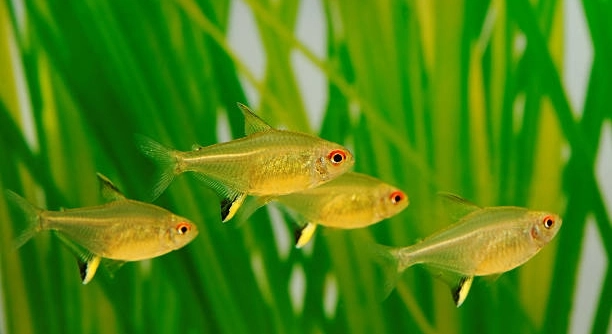
Many fish owners enjoy the calming presence of lemon tetras in their aquariums but sometimes notice unusual behavior. Fast breathing can catch your attention and make you wonder about the health of these small, vibrant fish.
Rapid gill movement in lemon tetras is usually a sign of stress or poor water quality. Common causes include low oxygen levels, high nitrate concentrations, improper temperature, or illness. Addressing these factors promptly helps maintain their health and comfort.
Observing your lemon tetra’s behavior closely can reveal subtle changes that impact their well-being. Learning about the causes and solutions ensures a healthier, more thriving aquarium environment.
Common Causes of Fast Breathing in Lemon Tetras
Lemon tetras often breathe rapidly due to environmental or health-related issues in their tank. Poor water quality is a leading factor, including high levels of ammonia, nitrites, or nitrates. Oxygen deficiency is another common cause, especially in crowded tanks or those with low water movement. Sudden changes in temperature or pH can also stress the fish, leading to faster gill movement. Illnesses such as bacterial infections, parasites, or gill flukes may contribute to abnormal breathing patterns. Observing other symptoms like clamped fins, lethargy, or loss of appetite can help identify the problem. Regular water testing, partial water changes, and maintaining proper filtration are essential steps to prevent these issues. Tank decorations and plants should be arranged to allow easy swimming and circulation. Sometimes, even subtle stressors like bright lights or frequent tapping can trigger rapid breathing, so creating a stable, calm environment is important.
Monitoring your fish daily helps catch early signs of stress. Quick attention prevents serious health problems and ensures long-term vitality.
By understanding these factors, you can create a stable and healthy tank for your lemon tetras. Adjusting water parameters gradually, maintaining proper oxygenation, and ensuring the fish have enough space reduces stress significantly. Using live plants improves oxygen levels and provides hiding spots. Quarantining new fish before adding them to the main tank can prevent disease introduction. Additionally, feeding small portions of high-quality food rather than overfeeding helps maintain water quality. Observing your tetras’ behavior after each adjustment confirms whether changes are effective. If rapid breathing continues despite optimal conditions, consulting a veterinarian experienced with tropical fish is recommended. Proper tank maintenance, combined with careful observation, is the most reliable way to keep lemon tetras healthy and comfortable. Creating a routine that includes testing, cleaning, and monitoring reduces stressors and allows your fish to thrive consistently.
Improving Tank Conditions
Simple changes can improve oxygen levels and overall comfort in the tank. Proper aeration and circulation are key.
Adding an air stone or adjusting filter flow increases water movement, helping oxygen reach all areas. Ensuring the tank isn’t overcrowded prevents competition for oxygen. Removing debris and uneaten food reduces harmful compounds that affect breathing. Temperature and pH should remain stable, as fluctuations can quickly stress fish. Introducing live plants also supports oxygenation and natural filtration. Gradually implementing these improvements allows your lemon tetras to adjust without added stress, leading to healthier behavior over time. Consistent observation ensures that adjustments are effective and maintains long-term tank balance.
Feeding and Nutrition
Overfeeding or poor-quality food can cause stress and rapid breathing in lemon tetras. Small, frequent meals are better than large portions. Avoid food that sinks too quickly, as leftover particles degrade water quality and reduce oxygen levels.
Providing a balanced diet of high-quality flakes, micro-pellets, and occasional frozen or live foods keeps tetras healthy. Variety ensures they receive essential nutrients, supporting their immune system and overall energy. Overfeeding leads to uneaten food, which can decay and produce ammonia, causing gill irritation. Feeding in moderation and removing leftovers helps maintain clean water, which directly impacts breathing and behavior. Regularly observing feeding patterns can indicate if a fish is stressed, sick, or not receiving proper nutrition, allowing for adjustments before serious problems occur.
Ensuring proper nutrition supports both growth and stress resistance. Lemon tetras with a stable diet show calmer behavior, less rapid breathing, and stronger immune responses. Consistent feeding schedules help maintain water quality and reduce tank-related stressors.
Monitoring Water Parameters
Frequent water testing prevents oxygen depletion and harmful chemical buildup. Stable conditions reduce stress and fast breathing in fish.
Maintaining ammonia, nitrite, and nitrate levels within safe ranges is essential for healthy lemon tetras. Sudden pH swings or temperature fluctuations often cause gill strain. Using a reliable test kit allows tracking these parameters and taking timely corrective action. Performing regular partial water changes maintains stability, while avoiding over-cleaning preserves beneficial bacteria in the filter. Even small adjustments in tank conditions, such as reducing crowding or adding plants, improve oxygenation and reduce stress. Observing fish behavior after parameter changes ensures conditions remain ideal. A consistent routine with monitoring helps detect early signs of water-related problems before they impact health.
Stress and Environmental Factors
Sudden changes in lighting, tank decorations, or water flow can stress lemon tetras, causing rapid breathing. Maintaining a calm, consistent environment helps them feel secure and reduces gill strain.
Overcrowding increases competition for oxygen and adds tension among fish. Keeping a moderate number of tetras per tank improves swimming space and comfort.
Signs of Illness
Bacterial infections, parasites, or gill flukes often cause fast breathing in lemon tetras. Other symptoms include clamped fins, lethargy, or loss of appetite. Early detection is crucial for treatment success. Observing these changes alongside water conditions helps identify if health issues are involved, allowing timely action.
Quick Fixes for Oxygen Levels
Increasing water movement, adding an air stone, or adjusting filter flow improves oxygenation. Small changes make a noticeable difference for stressed fish.
Tank Maintenance Tips
Regular cleaning, partial water changes, and monitoring water quality prevent chemical buildup. Consistent care reduces stress and supports healthy breathing in lemon tetras.
Why is my lemon tetra breathing so fast?
Rapid breathing in lemon tetras is usually linked to stress, poor water quality, or illness. Low oxygen levels, high nitrate or ammonia, sudden temperature changes, and overcrowding all make their gills work harder. Sometimes, infections or parasites can also be the reason. Observing other signs, like clamped fins or lethargy, helps identify the cause.
How can I tell if my fish is stressed or sick?
Stress often shows as rapid breathing, hiding, loss of appetite, or unusual swimming patterns. Illness may include white spots, frayed fins, or swelling. Tracking daily behavior and noting changes in color or activity helps distinguish stress from disease. Early observation is essential for effective care.
What water conditions are ideal for lemon tetras?
Lemon tetras thrive in clean, well-oxygenated water with temperatures between 72–78°F (22–26°C). pH should stay around 6.5–7.5, and ammonia and nitrite must remain at 0 ppm. Nitrate should stay below 20 ppm. Regular testing and partial water changes maintain these conditions.
Can tank size affect breathing?
Yes, small or overcrowded tanks limit swimming space and reduce oxygen availability. A 20-gallon tank is a minimum for a small group, with careful attention to aeration. Proper spacing reduces competition and helps fish breathe normally.
How often should I change the water?
Partial water changes of 20–30% every week keep oxygen levels steady and remove waste buildup. Over-cleaning or large changes can shock the fish. Maintaining balance ensures gills are not stressed.
What foods are best for lemon tetras?
High-quality flakes, micro-pellets, and occasional live or frozen foods provide balanced nutrition. Feeding small portions prevents leftovers from polluting water, which can worsen breathing problems. Rotate foods to supply essential nutrients.
Do decorations or plants affect breathing?
Yes, live plants improve oxygen levels, while crowded decorations can restrict swimming. Proper arrangement ensures good water flow and reduces stress, helping lemon tetras maintain normal gill movement.
When should I consult a veterinarian?
If rapid breathing continues despite clean water, proper oxygenation, and balanced nutrition, a vet specializing in fish should be consulted. Persistent fast breathing may indicate infection or internal problems needing professional treatment.
Can temperature fluctuations make breathing worse?
Yes, sudden changes in water temperature can stress lemon tetras and increase breathing rate. Use a reliable heater and monitor temperature consistently to avoid sudden shifts. Stable conditions keep gill function steady.
How do I prevent future breathing problems?
Maintain consistent water quality, avoid overfeeding, keep the tank at proper temperature, and prevent overcrowding. Regular observation and testing allow early action if issues arise. This routine keeps lemon tetras healthy, calm, and breathing normally.
Are there quick ways to relieve oxygen stress?
Adding an air stone, adjusting filter flow, or introducing live plants increases oxygen levels quickly. Minor improvements in water circulation can immediately reduce gill strain and improve fish comfort.
Can I mix lemon tetras with other fish safely?
Compatible species reduce stress, while aggressive or larger fish may frighten lemon tetras, causing rapid breathing. Research tank mates carefully to maintain a calm, oxygen-rich environment.
How can I track improvement in breathing?
Monitor gill movement, swimming behavior, and activity levels daily. Record observations to notice trends after water changes, feeding adjustments, or aeration improvements. Consistent tracking helps confirm whether interventions are effective.
Is stress reversible in lemon tetras?
Yes, most stress-related breathing problems can be corrected by improving water quality, maintaining oxygen levels, and creating a stable, comfortable environment. Quick and consistent care allows fish to recover fully.
What role does lighting play in breathing?
Bright or sudden lighting changes can stress tetras, increasing gill movement. Soft, stable lighting helps reduce stress and supports normal breathing patterns. Adjusting light gradually minimizes shocks.
Can disease spread between fish?
Yes, infections like parasites or bacteria can spread rapidly in a shared tank. Quarantining new fish and monitoring for symptoms helps prevent outbreaks and protects breathing health of the entire group.
How do I know if my tank has low oxygen?
Signs include gasping at the surface, rapid gill movement, and lethargy. Adding aeration, reducing crowding, or improving circulation usually fixes the issue. Testing water temperature and ammonia levels also helps identify oxygen problems.
Are there long-term effects of fast breathing?
Prolonged rapid breathing indicates stress or illness, which can weaken the immune system and reduce lifespan. Early intervention and proper tank care prevent long-term health issues.
Can I use medication to help breathing issues?
Only if illness is confirmed. Treating infections, parasites, or gill flukes with appropriate medication can improve breathing. Do not medicate unnecessarily, as it can stress healthy fish.
How can I maintain a calm environment?
Keep consistent water conditions, moderate lighting, gentle flow, and avoid overcrowding. Stable surroundings reduce stress and support normal gill function. Consistency is key for healthy, calm lemon tetras.
What is the first step if breathing is fast?
Check water quality immediately. Test ammonia, nitrites, nitrates, temperature, and oxygen levels. Correcting water problems usually resolves fast breathing quickly. Observing behavior during this process helps confirm recovery.
Are some lemon tetras more sensitive than others?
Yes, younger fish and those new to a tank can be more prone to stress. Gradual acclimation and gentle care reduce breathing problems in sensitive individuals.
How long does it take for breathing to return to normal?
With proper water quality, nutrition, and reduced stress, lemon tetras usually recover in a few days. Persistent issues beyond a week indicate illness or serious environmental problems requiring further intervention.
Can stress cause permanent damage?
Chronic stress weakens the immune system and may affect growth or lifespan. Preventing stress through good tank management is essential for long-term health and normal breathing.
Is it normal for tetras to breathe faster during activity?
Yes, brief increases during feeding or swimming are normal. Persistent rapid breathing while resting is a sign of stress, poor water quality, or illness. Regular observation helps differentiate normal activity from problems.
Do I need to remove other fish if one is stressed?
Only if aggression or competition for oxygen is a factor. Isolating a stressed fish temporarily can reduce gill strain and allow recovery, especially in small or crowded tanks.
How often should I monitor water and fish behavior?
Daily observation of behavior and weekly water testing helps catch early signs of stress or oxygen issues. Consistent monitoring prevents prolonged rapid breathing and keeps tetras healthy.
Can plants alone improve oxygen levels?
Yes, live plants produce oxygen and reduce harmful compounds. Combining plants with proper aeration and filtration provides the most effective solution for healthy gill function.
What if my fish doesn’t recover after all adjustments?
Consult a veterinarian experienced with tropical fish. Persistent rapid breathing despite ideal conditions may indicate internal health problems requiring professional treatment. Early intervention increases chances of recovery and prevents further complications.
Is fast breathing a common issue for lemon tetras?
Yes, it occurs more often than some owners expect, usually due to stress, water quality, or minor illness. Understanding the causes and responding quickly ensures fish remain healthy and comfortable in the tank.
How can I prevent recurrence?
Maintain clean water, stable conditions, proper feeding, moderate tank population, and regular observation. Preventing stressors and illness reduces the likelihood of future fast breathing problems. Consistency and care are the keys to long-term success.
How long should I observe changes after interventions?
Watch for at least a few days to a week after improving conditions. Normal breathing patterns should return gradually. Note any new symptoms to adjust care or seek professional advice.
What small daily habits support healthy breathing?
Check behavior, ensure leftover food is removed, monitor water flow, and keep a consistent light and temperature schedule. Simple routines prevent stress and maintain normal gill function over time.
Keeping lemon tetras healthy requires attention to their environment, nutrition, and overall care. Rapid breathing is often one of the first signs that something is off in the tank. Many causes are related to water quality, including high ammonia, nitrite, or nitrate levels, low oxygen, or sudden changes in temperature or pH. Overcrowding and insufficient tank circulation also make gills work harder, which can quickly lead to stress. Observing your fish daily can help you notice small changes in behavior before they develop into bigger problems. Paying attention to breathing patterns, activity levels, and appetite provides valuable insight into your tetras’ health and allows for timely action. Small interventions, like partial water changes, improving aeration, and rearranging decorations to allow better swimming space, can make a noticeable difference in reducing stress and restoring normal breathing.
Nutrition plays a key role in maintaining healthy lemon tetras. Feeding high-quality flakes, micro-pellets, and occasional live or frozen food ensures a balanced diet. Overfeeding can lead to leftover food that decomposes, reducing oxygen levels and increasing stress. Feeding in moderation and removing uneaten food is essential for maintaining water quality. Providing variety in their diet supports immune function and energy levels, helping them handle minor stressors more effectively. Proper feeding routines also encourage calm behavior and prevent sudden spikes in activity that can temporarily increase gill movement. Combining good nutrition with a well-maintained tank environment supports long-term health and reduces the likelihood of rapid breathing.
Regular monitoring and maintenance are the most effective ways to prevent and address fast breathing in lemon tetras. Testing water parameters, maintaining stable temperatures, and ensuring good oxygenation should be part of a weekly routine. Observing behavior closely allows you to respond quickly to signs of stress or illness. When disease is suspected, early intervention is crucial to prevent it from spreading and worsening. Creating a stable, calm environment with consistent care helps fish feel secure and reduces stress-related issues. By combining proper water management, balanced nutrition, and careful observation, you can ensure that lemon tetras remain healthy, active, and comfortable. Regular attention to these areas not only helps prevent rapid breathing but also supports overall well-being and longevity for your fish.

Hello,
If you enjoy the content that we create, please consider saying a "Thank You!" by leaving a tip.
Every little bit helps us continue crafting quality advice that supports the health, happiness, and well-being of pets around the world, for pets of all shapes, sizes, and species.
We really appreciate the kindness and support that you show us!