
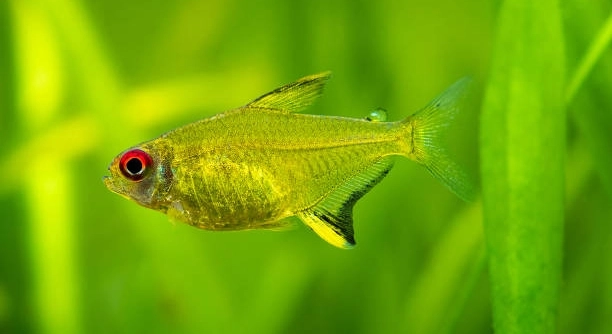
Lemon tetras are small, lively fish that bring color and energy to any aquarium. Watching them swim gracefully can be relaxing, yet their activity levels often vary depending on diet and environmental factors around them.
Feeding lemon tetras specific nutrient-rich foods can significantly increase their activity levels. High-protein options such as live or frozen brine shrimp, daphnia, and bloodworms stimulate natural behaviors, while quality flake and pellet foods provide essential vitamins and minerals for sustained energy and movement.
Providing the right foods will ensure your lemon tetras stay energetic and healthy, making your aquarium a more lively and vibrant environment for observation.
Live Foods That Boost Activity
Live foods are an excellent way to increase your lemon tetras’ movement and curiosity. Brine shrimp, daphnia, and bloodworms are easy to find in most pet stores and are rich in protein. These foods trigger natural hunting instincts, making your fish more energetic and alert. Feeding them small amounts several times a day keeps their metabolism active without overfeeding. Observing them chase live prey can be rewarding, as it encourages natural swimming patterns and interaction with the tank environment. Introducing live foods gradually is important to prevent digestive upset. Make sure to source them from reputable suppliers to avoid introducing diseases or parasites into your aquarium. Live foods also vary in size, so select appropriately sized options for your tetras to handle comfortably. The movement of live food stimulates exercise, reducing lethargy and improving overall health. Many fishkeepers notice a visible increase in activity within a few days of regular live feeding.
Live foods trigger instinctive behavior and provide essential nutrients.
Consistency in offering live foods is key. Feeding daily in small amounts ensures your lemon tetras remain active and engaged, supporting long-term vitality. Regular observation of their swimming patterns helps adjust feeding schedules. Overfeeding can cause water quality issues, so moderation is essential.
Frozen and Freeze-Dried Options
Frozen and freeze-dried foods are convenient alternatives that still promote activity. Bloodworms, brine shrimp, and tubifex worms can be thawed or soaked before feeding, maintaining nutrients while reducing contamination risks. These foods are less likely to introduce parasites compared to live options, making them safer for routine feeding. Rotating frozen and freeze-dried options helps prevent dietary monotony and ensures balanced nutrition. When thawing, use clean water and feed only small portions to avoid water quality problems. Freeze-dried foods can also be rehydrated, which mimics live food movement and encourages more active swimming. Many fish respond well to this approach, showing higher levels of activity and interaction with tankmates. Combining these with flake or pellet foods ensures your tetras get both protein and essential vitamins. Monitoring how quickly your fish consume the food helps gauge portion sizes and prevent waste. With proper use, frozen and freeze-dried foods can sustain energy levels and maintain overall health in your aquarium.
Frozen and freeze-dried foods offer both convenience and nutritional benefits for active lemon tetras.
High-Quality Flakes and Pellets
Flake and pellet foods provide essential nutrients that support activity and overall health. Choose high-quality options with a good balance of protein, vitamins, and minerals to keep lemon tetras energetic and thriving in the aquarium.
These foods are convenient for daily feeding and help maintain steady energy levels. Opt for small, thin flakes or micro-pellets designed for small tropical fish. Proper storage is important to prevent nutrient loss and contamination. Feeding in small amounts multiple times a day ensures tetras receive sufficient nutrition without fouling the water. Flakes and pellets complement live or frozen foods, offering a balanced diet that encourages regular movement and natural swimming behavior. Many fishkeepers notice improved coloration and vitality when incorporating premium flakes or pellets consistently.
Rotating between flakes and pellets with live or frozen options ensures a varied diet. This variety prevents boredom and maintains interest in feeding. Consistent feeding schedules and careful portioning help optimize energy levels while keeping the tank clean. Combining different food types supports digestive health and encourages active behavior, creating a more lively aquarium environment.
Vegetables and Plant Matter
Leafy greens and blanched vegetables offer fiber and nutrients that support digestion and overall activity. Small amounts of spinach, zucchini, or peas can be added to the diet safely.
These plant-based options help maintain digestive health while providing variety to the diet. Chop vegetables finely or blanch them to soften, making them easier for lemon tetras to eat. Vegetables should be offered sparingly, as too much can decay and affect water quality. Introducing small portions regularly encourages curiosity and natural foraging behavior, stimulating swimming and exploration. Fiber from plants also balances protein-heavy meals, promoting healthy digestion and sustained energy. Many aquarists notice their tetras exploring more and showing increased responsiveness after including vegetable matter in their feeding routine.
A mixture of plant matter and protein-based foods creates a balanced diet. Rotating vegetables and small portions of algae or spirulina-based flakes ensures nutritional diversity. Preparing vegetables correctly prevents digestive issues and water contamination, supporting a healthier tank environment. Consistent offering of plant matter encourages natural foraging, reduces boredom, and enhances activity. Monitoring consumption helps determine the right portion sizes, ensuring tetras receive benefits without overfeeding. Including vegetables is an easy way to add variety while promoting vitality and engagement in your aquarium.
Protein-Rich Snacks
Small protein-rich snacks like baby brine shrimp or finely chopped bloodworms give lemon tetras bursts of energy. These treats can be offered occasionally to encourage active swimming and natural hunting behavior.
Protein snacks stimulate metabolism and movement. Feeding them in small portions prevents overfeeding and maintains water quality.
Insect-Based Foods
Insect-based foods, such as mosquito larvae or micro worms, are excellent sources of protein and nutrients. They encourage natural foraging instincts, promoting more active and playful behavior. Regularly offering these foods in moderation supports growth, health, and swimming energy, while keeping your tetras engaged and lively in the aquarium.
Spirulina and Algae
Spirulina flakes and algae-based foods provide vitamins, minerals, and antioxidants that enhance vitality. These foods can be included in the diet to support energy and overall health.
What foods make lemon tetras more active?
Lemon tetras respond well to a variety of protein-rich and nutrient-dense foods. Live options like brine shrimp, daphnia, and bloodworms stimulate natural hunting instincts, increasing swimming and exploration. Frozen or freeze-dried versions of the same foods offer convenience while still encouraging activity. High-quality flakes and pellets provide steady energy, while vegetables like spinach, peas, or zucchini support digestion and maintain vitality. Insect-based foods, spirulina, and algae can also be included for additional nutrients and movement stimulation. Offering a mix of these foods regularly ensures tetras stay lively and healthy.
How often should I feed lemon tetras to keep them active?
Small, frequent feedings are ideal. Feeding two to three times a day in controlled portions maintains energy without overloading the aquarium. Overfeeding can lead to water quality issues, which may reduce activity. Rotating between live, frozen, and flake foods ensures nutritional balance while keeping fish engaged. Observing their behavior after feeding helps determine if portion sizes are appropriate. Adjusting the diet based on their activity levels keeps lemon tetras energetic and prevents lethargy caused by poor nutrition or overeating.
Can vegetables really make lemon tetras more active?
Yes. Vegetables provide fiber and nutrients that aid digestion and overall energy. Blanched spinach, zucchini, or peas encourage foraging behavior, which promotes movement. Plant matter complements protein-based foods, balancing the diet and preventing lethargy caused by overconsumption of high-protein meals. Introducing vegetables in small portions helps tetras explore the tank and remain lively. Proper preparation ensures they are soft enough for consumption and prevents decay that could harm water quality. Regular inclusion of plant-based foods supports sustained activity and overall health.
Are frozen and freeze-dried foods safe for lemon tetras?
Absolutely. Frozen and freeze-dried options, including brine shrimp, bloodworms, and tubifex worms, are convenient and safe when handled correctly. Thawing frozen foods or rehydrating freeze-dried ones maintains nutrient content and reduces the risk of introducing parasites. These foods stimulate natural hunting behavior while providing essential protein. Using them in rotation with flakes, pellets, and occasional live foods supports variety and activity. Feeding small portions helps prevent waste and water quality issues. Many aquarists notice increased swimming and engagement when these foods are added consistently.
Do lemon tetras need protein every day?
Protein is essential for growth, energy, and active behavior. High-quality flakes, pellets, or occasional live/frozen foods ensure daily protein needs are met. Overfeeding protein-rich foods, however, can lead to digestive problems and water pollution. A balanced schedule with alternating protein and plant-based foods keeps tetras lively. Monitoring behavior and appetite helps adjust portions. Providing protein consistently encourages natural swimming patterns, social interaction with other tetras, and responsiveness to feeding. A proper mix prevents nutrient deficiencies and supports long-term activity.
How do I prevent overfeeding while keeping lemon tetras active?
Feed small amounts that can be consumed within two to three minutes. Split daily rations into multiple feedings to maintain energy without fouling the water. Rotate between live, frozen, flake, and plant-based foods to provide variety without excess. Observe swimming and feeding behavior to adjust portions. Uneaten food should be removed promptly to maintain tank health. Consistent monitoring ensures tetras remain active and healthy while preventing lethargy caused by poor water quality or digestive strain.
Will spirulina or algae increase my lemon tetras’ activity?
Yes. Spirulina and algae-based foods supply vitamins, minerals, and antioxidants that improve vitality. These foods encourage foraging and natural exploration in the aquarium. Incorporating them in small amounts alongside protein sources ensures balanced nutrition, helping tetras maintain energy levels. Regular feeding of spirulina or algae contributes to vibrant color, active swimming, and overall health. Observing how tetras interact with these foods helps optimize portion size and frequency for maximum benefit.
Can dietary variety make a noticeable difference in activity?
Definitely. A diverse diet prevents boredom and supports physical health. Rotating live, frozen, flake, pellet, vegetable, insect, and algae foods keeps lemon tetras stimulated and encourages regular swimming. Variety ensures all nutritional needs are met while promoting curiosity and movement. Fish fed the same food repeatedly often show lower activity levels and reduced responsiveness. By offering a balanced mix, tetras remain lively, social, and more engaged with their environment. Monitoring behavior and adjusting diet types enhances both energy and long-term health.
What is the best approach to feeding for maximum activity?
Feed small, frequent portions, rotate food types, and balance protein with plant matter. Include live or frozen foods to stimulate hunting instincts and encourage movement. Monitor behavior and tank conditions to ensure proper consumption without water contamination. Consistency, variety, and portion control together maintain high energy levels and healthy activity. A thoughtful feeding routine supports vibrant coloration, natural swimming patterns, and overall vitality in lemon tetras.
This FAQ section addresses key considerations for keeping lemon tetras active, emphasizing diet variety, portion control, and balanced nutrition to maintain energy and health.
Feeding lemon tetras the right foods is one of the most important ways to keep them active and healthy. Their small size and fast metabolism mean they need a diet that provides enough energy without overloading their system. High-protein foods like live brine shrimp, daphnia, or bloodworms give them bursts of energy, encouraging natural swimming and foraging behaviors. Frozen or freeze-dried alternatives work well too, offering convenience while still providing essential nutrients. Flakes and pellets can serve as a steady source of energy and vitamins, keeping their activity levels consistent throughout the day. Adding small amounts of vegetables or plant matter supports digestion and balances the diet, preventing lethargy caused by too much protein. Feeding a variety of foods also keeps your fish interested and engaged with their environment, which is important for their overall well-being.
Observing lemon tetras’ behavior is a good way to understand how their diet affects activity. Energetic fish will swim throughout the tank, interact with tankmates, and respond quickly to food being added. Lethargy or disinterest may indicate that they need more variety or that the water conditions need attention. Small, frequent feedings are more effective than one large meal because they mimic natural feeding habits and prevent overfeeding. Moderation is key; too much food can harm water quality, which in turn reduces activity. Rotating between live, frozen, and prepared foods ensures that the fish receive a balanced mix of protein, vitamins, and minerals. Including occasional plant matter or algae-based foods can also encourage natural foraging behavior, keeping lemon tetras curious and lively. By paying attention to portion sizes and food types, you can help maintain their energy levels and support healthy growth.
Consistency and care are essential for maintaining a vibrant aquarium with active lemon tetras. A varied, nutrient-rich diet combined with proper feeding habits promotes both physical and behavioral health. Small adjustments, such as introducing new types of food gradually or balancing protein with plant-based options, can make a noticeable difference in activity levels. Keeping track of how your fish respond to different foods allows you to fine-tune their diet for maximum vitality. Over time, these practices help ensure that lemon tetras remain lively, social, and healthy, creating a more enjoyable and dynamic aquarium environment. Maintaining water quality, monitoring fish behavior, and providing a balanced diet work together to create a stable ecosystem where your lemon tetras can thrive. By focusing on these elements, you are supporting long-term health, natural activity, and overall happiness in your fish.

Hello,
If you enjoy the content that we create, please consider saying a "Thank You!" by leaving a tip.
Every little bit helps us continue crafting quality advice that supports the health, happiness, and well-being of pets around the world, for pets of all shapes, sizes, and species.
We really appreciate the kindness and support that you show us!