
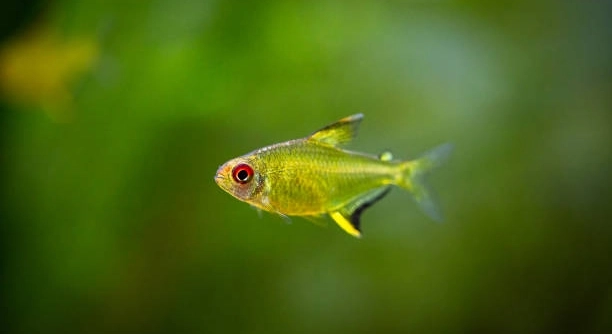
Keeping Lemon Tetras in a healthy aquarium requires attention to temperature and environment. These small, vibrant fish are sensitive to changes, and even slight heat fluctuations can impact their behavior, appetite, and overall well-being in subtle ways.
When a Lemon Tetra experiences water temperatures above its ideal range, it may exhibit signs of stress such as lethargy, rapid gill movement, loss of appetite, faded coloration, erratic swimming, clamped fins, or hiding excessively. Recognizing these indicators early is essential for maintaining proper tank conditions and preventing long-term health issues.
Monitoring water conditions and adjusting the tank environment can help ensure your Lemon Tetras thrive comfortably and remain lively, colorful members of your aquarium community.
Lethargy and Slow Movement
When Lemon Tetras are too hot, they often move less than usual. They may hover near the bottom or stay in corners, appearing almost still. This behavior is a direct response to heat stress. High water temperatures increase their metabolism, which can tire them out quickly. You may notice them pausing mid-swim or barely responding to tank activity. Over time, this lethargy can affect feeding, as they are less likely to compete for food. Even small fluctuations above their comfort range can trigger this response. Regular monitoring of water temperature is essential to prevent long-term health problems. Observing your fish closely allows you to notice these subtle changes before they escalate. Adjusting heater settings or adding a cooling device can help bring the temperature back to safe levels. Ensuring proper filtration and circulation also reduces heat concentration in one area.
Heat-induced lethargy can signal a serious problem, and timely action ensures your fish regain normal activity.
Maintaining stable water conditions is the best way to keep Lemon Tetras active. Providing shade with plants or floating decorations can create cooler areas in the tank. Avoid placing the aquarium in direct sunlight or near heat sources. Regular water changes help maintain oxygen levels, which may drop when temperatures rise. It is also helpful to test water parameters frequently, as high heat can affect pH and ammonia levels. By combining careful observation with temperature control and environmental adjustments, you can prevent heat stress from harming your Tetras. This approach keeps them lively, colorful, and healthy for the long term, while reducing the risk of disease caused by prolonged stress. Proper care ensures they continue to thrive without discomfort or abnormal behavior.
Rapid Gill Movement
Rapid gill movement is one of the first visible signs that your Lemon Tetra is overheated. This increased rate of respiration happens because warm water holds less oxygen.
Over time, if temperatures remain high, the fish may struggle to get enough oxygen. Continuous rapid gill movement can indicate severe stress or early stages of organ strain. Heat forces the fish to expend more energy just to breathe properly, which can lead to exhaustion if not addressed. Observing this sign early allows corrective measures such as reducing the water temperature slightly or increasing aeration. Adding an air stone or improving water flow can help oxygenate the tank and relieve stress. Rapid gill movement is often accompanied by other behavioral changes, like hiding or floating near the surface. Acting quickly prevents these signs from developing into more serious health issues. Monitoring your fish daily ensures that subtle changes are noticed and corrected.
Adjusting water temperature and improving oxygen levels helps Lemon Tetras regain comfort. Regular checks and preventive measures keep their breathing normal and reduce long-term health risks. Proper tank management, combined with keen observation, supports overall well-being and vibrant activity in your aquarium. Consistently maintaining conditions within the ideal temperature range ensures your fish remain lively, with bright colors and normal feeding habits. By controlling environmental factors and observing behavior, you create a balanced habitat where Lemon Tetras can flourish safely.
Loss of Appetite
Overheating can make Lemon Tetras lose interest in food. They may swim around but refuse to eat, which can quickly weaken them.
A reduced appetite is a direct response to stress caused by high temperatures. Heat increases metabolism but simultaneously causes discomfort, leading fish to avoid feeding. Extended periods without eating can compromise their immune system and make them more vulnerable to disease. Observing feeding habits daily allows you to notice early signs of heat stress. Offering smaller, more frequent meals can sometimes encourage eating, but temperature adjustment remains the key solution. Ensuring that food is fresh and easy to digest also helps maintain nutrition during stressful conditions.
Maintaining proper tank temperature is crucial to restore normal feeding behavior. Adjusting heaters and monitoring water conditions ensures that Lemon Tetras regain interest in food. Consistency in their environment supports recovery.
Faded Color
High water temperatures can cause Lemon Tetras to lose their bright yellow coloration. Colors may appear dull or washed out.
Faded color is a common indicator of heat stress. As the body struggles to maintain internal balance, pigment cells react by becoming less vibrant. Stress hormones like cortisol may increase, contributing to this change. Extended exposure to elevated temperatures can affect long-term pigmentation and overall health. Providing cooler water and shaded areas in the tank helps fish recover their natural colors. Healthy diet and stable water conditions also support pigment restoration. Observing color changes alongside other behaviors gives a clearer picture of the fish’s well-being.
Color restoration takes time and consistent care. Reducing temperature, improving oxygenation, and maintaining stable tank conditions gradually bring back vibrancy. Frequent monitoring prevents future fading and promotes long-term health.
Clamped Fins
Clamped fins are a clear sign of heat stress in Lemon Tetras. Fins remain close to the body instead of spreading naturally, indicating discomfort or illness.
This behavior reduces swimming efficiency and signals that the fish is conserving energy. Persistent clamping often occurs alongside other stress indicators like hiding or rapid gill movement.
Erratic Swimming
When Lemon Tetras swim erratically, it often points to overheating. They may dart suddenly, spin, or bump into tank decorations.
Erratic swimming is caused by stress and oxygen deprivation due to high temperatures. Over time, this behavior can lead to exhaustion or injuries. Ensuring proper aeration and adjusting water temperature helps reduce these erratic movements. Monitoring their swimming patterns regularly allows quick correction before long-term harm occurs.
Hiding Excessively
Excessive hiding is a response to uncomfortable heat. Lemon Tetras may stay behind plants or decorations for long periods, avoiding open water.
Surface Gasping
When water is too warm, Lemon Tetras may gather at the surface to gulp air. This behavior indicates low oxygen levels caused by elevated temperatures. Immediate measures such as aeration or cooling help restore comfort and prevent serious health issues.
FAQ
What is the ideal water temperature for Lemon Tetras?
Lemon Tetras thrive in water between 72°F and 78°F. Keeping the tank within this range ensures proper metabolism, normal activity, and vibrant coloration. Temperatures consistently above 78°F can cause stress, leading to behavioral and physical changes like lethargy, clamped fins, and faded color. Regular monitoring with a reliable aquarium thermometer helps maintain stability and prevents sudden fluctuations that can harm your fish. Adjusting the heater gradually allows for a safer, more controlled environment.
How can I quickly lower the tank temperature if it gets too hot?
If water temperature rises above 78°F, there are several ways to cool it. Turning off heaters temporarily is the first step. Adding a small fan over the water surface increases evaporation, which naturally lowers temperature. Partial water changes with slightly cooler, conditioned water help reduce heat while maintaining water quality. You can also reposition the tank away from direct sunlight or heat sources. Avoid drastic temperature drops, as sudden changes can shock your Lemon Tetras and worsen stress rather than relieve it.
What are the early signs that my Lemon Tetra is too hot?
Early signs of heat stress include slightly clamped fins, mild color fading, reduced activity, and swimming closer to the surface. Rapid gill movement may appear before other behaviors. Monitoring these subtle changes helps prevent long-term health problems. Acting promptly by adjusting water temperature or improving aeration ensures your fish remain healthy. Regular observation during feeding and routine tank maintenance helps catch these early indicators.
Can high temperatures affect my Lemon Tetra’s appetite?
Yes, excessive heat often reduces appetite. Even if fish appear active, they may refuse food, leading to nutritional deficiencies. Prolonged periods without eating weaken the immune system, increasing susceptibility to disease. Offering smaller, more frequent meals can sometimes encourage feeding, but restoring proper temperature is crucial. Observing feeding habits alongside other behavioral cues ensures you respond appropriately. Consistency in environmental conditions supports appetite recovery and overall health.
Will my Lemon Tetra recover from heat stress?
Recovery is possible if temperature adjustments and proper care are implemented quickly. Cooling the water gradually, improving aeration, and maintaining stable water conditions allow fish to regain normal behavior and coloration. Recovery may take days to weeks depending on the severity of stress. During this time, monitor closely for any persistent issues such as clamped fins or lethargy. Providing a calm, stable environment supports their immune system and helps prevent future episodes of heat-related stress.
How can I prevent heat problems in the future?
Preventing overheating involves consistent monitoring and tank management. Keep the aquarium away from direct sunlight and heat sources. Use a reliable heater and thermometer to maintain stable temperatures. Adding plants or floating decorations can create cooler zones. Regular water changes and proper filtration improve oxygen levels, which may drop at higher temperatures. Observing your Lemon Tetras daily ensures that subtle changes in behavior or appearance are addressed before they escalate. Preventive measures maintain their health, activity, and coloration consistently.
Are there other tank adjustments that help during hot periods?
Yes, increasing aeration and water circulation can reduce heat stress. Air stones, sponge filters, or improved water flow increase oxygen availability. Shading the tank and avoiding overcrowding also lowers stress. Maintaining clean water with consistent monitoring of pH and ammonia levels ensures a safe environment. Small environmental changes can make a big difference, keeping Lemon Tetras comfortable even when minor temperature fluctuations occur. Proper tank management complements temperature control and supports long-term health.
What should I do if multiple signs of heat stress appear?
If several signs are present—lethargy, rapid gill movement, faded color, hiding, or erratic swimming—immediate action is required. Gradually lower the water temperature, increase aeration, and check water quality. Remove unnecessary stressors like overcrowding or sudden disturbances. Monitor behavior closely to ensure recovery. Persistent problems may require consulting a veterinarian specialized in fish health. Early intervention prevents irreversible damage and ensures Lemon Tetras regain normal activity and vitality.
Can diet help reduce stress in hot conditions?
While diet cannot replace temperature control, high-quality, easily digestible food supports health during stress. Smaller, more frequent meals reduce digestive strain. Providing foods rich in vitamins and nutrients strengthens the immune system, helping fish cope with temporary stress. Combine proper feeding with environmental adjustments for the best results. Observation of feeding response indicates recovery progress and overall well-being.
Is it safe to use cooling devices in the aquarium?
Cooling devices like small aquarium chillers or fans are safe if used correctly. They help maintain stable temperatures during hot weather. Avoid sudden, extreme temperature drops, which can shock fish. Monitor temperature closely when using these devices to keep conditions within the ideal range. Proper setup ensures consistent comfort and reduces the risk of heat-related health problems in Lemon Tetras.
Lemon Tetras are small, delicate fish that thrive in stable, moderate water temperatures. When the tank gets too hot, their behavior and health are affected in several ways. Signs such as lethargy, rapid gill movement, faded color, clamped fins, erratic swimming, loss of appetite, and excessive hiding all point to heat stress. Observing these changes early allows for timely action. Simple adjustments like lowering the water temperature gradually, improving aeration, and providing shaded areas in the tank can help your fish recover. Maintaining a stable environment is key to preventing these problems from happening in the first place.
Regular monitoring of water temperature and tank conditions is one of the most effective ways to keep Lemon Tetras healthy. Using a reliable thermometer and checking daily ensures that the environment remains within the ideal 72°F to 78°F range. Avoid placing the aquarium in direct sunlight or near heat sources, as these can cause sudden fluctuations. Partial water changes with slightly cooler, conditioned water can help reduce heat without shocking the fish. Improving water circulation and adding air stones increases oxygen availability, which is especially important when temperatures rise. A clean, well-maintained tank also supports overall fish health and reduces stress. Paying attention to both water conditions and fish behavior creates a balanced habitat where Lemon Tetras can remain active, colorful, and healthy.
Recovering from heat stress requires patience and consistent care. Even after adjustments, fish may take several days or weeks to regain their full energy, appetite, and coloration. Feeding smaller, more frequent meals can help maintain nutrition while they recover, but temperature control remains the most important factor. Observing your Lemon Tetras closely during this time allows you to notice subtle improvements or ongoing issues. By keeping the tank stable and addressing stress signs early, you help prevent long-term health problems and ensure your fish remain vibrant members of your aquarium. Consistency in care, attention to detail, and a calm environment are the best ways to support Lemon Tetras, allowing them to thrive safely and comfortably over time.

Hello,
If you enjoy the content that we create, please consider saying a "Thank You!" by leaving a tip.
Every little bit helps us continue crafting quality advice that supports the health, happiness, and well-being of pets around the world, for pets of all shapes, sizes, and species.
We really appreciate the kindness and support that you show us!