
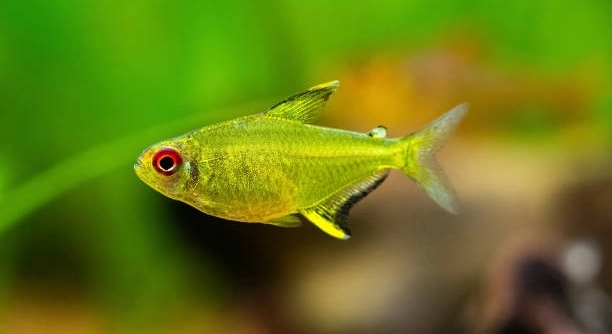
Lemon tetras are small, bright fish that brighten any aquarium. Their colors are delicate, and their behavior is gentle. Many hobbyists want to know how to keep them comfortable and happy in their tank environment.
Lemon tetras prefer lighting conditions that are soft to moderate, mimicking natural daylight filtered through plants. They thrive under consistent light cycles, avoiding sudden brightness or deep shadows, which helps reduce stress and promotes natural behavior and coloration.
Learning how light affects these fish can improve their health and well-being. Small changes in lighting can make a big difference in their daily activity and overall comfort.
Soft, Filtered Lighting
Soft, filtered lighting is ideal for lemon tetras. They are small fish with delicate coloration that can fade under harsh light. Using dimmers or placing plants in the aquarium helps diffuse bright light, creating gentle illumination. This makes the fish feel secure, reducing stress and promoting natural activity. Overly bright lighting can make lemon tetras hide constantly, preventing them from swimming freely or displaying their yellow tones. You can simulate their natural habitat by adding floating plants or positioning the tank away from direct sunlight. Consistent, soft lighting also supports their feeding habits. They are more likely to forage openly when the light is not too intense. Adjusting the intensity gradually is important because sudden changes can startle the fish, leading to erratic swimming or hiding. Watching their behavior will show you if the lighting is too strong or too dim, allowing small adjustments that make a noticeable difference in their comfort and health.
Soft lighting helps the fish stay active and reduces stress, making their environment closer to natural conditions.
Creating a balanced light setup is not complicated. Use timers to maintain a steady day-night cycle, which supports natural rhythms. Incorporating floating or leafy plants softens light further and gives hiding spots. You can choose LED lights with adjustable intensity to fine-tune the environment. Avoid placing the tank in direct sunlight to prevent glare or sudden brightness shifts. Regular observation is key—if fish seem skittish, lower the light gradually. Maintaining a soft, filtered light for several hours daily encourages proper feeding, swimming, and coloration. It also reduces aggressive behavior among fish and ensures a calmer atmosphere. Combining timers, plants, and adjustable lighting creates an aquarium that mimics natural conditions without extra stress. Over time, you’ll notice healthier, more vibrant lemon tetras that move confidently and display brighter colors. This setup also makes other tank inhabitants feel more secure, enhancing the overall balance of the aquarium ecosystem.
Consistent Day-Night Cycle
Lemon tetras thrive when light and dark periods are predictable.
Maintaining a regular cycle of 10–12 hours of light followed by darkness helps regulate their biological rhythms. Fish become more active during light hours, feeding naturally and swimming freely. Darkness encourages rest and reduces stress. Using timers ensures the cycle is consistent, preventing sudden shifts that could unsettle the fish. Inconsistent lighting can disrupt their behavior and impact health, leading to lethargy or poor appetite. Adjust lighting gradually when making changes to avoid startling them. A steady rhythm also enhances coloration over time. Observing their activity levels helps confirm the cycle works effectively. Consistency in light cycles benefits all tank inhabitants, not just lemon tetras.
Would you like me to continue with the next lighting condition in the same format?
Low-Intensity Lighting
Low-intensity lighting keeps lemon tetras calm and visible without stressing them. This kind of lighting works well in heavily planted tanks or tanks with shaded areas, allowing the fish to move naturally while showing their soft yellow coloration clearly.
Maintaining low-intensity lighting prevents sudden flashes or reflections that can startle the fish. LED lights with adjustable settings are ideal for creating a gentle glow throughout the tank. Placing taller plants near light sources helps diffuse brightness further. Low light encourages natural schooling behavior, as the fish feel safer and swim more openly. It also promotes feeding because fish are less likely to hide. Keeping a steady, soft light schedule supports healthy biological rhythms. Observing the fish helps confirm whether the intensity is comfortable, and small adjustments can improve their activity and color.
Over time, low-intensity lighting reduces stress indicators such as darting or clinging to corners. Fish exhibit more natural swimming patterns and interact better with tankmates. It also allows plants to thrive without overheating or excessive algae growth. Choosing the right bulb type and positioning ensures the tank maintains uniform illumination. Monitoring the light daily ensures it remains within a safe range. Gradual changes in light intensity help the fish adjust naturally. This setup benefits all tank inhabitants, creating a balanced, peaceful environment that highlights the beauty of lemon tetras.
Moderate Daylight Simulation
Moderate daylight simulation provides a balanced light similar to natural conditions, keeping lemon tetras active and healthy. It prevents both overstimulation and dullness, allowing the fish to display bright yellow tones naturally and move confidently throughout the tank.
Using LED lights that mimic daylight for 10–12 hours is ideal. This intensity supports plant growth while keeping fish comfortable. Gradual transitions between light and dark prevent stress and help regulate feeding patterns. Combining moderate light with floating plants diffuses brightness naturally, allowing areas for rest and exploration. Maintaining this balance encourages consistent coloration and normal behavior.
A well-calibrated daylight simulation benefits the aquarium ecosystem as a whole. Fish show stronger schooling tendencies and reduced hiding. Plants grow evenly, absorbing nutrients and supporting water quality. This kind of lighting also makes observation easier without shocking the fish. Adjusting the intensity slightly throughout the day can mimic natural shifts in sunlight, keeping the environment dynamic. Fish acclimate quickly and maintain steady health indicators, including vibrant coloration, active swimming, and regular feeding. Over time, moderate daylight simulation helps prevent aggression or lethargy, creating a peaceful, visually appealing tank. Proper placement of lights ensures uniform coverage, avoiding overly bright spots or dark corners that could stress lemon tetras.
Dimmed Evening Lighting
Dimmed evening lighting signals lemon tetras that the day is ending. It helps them slow down activity naturally and prepare for resting, reducing stress and promoting a calm environment in the aquarium.
Lowering light gradually in the evening prevents sudden darkness, which can startle the fish. Maintaining this gentle transition supports natural behavior and ensures they feel safe, promoting consistent sleep patterns.
Indirect Natural Light
Indirect natural light enhances lemon tetras’ color without exposing them to harsh sunlight. Placing the tank near a bright but shaded window provides a soft glow that keeps the fish comfortable and active.
Balanced LED Lighting
Balanced LED lighting gives consistent brightness and color spectrum, which supports lemon tetras’ health and plant growth. Adjusting the intensity and timing creates an even environment throughout the tank, preventing shadows or overly bright spots that could stress the fish.
Shaded Areas
Providing shaded areas in the tank helps lemon tetras find shelter and reduces stress. Plants, decorations, or floating foliage create safe spots where the fish can rest or hide when needed.
FAQ
What type of lighting is safest for lemon tetras?
Soft, low- to moderate-intensity lighting is safest. Harsh or overly bright light can stress them, causing hiding or erratic swimming. LED lights with adjustable settings work well because they provide consistent illumination without overheating the tank. Including plants or decorations can diffuse light naturally, giving the fish safe areas to rest.
How long should the lights stay on each day?
A steady 10–12 hours of light per day is ideal. This simulates a natural day-night cycle, keeping fish active during light hours and calm during darkness. Using timers helps maintain consistency, which prevents sudden changes that can upset their biological rhythm.
Can lemon tetras handle direct sunlight?
No, direct sunlight can be harmful. It can overheat the tank and create sudden bright spots that stress the fish. Indirect natural light is better, as it provides a soft glow without causing rapid temperature changes or strong reflections on the water.
Do floating plants help with lighting?
Yes, floating plants are very helpful. They diffuse incoming light and create shaded areas where lemon tetras can hide if they feel stressed. This mimics their natural habitat and encourages normal swimming and feeding behavior.
Is it okay to use colored lights in the tank?
Colored lights can be used sparingly, but natural spectrum lights are preferred. Bright or intense colored lights may alter fish behavior and stress them. Soft, neutral LED lights allow the fish to display natural colors and maintain consistent activity.
How can I tell if the lighting is too strong?
Signs include fish hiding frequently, darting around, or staying near shaded areas. Faded colors or reduced swimming activity can also indicate stress. Observing behavior closely and gradually adjusting the light intensity usually solves these problems.
Should lighting be the same all year round?
Consistency is important, but minor seasonal adjustments can mimic natural changes. Slightly longer light periods in warmer months and shorter in colder months are fine, as long as transitions are gradual and do not cause sudden shifts that upset the fish.
Can low lighting affect plant growth?
Yes, very low lighting may slow plant growth. Using moderate light or supplementing with full-spectrum LED lights helps maintain plant health while keeping lemon tetras comfortable. Plants also improve water quality and provide hiding spots, benefiting the fish overall.
Is it necessary to dim lights gradually in the evening?
Yes, dimming lights gradually prevents sudden darkness that could startle lemon tetras. Slow transitions allow them to adjust naturally and establish a healthy sleep cycle. Timers or adjustable LEDs make this process simple and reliable.
How often should I check the lighting setup?
Daily observation is best. Look for signs of stress in the fish, uneven light distribution, or overly bright spots. Adjustments can be made gradually to ensure the tank remains comfortable, balanced, and visually appealing.
Do lemon tetras prefer shaded corners?
Yes, shaded corners provide a sense of security. Using plants, rocks, or decorations to create darker areas helps fish rest and reduces stress. They often retreat to these spots during intense activity periods or when they feel threatened.
Can lighting influence feeding behavior?
Yes, proper lighting encourages natural feeding patterns. Bright or inconsistent lighting can make fish hide, while balanced light helps them forage openly, eat regularly, and maintain healthy growth. Observing their activity during feeding times confirms if the lighting is suitable.
Should I mix natural and artificial light?
Yes, mixing indirect natural light with soft artificial lighting works well. Natural light provides gentle illumination, while artificial lights maintain consistent intensity when daylight is low or unavailable. The combination ensures a stable environment and reduces stress for lemon tetras.
What is the ideal LED color temperature?
A neutral to slightly warm color temperature around 5000–6500K is ideal. It replicates daylight, enhancing fish coloration and supporting plant growth without creating harsh glare or overly bright spots. Avoid extremes that could disturb natural behavior.
Can sudden light changes harm lemon tetras?
Yes, sudden flashes or turning lights on/off abruptly can stress them, leading to hiding, darting, or reduced feeding. Gradual transitions using timers or dimmers help them adapt smoothly, maintaining normal behavior and coloration.
How important is light positioning in the tank?
Very important. Position lights evenly to avoid overly bright or dark areas. Floating plants or decorations help diffuse light naturally. Proper positioning ensures that fish have safe zones and promotes uniform growth for plants, creating a balanced aquarium environment.
Do lemon tetras prefer longer or shorter light periods?
Moderate periods of 10–12 hours are ideal. Longer periods can increase algae growth and stress the fish, while shorter periods may reduce activity and feeding. A consistent, predictable cycle is most beneficial for their health and behavior.
Can lights affect the mood of lemon tetras?
Yes, lighting significantly influences their behavior. Properly balanced light encourages active swimming, schooling, and feeding. Too bright or uneven lighting can cause stress, hiding, or lethargy. Observing their responses helps maintain an optimal environment that supports both comfort and vibrant coloration.
Is it necessary to have different lighting for day and night?
Yes, having a distinction between day and night lighting helps maintain natural rhythms. Bright enough for daytime activity, and dim or off at night for rest, ensures lemon tetras remain healthy, active, and stress-free.
What adjustments are needed for small versus large tanks?
Small tanks may need lower-intensity lights to prevent glare, while larger tanks can benefit from more evenly distributed moderate lighting. In both cases, providing shaded areas and gradual transitions ensures comfort and reduces stress, regardless of tank size.
This FAQ addresses common concerns about lighting for lemon tetras, providing guidance for creating a calm, healthy, and visually appealing tank environment.
Final thoughts on lighting for lemon tetras center on creating a stable and comfortable environment. Proper lighting influences their behavior, health, and appearance in ways that are easy to notice over time. Lemon tetras are small, delicate fish, and sudden changes in light can easily stress them. By keeping the lighting soft, moderate, and consistent, you allow them to swim freely, display their natural colors, and engage in normal schooling behavior. Soft lighting can be achieved through low-intensity LEDs, shaded areas, or floating plants that diffuse bright light. Observing the fish regularly shows how they respond to light, making it easier to adjust intensity and timing as needed.
Consistent day-night cycles are essential for lemon tetras. They rely on predictable lighting patterns to regulate feeding, swimming, and resting periods. Lights should ideally be on for 10–12 hours and off for the remainder, simulating a natural day and night rhythm. Using timers helps maintain this schedule without manual effort, ensuring the fish are not exposed to sudden changes that could trigger stress or hiding. Gradual dimming in the evening is also beneficial, signaling to the fish that the day is ending. Over time, maintaining a reliable cycle supports their overall health and encourages natural behavior, making them more active during the day and calm at night.
Lighting also affects the tank environment as a whole. Proper illumination supports plant growth, helps maintain water quality, and creates areas where fish can feel safe. Shaded corners or floating foliage give lemon tetras places to retreat when they want to rest, which reduces stress and prevents aggressive interactions. Choosing neutral or daylight-spectrum LED lights helps maintain vibrant coloration and avoids creating unnatural stress-inducing glare. Consistent observation and small adjustments allow the lighting setup to meet the needs of both fish and plants effectively. Overall, well-planned lighting enhances the comfort, health, and beauty of lemon tetras, creating a tank environment that encourages active behavior, natural feeding patterns, and a balanced, peaceful aquarium ecosystem.

Hello,
If you enjoy the content that we create, please consider saying a "Thank You!" by leaving a tip.
Every little bit helps us continue crafting quality advice that supports the health, happiness, and well-being of pets around the world, for pets of all shapes, sizes, and species.
We really appreciate the kindness and support that you show us!