
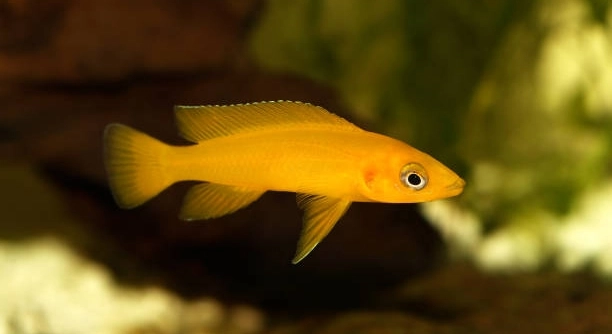
Do you enjoy keeping fish but wonder how environmental changes might affect them? Lemon tetras are small, vibrant fish that bring life to aquariums, and their reactions to new surroundings can be subtle yet important for their care.
Lemon tetras generally tolerate moderate changes in scenery, but sudden or frequent alterations can cause stress. Gradual adjustments and consistent water conditions help maintain their well-being, ensuring they continue to display normal social and feeding behaviors.
Understanding how these fish respond to changes can improve your aquarium setup. We will explore the best ways to manage scenery shifts for their comfort and health.
How Lemon Tetras React to New Decorations
When introducing new decorations or plants into a tank, lemon tetras may initially show cautious behavior. They often swim around the new object, inspecting it while keeping close to familiar areas. This is a natural response to changes in their environment. Sudden additions or frequent rearrangements can trigger stress, causing them to hide or reduce their activity. Over time, they usually adapt if changes are made gradually. Observing their swimming patterns and social interactions is important to gauge comfort levels. Providing ample hiding spots and stable water conditions helps reduce stress. New plants or ornaments should be cleaned and free of chemicals before adding them. Minimal disruption during changes supports their natural behavior. A balanced diet and consistent feeding schedule also help maintain stability. Overall, gentle adjustments and careful observation allow lemon tetras to remain healthy and active in a changing environment.
Gradual changes with proper care allow lemon tetras to adapt smoothly without disrupting their normal routines or causing stress in the tank.
Monitoring their reactions closely ensures that each addition or rearrangement enhances the tank without negatively affecting their behavior. Observing their schooling patterns, feeding habits, and interactions with other fish provides clear insight into how well they adjust. Adjustments should be spaced out over days or weeks rather than made all at once. Creating areas for exploration while maintaining familiar hiding spots helps them feel secure. This balance between novelty and stability is key for their well-being. Changes that are too drastic can lead to prolonged hiding or reduced appetite, which may affect overall health. By introducing new elements carefully and consistently, you can encourage natural curiosity and maintain a healthy social dynamic among the tetras. Proper water quality, temperature, and lighting further support their adaptation, ensuring the tank remains a safe and engaging environment.
Benefits of Changing Aquarium Scenery
Changing aquarium scenery can reduce boredom and encourage natural behaviors. Lemon tetras may explore new areas, swim more actively, and engage in social interactions when their environment is refreshed.
Thoughtful rearrangements can improve mental stimulation and overall tank dynamics. Providing varied hiding spots, plants, or ornaments encourages exploration and reduces monotony. Over time, this leads to healthier activity levels and better display of their natural colors. Changes should be incremental to avoid startling the fish. Rotating decorations or adjusting plants gradually helps them acclimate while keeping their environment engaging. When scenery updates are combined with stable water conditions and consistent feeding, lemon tetras thrive. Observing the fish during these changes ensures that any signs of stress can be addressed quickly. Properly managed scenery adjustments contribute to the visual appeal of the tank and support the fish’s physical and emotional well-being, making them more active and responsive within their aquatic habitat.
Signs of Stress During Scenery Changes
Lemon tetras may hide more often, swim erratically, or lose appetite when stressed. Changes in their environment can trigger these behaviors, signaling the need for slower adjustments and a stable tank setup.
Stress in lemon tetras is often subtle at first. They may cluster in corners, avoid open areas, or become less interactive with other fish. Prolonged stress can affect their immune system, making them more susceptible to illness. Observing small behavioral shifts is essential. Gradual introduction of new decorations, maintaining consistent water parameters, and providing hiding spaces help reduce stress. Feeding routines should remain steady to reassure the fish. By monitoring these signs closely, you can ensure changes do not negatively impact their health or social interactions.
Hiding behavior is the most common indicator of discomfort. Along with reduced activity, color fading and irregular swimming patterns suggest the fish are not adjusting well. Quick, frequent changes in scenery increase stress levels. Providing familiar objects alongside new items helps them explore safely. Consistent monitoring allows you to intervene if stress persists.
Best Practices for Changing Aquarium Scenery
Introduce new decorations gradually, spacing adjustments over several days to prevent overwhelming lemon tetras. Keeping water conditions stable is crucial.
When changing tank scenery, avoid drastic rearrangements. Begin with small additions, like one plant or ornament at a time. Observe the fish’s reactions and adjust pace if signs of stress appear. Maintaining water temperature, pH, and cleanliness is critical. Ensure the new decorations are safe and free from chemicals. Combining gradual changes with stable conditions encourages exploration while minimizing stress. Lemon tetras adapt better when they have familiar reference points, such as their usual hiding spots. Regular monitoring allows for adjustments and ensures fish remain active, healthy, and comfortable in the evolving environment.
Preparing the Tank for Changes
Clean all new decorations thoroughly before adding them to the tank. Rinsing with dechlorinated water removes dust and chemicals that could harm lemon tetras.
Ensure plants and ornaments are securely placed. Avoid sharp edges or unstable objects that could injure the fish. Stability promotes safety and reduces stress during exploration.
Observing Fish Behavior
Monitor how lemon tetras interact with the new environment. Look for signs like increased swimming, hiding, or color changes, which indicate comfort or stress.
Pay attention to schooling behavior. Healthy fish continue to swim together and explore gradually. Noticing these patterns helps gauge whether further adjustments are needed, ensuring a smooth transition.
Gradual Rearrangement Techniques
Move one decoration at a time instead of making large changes. Spacing adjustments over several days gives fish time to adapt naturally without overwhelming them. This approach reduces stress and supports consistent activity levels.
Maintaining Water Stability
Keep water temperature, pH, and filtration consistent during changes. Stability in water conditions ensures lemon tetras remain healthy and minimizes the impact of environmental adjustments.
FAQ
Do lemon tetras like sudden changes in their environment?
Lemon tetras do not respond well to sudden changes. Quick rearrangements or adding multiple new decorations at once can cause stress, leading to hiding, erratic swimming, or reduced appetite. Gradual changes are safer and allow them to adjust without affecting their health or behavior.
How often can I rearrange decorations for lemon tetras?
Frequent rearrangements are not recommended. Spacing changes over days or weeks gives the fish time to adapt. Small, incremental adjustments are ideal. Introducing one new plant or ornament at a time reduces stress and encourages natural exploration while keeping their daily routine stable.
What are the signs that lemon tetras are stressed by scenery changes?
Hiding, color fading, erratic swimming, and loss of appetite are common indicators. Stress can also lead to weakened immune systems and increased susceptibility to disease. Monitoring fish closely during changes allows you to intervene and prevent long-term issues.
Can lemon tetras adapt to a completely new tank setup?
Yes, they can, but adaptation requires time and careful preparation. Gradual introduction of familiar items alongside new decorations helps them feel secure. Stable water conditions, consistent feeding, and minimal disruption ensure they adjust successfully to a new layout.
Do hiding spots help during tank changes?
Absolutely. Hiding spots like plants, caves, or ornaments give lemon tetras security while exploring new areas. These areas reduce stress, encourage natural behaviors, and provide a refuge if fish feel overwhelmed by changes.
Will changing plants affect their behavior?
Yes, plants influence their swimming patterns and exploration. Adding new plants can stimulate activity, but removing familiar ones abruptly may cause stress. Keeping some consistent vegetation helps them maintain a sense of familiarity while introducing novelty.
How long does it take for lemon tetras to adjust to new scenery?
Adjustment varies but generally takes a few days to a week. Monitoring their activity and feeding during this period ensures they are adapting properly. Gradual changes shorten stress periods and promote healthy social interactions.
Are there decorations lemon tetras prefer?
Lemon tetras enjoy plants, smooth rocks, and gentle hiding spots. They prefer a balanced mix of open swimming areas and places to retreat. Avoid sharp or rough objects that could injure them during exploration.
Does water stability affect their response to changes?
Yes, consistent temperature, pH, and filtration are critical. Even minor fluctuations combined with environmental changes can increase stress. Maintaining stable water conditions supports health and smooth adaptation to new scenery.
Can changing tank scenery improve their activity levels?
When done carefully, yes. Thoughtful updates encourage exploration and natural schooling behavior. Gradual changes combined with stable conditions and hiding spots keep them active, curious, and less prone to stress, improving overall well-being and display of color.
Is it safe to move multiple fish along with scenery changes?
Yes, but stress should be minimized. Introducing new decorations while moving fish should be done slowly. Avoid overcrowding and ensure each fish has access to hiding areas to reduce tension and prevent aggressive behavior.
Should I monitor feeding during scenery changes?
Absolutely. Maintaining a consistent feeding routine reassures fish and reduces stress. Any changes in appetite can indicate discomfort. Feeding at the same times and using familiar food helps them feel secure as they adjust to their updated environment.
Do lemon tetras show curiosity toward new objects?
Yes, but curiosity varies by individual fish. Some explore quickly while others remain cautious. Providing safe and gradual exposure allows all fish to investigate new items without triggering stress responses.
Are there risks to rearranging the tank too often?
Frequent rearrangements can lead to chronic stress, reduced immunity, and unhealthy behavior patterns. Limiting changes to small, spaced adjustments ensures the fish remain comfortable, active, and visually vibrant while minimizing health risks.
How can I tell if my lemon tetras are thriving after changes?
Signs of thriving include consistent schooling, active swimming, bright colors, and regular feeding. Observing these behaviors confirms that the fish have adapted well and that the tank changes have had a positive impact on their well-being.
Final Thoughts
Lemon tetras are small, active fish that bring life to an aquarium, but they are sensitive to changes in their environment. Sudden rearrangements or frequent updates to decorations can cause stress, which may affect their behavior, appetite, and overall health. Observing the fish closely during any change is essential to ensure they remain comfortable. Signs of stress include hiding more often, swimming erratically, or losing color. Gradual changes, rather than drastic alterations, help the fish adapt naturally. Introducing new plants or ornaments one at a time, keeping familiar hiding spots, and maintaining stable water conditions all contribute to reducing stress. The goal is to create an environment that balances novelty with stability, allowing lemon tetras to explore safely while retaining a sense of familiarity. Their well-being depends on careful planning and consistent observation during these changes.
Maintaining stable water conditions is critical when changing aquarium scenery. Temperature, pH, and filtration should remain consistent to prevent additional stress. Even small fluctuations in water parameters combined with environmental changes can disrupt their routine and health. Feeding should also remain steady, with familiar food offered at the same times daily. By combining gradual physical changes in the tank with consistent care practices, lemon tetras are more likely to remain active, display vibrant colors, and engage in normal social behavior. Providing adequate hiding spots such as plants, caves, or ornaments helps them feel secure while exploring new areas. Observing their swimming patterns and interactions with other fish is a good way to gauge how well they are adjusting. Gradual introductions allow the fish to learn and adapt without feeling overwhelmed, promoting a healthy, thriving aquarium environment.
Changing aquarium scenery can be beneficial when managed carefully. Thoughtful adjustments can reduce boredom, stimulate natural behaviors, and make the tank more visually interesting. Lemon tetras tend to explore new areas over time, which encourages activity and strengthens social interactions within the school. However, it is important to respect their limits and avoid frequent or sudden alterations. A balance of old and new elements helps maintain their comfort while encouraging curiosity. Monitoring their reactions during changes allows immediate intervention if stress appears, ensuring long-term health. Ultimately, a well-planned approach to scenery changes supports both the fish’s physical well-being and their emotional comfort, creating an environment that is safe, engaging, and enjoyable for lemon tetras to thrive.

Hello,
If you enjoy the content that we create, please consider saying a "Thank You!" by leaving a tip.
Every little bit helps us continue crafting quality advice that supports the health, happiness, and well-being of pets around the world, for pets of all shapes, sizes, and species.
We really appreciate the kindness and support that you show us!