
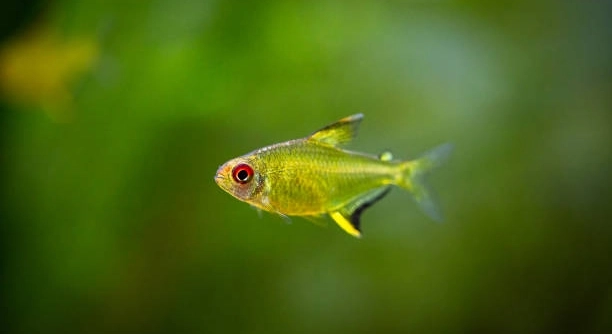
Have you ever noticed your lemon tetra trembling in one spot, almost as if it cannot move? Many fish owners find this behavior worrying and wonder if their small, colorful pet is in distress or discomfort.
Shivering in lemon tetras is usually a response to stress, poor water conditions, or sudden changes in temperature. Ensuring stable water parameters, proper tank mates, and a well-maintained environment helps reduce this behavior and supports the fish’s overall health.
Observing your tetra closely can reveal important signs about its well-being and the condition of its tank environment.
Common Causes of Shivering in Lemon Tetras
Many lemon tetras begin to shiver when their environment is not ideal. Temperature changes, poor water quality, or sudden movement in the tank can all trigger this behavior. Sometimes, they shake because the water has too many chemicals or not enough oxygen. Overcrowding the tank can also stress them, making them jittery. Even a simple change like moving decorations or adding new fish can make a tetra uneasy. These fish are small and sensitive, so they need consistent conditions. Paying attention to their tank can prevent stress and shivering. Maintaining a steady temperature, cleaning the tank regularly, and ensuring enough space will help your tetra feel safe. Watching their behavior every day helps notice small changes before they become bigger problems. Providing hiding spots and gentle lighting can also reduce stress. Healthy fish are calmer and move smoothly, not trembling.
Shivering often happens when fish feel unsafe or stressed. Addressing tank conditions usually resolves the behavior quickly.
Observing the fish closely can show patterns in their shivering. If it happens after feeding, it might be linked to diet. If it occurs near new fish, it could be stress from social changes. Regularly testing water for ammonia, nitrites, and pH can help detect problems early. Shivering is a signal your tetra needs better care or adjustments in its tank. Acting fast can prevent illness and keep the fish healthy.
Water Temperature and Quality
Even small temperature shifts can upset lemon tetras. Cold water or sudden heat changes can make them shiver and hide.
Maintaining a steady temperature between 74°F and 80°F is best. Using a reliable heater and thermometer prevents dangerous fluctuations that stress the fish. Clean water is equally important. Frequent partial water changes remove waste, chemicals, and leftover food that can harm them. Testing water parameters weekly ensures pH, ammonia, and nitrite levels are safe. Avoid overcrowding and provide gentle filtration to keep water calm. Balanced nutrition and avoiding overfeeding also protect water quality. If your tetra continues shivering despite these steps, consulting an expert or veterinarian can help identify hidden issues, such as illness or parasites. A stable environment reduces stress, allowing your lemon tetra to swim confidently and behave naturally. With patience and observation, you can ensure your fish stays active and healthy in its tank.
Stress from Tank Mates
Lemon tetras can shiver when housed with aggressive or overly active fish. Conflicts and constant chasing increase stress levels, causing trembling. Choosing calm, compatible species reduces anxiety and helps them settle.
Keeping peaceful tank mates is crucial. Lemon tetras thrive with other small, non-aggressive fish. Avoid fin-nipping species or large fish that might intimidate them. Observe interactions daily to catch early signs of bullying or stress. Rearranging the tank or adding hiding spots can ease tensions. Even small changes, like separating overly active fish temporarily, can make a noticeable difference. Stress not only causes shivering but also weakens the immune system, making them prone to disease. Ensuring a balanced social environment supports calm swimming and natural behavior.
Shivering may also occur when new fish are introduced. Lemon tetras need time to adjust to newcomers. Gradually acclimating new additions and monitoring interactions minimizes stress. Providing plenty of space and plants helps fish feel secure.
Illness and Parasites
Parasites, bacterial infections, and other illnesses can trigger shivering. Identifying early signs helps prevent serious health issues.
If your lemon tetra shows prolonged trembling, rapid gill movement, or loss of appetite, illness could be the reason. Waterborne parasites often cause subtle changes at first, like flicking against objects or slight color fading. Bacterial infections may follow poor water conditions or stress. Quarantining sick fish and maintaining optimal tank conditions can reduce the spread of disease. Treatments depend on the diagnosis but often include medicated food or water treatments. Regular observation, proper nutrition, and consistent cleaning routines are key to preventing illness. Acting early increases the chance of recovery and keeps the fish thriving in a safe, stable environment.
Sudden Environmental Changes
Lemon tetras shiver when exposed to sudden light or noise changes. Abrupt disturbances startle them and increase stress levels. Keeping the tank in a quiet, stable area helps them feel secure.
Even small adjustments, like moving the tank or adding decorations quickly, can trigger trembling. Gradual changes are better for sensitive fish.
Overfeeding and Poor Diet
Overfeeding can cause digestive problems, leading to shivering and lethargy. Uneaten food also degrades water quality, stressing the fish further. A balanced diet with controlled portions supports healthy swimming and reduces trembling.
Aging and Natural Behavior
Older lemon tetras may shiver more often as part of natural aging. Their energy levels decrease, and minor tremors can appear without indicating illness.
Observation and Monitoring
Keeping a close watch on your tetra helps detect patterns in shivering. Note changes in water, diet, or tank mates to address issues quickly.
Why is my lemon tetra shivering only at certain times of the day?
Shivering at specific times often links to changes in light, noise, or feeding schedules. Morning disturbances from room lights or household activity can startle them. Similarly, sudden movements near the tank during feeding times may create temporary stress. Lemon tetras are sensitive to their environment, and even minor fluctuations can trigger trembling. Keeping the tank in a consistent, quiet area and maintaining predictable feeding routines can help minimize these episodes. Observing the timing of shivering helps identify what environmental factors may be affecting your fish.
Can water temperature alone cause constant shivering?
Yes, water temperature is a major factor in trembling behavior. Lemon tetras thrive in stable water between 74°F and 80°F. Temperatures that drop too low or spike too high can stress their metabolism and immune system, causing shivering. Even a difference of a few degrees can lead to noticeable tremors. Using a reliable heater, thermometer, and insulation for the tank prevents rapid fluctuations. Sudden temperature changes during water changes are also common triggers. Gradually adjusting water temperature and monitoring the tank daily ensures a stable environment, helping reduce shivering over time.
Could shivering be an early sign of disease?
Shivering can indicate illness, especially when combined with other symptoms like faded colors, loss of appetite, or unusual swimming patterns. Parasites, bacterial infections, or stress-induced weakening of the immune system often manifest as trembling. Early detection is key to treatment. Quarantining the affected fish, testing water parameters, and consulting a veterinarian or aquatic specialist can prevent disease from spreading. Treatments may include medicated foods or water additives depending on the diagnosis. Observing your tetra daily allows you to notice subtle changes before problems escalate, giving your fish the best chance of recovery and health maintenance.
Does stress from tank mates always cause shivering?
Not always, but it is a common factor. Aggressive or overly active fish can intimidate lemon tetras, making them shiver or hide. Even subtle social stress, like frequent chasing or competition for food, can trigger trembling. Peaceful, compatible tank mates reduce stress and promote calmer behavior. Adding hiding spots, plants, or rearranging tank decorations can give tetras safe spaces, lowering anxiety. Gradual introductions of new fish also help maintain a stable social environment. Observing fish interactions ensures that all tank mates coexist comfortably and that shivering is not caused by social pressure.
Can diet influence shivering in lemon tetras?
Yes, diet plays an important role. Overfeeding can lead to digestive discomfort and water contamination, both of which stress fish and may cause shivering. Uneaten food decomposes, producing ammonia and affecting water quality. A balanced diet with small, frequent meals helps maintain their energy and reduces trembling. High-quality flake, freeze-dried, or live food ensures they receive proper nutrients. Avoid sudden dietary changes, as lemon tetras can be sensitive to new foods. Monitoring feeding habits and adjusting portions to prevent leftovers also supports stable water conditions and overall fish health.
How long does shivering usually last before it becomes concerning?
Short, occasional shivering may not be serious if environmental conditions are stable. However, if trembling persists for several hours or days, it usually indicates stress, illness, or water issues. Continuous observation is necessary. Checking water quality, tank mates, temperature, and diet can help identify the cause. Persistent shivering combined with other signs, such as lethargy, abnormal swimming, or loss of appetite, should be treated as a warning. Prompt action, such as adjusting conditions or consulting an expert, increases the likelihood of a quick recovery and keeps your tetra healthy.
Is it normal for older lemon tetras to shiver more often?
Yes, aging can contribute to minor trembling. Older tetras have slower metabolisms and may show small tremors even when otherwise healthy. These tremors are often harmless if water quality and diet are maintained. Providing stable tank conditions, proper nutrition, and minimizing stressors can reduce shivering in older fish. Observation is key, as sudden increases in trembling or additional symptoms could indicate disease or environmental problems rather than normal aging. Maintaining a calm environment supports longevity and overall well-being for aging lemon tetras.
Are there ways to prevent shivering entirely?
While occasional shivering may occur, consistent care minimizes its frequency. Stable water temperature, good filtration, proper nutrition, peaceful tank mates, and avoiding sudden disturbances are crucial. Regular observation allows early detection of potential problems. Adjusting the environment gradually and maintaining predictable routines helps lemon tetras feel safe and reduces stress-induced trembling. Proper maintenance and attention to their needs create a calm, stable habitat where shivering becomes rare, allowing your fish to thrive and exhibit natural, healthy behaviors.
Lemon tetras are small, sensitive fish that can show signs of stress or discomfort in subtle ways. Shivering in place is one of the most common behaviors owners notice, and it usually signals that something in their environment needs attention. Many factors can contribute to trembling, including water quality, temperature changes, tank mates, diet, or even aging. Understanding these factors and how they affect your fish helps create a stable, safe, and comfortable environment. Regular observation and consistent care are essential, as lemon tetras respond quickly to both positive and negative changes in their surroundings. By paying attention to their behavior, you can identify small issues before they turn into serious problems.
Maintaining water quality is one of the most important steps in preventing shivering. Lemon tetras are very sensitive to ammonia, nitrite, and pH imbalances, so testing the water regularly is essential. Partial water changes, cleaning the substrate, and proper filtration all help maintain a healthy environment. Temperature stability is equally important. Sudden fluctuations or extreme highs and lows can stress your fish and trigger trembling. Using a reliable heater and thermometer ensures the tank remains within a safe range. Even small changes, such as adding new decorations or moving the tank, can affect how secure your fish feels. By keeping their surroundings consistent and calm, your tetras will feel more comfortable and display normal, healthy behavior.
Social factors and diet also play a role in shivering. Lemon tetras are peaceful fish and do best with compatible tank mates. Aggressive or overly active fish can cause stress, leading to trembling or hiding. Adding plants, decorations, and hiding spaces gives your tetras a sense of security. Feeding routines should be consistent, and overfeeding should be avoided to prevent digestive issues and water contamination. Healthy food in proper amounts supports their energy levels and overall well-being. Aging fish may also show minor tremors naturally, so it is important to differentiate between normal behavior and signs of illness. Observing patterns, making small adjustments, and providing consistent care create an environment where lemon tetras can thrive, swim confidently, and live longer, healthier lives.

Hello,
If you enjoy the content that we create, please consider saying a "Thank You!" by leaving a tip.
Every little bit helps us continue crafting quality advice that supports the health, happiness, and well-being of pets around the world, for pets of all shapes, sizes, and species.
We really appreciate the kindness and support that you show us!