
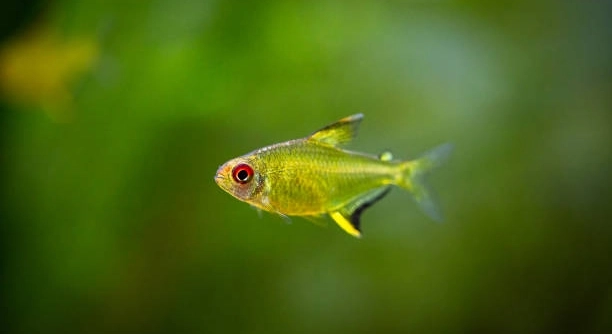
Have you ever wondered if a small tropical fish could handle life outside an indoor aquarium during warmer months, especially when the idea of a peaceful outdoor pond feels charming and simple to maintain daily.
Lemon tetra can be kept in outdoor ponds under controlled warm conditions, since stable temperatures, shaded areas, and high water quality support their health and resistance. Sudden weather shifts, predators, and poor maintenance reduce their chances of long-term survival outside.
The path to understanding their outdoor needs reveals simple details that shape healthier habitats and smoother care throughout seasonal conditions.
Temperature Requirements for Outdoor Care
Keeping lemon tetra outdoors requires careful attention to temperature stability since these fish are sensitive to sudden changes. Warm climates offer better conditions, but even then, ponds should remain within a safe range that mirrors their natural habitat. I find it helpful to think about how easily outdoor temperatures can shift, especially when clouds roll in or nights become cooler than expected. Adding floating plants creates shade that helps balance warmth and reduces stress. Many hobbyists use deeper ponds because deeper water keeps a steadier temperature during mild fluctuations. It is important to avoid placing the pond in direct sunlight all day since this raises temperatures too quickly. A simple cover or partial tree shade can make the environment far safer. Clean water also supports their comfort, so regular checks are necessary. When everything is stable, lemon tetra tend to display brighter colors and stay active throughout warm periods outdoors.
These conditions strengthen their ability to adjust while keeping them calm during warm seasons. Stable water, soft lighting, and steady airflow contribute to a gentle environment they can handle. With a few simple steps, outdoor living becomes less stressful and supports their natural behavior during the warmer parts of summer.
Monitoring weather patterns becomes an ongoing task when lemon tetra live outdoors, since storms and rapid shifts can change conditions faster than expected. I like to check forecasts every day because small drops at night may still affect their comfort. Adding a reliable thermometer helps track how steady the pond stays through the week. Some people use small pond heaters during brief cool spells, which prevents harsh dips that could stress the fish. Regular cleaning keeps debris down and water quality high, giving them a healthier space. Small adjustments like these make outdoor care much smoother overall for them daily.
Pond Safety and Habitat Design
Outdoor ponds expose lemon tetra to predators, harsh sunlight, and sudden noise, so creating protective areas is essential. Plants, netting, and soft lighting help soften their surroundings. Simple layout changes reduce tension and keep their space calm, even when outdoor activity increases nearby during long warm days each year outside.
Designing a safe pond layout for lemon tetra starts with creating shaded zones where they can retreat when temperatures rise or bright light becomes overwhelming. Floating plants and marginal vegetation soften the surface and keep the water cooler, which supports their natural comfort levels. I often think about how open spaces can make small fish feel exposed, so adding gentle hiding areas gives them a sense of security. Netting placed over sections of the pond protects them from birds without blocking airflow. Smooth water movement, created by a small filter or fountain, prevents stagnation and maintains clarity. Regular care is important because outdoor ponds collect leaves, soil, and algae quickly. Removing debris keeps the environment stable and lowers the chance of stress. Choosing a deeper section allows them to move downward when surface conditions shift, offering a natural escape from sudden heat. Warmer climates make outdoor care easier, but even in suitable regions, close attention is still needed to maintain steady water chemistry. Testing for ammonia, nitrite, and pH levels ensures they remain in a comfortable range. With consistent effort, a well planned pond can support lemon tetra in a calm and reliable outdoor space throughout warm months.
Feeding Practices for Outdoor Ponds
Feeding lemon tetra outdoors works best when portions are kept small and simple. Leftover food quickly affects water quality, so offering only what they finish within a short moment keeps their space cleaner and helps them stay active during warm outdoor seasons.
A steady feeding routine supports their comfort and prevents messy buildup around the pond. I like using small floating foods because they remain easy to observe, making it simpler to see how much they actually eat. Outdoor ponds attract insects, which gives them natural snacks, so reducing commercial food slightly helps balance their intake. Warmer water speeds up their appetite, while cooler evenings slow it down, so adjusting amounts becomes important. Keeping a close eye on feeding also shows whether the group stays healthy. If they begin to ignore food, it may signal changes in temperature or water stability that deserve attention.
Offering occasional treats strengthens their condition, especially during long stretches of warm weather. Freeze dried or live options spark more activity and support better coloration, though they must be given in controlled amounts to avoid cloudy water. I find it useful to feed at the same times each day because outdoor ponds have more variables than indoor tanks. Consistency helps the fish anticipate meals and allows you to notice any shift in appetite right away. With gentle adjustments, feeding stays manageable and keeps the pond cleaner.
Seasonal Adjustments for Outdoor Living
Warm seasons allow lemon tetra to thrive outdoors, but conditions shift quickly, so steady checks help maintain stable water. Shade becomes more important during heat waves, while mild cool periods require careful monitoring to prevent stress and maintain gentle comfort in their small outdoor groups.
Seasonal transitions demand more attention because outdoor ponds react sharply to weather patterns. I like checking temperature variations at morning and evening since these times reveal how stable the water remains. When late summer approaches, heat can linger even after sunset, so adding extra shade helps prevent unnecessary strain. As cooler months begin, reducing feeding and preparing an indoor tank becomes necessary for regions with unpredictable cold spells. Early signs of stress such as dull colors or slow movement should be taken seriously, since small outdoor fish respond quickly to changes. Regular water tests are helpful throughout shifting seasons, ensuring ammonia and pH remain steady. With consistent care, lemon tetra handle mild seasonal transitions more comfortably.
Water Quality and Maintenance
Clean water supports healthier behavior in lemon tetra, so regular checks keep outdoor ponds stable. I like removing debris often because leaves and dust collect quickly outside. Small weekly changes help prevent sudden shifts that could make the fish uneasy during warmer months.
Testing for ammonia, nitrite, and pH keeps the environment predictable. Even small outdoor ponds can fluctuate, so checking levels helps catch issues early. A gentle filter maintains movement and reduces cloudiness, making the space more comfortable for them while still keeping the pond simple to care for each week.
Pond Vegetation and Shade Control
Plants create natural shelter by filtering light and helping regulate temperature in outdoor ponds. Floating options, marginal plants, and gentle shade make the environment calmer. I find that varied vegetation also improves water stability, giving lemon tetra a safer space to move around comfortably during warm periods outside.
Observation and Daily Checks
Daily observation helps reveal early signs of stress. Watching their movement, color, and appetite makes it easier to catch slight changes before they worsen. Simple moments like these keep outdoor care steady and help maintain a calmer environment for them throughout the season.
FAQ
Can lemon tetra stay outdoors all summer?
Lemon tetra can stay outdoors through warm seasons if temperatures remain stable. I like to watch how the water behaves in early summer because sudden shifts can still happen. If nights stay mild and the pond has shade, they usually remain comfortable. Once temperatures drop, their activity slows, so bringing them indoors becomes necessary in cooler regions.
Do they need a heater in outdoor ponds?
Heaters are not always required, but they help during mild cold spells. Outdoor ponds lose heat quickly, especially at night, so using a small heater provides a buffer that prevents sudden drops. I prefer keeping one on hand because weather can change without warning. A gentle rise in temperature makes the environment steadier, which helps them avoid stress during unpredictable weeks.
How deep should the pond be for lemon tetra?
A deeper pond creates better temperature stability. I often suggest at least two feet because deeper water warms and cools more slowly than shallow areas. This helps them escape sudden surface changes caused by sunlight or rain. Even a small increase in depth offers more comfort, especially during late afternoon temperature swings. Depth also provides a safer retreat when outdoor activity becomes loud or disruptive.
Is it safe to keep them with larger fish outdoors?
Keeping lemon tetra with larger fish can be risky because their small size makes them easy targets. I try choosing peaceful companions that match their temperament. Outdoor ponds have open areas, so fish with calm behavior work better. If larger species are already present, adding extra plants helps create spaces where lemon tetra can hide comfortably. Careful planning reduces tension and improves their chances of staying safe around mixed groups.
How often should water be changed in an outdoor pond?
Small weekly changes help keep water conditions balanced. Outdoor ponds collect debris and dust faster than indoor tanks, so light maintenance prevents sudden spikes in waste. I like to remove a portion of water once a week because it refreshes the pond without disrupting the natural rhythm. Even small adjustments support better clarity and help the fish stay active during warm months.
Do lemon tetra need special food when kept outside?
Their regular diet works fine outdoors, but insects and natural organisms often appear in ponds and provide extra nutrition. I usually reduce the amount of commercial food slightly since these natural snacks add variety. Gentle feeding routines prevent cloudy water, and observing how quickly they eat helps adjust portions. Keeping meals simple supports better water quality and keeps their behavior steady.
What signs show that lemon tetra might be stressed outdoors?
Stress appears as faded color, slower movement, or loss of appetite. I pay extra attention during hot afternoons and cooler nights because these times reveal whether conditions are shifting too fast. Hiding for long periods can also signal discomfort, especially if the pond lacks shaded areas. Regular checks help catch these signs early.
Can rainwater change the pond conditions too quickly?
Heavy rain can cool the pond fast and dilute minerals in the water. I try to monitor the forecast because sudden storms create sharp changes. Adding plants and having deeper areas helps soften these effects. After rainfall, testing the water provides reassurance that everything remains balanced.
Do lemon tetra breed in outdoor ponds?
They can breed outdoors if conditions stay warm and vegetation is dense. Plants offer protection for eggs, which helps them avoid being eaten by other fish. I sometimes notice more activity during early summer when temperatures are steady. Still, outdoor breeding can be unpredictable because weather shifts affect success. If breeding is a goal, controlled indoor conditions tend to work more reliably, though outdoor attempts can still happen with enough shelter and stable warmth.
Final Thoughts
Caring for lemon tetra in outdoor ponds requires steady attention and gentle routine, but it can be rewarding when the conditions are managed correctly. These small fish respond well to warm and stable environments, so spending a little time each day checking how the pond behaves makes a meaningful difference. I find it helpful to treat the pond as an extension of an indoor tank, only with more variables that need watching. Light debris, shifting temperatures, and sudden noise are all part of outdoor spaces, and understanding how these factors influence the fish helps shape a calmer habitat. When their surroundings remain predictable, their colors stay bright and their swimming patterns remain relaxed. Simple choices like adding plants, providing shade, and making small water changes keep the pond comfortable throughout warm seasons. Outdoors, their behavior becomes more natural, and their movements reflect how well they adjust to the conditions offered. With steady care, these fish can enjoy a peaceful stretch of time outside during the year.
While outdoor ponds give them room to move and explore, they also come with challenges that require consistent handling. Weather patterns can shift suddenly, even in stable climates, so keeping an eye on forecasts helps prevent unexpected stress. Rain, heat waves, and cooler nights are all common, and each can influence water quality and temperature quickly. I have noticed that deeper ponds handle these shifts better because the water remains steadier, offering a safe retreat for the fish. Vegetation also plays an important role by creating shade, blocking harsh light, and supporting better balance in the pond. When combined with regular testing for ammonia, nitrite, and pH, these steps help prevent issues before they take hold. Feeding routines should also stay consistent, with small portions that match their daily appetite and the natural food already present outdoors. Keeping everything simple and predictable helps avoid unnecessary imbalances. Even though outdoor care requires more observation than indoor setups, it becomes manageable when handled with small, steady habits.
Outdoor living should always remain a seasonal choice for lemon tetra because they cannot handle cold temperatures. Once warm weather begins to fade, bringing them indoors becomes the safest option. I like preparing their indoor tank ahead of time so the transition feels smooth for them. Clear water, stable heat, and familiar feeding routines help them adjust back without difficulty. The shift between outdoor and indoor care becomes easier with practice, and over time it feels natural to move them when temperatures begin to drop. What matters most is keeping their comfort at the center of every decision, since these small details shape their health and behavior. When their environment stays stable and thoughtful, lemon tetra adapt well, whether under the open sky or inside a quiet room. With patience and consistent attention, outdoor ponds can offer them a gentle seasonal home that supports their needs and brings a calm sense of enjoyment to anyone caring for them.

Hello,
If you enjoy the content that we create, please consider saying a "Thank You!" by leaving a tip.
Every little bit helps us continue crafting quality advice that supports the health, happiness, and well-being of pets around the world, for pets of all shapes, sizes, and species.
We really appreciate the kindness and support that you show us!