
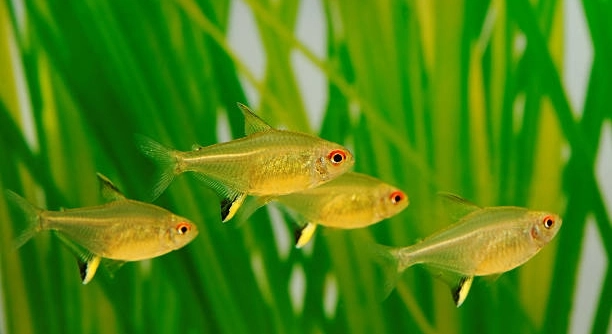
Lemon tetras are small, peaceful fish that often brighten community tanks with their bright yellow color. Observing them swim together can be calming, yet many aquarists notice subtle differences in how they interact with other fish.
Lemon tetras do show preference for certain tankmates. They tend to favor species that share similar size, temperament, and swimming patterns, reducing stress and promoting natural schooling behavior. Aggressive or overly large fish are often avoided.
Learning about these preferences can help create a more harmonious aquarium environment. Paying attention to their behavior ensures your tank remains peaceful and enjoyable for all its inhabitants.
Understanding Lemon Tetra Behavior
Lemon tetras are naturally social fish, often found schooling in groups. In a tank, they show subtle behaviors indicating comfort or stress. When they are calm and swimming closely with compatible fish, it reflects a safe environment. Rapid darting, hiding, or isolating themselves usually signals unease. They prefer tankmates that match their size and energy level. Too large or aggressive fish can intimidate them, while very slow-moving or solitary fish may not appeal to their social instincts. Lighting, tank decorations, and available swimming space also influence interactions. Observing how they position themselves relative to others provides clues about compatibility. Over time, you may notice that some fish are consistently nearby, while others are avoided. These patterns are natural and help maintain a balanced tank. Creating a community where lemon tetras can school comfortably encourages healthier, more active fish. Their choices are shaped by instinct and environmental factors, so careful planning matters.
Lemon tetras often choose tankmates that make them feel secure, preferring similar-sized, non-aggressive fish.
Noticing their subtle preferences improves tank harmony. By selecting compatible species and monitoring interactions, you can maintain a peaceful, active aquarium.
Factors Influencing Tankmate Preference
Size and temperament are key factors for lemon tetras.
Lemon tetras are drawn to fish that match their swimming style and activity level. Aggressive or very large species cause stress and disrupt schooling patterns. Peaceful, small, or medium-sized fish allow tetras to display natural behavior. Water parameters such as temperature, pH, and hardness must be compatible across species. A stable environment encourages bonding and reduces territorial disputes. Visual barriers like plants or decorations can help shy tetras feel secure while interacting with suitable tankmates. Even subtle differences, like color intensity or movement patterns, can affect choices. Feeding habits also play a role; species that compete aggressively for food may cause stress. Keeping a consistent schedule and observing how tetras respond to various neighbors helps in adjusting tank composition. Over time, the tetras’ preferences become more apparent, guiding better pairing decisions. Understanding these factors ensures a lively, peaceful community tank where fish thrive and display natural schooling behavior without conflict or stress.
Observing Tankmate Interactions
Lemon tetras often swim near compatible fish while avoiding aggressive or slow-moving species. Their position in the tank shows comfort levels. Schooling together is a clear sign of preference and security, while isolation signals stress or incompatibility.
Watching how lemon tetras interact can reveal their social choices. Fish that swim alongside them consistently are typically preferred tankmates. Differences in swimming speed, size, or temperament influence these decisions. Stress behaviors, such as hiding or rapid darting, often occur near unsuitable neighbors. Even minor changes in the tank, like rearranging plants or decorations, can affect their interactions. Observing patterns over days or weeks helps identify which species work well together and which cause tension.
Feeding times also reveal preferences. Lemon tetras often eat alongside compatible fish and avoid aggressive feeders. If they consistently keep distance from certain species, it’s a sign of discomfort. Recognizing these patterns ensures better tank harmony and supports healthier, more natural schooling behavior, making monitoring interactions an essential part of maintaining a community aquarium.
Environmental Influence on Preferences
Tank layout and decorations affect lemon tetra choices.
Lemon tetras prefer open swimming areas with scattered plants or hiding spots. They often stay near structures that provide safety while allowing movement. Crowded or barren tanks may increase stress and reduce schooling behavior.
Lighting, water flow, and temperature also influence preferences. Strong currents or bright lighting may push them toward calmer, shaded areas. Consistent water parameters across the tank support positive interactions with other fish. Decorations like plants, rocks, or driftwood create zones that reduce conflict by offering refuge or separating incompatible species. Even color contrasts in surroundings can affect comfort levels, as lemon tetras may avoid overly bright or reflective surfaces. Proper environmental management encourages natural behaviors, making it easier to see genuine preferences for tankmates.
A well-planned environment enhances schooling, reduces stress, and supports healthier social dynamics. Observing how tetras use space allows adjustments that improve comfort and compatibility. Paying attention to subtle signals, like preferred swimming zones or proximity to neighbors, ensures long-term harmony in a community tank.
Recognizing Stress Signals
Lemon tetras show stress through hiding, erratic swimming, or avoiding certain tankmates. Constantly darting or staying at the bottom indicates discomfort. Recognizing these signals early helps prevent long-term health issues and ensures a peaceful tank environment.
Changes in appetite or color can also signal stress. Pale colors, loss of sheen, or refusal to eat often accompany avoidance behaviors. Identifying which tankmates trigger these signs is key. Removing aggressive species or adjusting tank layout usually restores calm. Regular observation allows quick interventions, supporting natural schooling behavior.
Ideal Tankmate Characteristics
Preferred tankmates are small, peaceful, and active fish. They match lemon tetras’ swimming speed and temperament, encouraging natural schooling. Fish that display similar social behavior are more readily accepted, while overly aggressive or solitary species are usually avoided. Consistency in size and energy level is important for harmony.
Feeding and Social Behavior
Feeding time often reveals tankmate preferences. Lemon tetras stick close to compatible fish and avoid competitors. Observing mealtime interactions helps understand social bonds and ensures all fish remain healthy and stress-free.
FAQ
Do lemon tetras need specific tankmates?
Lemon tetras thrive with small, peaceful fish that share similar swimming patterns. Avoid aggressive or much larger species, as these can intimidate them or disrupt schooling behavior. Species like rasboras, guppies, and other small tetras often make good companions.
How many lemon tetras should be kept together?
A minimum of six is recommended. They are schooling fish, and being in a group helps reduce stress, encourages natural behavior, and prevents them from isolating themselves. Larger groups improve visual appeal and social stability in the tank.
Can lemon tetras live with bottom-dwelling fish?
Yes, they usually coexist well with calm bottom dwellers like Corydoras catfish. These species occupy different tank levels, so interactions are minimal. Make sure the bottom dwellers are peaceful and don’t compete aggressively for food.
What tank size is best for lemon tetras?
A 20-gallon tank or larger is ideal for a small school. More space allows free swimming, proper schooling, and comfortable interaction with compatible tankmates. Overcrowding increases stress and can lead to aggression or illness.
Do lemon tetras show favoritism toward certain fish?
Yes, they often choose companions based on size, temperament, and swimming style. Fish that move at a similar speed and remain calm together are more likely to be accepted. Aggressive or unusually slow fish are usually avoided.
How do lighting and decorations affect tankmate preferences?
Lemon tetras feel more comfortable with moderate lighting and hiding spaces like plants or rocks. These features reduce stress, allow shy individuals to feel secure, and encourage natural schooling behavior. Overly bright or barren tanks can cause discomfort and avoidance behaviors.
What signs show lemon tetras are comfortable with their tankmates?
Comfortable tetras swim closely with other compatible fish, display vibrant colors, and actively school. They eat alongside neighbors without hesitation and show minimal hiding or erratic movements. A peaceful, active tank indicates good compatibility.
How can I introduce new tankmates successfully?
Acclimate slowly to reduce stress. Place new fish in a quarantine or separate section of the tank first, then monitor interactions. Introduce them gradually, observing whether lemon tetras accept or avoid them, and adjust if stress signs appear.
Do lemon tetras compete for food with tankmates?
They may if the species is overly aggressive or faster. Choosing compatible fish reduces competition. Feeding in multiple areas and ensuring balanced portions helps maintain peace and allows tetras to feed without stress.
How important is water quality for tankmate harmony?
Very important. Stable temperature, pH, and clean water reduce stress, which in turn affects how tetras interact. Poor water conditions can heighten aggression or avoidance, disrupting natural schooling behavior and making tankmate choices less predictable.
Can lemon tetras adapt to new tankmates over time?
Yes, gradual introduction and a stable environment can help tetras accept new companions. Consistent water parameters, ample space, and careful observation encourage peaceful interaction. Some initial avoidance may occur, but comfort typically increases with familiarity.
What is the best diet to support social behavior?
A balanced diet of flakes, micro pellets, and occasional live or frozen foods keeps tetras healthy and active. Proper nutrition reduces stress, maintains energy levels, and promotes natural schooling behavior, making interactions with tankmates smoother and more predictable.
Do lemon tetras prefer certain tank zones over others?
Yes, they often favor open mid-level swimming areas while using plants or decorations for occasional cover. These zones provide both safety and space for interaction. Observing preferred zones helps identify which tankmates they are most comfortable with.
How can I tell if tankmates are causing stress?
Signs include hiding, rapid darting, loss of color, refusal to eat, or avoiding certain fish. Persistent stress indicates incompatibility. Adjusting tankmates or rearranging the environment usually improves comfort and restores natural schooling behavior.
Are there species that lemon tetras always avoid?
Generally, large, aggressive, or territorial fish are avoided. Species that disrupt swimming patterns or dominate food access can cause stress. Stick to peaceful, small, active species to maintain a harmonious aquarium.
How long does it take for lemon tetras to form preferences?
Preferences can form within days but become more noticeable over weeks. Regular observation helps identify consistent patterns, such as which tankmates they swim near, which they avoid, and how they respond during feeding or environmental changes.
Do juvenile lemon tetras have the same preferences as adults?
Juveniles may be more adaptable and less selective, but they still respond to size, temperament, and activity level. As they mature, preferences become clearer, and compatibility with specific tankmates may become more pronounced.
Is it okay to mix lemon tetras with other tetra species?
Yes, many tetra species are compatible. Similar size and behavior encourage schooling together. Avoid mixing with very large or aggressive tetra species that could outcompete or intimidate them. Observing interactions ensures smooth integration and reduces stress.
Do seasonal or lighting changes affect tankmate preferences?
Minor changes in lighting or temperature can influence comfort levels. Lemon tetras may shift preferred zones or temporarily avoid certain fish. Maintaining stable conditions and gradual adjustments helps preserve social balance and natural schooling behavior.
How can I maintain long-term harmony in a community tank?
Choose compatible species, maintain stable water conditions, provide space and hiding spots, and monitor behavior regularly. Adjusting feeding routines, decorations, and tank layout supports comfort. Observing interactions ensures lemon tetras continue to thrive alongside their preferred tankmates.
Do lemon tetras recognize individual fish?
They may distinguish between consistent tankmates and avoid more aggressive or slower individuals. This recognition is subtle but impacts schooling patterns and proximity preferences. Paying attention to these patterns helps in arranging harmonious groups.
What should I do if conflicts arise?
Remove aggressive or incompatible species, adjust decorations for hiding spaces, and monitor stress signs. Ensuring proper feeding and water conditions supports calmer interactions. Over time, compatible fish will reestablish schooling and social balance, minimizing conflict in the tank.
Lemon tetras are small, peaceful fish that can bring life and movement to a community tank. Their bright yellow color and natural schooling behavior make them enjoyable to watch. One of the most interesting aspects of keeping lemon tetras is noticing how they interact with other fish. They are social creatures and tend to form preferences for certain tankmates, usually based on size, temperament, and activity level. Fish that swim at a similar pace and are not aggressive are more likely to be accepted, while larger or more dominant fish are often avoided. Over time, you can see patterns in how they behave, who they swim near, and how comfortable they appear. Understanding these preferences is important because it helps create a tank environment where all fish can coexist peacefully and thrive. Observing them regularly can reveal subtle signs, like which fish they follow, which ones they avoid, or when they seek hiding spots to feel safe. These patterns give valuable insights into the social dynamics of your aquarium.
Tank setup and environmental factors play a significant role in supporting healthy interactions. Lemon tetras need open swimming areas, moderate lighting, and hiding spots like plants or decorations. A well-planned layout allows them to feel secure while interacting naturally with compatible species. Water quality is also crucial; consistent temperature, pH, and cleanliness reduce stress, which directly affects behavior and social preferences. During feeding, lemon tetras often stick close to tankmates they trust and avoid competitors. Watching feeding behavior is a helpful way to understand compatibility. Even minor changes, like rearranging plants or adjusting decorations, can influence how they choose companions and where they spend their time. Paying attention to these environmental details ensures that the tetras can display their natural schooling behavior, reducing stress and encouraging more harmonious interactions across the tank.
Maintaining a peaceful community tank with lemon tetras requires ongoing observation and adjustment. Regularly monitoring behavior, feeding patterns, and water conditions helps identify any issues early, allowing you to make changes before stress or conflict becomes a problem. Choosing compatible species from the start is important, but even after setting up a tank, fish may show evolving preferences as they settle in. Providing adequate space, consistent water conditions, and a balanced diet supports healthy behavior and long-term compatibility. Over time, you will notice which tankmates they prefer, how they interact during feeding, and where they feel safest in the tank. Creating this kind of environment helps all the fish feel comfortable and reduces the risk of aggression or stress. Understanding and responding to their preferences not only benefits the lemon tetras but also improves the overall harmony of the aquarium, making it a calmer, more enjoyable place to observe and care for.

Hello,
If you enjoy the content that we create, please consider saying a "Thank You!" by leaving a tip.
Every little bit helps us continue crafting quality advice that supports the health, happiness, and well-being of pets around the world, for pets of all shapes, sizes, and species.
We really appreciate the kindness and support that you show us!