
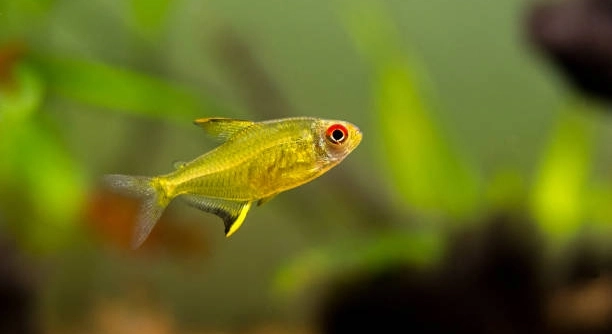
Do you ever find yourself trying to create the perfect environment for your lemon tetras but feeling unsure about what truly supports successful breeding? Keeping these small fish comfortable can make the entire process smoother and more enjoyable.
The best tank conditions for breeding lemon tetra include stable soft water, slightly acidic pH, warm temperatures, dim lighting, dense vegetation, gentle filtration, and a clean environment, as these factors closely mimic their natural habitat and promote healthy spawning behavior.
Understanding these conditions will help you create a peaceful space where your lemon tetras can thrive and begin their breeding journey with ease.
Soft and Stable Water
Soft and stable water plays an important role when breeding lemon tetras as it keeps them calm and encourages natural behavior. When the water hardness stays low these small fish respond with more active movement and stronger pairing habits. Keeping the water parameters steady helps reduce stress which is important when preparing a breeding setup. You can support this by using filtered or conditioned water that maintains low mineral levels allowing the fish to feel safe. A gentle approach to water changes helps avoid sudden shifts that may interrupt their breeding rhythm. Many aquarists prefer using driftwood or almond leaves since they release helpful tannins that soften the water naturally. These additions also contribute to a warm and comfortable environment that mimics their native habitat. With the right balance you create conditions that let the fish settle in giving them the stability they need for healthy breeding behavior to flourish.
Maintaining soft water is one of the simplest ways to support breeding success since lemon tetras respond well to gentle conditions. When minerals stay low and the environment remains steady the fish show calmer activity making the breeding process smoother and more reliable overall for both you and them today.
Creating soft water can be simple with the right tools and habits. Using reverse osmosis water mixed with a small amount of conditioned tap water helps you reach a balanced hardness level. Adding natural elements like driftwood or almond leaves supports a mild tint that benefits the fish. Regular testing keeps the parameters stable and gentle weekly water changes prevent sudden fluctuations. Avoid strong filtration that may stir the tank too much since calm water helps the fish settle. With these steps your breeding setup becomes a steady space that supports healthy behavior and better spawning results for your fish.
Warm Temperature Control
Warm and steady temperatures give lemon tetras the comfort they need for breeding. Keeping the tank within the ideal range supports stronger activity and helps maintain predictable behavior allowing the fish to stay relaxed and ready for consistent spawning patterns through stable heating and careful daily monitoring of conditions inside.
Maintaining warm temperatures is essential when preparing a tank for breeding lemon tetras as heat influences their comfort and activity levels. Setting the heater to the recommended range keeps the water consistent which helps reduce stress and encourages natural movement. Monitoring the temperature each day prevents small shifts that may disrupt the fish especially during the breeding phase. Using a reliable heater with an external controller can offer extra stability by preventing unexpected fluctuations. It also helps to place the heater near areas of gentle flow so the warmth spreads evenly through the tank. Avoid placing the aquarium in drafty spaces or near windows since environmental shifts can affect the water more quickly than you expect. Performing small and steady water changes maintains stability without altering the temperature too much. These habits create a tank that feels safe for the fish supporting calm behavior and encouraging them to pair and spawn without hesitation. Warmth consistency and steady care work together to create an environment that promotes strong breeding activity and healthy development for the eggs and fry.
Dim Lighting
Keeping the lighting dim helps lemon tetras feel safe during breeding. Soft light lowers stress and encourages more natural behavior which supports smoother spawning. Avoid bright lamps and choose gentle levels that stay steady throughout the day to keep their environment calm and supportive.
Soft lighting helps the fish stay relaxed which is important when preparing them for breeding. Using floating plants or adjustable LEDs creates a shaded effect that keeps the fish comfortable. Sudden brightness can interrupt their activity so keeping the intensity low helps them settle. Try keeping the lights on a timer since predictable lighting helps maintain a stable routine. Natural cover also improves comfort and gives the fish places to retreat when they need a quiet space. These small changes create an environment that feels safe and steady which supports healthier breeding behavior.
You can create dim conditions by combining floating plants with mild lighting settings. Choose bulbs with adjustable output if possible so you can fine tune the brightness based on the fish’s behavior. If the tank is placed in a bright room use a background or side covers to limit light entering from different angles. Keeping the lights consistent and avoiding strong beams prevents the fish from becoming startled. With these simple adjustments you create a space where lemon tetras stay calm and more willing to engage in predictable spawning activity.
Dense Vegetation
Dense vegetation offers protection and comfort for lemon tetras during breeding by giving them places to hide and lay eggs. Using live plants helps create a natural space that encourages healthy behavior while reducing stress. Stable plant cover also helps shield the eggs from disturbance.
Plants like Java moss, hornwort, and fine leaf varieties make good options since they give lemon tetras soft areas to deposit their eggs. These plants also help maintain water quality by absorbing excess nutrients which keeps the tank more stable. Spreading the plants across the tank, especially near the bottom, creates shaded pockets where the fish feel secure. Avoid overcrowding the tank with decor since plants alone can provide enough shielding. Regular trimming keeps the plants healthy without removing their natural cover. With enough greenery the fish remain calm, active, and more likely to breed successfully.
Gentle Filtration
Gentle filtration keeps the water calm so the fish can breed without stress. A soft flow helps protect the eggs from being disturbed and keeps the adults relaxed. Using a sponge filter supports clear water while preventing strong currents that might interrupt their activity.
A quiet filter also keeps debris from collecting around plants where the eggs may settle. Avoid high powered systems since they can create too much movement for the fish. By choosing a filter with adjustable flow you make the tank safer and more comfortable for steady breeding behavior to take place.
Clean Environment
A clean environment supports healthy breeding since lemon tetras react well to stable and tidy conditions. Regular water changes help keep ammonia and waste levels low which protects their sensitive habits. Avoid overfeeding since leftover food can cloud the water and increase stress. Cleaning the substrate lightly prevents debris from building up around plants where eggs may be laid. Using soft tools when wiping the glass avoids sudden movements that might startle the fish. Keeping everything consistent allows the fish to feel more comfortable and willing to pair. Clean water gives the eggs a better chance to develop without interference.
Stable pH
Stable pH helps the fish stay calm and encourages predictable breeding behavior. Small shifts can disrupt their activity so using regular testing keeps the water steady. With a controlled pH the fish remain comfortable which supports better spawning results.
FAQ
How often should I change the water when breeding lemon tetras?
Regular water changes are essential for breeding lemon tetras. Replacing about 20-30% of the water once a week keeps the environment clean without stressing the fish. Using conditioned water at the same temperature prevents sudden shifts that could harm both adults and eggs. Avoid large water changes that might shock the fish or disrupt the tank’s stability. Small, consistent changes maintain water quality while keeping the natural chemistry steady, which encourages calm behavior and successful spawning.
What is the ideal temperature range for lemon tetra breeding?
Lemon tetras thrive in slightly warm water when breeding, ideally between 75°F and 80°F (24°C–27°C). Consistent warmth encourages activity and helps trigger spawning. Using a reliable aquarium heater with a thermostat ensures the temperature remains stable. Sudden drops can stress the fish and reduce breeding success. Monitoring daily with a thermometer is helpful, especially during seasonal changes when room temperature might fluctuate. Consistent warmth creates a safe and predictable environment for both adults and developing eggs.
Which plants are best for spawning?
Fine-leaved plants like Java moss, hornwort, and Cabomba are excellent for spawning because they provide shelter for eggs. Floating plants offer additional shade and calm areas for the fish. Spreading plants evenly near the bottom gives the fish safe places to lay eggs while still allowing room to swim freely. Avoid dense plastic plants, as they do not offer the same natural benefits. Live plants also improve water quality by absorbing excess nutrients and creating a more stable tank environment.
How do I prevent eggs from being eaten?
Lemon tetras may eat their own eggs, so using a dense plant cover or a spawning mop is helpful. Removing adults after spawning can protect the eggs until they hatch. A gentle filter prevents eggs from being sucked into the system. Avoid disturbing the tank during this period, as sudden movement can stress the adults and lead them to consume the eggs. Creating hidden areas with moss or floating plants provides safe spaces for eggs to develop.
How long does it take for lemon tetra eggs to hatch?
Lemon tetra eggs typically hatch within 24-36 hours if the water conditions are stable. The fry remain attached to plants or other surfaces for a few days before becoming free-swimming. Maintaining clean water and steady temperature during this period is crucial for survival. Using a gentle flow prevents eggs and fry from being swept around the tank. With proper care, the fry will start exploring and feeding on infusoria and finely crushed food within a few days.
What should I feed adult lemon tetras to encourage breeding?
Feeding adults a mix of high-quality flake, micro-pellets, and live or frozen foods like daphnia or brine shrimp improves their condition for breeding. A nutritious diet strengthens the fish and increases spawning readiness. Feeding small amounts two to three times daily helps avoid leftover food, which can pollute the tank. Healthy adults are more likely to display natural breeding behavior, and a balanced diet supports egg production and fertility.
Can I breed lemon tetras in a community tank?
Breeding in a community tank is challenging because eggs and fry may be eaten by other fish. A separate breeding tank with gentle filtration and plants is recommended. Even calm community fish may disturb the eggs or fry. Using a dedicated tank improves survival rates and reduces stress for both adults and offspring. A small, controlled environment allows better observation and care, ensuring the young fish have a higher chance of reaching maturity.
How do I care for the fry after hatching?
Once fry become free-swimming, they need tiny foods such as infusoria, micro-worms, or finely crushed flake. Frequent small feedings help them grow steadily. Maintain clean water and gentle flow to prevent stress or accidental injury. Avoid introducing large fish or aggressive species into the tank. Observing the fry daily ensures they are healthy and developing properly, allowing adjustments to feeding or tank conditions if necessary. Gradual growth and proper care lead to stronger, healthy lemon tetras ready for a full tank environment.
How important is pH stability for breeding?
Stable pH is critical because sudden fluctuations can stress the fish and reduce spawning success. Lemon tetras prefer slightly acidic water around 6.0–6.8. Regular testing and small adjustments maintain consistency. Avoid using harsh chemicals that can shock the fish. A predictable pH helps the adults feel safe and encourages natural breeding behavior.
Can I breed lemon tetras year-round?
With proper tank conditions, lemon tetras can be bred year-round. Stable temperature, water quality, and lighting support consistent spawning. Seasonal changes in a room may require extra monitoring to prevent stress. By maintaining soft water, dense vegetation, and gentle filtration, you create an environment where the fish remain active and healthy, supporting multiple breeding cycles throughout the year.
Lemon tetras are small, delicate fish that can bring a lot of life and color to an aquarium, and creating the right conditions for breeding them makes a noticeable difference. They thrive in calm, stable environments where the water is soft, slightly acidic, and kept at a warm, steady temperature. Gentle lighting and dense vegetation help them feel safe and comfortable, while a clean tank with careful filtration ensures their surroundings stay healthy. Each of these factors works together to encourage natural breeding behavior, giving the fish the best chance to pair, spawn, and produce healthy eggs. Paying attention to these details allows the adults to remain calm and reduces stress, which is a key part of keeping them active and healthy throughout the breeding process.
Maintaining soft, stable water and a proper temperature helps the fish stay relaxed and behave naturally. Lemon tetras are sensitive to sudden changes in their environment, so small and steady adjustments are always better than large ones. Dense plants or moss not only provide shelter for the adults but also protect the eggs from being eaten. Gentle filtration keeps the water clean without creating strong currents that might disturb the eggs or fry. Soft lighting, carefully timed each day, also contributes to a sense of safety and helps the fish settle. By combining all these elements, a breeding tank can mimic the fish’s natural habitat, which increases the chances of successful spawning and healthier fry. The result is a tank where both adults and young can thrive and grow in a controlled, stable space.
Caring for the fry requires patience and attention, especially in the first few days after hatching. Free-swimming fry need very small food like infusoria or finely crushed flake, and regular water monitoring keeps conditions steady. Removing adults after spawning or using hidden areas in the tank helps ensure the eggs and fry are safe. Over time, feeding gradually larger foods supports proper growth, and keeping the environment calm encourages stronger, healthier fish. By paying attention to water quality, temperature, light, and vegetation, it is possible to create an environment that supports lemon tetras at every stage. Thoughtful preparation and regular maintenance make the process smoother and more predictable, ultimately helping the fish thrive and reach maturity in a safe and nurturing tank.

Hello,
If you enjoy the content that we create, please consider saying a "Thank You!" by leaving a tip.
Every little bit helps us continue crafting quality advice that supports the health, happiness, and well-being of pets around the world, for pets of all shapes, sizes, and species.
We really appreciate the kindness and support that you show us!