
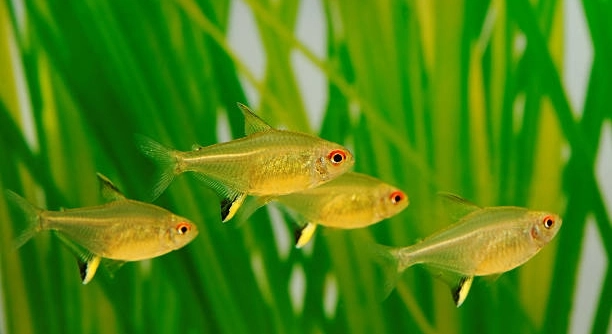
Have you ever watched your lemon tetra and wondered why it settles near the bottom of the tank at certain times of the day, giving you the impression that something unusual might be happening today?
Lemon tetra often rest near the bottom when they experience low lighting, mild stress, or natural sleep patterns. This behavior typically reflects their need for calm conditions, allowing them to conserve energy while maintaining awareness in the aquarium during resting.
Learning how these small changes influence their behavior helps you understand their needs better, encouraging a healthier tank environment overall.
Why Lemon Tetra Rest Near the Bottom
Understanding why lemon tetra settle near the bottom can help you recognize what they need in their daily routine. These small fish respond strongly to changes in light, temperature, and tank activity, and resting low can be their way of staying calm when things feel slightly overwhelming. Soft lighting often encourages them to lower their movement, and stable water conditions give them a sense of safety during quiet hours. When they rest, their colors may appear softer, and their motions become slower, which is completely normal. I learned that gentle surroundings help them feel secure, especially during late evening periods. Watching how they behave during different times of the day gives you clues about their comfort level, allowing you to adjust anything that might feel too intense for them. A peaceful tank encourages healthy habits, and noticing these resting patterns allows you to support their natural rhythm without worrying unnecessarily.
Paying attention to these calm moments helps you understand when your lemon tetra feel settled. Their quiet behavior at the bottom often shows they are simply resting comfortably. By noticing these details, you can maintain a balanced environment that supports their natural habits without adding unnecessary stress to their routine.
Maintaining stable conditions plays a big role in how comfortable your lemon tetra feel when resting. Gentle lighting, steady temperatures, and clean water encourage a calm atmosphere that supports predictable behavior. I find that these fish respond well to consistent routines, especially when tank changes are kept minimal. When they rest near the bottom, it often reflects how secure they feel in their space. If sudden shifts in the tank occur, they may become more active or hide more often. Keeping the environment steady helps them maintain healthy habits, making it easier for you to understand their daily patterns well.
When Bottom Resting Becomes a Concern
Sometimes bottom resting can signal discomfort, especially if your lemon tetra remain inactive for long periods. Subtle changes in posture or breathing may indicate something is off. Paying attention to these shifts helps you respond quickly, keeping their environment safe and reducing the chance of lingering issues in your tank.
Recognizing when your lemon tetra need more support helps you address potential problems early. While resting near the bottom is often normal, certain signs deserve closer attention. Rapid breathing, loss of appetite, or faded color may signal stress related to water quality or temperature imbalance. I’ve noticed that even small changes in filtration flow or lighting can influence how comfortable they feel. Checking the water parameters regularly ensures you catch anything that might shift their behavior in a worrying direction. If resting becomes unusually prolonged, observing how they interact with other fish offers more clues about their comfort levels. Sometimes illness can cause them to isolate or hover low with little movement. Maintaining a clean tank, providing gentle hiding spots, and avoiding sudden adjustments helps them recover stability. Consistency strengthens their overall health, giving them space to move and rest naturally without added pressure. When you pay attention to these signals, you create an environment that supports their long-term well-being while helping you understand what they need from day to day. This steady approach keeps their behavior predictable and allows you to feel more confident about the care you provide as they settle into a stable and peaceful rhythm day.
Common Reasons Lemon Tetra Stay Low in the Tank
Lemon tetra may stay low when adjusting to lighting, temperature, or activity changes. This behavior often reflects their need for calm surroundings. I’ve seen mine settle near the bottom during quieter hours, especially when the tank feels peaceful and the lighting remains gentle.
Stable conditions play a big part in how comfortable they feel. When the tank stays consistent, their resting patterns become predictable, and their movements appear relaxed rather than sluggish. I often notice this behavior after partial water changes or during early morning hours when the tank is still. Soft lighting also encourages calmer behavior, giving them a comfortable place to pause. If they feel secure, resting near the bottom becomes a normal part of their routine rather than something to worry about, especially during slower parts of their daily cycle.
However, sudden changes can interrupt this calm pattern. Shifts in temperature or increased activity sometimes cause them to settle low for reassurance while they adjust. I’ve noticed that when something feels different in the tank, they hover closer to the substrate until they regain confidence. Monitoring their response to even small disturbances helps you understand their comfort level. Keeping the tank consistent reduces the chances of prolonged low resting and helps them return to their usual active behavior once conditions stabilize.
Early Signs of Stress to Watch For
Signs of stress appear when their breathing becomes faster, their colors fade, or their movement slows noticeably. I’ve learned that these shifts often show up before bigger problems develop, making it easier to help them feel settled again.
Observing how they act during feeding or routine cleaning gives clear clues about their comfort. I often notice that stressed lemon tetra may separate from the group or stay low for longer periods without moving much. Their body language shifts subtly, especially around the fins and posture. Checking water parameters regularly prevents long-term issues from building. When something in the environment feels off, correcting it early helps them regain stability. Consistent care keeps their natural behaviors predictable and reduces the chances of stress becoming more severe, allowing them to return to their usual rhythm without unnecessary disruption.
How Water Conditions Affect Their Resting Behavior
Water quality changes often influence how long lemon tetra remain near the bottom. Even slight shifts in pH or temperature can make them pause their activity. I’ve seen mine settle low when the tank needed minor adjustments to restore balance.
Clean water supports stable behavior, especially during feeding and resting periods. When the tank feels steady, they move with more confidence and return to their usual mid-level swimming. Watching how they act after routine maintenance makes it easier to understand when something needs attention.
When Resting Indicates a Health Issue
Prolonged low resting can signal possible illness, especially when paired with reduced appetite or unusual breathing. I’ve learned to pay close attention when movement becomes limited, as this often means they need help. Checking for signs like clamped fins or isolating behavior provides quick clues. Catching these early shifts keeps problems from escalating. Adjusting water quality, reducing stress, and monitoring food intake all support their recovery. A steady environment helps them regain strength and return to their regular activity without added pressure.
Simple Ways to Support Healthy Behavior
Small adjustments like gentle lighting and stable temperature make a noticeable difference. I find that predictable routines help them stay active and comfortable throughout the day.
FAQ
Why do my lemon tetra rest at the bottom even when the tank looks fine?
They may rest at the bottom when they feel calm, especially during low-light periods or quieter hours. I’ve seen mine do this when the tank environment feels steady, and their behavior remains relaxed rather than sluggish. It often reflects a normal resting pattern rather than a problem. As long as they eat well, move normally afterward, and show healthy color, this behavior usually fits within their natural rhythm. They sometimes choose a comfortable spot near plants or smooth substrate to take short resting pauses without showing signs of stress or illness.
How can I tell if bottom resting is caused by stress?
Stress tends to show through small but noticeable changes. Faster breathing, fading color, or staying low longer than usual suggests they feel uneasy. I’ve learned to watch their movement during feeding, since stressed tetra may avoid the group or move more slowly. Another sign is when they keep their fins tighter or stay still even when everything else in the tank seems active. Checking water parameters helps reveal whether something in the environment might be affecting them. When stress is addressed early, they usually return to their normal swimming level with no lingering issues.
Does lighting affect how often lemon tetra rest near the bottom?
Lighting plays a big role in how active they feel. Soft or dim lighting naturally encourages calmer behavior, and I notice they settle low during these periods. Bright lights sometimes make them scatter or swim more quickly, while gentle light helps them slow down. Keeping a predictable lighting schedule helps them feel secure. Sudden changes can make them move to the bottom briefly until they adjust. A steady day-night cycle supports their natural rhythm, decreasing unexpected pauses or hiding tendencies.
Can poor water quality cause them to rest at the bottom?
Poor water conditions often influence this behavior. Even small changes in ammonia, nitrite, or temperature can push them to rest low while they try to cope. When my tank once had a slight imbalance, the first sign was unusual bottom resting. Regular water testing helps catch this early. Clean and stable water keeps them active and reduces the chance of this behavior becoming persistent. Frequent partial water changes and gentle filtration keep the environment comfortable for them.
Is it normal for them to rest at the bottom after eating?
Some lemon tetra slow down briefly after meals, especially if they’ve eaten well. I’ve noticed mine drift lower for a short time as they digest. This behavior usually passes quickly as they return to their schooling group. Overfeeding can also cause temporary sluggishness, so offering small, controlled portions helps. If they resume normal movement afterward, this resting period is nothing to worry about and simply part of their routine.
Why does one lemon tetra rest at the bottom while the others swim normally?
Individual behavior differs, and some may take longer to adjust to changes. I’ve had one fish rest low while the others stayed active, only to return to normal behavior once it felt secure again. Sometimes a more timid tetra settles low when the group becomes active or startled. As long as it eats, interacts at times, and shows healthy color, this behavior can be temporary. Still, keeping an eye on isolated behavior helps catch anything that might develop into an issue.
How do I know if bottom resting is linked to illness?
Illness often brings clearer signs. Slow breathing, clamped fins, or staying low for many hours usually mean something needs attention. When I noticed this once, the fish also avoided food and showed slight color fading. These signs point toward checking water conditions first. Illness can also cause them to separate from the group, hover low without moving, or show small changes in posture. Early observation and correcting water issues help prevent problems from worsening. If behavior doesn’t improve, gentle treatment and a stable environment help them recover.
What can I do to help prevent unhealthy resting behavior?
Keeping a predictable routine supports their comfort. Stable water conditions, gentle lighting, and regular feeding schedules make a big difference. I’ve seen how small changes affect them, so I avoid sudden tank rearrangements or strong currents. Adding plants or soft hiding spots helps them feel secure. Regular maintenance keeps their stress low, and observing them during feeding or quiet hours provides clues about their well-being. Consistent care encourages healthy activity and reduces the chances of bottom resting becoming a warning sign.
Final Thoughts
Caring for lemon tetra becomes easier when you understand the small signals they give throughout the day. Their resting habits, including the moments when they settle near the bottom, are usually tied to their surroundings and how stable the tank feels to them. I’ve learned that these fish respond strongly to gentle routines and predictable environments, and even the smallest change can influence their confidence in the space. This is why observing them during quiet hours, feeding times, and after routine maintenance helps you notice when something feels off. Their behavior often shifts in small ways long before bigger issues appear, which makes early awareness so helpful. When they rest at the bottom, it can simply reflect a calm moment, especially when lighting is low or the tank feels peaceful. Understanding this helps you feel more relaxed as you watch them move through their natural rhythm.
Keeping everything balanced plays a big part in supporting their well-being. Clean water, steady temperature, and gentle lighting guide much of their behavior, and these conditions shape how comfortable they feel during resting periods. I’ve seen how small adjustments, like softening the lighting or slowing the water flow, can create a calmer environment that helps them settle without worry. If something disrupts the tank, their behavior might shift quickly, but they usually return to their normal patterns once stability is restored. This is why regular maintenance matters so much. It allows you to prevent stress before it begins, clearing the way for consistent and predictable habits. By paying attention to the details, you help them feel secure enough to rest naturally instead of reacting to constant changes. As long as you stay mindful of their needs, the moments they rest near the bottom become a normal part of their routine rather than something alarming.
Understanding these resting patterns also gives you a clearer view of what supports their long-term comfort. Lemon tetra thrive in environments where they do not feel rushed or startled, and offering them a peaceful layout with plants, hiding spots, and smooth substrate helps them feel more at ease. I’ve found that when the tank feels calm, their colors appear brighter, their schooling behavior becomes more coordinated, and their resting moments look relaxed instead of sluggish. Each small decision you make builds toward creating a safer and more balanced space for them. With thoughtful care, their natural behaviors become easier to recognize, making it simpler to distinguish between normal resting and signs that something needs attention. Over time, this understanding strengthens the bond you form with your tank, helping you maintain a stable environment where your lemon tetra can rest, swim, and thrive with confidence.

Hello,
If you enjoy the content that we create, please consider saying a "Thank You!" by leaving a tip.
Every little bit helps us continue crafting quality advice that supports the health, happiness, and well-being of pets around the world, for pets of all shapes, sizes, and species.
We really appreciate the kindness and support that you show us!