
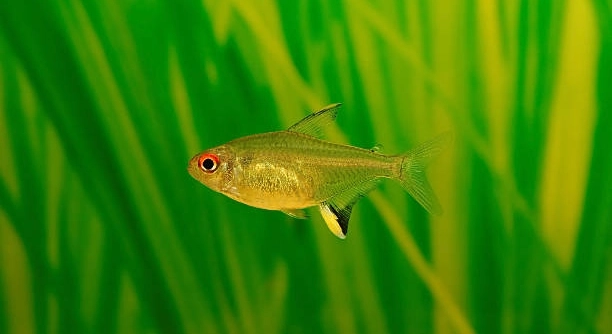
Lemon tetras are small, vibrant fish that bring life to any freshwater aquarium. Watching them swim gracefully can be calming, yet subtle changes in behavior may indicate that these delicate creatures are experiencing stress.
Lemon tetra stress can be identified through subtle signs such as loss of color, erratic swimming patterns, clamped fins, reduced appetite, hiding, rapid gill movement, and social withdrawal. Early recognition allows for timely adjustments in water conditions, diet, or tank environment to promote health.
Noticing these small signals can make a big difference in maintaining a harmonious aquarium. Proper care ensures your lemon tetras stay vibrant and active over time.
Loss of Color
When lemon tetras experience stress, one of the first signs is a noticeable fading of their bright yellow hues. Their vibrant coloration dulls, leaving them looking pale or washed out. This can happen slowly over time or appear suddenly if their environment changes. Factors such as poor water quality, overcrowding, or sudden temperature fluctuations can contribute to this change. Even subtle stressors, like a new tank mate or a shift in lighting, can trigger this response. Observing your fish regularly can help you spot these changes early. Dull coloration is often accompanied by other signs of stress, such as reduced activity or hiding more frequently. Addressing water conditions and ensuring a stable environment can help your tetras regain their healthy, bright color. Providing a balanced diet rich in nutrients also supports their natural pigmentation. Consistent care and monitoring will help maintain their lively appearance.
Dull colors often indicate that your tetras are struggling with environmental or dietary stress, requiring immediate attention.
Maintaining water quality is essential to prevent prolonged color loss. Regular testing for pH, ammonia, nitrite, and nitrate levels helps keep conditions stable. Overcrowding can cause competition and stress, so ensure adequate space. Gradual acclimation to any new tank setup or additions will minimize shocks. Diet also plays a role—high-quality flakes or pellets with color-enhancing nutrients help maintain brightness. Avoid sudden changes in temperature or lighting, as these can lead to rapid fading. Observing your tetras closely lets you spot early signs and respond before stress worsens, helping your fish thrive consistently.
Erratic Swimming Patterns
Erratic or restless swimming is a clear indicator of stress in lemon tetras. This may include darting around the tank, swimming in circles, or crashing against decorations or the glass.
Such behavior often stems from water issues, sudden environmental changes, or internal discomfort.
Paying attention to tank conditions can reduce erratic swimming. Water temperature should be stable and within the species’ preferred range. Ammonia or nitrate spikes create discomfort, causing restlessness. Tank decorations should allow hiding spaces to provide a sense of security, reducing frantic movements. Social dynamics within the school of tetras also matter; stressed or dominant individuals can influence others’ behavior. Overfeeding may result in water contamination, further increasing stress. Observing interactions among tetras helps identify if a particular fish is being bullied or isolated. Regular tank maintenance, consistent feeding routines, and a calm environment can significantly reduce erratic swimming, helping lemon tetras remain active yet composed. By taking preventive steps, you create a healthier and more predictable environment where your fish feel secure and can display natural, smooth swimming patterns.
Clamped Fins
Clamped fins are a common sign of stress in lemon tetras. The fins stay close to the body instead of spreading naturally, indicating discomfort or illness. This usually occurs when water quality is poor or the fish is feeling threatened.
Clamped fins often accompany other stress behaviors, such as hiding or loss of color. High ammonia, nitrite, or nitrate levels can irritate the fish and cause them to reduce movement. Sudden changes in temperature or the introduction of aggressive tank mates can also trigger this response. Overcrowding and insufficient hiding spaces add to their discomfort, making clamped fins more likely. Addressing water parameters and providing a calm, stable environment helps tetras relax and restore normal fin posture. Monitoring daily behavior allows for early intervention.
To help your tetras, maintain proper water conditions, avoid sudden environmental changes, and ensure adequate space. Diet and regular feeding schedules also support their overall health and reduce stress levels, helping fins return to their natural position.
Reduced Appetite
A stressed lemon tetra may show reduced appetite, eating less or ignoring food entirely. This can indicate environmental stress, illness, or social tension within the tank.
Reduced appetite often results from poor water quality, fluctuating temperatures, or low oxygen levels. Fish may also refuse food if they feel threatened by aggressive tank mates. Nutritional deficiencies or sudden changes in diet can worsen this behavior. Regular monitoring of water parameters and feeding routines ensures fish maintain their health. Stress can lead to weakened immunity, making fish more susceptible to disease, so addressing the root cause is essential. Offering a variety of foods, including high-quality flakes, frozen, or live options, can encourage eating. Observing which individuals avoid food helps identify stress patterns or social issues. Consistency and calm environmental conditions gradually restore appetite and overall well-being in lemon tetras.
Hiding
Lemon tetras often hide when stressed, staying near decorations, plants, or the tank bottom. This behavior helps them feel safe but can also indicate discomfort or fear caused by environmental changes or aggressive tank mates.
Frequent hiding reduces swimming time and social interaction. Fish may avoid open areas or the center of the tank, limiting their natural movement.
Rapid Gill Movement
Rapid gill movement is a clear physiological response to stress. It often signals difficulty breathing, caused by poor water quality, low oxygen, or elevated toxins in the tank.
Monitoring gill rate helps detect early stress. Water testing and aeration can resolve this issue quickly.
Social Withdrawal
Lemon tetras are schooling fish and naturally enjoy group activity. Stress can cause them to separate from the school, reducing social interaction and appearing lethargic or isolated.
Social withdrawal often results from overcrowding, bullying, or sudden changes in the tank environment. Observing group dynamics and providing hiding spaces can help fish feel secure and reintegrate into the school.
FAQ
How can I tell if my lemon tetra is stressed?
Signs of stress in lemon tetras include faded color, clamped fins, hiding, erratic swimming, reduced appetite, rapid gill movement, and social withdrawal. Observing your fish daily is important, as changes can be subtle. Combining multiple signs helps confirm that stress is present, rather than a single behavior being misinterpreted. Environmental factors such as poor water quality, sudden changes, or aggressive tank mates often trigger these behaviors. Keeping a close eye on your tetras’ normal patterns allows you to spot early warning signs and act before problems worsen.
What should I do if my fish are showing stress signs?
The first step is to check water parameters. Test for ammonia, nitrite, nitrate, pH, and temperature. Correcting any imbalance quickly reduces stress. Ensure your tank is not overcrowded and has plenty of hiding spaces. Observe interactions between tank mates to make sure no aggression is causing isolation or bullying. Adjust feeding routines to provide a balanced diet, and avoid sudden changes in lighting or water temperature. Small, consistent improvements in the environment often help tetras recover and regain their natural behavior, color, and appetite.
Can diet affect stress in lemon tetras?
Yes, diet plays a significant role. A lack of essential nutrients can weaken their immune system and contribute to stress. High-quality flakes, pellets, and occasional live or frozen foods support overall health. Color-enhancing foods help maintain vibrant yellow hues, which can fade under stress. Feeding small portions regularly rather than large amounts at once prevents uneaten food from polluting the water, which could worsen stress. Observing which fish eat actively versus those that avoid food helps identify stressed individuals early. Providing variety and nutrient-rich foods promotes energy, resilience, and natural behaviors.
Is water quality the main cause of stress?
Poor water quality is one of the most common causes. Ammonia, nitrite, and nitrate spikes, fluctuating pH levels, and unstable temperatures all cause discomfort. Maintaining a clean, stable environment with regular water changes reduces risk. Filtration, aeration, and proper tank cycling are essential. Even minor changes, such as adding new tank mates or rearranging decorations, can temporarily increase stress if water conditions are not stable. Regular monitoring of parameters allows for early detection of harmful changes. Clean water supports overall health, encourages proper swimming, and helps fish regain vibrant color and appetite.
How can I reduce stress in a lemon tetra tank?
Provide stable environmental conditions, including temperature, pH, and oxygen levels. Ensure sufficient swimming space and hiding spots. Avoid overcrowding and aggressive fish that may harass tetras. Maintain a consistent feeding schedule with quality food. Limit sudden changes in lighting or tank setup. Observing fish regularly helps identify issues early.
Do lemon tetras need companions to stay healthy?
Yes, they are schooling fish and feel most secure in groups of at least six. Isolation or separation from the school often causes social withdrawal and stress. Maintaining a small group helps them display natural behaviors, swim confidently, and interact socially. Ensuring all members of the group are compatible in size and temperament reduces conflict and improves overall well-being.
Can stress lead to illness?
Prolonged stress weakens the immune system, making tetras more susceptible to infections like fin rot or ich. Addressing stressors promptly—through water changes, improved diet, and calm environments—reduces the risk of disease. Observing early warning signs prevents escalation and keeps fish healthy.
Final Thoughts
Lemon tetras are delicate and sensitive fish that respond quickly to changes in their environment. Stress can show itself in several subtle ways, from fading color to clamped fins, erratic swimming, or hiding. These behaviors are often overlooked because they are not as obvious as sickness or injuries, but they are important indicators of the fish’s overall well-being. Recognizing these signs early allows for prompt adjustments to the tank, diet, and social conditions, which can make a significant difference in the health of your tetras. Maintaining a calm and stable environment is essential, as lemon tetras thrive in predictable conditions where temperature, water quality, and lighting remain consistent. Overcrowding, aggressive tank mates, or sudden environmental changes can all trigger stress, so careful planning and observation are necessary to keep your aquarium balanced and supportive.
Water quality is one of the most critical factors in reducing stress for lemon tetras. Ammonia, nitrite, nitrate levels, and pH fluctuations can directly affect their health, causing rapid gill movement, clamped fins, and social withdrawal. Regular testing, proper filtration, and routine water changes ensure the tank remains safe and comfortable. Temperature stability also plays a key role, as sudden drops or spikes can leave fish feeling unsettled. Providing hiding spaces, decorations, and adequate swimming areas helps reduce tension and gives them a sense of security. Diet is another vital element; offering a consistent, nutrient-rich diet supports immunity, encourages vibrant colors, and prevents stress-related appetite loss. Observing how your tetras eat and interact provides insight into their comfort level and helps identify individuals that may need special attention.
Creating a supportive environment for lemon tetras requires attention to both physical and social factors. These fish are schooling species and naturally rely on companions for security. Social withdrawal is a common stress response, so ensuring a small, compatible group reduces fear and promotes natural behavior. Monitoring the tank for signs of bullying or isolation, along with maintaining proper nutrition and clean water, ensures the fish remain healthy and active. Small adjustments, such as reorganizing tank layout, moderating lighting, or reducing sudden changes, can greatly impact their well-being. Stress management is not a single solution but a combination of consistent care, attentive observation, and gradual environmental improvements. By focusing on these areas, lemon tetras can thrive, displaying bright colors, smooth swimming, and lively interactions within their school, which ultimately leads to a more balanced and enjoyable aquarium experience.

Hello,
If you enjoy the content that we create, please consider saying a "Thank You!" by leaving a tip.
Every little bit helps us continue crafting quality advice that supports the health, happiness, and well-being of pets around the world, for pets of all shapes, sizes, and species.
We really appreciate the kindness and support that you show us!