
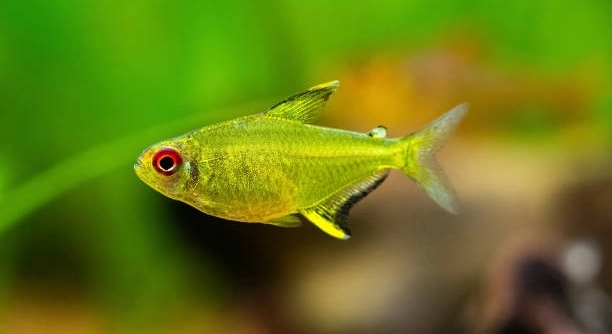
Are your lemon tetras jumping at night, leaving tiny splashes in your tank? Observing these small, colorful fish can be rewarding, yet unexpected behaviors like nighttime jumps can be concerning for any attentive fish keeper.
Lemon tetras often jump at night due to stress, poor water conditions, or insufficient cover. Sudden light changes, aggressive tankmates, and lack of hiding spaces can trigger this behavior, which can be prevented with proper tank management and stable conditions.
Understanding why this happens will help protect your fish and maintain a peaceful aquarium environment. Simple adjustments can greatly improve their comfort and reduce these sudden leaps.
Common Causes of Nighttime Jumping
Many lemon tetras jump at night due to stress or discomfort in their environment. Sudden noises, bright lights, or movements near the tank can startle them. Inadequate hiding spots or overcrowding also make these fish feel unsafe. Poor water quality, including high ammonia, nitrite, or nitrate levels, can cause agitation, leading to jumping. Temperature fluctuations or low oxygen levels further contribute to nighttime activity. Even subtle changes, like a new decoration or a shift in water flow, may trigger this behavior. Ensuring the tank mimics their natural habitat, with calm water, gentle lighting, and plenty of plants, is essential. Observing their patterns over several nights helps identify triggers. Regular monitoring of water parameters, along with consistent feeding and a stress-free environment, reduces jumping significantly. Awareness and preventive measures are key to maintaining healthy, calm lemon tetras and minimizing unexpected nighttime leaps.
Providing enough hiding spaces and maintaining water stability are simple steps that can greatly decrease nighttime jumping.
Keeping lemon tetras calm requires understanding their natural tendencies. These fish are small and active, needing areas to retreat during dark hours. Adding floating plants or dense foliage gives them security. Overcrowding amplifies stress, so maintaining an appropriate number of fish is crucial. Sudden disturbances, even minor ones, can provoke jumping, making a quiet, stable environment necessary. Regular water checks ensure chemical levels remain safe, preventing irritation or discomfort. Adjusting lighting gradually helps them adapt to night conditions without panic. Feeding at consistent times reduces anxiety and improves overall behavior. Observing them closely allows you to notice subtle stress indicators before they escalate. Implementing these changes creates a peaceful tank where lemon tetras can swim naturally, minimizing nighttime jumps while promoting healthy, stress-free living.
Water Quality and Tank Conditions
Water quality directly impacts your lemon tetras’ nighttime behavior. Poor parameters cause discomfort and can trigger jumping. Maintaining stable temperature, proper pH, and clean water is essential for their health.
Testing water regularly is crucial to prevent stress-related jumping. High ammonia or nitrate levels can cause agitation, prompting fish to leap. Filtration systems must run efficiently, and partial water changes should be performed weekly to maintain balance. Temperature swings, even a few degrees, can disturb them, so using a reliable heater and thermometer is recommended. Aquariums with strong currents may also stress tetras, so gentle flow is preferred. In addition, overcrowding increases competition for resources, intensifying stress. Careful attention to tank size, plant placement, and decor can create hiding spots and reduce nighttime activity. Over time, stable water conditions and thoughtful tank setup lead to calmer fish, less prone to jumping, and healthier overall behavior patterns. Proper maintenance is a simple yet effective way to protect lemon tetras and support long-term well-being.
Tank Lighting and Nighttime Activity
Too bright or sudden lighting can startle lemon tetras at night, prompting them to jump. Dim, consistent lighting helps them feel secure. Avoid sudden on/off switches and consider using a low-wattage night light to maintain calm.
Gradual lighting changes prevent sudden stress reactions. Lemon tetras are sensitive to abrupt shifts, so using a timer for aquarium lights is effective. Floating plants can diffuse light and create shaded areas, giving fish a sense of safety. Strong overhead lights or direct sunlight can make them nervous and trigger nighttime jumps. Observing their behavior under different lighting setups helps determine the ideal arrangement for your tank. Consistency is key to reducing stress-related activity and promoting natural swimming patterns during dark hours.
Even with proper lighting, occasional jumping may occur. Providing a well-planted environment, stable light cycles, and minimizing sudden disturbances creates a calm nighttime setting. Ensuring fish have areas to hide and gradually adjusting light levels reduces startle responses. Keeping the tank quiet and avoiding sudden movements near it at night further lowers the risk of jumping. Over time, these adjustments lead to calmer fish that exhibit normal, predictable behavior, making nighttime jumps a rare event.
Feeding Habits and Behavior
Feeding schedules impact lemon tetras’ activity levels. Inconsistent or late-night feeding can increase nighttime jumps. Regular meals help stabilize behavior.
Overfeeding or underfeeding also affects activity. Excess food can pollute water, causing stress, while hunger can make fish restless. Maintaining a consistent feeding routine helps regulate energy levels. Using small portions multiple times a day prevents spikes in activity and reduces nighttime agitation. Observing their response to feeding patterns identifies what works best.
Feeding impacts behavior beyond energy levels. A balanced diet promotes calmness and overall health, reducing sudden nighttime movements. High-quality flakes or micro-pellets provide essential nutrients, supporting their immune system and minimizing stress. Overfeeding leads to water quality issues, indirectly causing jumping. Spacing meals appropriately keeps them content without excess, helping them rest at night. Adjusting feeding times gradually helps tetras adapt, creating a stable routine that supports both their physical health and calmer nighttime behavior. Consistency, portion control, and diet quality all work together to minimize jumps and maintain a peaceful tank environment.
Tank Cover and Safety
A secure tank lid prevents lemon tetras from jumping out at night. Even small gaps can allow sudden leaps, so ensuring complete coverage is essential.
Mesh or glass lids work well, and adding a gentle light on top can create a sense of security while reducing nighttime stress.
Social Dynamics
Aggression or overcrowding can increase nighttime jumping. Lemon tetras are peaceful, schooling fish, and require proper group sizes to feel safe. Maintaining at least six individuals helps reduce stress and ensures balanced social interactions. Proper tank mates further minimize conflicts and nighttime disturbances.
Environmental Enrichment
Adding plants, driftwood, and hiding spots helps lemon tetras feel secure. Dense foliage and natural decorations reduce stress and nighttime jumps by providing safe retreats. Consistent placement of decorations allows fish to adapt and establish familiar territory, promoting calmer behavior.
Monitoring and Observation
Regularly observing your lemon tetras helps identify stress triggers and unusual behaviors. Keeping track of water parameters, lighting, and social interactions ensures issues are addressed promptly.
Why do my lemon tetras jump more at night than during the day?
Nighttime jumping is often linked to stress and environmental changes. Lemon tetras are naturally active and sensitive to light and movement. Sudden noises, strong water currents, or disturbances near the tank can startle them, making night a time when they react more intensely to minor stimuli.
Can poor water quality cause nighttime jumping?
Yes, water parameters play a major role in fish behavior. High ammonia, nitrite, or nitrate levels irritate their gills and create discomfort, prompting sudden jumps. Low oxygen or temperature fluctuations also contribute. Regular water testing and partial water changes reduce stress and nighttime activity.
How does tank lighting affect their jumping?
Abrupt changes in lighting can startle lemon tetras. Bright overhead lights or turning lights on and off suddenly may cause panic. Gradual lighting transitions, timers, and floating plants to diffuse light help fish adjust, lowering the risk of nighttime leaps.
Do lemon tetras need hiding spots to prevent jumping?
Yes, hiding spots are essential. Dense plants, driftwood, or decorations provide shelter, making tetras feel safe. Without these, they may feel exposed, increasing stress and nighttime jumping. Consistent placement of hiding areas allows them to establish a secure routine.
Does tank size impact nighttime jumping?
A small or overcrowded tank can increase stress and jumping. Lemon tetras need space to swim freely, and overcrowding leads to competition and agitation. Maintaining at least a 20-gallon tank for a small school helps balance social interactions and reduces nighttime activity.
Can their diet affect nighttime behavior?
Feeding patterns influence energy and stress levels. Inconsistent or late-night feeding can make tetras restless. Overfeeding pollutes water, while underfeeding leaves them hungry. Regular, appropriately sized meals stabilize activity and reduce nighttime jumping. High-quality flakes or pellets ensure proper nutrition.
Do aggressive tankmates cause lemon tetras to jump at night?
Yes, aggression or incompatible species can stress tetras. Peaceful schooling behavior is disrupted by nippy or territorial fish. Selecting calm tankmates and maintaining proper group sizes of at least six tetras lowers stress and helps prevent nighttime leaps.
How often should I monitor water parameters?
Frequent monitoring is essential. Weekly checks for ammonia, nitrite, nitrate, pH, and temperature prevent issues before they escalate. Observing behavior alongside water tests helps identify subtle stress triggers, allowing timely adjustments to tank conditions.
Will floating plants help reduce jumping?
Floating plants provide cover and diffuse light, creating shaded areas. This makes tetras feel safer and reduces stress. Plants also mimic natural habitats, offering retreats and breaking up direct light, which helps maintain calm nighttime behavior.
Can adjusting feeding times help calm them?
Yes, gradually setting feeding times earlier in the evening stabilizes activity levels. Consistency reduces nighttime restlessness. Splitting meals into smaller portions prevents overexcitement after eating, helping lemon tetras remain calm during dark hours and minimizing jumps.
Are there signs that my tetras are stressed besides jumping?
Other stress indicators include hiding excessively, loss of color, clamped fins, and erratic swimming. Observing these behaviors alongside jumping helps identify environmental or social issues. Corrective actions like water changes, adjusting lighting, or providing hiding spots improve overall well-being.
Is it normal for lemon tetras to jump occasionally?
Yes, occasional jumping can be normal, especially in new tanks or during minor disturbances. The goal is to reduce frequency and intensity. Ensuring stable water conditions, proper lighting, and adequate hiding spaces minimizes this behavior without restricting natural activity.
Can nighttime jumping cause injuries?
Yes, unprotected tanks can lead to injuries or fish escaping. Even small jumps can result in impact against the tank lid or decorations. A secure cover and careful monitoring prevent accidents and ensure the safety of lemon tetras during nighttime activity.
Does schooling behavior affect jumping frequency?
Schooling reduces stress. When tetras swim in groups of at least six, they feel secure and less prone to sudden jumps. Smaller groups or isolated individuals may react more intensely to stimuli, increasing nighttime activity. Proper social structure is essential for calmer behavior.
How long does it take for tetras to adjust to new tank conditions?
Adjustment varies but generally takes a few weeks. Providing stable water conditions, consistent feeding, gradual lighting, and proper hiding spots helps tetras acclimate. During this period, occasional jumping may occur but decreases as they become familiar with their environment.
Can tank decorations influence jumping behavior?
Yes, decorations provide visual barriers and safe zones. Sudden changes, sharp edges, or unstable structures can provoke panic. Arranging items thoughtfully and keeping them consistent reduces nighttime stress and encourages calm swimming patterns.
Will using a tank heater help reduce nighttime jumping?
Maintaining stable temperature with a reliable heater prevents stress from fluctuations. Sudden drops or rises in water temperature can make tetras restless and prone to jumping. Consistent warmth mimics natural conditions and supports calm behavior.
Does water flow affect lemon tetra activity?
Strong currents can stress tetras, leading to jumping. Gentle flow is preferred, as high-speed currents tire them and create agitation. Adjusting filters or using flow diffusers ensures calm swimming conditions, particularly during nighttime hours.
How do I know if jumping is caused by stress or normal activity?
Frequent, sudden, or nighttime jumps usually indicate stress, while occasional daytime leaps are often natural. Observing patterns, environmental factors, and water conditions helps differentiate between normal behavior and signs of discomfort.
Can consistent routines reduce nighttime jumping?
Yes, routines for feeding, lighting, and water maintenance help tetras feel secure. Predictability reduces anxiety, stabilizes energy levels, and minimizes nighttime leaps. Over time, fish adjust to these patterns, promoting calmer behavior and healthier overall conditions.
Is it necessary to separate aggressive fish to prevent jumping?
Separating aggressive species prevents stress-induced jumping. Lemon tetras thrive with peaceful tankmates, and removing nippy or territorial fish reduces conflict. This creates a stable, safe environment, especially important for nighttime calm.
Do seasonal changes affect nighttime behavior?
Yes, shifts in room temperature or natural light can influence activity. Tetras may become more active or restless with seasonal changes. Adjusting lighting, heating, and feeding routines helps maintain stability and reduces nighttime jumps.
How important is a secure tank lid?
A secure lid is critical. Lemon tetras can jump unexpectedly, and even small gaps risk injury or escape. Mesh or glass lids with no openings, paired with stable decorations, protect fish and prevent accidents during nighttime activity.
What immediate steps can I take if my tetras are jumping frequently?
Check water parameters, stabilize lighting, provide hiding spots, and review tankmates. Ensure proper temperature, flow, and feeding schedules. Observing behavior and addressing stressors quickly reduces nighttime jumps and promotes calmer, healthier fish.
How long will it take to see improvement after changes?
Behavioral changes can appear within days to weeks. Consistent water maintenance, stable lighting, proper feeding, and adequate hiding spots gradually reduce nighttime jumping. Patience and careful observation ensure long-term improvement and healthier tetras.
Are there any health issues that cause excessive jumping?
Yes, parasites, gill infections, or other illnesses can provoke jumping. Watch for additional symptoms like clamped fins, rapid breathing, or lethargy. Addressing health problems promptly through water quality improvement or veterinary care reduces stress-related activity.
Can adjusting tank location help?
Yes, placing the tank in a quiet area with minimal vibrations reduces startle responses. Avoid high-traffic zones, loud appliances, or sudden disturbances near the tank, creating a calm environment that lowers nighttime jumping.
Is it normal for newly introduced tetras to jump more?
Yes, new fish often exhibit increased activity while acclimating. Providing hiding spots, stable water conditions, and gradual lighting transitions helps them adjust faster, reducing jumping as they become familiar with their surroundings.
Do lemon tetras jump less as they mature?
Generally, yes. Young or newly introduced tetras may jump more due to nervousness or high energy. As they mature and settle into the tank, with stable conditions and proper social groups, nighttime jumping typically decreases.
How can I prevent future jumping issues?
Maintain consistent water quality, stable temperature, gentle lighting, proper feeding, hiding spots, and compatible tankmates. Observing behavior and addressing stressors quickly ensures a calm tank and minimizes nighttime jumping.
Lemon tetras are small, active fish that bring life and color to any aquarium. Their occasional nighttime jumping can be startling, but it usually signals stress or environmental discomfort rather than serious illness. Observing their behavior carefully is the first step in understanding what may be causing these sudden movements. Factors such as water quality, lighting, tank cover, social dynamics, and feeding routines all contribute to their comfort. By monitoring these elements closely, fish keepers can identify stress triggers and take practical steps to create a more stable environment for their tetras. Simple changes, like adjusting light levels or adding more hiding spots, often make a noticeable difference in reducing jumping incidents. Paying attention to how the fish respond to each adjustment allows you to fine-tune the tank setup for their well-being.
Maintaining water quality is one of the most effective ways to ensure lemon tetras remain calm and healthy. High levels of ammonia, nitrite, or nitrate can irritate their gills and cause discomfort, which may manifest as nighttime jumps. Temperature fluctuations and low oxygen levels also contribute to restless behavior. Regular testing and partial water changes help prevent these problems before they affect the fish. Filtration systems should run efficiently to maintain clear, healthy water, and water parameters should remain within the recommended ranges for tetras. Stable, consistent conditions provide a sense of security, which reduces stress and the likelihood of jumping. Additionally, adding natural elements like floating plants, driftwood, and dense foliage helps mimic their natural habitat, offering both shelter and calm areas for swimming. These simple environmental improvements support natural behavior while minimizing sudden, anxious movements.
Social structure and feeding routines also play an important role in preventing nighttime jumps. Lemon tetras are schooling fish that feel most secure in groups of at least six. Small or overcrowded tanks can increase stress and provoke more jumping. Peaceful tankmates further reduce tension, while aggressive or territorial fish can increase nighttime activity. Feeding patterns impact energy levels and stress as well. Inconsistent schedules, overfeeding, or underfeeding may make tetras restless at night. Providing regular meals, appropriate portions, and high-quality food helps maintain calm behavior. Consistent routines for feeding, lighting, and tank maintenance create a stable environment that tetras can adapt to easily. With careful attention to these aspects, nighttime jumping can be minimized, allowing fish to thrive and live comfortably in their aquarium while keeping the tank peaceful for both the fish and the keeper.

Hello,
If you enjoy the content that we create, please consider saying a "Thank You!" by leaving a tip.
Every little bit helps us continue crafting quality advice that supports the health, happiness, and well-being of pets around the world, for pets of all shapes, sizes, and species.
We really appreciate the kindness and support that you show us!