
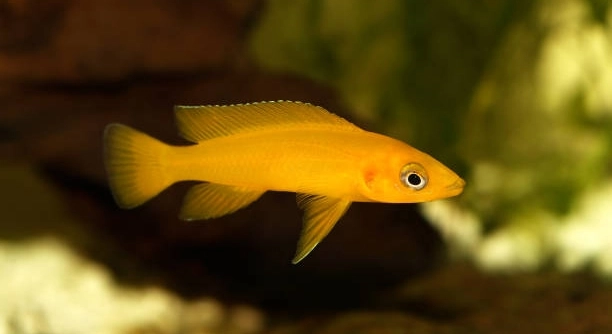
Lemon tetras are small, bright fish that many aquarium owners love to watch. Their colors shine in certain lighting, but sometimes they behave differently depending on how bright the tank is. Understanding their needs can improve their health.
Lemon tetras prefer dim lighting because it closely resembles their natural habitat. Lower light reduces stress, encourages natural schooling behavior, and allows them to display their colors more effectively. Dim conditions also support feeding and overall well-being in captivity.
Providing the right lighting is essential for their comfort and activity. Small adjustments can make a noticeable difference in how your fish thrive daily.
Natural Habitat Mimicry
Lemon tetras originate from slow-moving rivers and streams in South America, where light is often filtered through dense vegetation. Bright lighting can feel harsh compared to the soft, dappled illumination they experience in their natural environment. In an aquarium, mimicking this dim light helps them feel secure and reduces anxiety. Fish rely heavily on their surroundings for cues about safety, feeding, and movement. When the light is too strong, they may hide constantly or avoid swimming in open areas. Providing shaded spots with plants or decorations can enhance their comfort. This approach also allows their colors to appear more vivid, making their subtle yellow tones stand out without overwhelming them. Overall, understanding and recreating aspects of their native environment is key to encouraging natural behavior and promoting healthy activity. Observing how they interact with the dimly lit sections of the tank can provide insight into their preferences and overall well-being.
Lemon tetras thrive when their aquarium closely matches the filtered, soft light of their rivers.
Even small changes in lighting can significantly impact behavior. Too much brightness causes stress, reducing swimming activity and increasing hiding. Dimmer conditions allow tetras to explore, feed freely, and interact naturally. Providing floating plants or shaded areas gives them a sense of safety, replicating conditions they evolved in over centuries. Over time, you’ll notice stronger coloration and calmer schooling patterns, which are indicators of comfort and health. Maintaining stable, gentle lighting also helps reduce aggressive interactions that sometimes appear when fish feel threatened. Regular observation ensures that lighting adjustments meet their needs, making it easier to sustain a balanced, lively aquarium environment where lemon tetras flourish naturally.
Feeding and Activity Patterns
Lemon tetras are more active in dim lighting. Lower light levels reduce stress and encourage regular swimming and foraging behavior.
Feeding is most efficient under soft lighting, as tetras feel safe coming out of shaded areas to eat. Their natural instincts guide them to feed when the environment feels secure.
Dim lighting also influences how they school and interact. In bright conditions, some may hide or stay near the tank bottom, limiting their activity. When lighting matches their natural habitat, they move in coordinated schools, displaying social behaviors more consistently. This setting encourages healthy exploration, allowing them to utilize the entire tank space and engage in typical foraging patterns. Fish that feel safe under dim light are more likely to accept food readily, reducing waste and competition. Adjusting the tank’s brightness gradually helps tetras acclimate without sudden stress, and monitoring their daily activity ensures that both lighting and feeding conditions support overall health. Small enhancements like floating plants or subdued tank covers can make a notable difference in maintaining natural activity and supporting a balanced diet.
Stress Reduction and Comfort
Dim lighting helps lemon tetras feel less exposed and vulnerable in their environment. Bright lights can trigger stress responses, while softer illumination allows them to remain calm and move freely throughout the tank.
Stress in fish can affect behavior, appetite, and immune response. Lemon tetras are sensitive to sudden changes or harsh lighting, which can cause them to hide, swim erratically, or even show signs of illness over time. Maintaining consistent, gentle lighting reduces stress hormones, supports healthy schooling behavior, and encourages natural interactions. Providing plants and shaded areas reinforces this sense of security, giving them spots to retreat when needed. Observing their reactions to different light levels can guide adjustments, ensuring a stable and comfortable environment for long-term well-being.
Comfortable lighting also improves overall tank dynamics. Tetras display more natural behaviors, interact socially, and feed without hesitation. Reduced stress enhances their lifespan and coloration, making them healthier and more vibrant.
Eye Health and Sensory Balance
Dim lighting supports lemon tetras’ sensitive vision, preventing overexposure that can strain their eyes. Strong lights may lead to discomfort or avoidance behavior in the tank.
Their eyes are adapted to low-light conditions found in natural habitats, where they detect movement, food, and predators under filtered sunlight. Excessive brightness can disrupt their sensory balance, causing them to react unpredictably or stay hidden. Gentle lighting allows tetras to navigate confidently, identify food efficiently, and maintain schooling patterns that reduce stress. Balancing light intensity with shaded zones creates a more natural environment, supporting both visual and behavioral health. Observation of their response to various light levels ensures optimal conditions.
Maintaining dim lighting contributes to overall sensory well-being. It allows fish to interpret environmental cues accurately, promoting natural activity and reducing fatigue. Additionally, it minimizes the risk of eye damage and behavioral issues caused by prolonged exposure to bright, artificial light. By carefully managing lighting levels, aquarists can enhance both visual comfort and overall health, ensuring lemon tetras thrive in their tank.
Reduced Aggression
Dim lighting helps keep lemon tetras calm and lowers aggression in the tank. Harsh or bright light can trigger defensive behavior, especially when fish feel exposed or stressed by their surroundings.
Soft, subdued lighting encourages peaceful interactions among tetras. When they feel secure, they school naturally, reducing chasing and territorial disputes.
Improved Coloration
Lemon tetras’ yellow hues appear more vivid under gentle, dim lighting. Excessive brightness can wash out colors and make them look less healthy or dull.
Maintaining lower light levels allows natural pigments to show, enhancing visual appeal and overall tank aesthetics. Over time, fish in dimly lit environments display consistent, vibrant coloration, reflecting improved health and comfort.
Sleep and Rest
Dim lighting promotes regular sleep cycles in lemon tetras. Bright, constant light can disturb their rest, affecting energy levels.
Plant Interaction
Lemon tetras respond better to tanks with plants under soft lighting. They explore shaded areas and interact with foliage naturally.
How bright should the tank lighting be for lemon tetras?
Lemon tetras do best under soft, dim lighting. The light should mimic the filtered sunlight they experience in their natural rivers and streams. Avoid bright or direct overhead lights, as these can cause stress, hiding, and unusual behavior. Using adjustable LED lights or providing shaded areas with plants helps maintain a comfortable brightness. Floating plants or decorations can diffuse harsh lighting, giving tetras a sense of security. Observing their swimming patterns and behavior is the best way to gauge if the light is appropriate. Fish that are active, schooling, and feeding normally indicate proper lighting.
Can lemon tetras adapt to brighter lighting over time?
Some adaptation is possible, but lemon tetras thrive best in consistent, dim conditions. Gradually increasing brightness over days or weeks may allow them to tolerate slightly higher light, but sudden changes can stress them. They may start to hide or swim less if lighting feels too intense. Providing hiding spots, plants, or shaded areas can help tetras adjust without long-term stress. Even with gradual acclimation, their behavior and coloration are usually better under soft lighting, so keeping lights gentle is recommended.
Does dim lighting affect their feeding habits?
Yes, dim lighting improves feeding behavior. Lemon tetras feel safer under softer light, so they are more likely to swim out of shaded areas and accept food readily. Bright lights can make them cautious, hiding or delaying feeding, which may reduce nutrient intake and cause stress. Providing a mix of floating and sinking foods ensures they can forage naturally. Observation of feeding patterns under different lighting levels helps identify the best setup. Properly timed feeding combined with dim illumination supports both health and active schooling behavior.
How does dim lighting impact their color and appearance?
Soft, dim light enhances natural coloration in lemon tetras. Harsh or strong light can wash out their yellow tones, making them look dull or stressed. Under gentle lighting, their colors appear richer and more vibrant, reflecting good health and comfort. Maintaining consistent dim conditions helps prevent sudden stress-related color changes and allows their natural patterns to remain visible. Over time, tetras kept in properly lit tanks display stronger coloration, more active swimming, and calmer behavior. This also improves the visual appeal of the entire aquarium.
Are there any tank setup tips for dim lighting?
Using floating plants, tall background plants, and shaded decorations can help diffuse light and create comfortable areas. Adjustable LED lights allow gradual control of brightness. Avoid placing the tank near direct sunlight, which can create harsh, fluctuating light. Observing the fish and ensuring shaded retreats are available supports their comfort. Layering plants at different heights gives tetras multiple safe spots, enhancing schooling and natural behavior. Dim lighting combined with thoughtful tank arrangement creates a calm, visually appealing environment for lemon tetras.
Can other fish thrive under dim lighting with lemon tetras?
Many peaceful community fish also benefit from soft lighting. Species that prefer shaded environments, such as small rasboras or dwarf cichlids, can share the tank comfortably. Aggressive or highly active fish may require brighter zones, so careful planning is essential. Arranging shaded and open areas allows compatible species to coexist without stress. Observing interactions and behavior under dim lighting ensures all tank inhabitants remain comfortable and healthy.
How long should the lights stay on each day?
A consistent light cycle of around 8–10 hours per day is ideal. Longer durations may cause stress or disrupt natural rest periods, while shorter cycles can affect feeding and activity patterns. Using timers ensures stability, providing predictable day and night cycles that mimic natural conditions. Dim lighting during daylight hours combined with a gradual transition to darkness at night helps regulate sleep, behavior, and overall well-being in lemon tetras.
Does dim lighting reduce stress-related illnesses?
Yes, softer lighting lowers stress, which directly impacts immune health. Stressed fish are more prone to disease and behavioral issues, while calm, well-lit conditions promote natural activity and feeding. By providing a stable, dimly lit environment, you reduce stress hormones, support healthy social behavior, and decrease the likelihood of stress-induced illnesses. Regular observation and light management are key to maintaining a disease-resistant, active, and vibrant school of lemon tetras.
Can dim lighting influence breeding behavior?
Dim lighting can encourage natural breeding behavior by making tetras feel secure. Harsh or fluctuating light may discourage spawning or cause stress that interrupts mating routines. Providing shaded areas or floating plants offers safe spaces for eggs and fry, supporting successful reproduction. Maintaining stable, gentle illumination is essential for creating an environment conducive to breeding and raising healthy offspring.
How do I know if the lighting is too bright or too dim?
Observe swimming patterns, hiding behavior, and color vibrancy. Fish that hide excessively or display pale colors may be stressed by bright light. Fish that appear lethargic or inactive may indicate lighting that is too dim or poorly distributed. Adjusting light gradually and providing shaded areas helps find the right balance. Tracking these behaviors ensures lemon tetras remain comfortable, healthy, and visually vibrant in their aquarium environment.
This FAQ section provides practical guidance for maintaining ideal lighting conditions, ensuring lemon tetras remain calm, healthy, and colorful while encouraging natural behavior patterns and social interaction.
Lemon tetras are small fish that thrive when their environment closely resembles the conditions of their natural habitat. One of the most important factors in creating a comfortable tank for them is lighting. These fish are naturally found in slow-moving rivers and streams with plenty of plant cover, which filters sunlight and creates a soft, dim atmosphere. Bright, harsh lighting can make lemon tetras feel exposed and stressed. When their tank has gentle, diffused lighting, they are more likely to swim actively, feed properly, and interact with other fish in their school. Dim lighting helps them feel safe, encouraging natural behaviors like schooling and foraging that are important for both their physical and mental health. By paying attention to how light affects their behavior, owners can create a more stable and comfortable environment for these delicate fish.
Maintaining proper lighting in a lemon tetra tank not only supports their behavior but also improves their overall health. Fish that are stressed by bright light may hide, become less active, or show changes in color, which can indicate a weakened immune system or poor well-being. On the other hand, soft, dim lighting allows their natural yellow tones to shine and reduces stress, making them appear healthier and more vibrant. Adding floating plants, decorations, and shaded areas can help diffuse light, giving tetras safe places to retreat when needed. Consistency is also key. Sudden changes in light intensity or prolonged exposure to bright light can upset their routine and affect feeding, sleeping, and schooling patterns. By keeping light levels stable and gentle, it becomes easier to maintain an aquarium where lemon tetras feel secure, comfortable, and able to exhibit normal behaviors.
Lighting is just one part of the overall care that lemon tetras require, but it has a significant impact on their well-being. Along with dim light, providing adequate space, clean water, and a balanced diet ensures that they thrive in captivity. Observing their behavior under different lighting conditions can help determine the best setup, allowing fishkeepers to make small adjustments that improve health and activity. Whether it’s encouraging proper feeding, promoting natural coloration, or reducing stress, the right lighting contributes to a more balanced and harmonious tank environment. When lemon tetras feel secure and comfortable, they become more active, social, and visually appealing, making the aquarium a pleasant space to watch. Paying attention to these details supports their long-term health and makes caring for them a rewarding experience.

Hello,
If you enjoy the content that we create, please consider saying a "Thank You!" by leaving a tip.
Every little bit helps us continue crafting quality advice that supports the health, happiness, and well-being of pets around the world, for pets of all shapes, sizes, and species.
We really appreciate the kindness and support that you show us!