
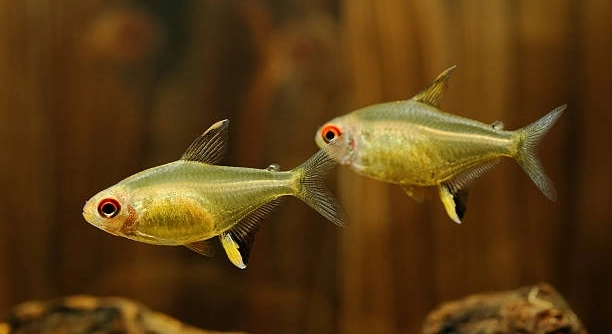
Lemon tetras are small, vibrant fish that brighten up any aquarium. Many fish owners notice they tend to hide or swim alone, which can make a tank feel less lively and interactive overall.
Lemon tetras become more social when their environment meets specific needs. Providing ample swimming space, maintaining proper water conditions, and keeping them in small schools encourages natural behaviors. Consistent feeding schedules and gentle interaction with their surroundings also enhance their sociability.
Understanding these factors will help you create a more engaging and balanced tank environment for your fish. Simple changes can make a noticeable difference in their daily behavior.
Create a Comfortable Tank Environment
A comfortable tank is essential for lemon tetras to feel safe and social. Start with a tank that provides enough swimming space, at least 20 gallons for a small school. Include live plants, smooth decorations, and hiding spots. Tetras enjoy having areas to retreat but also open space to swim freely. Maintaining clean water with stable temperature and pH is equally important. When the environment feels stable, fish are less stressed and more likely to interact with each other. Adding gentle lighting can also reduce stress, as harsh light may cause them to hide. Keep the tank away from sudden movements or loud noises that might startle them. Observing their behavior regularly helps in adjusting the setup if some areas are too exposed or uncomfortable. Over time, a well-set tank encourages natural schooling and playful behavior.
A stable environment with proper plants and hiding areas reduces stress and promotes social interactions among lemon tetras.
Even small adjustments, like rearranging decorations or adding more plants, can change their behavior. They respond quickly to an environment that balances safety and swimming space, becoming more active and interactive with the group.
Maintain a Healthy School
Keeping lemon tetras in groups of at least six is important for their social behavior. They feel safer and are more likely to swim actively when surrounded by others of their kind.
Schooling provides a natural dynamic for interaction and helps prevent loneliness. When they are in a proper group, fish display more natural behaviors, including synchronized swimming and playful chasing. Smaller groups may lead to timid behavior or hiding, reducing opportunities for social engagement. Observing their patterns in the school allows adjustments if certain individuals are being excluded or stressed. Make sure to feed the group evenly to prevent competition. Overcrowding should also be avoided, as it can cause aggression or stress. Regular monitoring of tank mates ensures harmony within the school. In addition to group size, maintaining balanced water conditions and consistent feeding schedules supports a healthy school dynamic. Lemon tetras thrive when their social needs are met, creating a livelier, more interactive aquarium.
Provide Proper Nutrition
Lemon tetras respond well to a varied diet that includes flakes, micro-pellets, and occasional live or frozen foods. Balanced feeding helps them stay healthy and more active within the school. Consistent meal times encourage predictable behavior and social interaction.
Feeding a mix of high-quality flake food, small pellets, and occasional live or frozen foods like brine shrimp or daphnia ensures lemon tetras get all necessary nutrients. Avoid overfeeding, as leftover food can harm water quality and reduce activity. Healthy fish are more likely to swim confidently and interact with the group. Feeding at the same times each day creates a routine that encourages them to come out and socialize. Small portions spread across multiple feedings work best, keeping water clean while maintaining energy levels.
Varying the diet also provides mental stimulation, which supports social behavior. Rotating foods and occasionally hiding treats among plants can encourage natural foraging, making the fish more active and less timid. This approach strengthens the school dynamic and helps maintain their vibrant coloration.
Gentle Interaction and Observation
Regular observation helps lemon tetras become familiar with their surroundings and reduce stress. Quiet, gentle movements near the tank can increase their comfort and sociability over time.
Spending a few minutes daily observing the tank without tapping or sudden movements helps fish feel secure. You can gradually place your hand near the tank to let them notice harmless presence. Over time, tetras may swim closer to the glass, showing curiosity and confidence. Avoid quick movements or loud noises, as these can trigger hiding and fear responses. Consistent, calm interaction allows them to recognize feeding times and environmental changes without stress. This practice encourages natural schooling behavior and allows you to monitor health and activity levels.
Interactive strategies like placing food near different areas of the tank or gently moving plants to create variation can stimulate exploration. Observing how they respond to subtle changes strengthens their confidence and promotes engagement with each other, reinforcing social behavior while maintaining a peaceful tank environment.
Keep Water Conditions Stable
Stable water conditions are critical for lemon tetras to remain active and social. Regular testing for pH, temperature, and ammonia ensures the tank stays safe and comfortable for the entire school.
Frequent partial water changes help maintain clean water and prevent harmful chemical buildup. Lemon tetras are sensitive to sudden changes, so gradual adjustments are best. Consistent filtration and monitoring reduce stress, making them more likely to swim openly and interact with each other.
Use Live Plants
Live plants provide shelter, encourage exploration, and offer natural hiding spots. They help create a balanced environment that promotes social behavior among tetras.
Plants also improve water quality by absorbing nitrates and producing oxygen. Adding a variety of species at different heights creates depth and stimulation, encouraging active swimming patterns and interaction.
Avoid Overcrowding
Overcrowding causes stress, aggression, and reduced social interaction. Keeping the tank appropriately stocked allows tetras to swim freely and maintain natural schooling behavior.
FAQ
How many lemon tetras should be kept together?
Lemon tetras are schooling fish and feel safest in groups of at least six. Smaller groups often lead to shy or stressed behavior, while larger groups allow more natural interaction. Keeping them in an appropriate school size encourages active swimming, synchronized movement, and social engagement.
What tank size is best for lemon tetras?
A minimum of 20 gallons is recommended for a small school of lemon tetras. Larger tanks provide more swimming space, reduce stress, and allow room for plants, decorations, and hiding spots. Space contributes to healthier, more social behavior, as overcrowding can cause aggression or excessive hiding.
What water conditions do lemon tetras need?
They thrive in stable water with a temperature of 72-78°F and a pH between 6.5 and 7.5. Regular monitoring for ammonia, nitrite, and nitrate levels is essential. Maintaining clean, stable water helps reduce stress and promotes confidence within the group, supporting social activity.
What should I feed lemon tetras?
A varied diet works best, including high-quality flakes, micro-pellets, and occasional live or frozen foods like brine shrimp or daphnia. Feeding small portions multiple times daily prevents overfeeding, maintains water quality, and encourages healthy, active behavior in the school.
How can I make my lemon tetras more social?
Creating a stable environment, keeping a proper school size, and adding live plants all help. Gentle, consistent observation and interaction also encourage confidence. Over time, these steps allow tetras to explore the tank freely, swim in groups, and engage naturally with each other.
Why are my lemon tetras hiding?
Hiding is often a response to stress, poor water conditions, or insufficient school size. Ensuring the tank is clean, plants provide shelter, and they have companions reduces fear. Lemon tetras naturally retreat sometimes, but excessive hiding indicates the need for environmental adjustments.
Can lemon tetras live with other fish?
Yes, but choose peaceful tank mates that won’t compete aggressively for food or territory. Fast, small fish often integrate well. Avoid large, aggressive species, as they may stress the tetras and reduce social interaction within the school. Monitoring behavior is important to maintain harmony.
How do I know if my lemon tetras are healthy?
Active swimming, bright colors, and regular schooling are signs of health. Watch for signs of stress like lethargy, clamped fins, or excessive hiding. Balanced feeding, stable water, and proper tank conditions all contribute to maintaining their overall well-being and sociability.
Do lemon tetras need special lighting?
Moderate, consistent lighting is sufficient. Too bright light can stress them, while too dim may affect activity levels. Live plants benefit from appropriate lighting, and proper illumination encourages natural swimming and social behaviors. Gradual transitions between light and dark periods are ideal.
How often should I clean the tank?
Partial water changes of 20-25% once a week are recommended. Remove debris and check filters regularly. Clean, stable water conditions reduce stress, encourage active swimming, and support interaction among tetras. Regular maintenance keeps the tank environment healthy and comfortable for the school.
Can lemon tetras breed in a home aquarium?
Breeding is possible if water conditions are ideal, with slightly acidic, soft water and plenty of hiding spots. They scatter eggs among plants, so providing fine-leaved plants increases survival rates. Monitoring the adults helps protect eggs, and separating fry may be necessary to ensure growth.
What signs indicate social improvement in lemon tetras?
Active schooling, synchronized swimming, and less hiding are positive indicators. When they explore the tank together, chase gently, and respond to feeding routines, it shows growing comfort. Healthy social behavior reflects a balanced environment and proper care over time.
How do live plants affect social behavior?
Plants provide shelter, reduce stress, and encourage exploration. They allow tetras to feel safe while interacting, promoting natural schooling patterns. Different plant heights and types create a stimulating environment, increasing activity and making the fish more confident in their surroundings.
What should I avoid to keep tetras social?
Avoid overcrowding, sudden changes in water, aggressive tank mates, and irregular feeding. These factors increase stress, which reduces interaction and may cause hiding. Consistency, proper school size, and a safe, well-planted environment are key to maintaining social behavior and healthy fish.
Can water temperature changes affect social behavior?
Yes, sudden fluctuations can stress lemon tetras, causing them to hide or become lethargic. Maintaining a consistent temperature within their preferred range supports activity and interaction. Using a reliable heater and thermometer ensures a stable environment for social development.
Is it normal for tetras to hide sometimes?
Yes, occasional hiding is natural and allows them to feel safe. However, constant hiding indicates stress or environmental issues. Adequate plants, proper school size, and clean, stable water help reduce excessive hiding and encourage social engagement.
How long does it take for lemon tetras to become social?
It depends on tank setup and environment stability. With proper care, most tetras show increased social behavior within a few weeks. Consistent feeding, gentle interaction, and a safe environment accelerate the process, allowing them to swim confidently and interact naturally.
What role does tank decoration play?
Decorations like plants, rocks, and driftwood provide hiding spots and create areas for exploration. These features reduce stress and allow tetras to interact safely. Varying textures and spaces encourages active swimming and natural schooling, making the group more social over time.
How often should I observe their behavior?
Daily observation is recommended. It helps detect stress, illness, or social issues early. Gentle, consistent monitoring allows adjustments to feeding, environment, or school size, ensuring tetras remain active, confident, and engaged with each other.
Lemon tetras are small, lively fish that respond strongly to their environment. Their social behavior depends on several key factors, including tank size, water quality, school size, and the presence of plants or decorations. When these factors are carefully managed, tetras become more confident, active, and interactive. A well-set tank not only encourages schooling behavior but also reduces stress, making the fish appear brighter and healthier. Over time, their natural curiosity and playfulness become more visible, which makes watching them much more enjoyable. Small changes, like rearranging plants or adding gentle hiding spots, can have a significant effect on how they interact with each other.
Feeding is another important element in encouraging social behavior. Lemon tetras thrive on a varied diet that includes flakes, small pellets, and occasional live or frozen foods. Feeding at consistent times each day helps establish a routine that the fish recognize, which encourages them to swim together and explore their surroundings. Portion control is crucial because overfeeding can affect water quality, which in turn influences the fish’s health and willingness to interact. Observing how they respond to feeding times can also provide insight into their comfort level in the tank. When they swim actively to the feeding area together, it is a good sign that they are comfortable with their environment and with each other.
The overall environment and consistent care are what ultimately allow lemon tetras to display their natural social tendencies. Stable water conditions, adequate space, and gentle interaction contribute to a peaceful, lively tank where the fish can thrive. Regular observation of their behavior helps to identify stress or discomfort early, allowing adjustments to the setup as needed. Overcrowding, sudden changes in water temperature, or aggressive tank mates can hinder social behavior, so maintaining a calm and balanced environment is key. By paying attention to these details and ensuring that the fish have the right group size, plants, and hiding spaces, lemon tetras gradually become more active and social. With patience and consistency, they will swim confidently, school naturally, and interact in ways that reflect a healthy, stress-free life. A thoughtfully managed tank not only improves their social behavior but also enhances the overall enjoyment of keeping lemon tetras.

Hello,
If you enjoy the content that we create, please consider saying a "Thank You!" by leaving a tip.
Every little bit helps us continue crafting quality advice that supports the health, happiness, and well-being of pets around the world, for pets of all shapes, sizes, and species.
We really appreciate the kindness and support that you show us!